
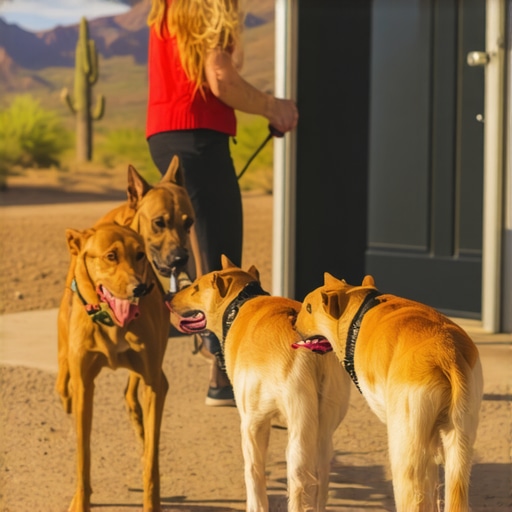
The Truth About Mobility Assistance Dogs and Door-Opening Challenges in Arizona
Mobility assistance dogs play a vital role in empowering individuals with disabilities, especially in states like Arizona where outdoor living and navigating various environments are everyday needs. These expertly trained companions facilitate independence by helping with tasks such as opening doors, which might seem simple but can become surprisingly complicated over time due to environmental factors and wear on the dogs’ training tools. As we approach 2026, understanding the core issues surrounding door-opening assistance is essential for owners and trainers alike.
Understanding the Role of Assistance Dogs in Door Operations
Assistance dogs trained to open doors are more than just pets — they are life-changing tools. These dogs are meticulously trained to recognize when a person needs help and to respond accordingly, whether that means tugging a door handle or pressing a button. They give their handlers a newfound sense of independence, especially in bustling or unfamiliar environments where manual door operation can be difficult or impossible.
Common Challenges Faced by Assistance Dogs in Arizona
Arizona’s climate and architecture introduce unique hurdles. Hot temperatures can cause wear on harnesses and training equipment, leading to potential malfunctions. Additionally, specific door designs in commercial spaces and homes might not be compatible with standard training techniques, causing delays or failures in assistance. Over time, environmental factors like dust and sand can negatively impact the functioning of certain door-opening mechanisms, requiring trainers to adapt and innovate continually.
Why Is Fixing Door-Opening Issues Critical for 2026?
With evolving building codes and increased awareness, the landscape of mobility assistance is set to change significantly by 2026. Ensuring that dogs can perform reliably in Arizona’s unique environment is not just about convenience — it’s about safety, accessibility, and maintaining trust in assistance animals. Properly addressing these challenges now will help prevent setbacks, and improve the quality of life for countless individuals relying on their service animals.
Advancing Training Techniques to Overcome Environmental Hurdles
In response to Arizona’s unique climate and architecture, trainers are adopting innovative methods to ensure assistance dogs can operate doors reliably regardless of external conditions. For instance, incorporating simulated dust, sand, and high-temperature scenarios into training environments helps dogs acclimate to real-world challenges, reducing the risk of failure when assisting handlers outdoors.
Implementing Durable Equipment and Harnesses
Given the wear and tear caused by Arizona’s harsh environment, investing in weather-resistant harnesses and training tools is crucial. Materials like reinforced nylon and specialty coatings can extend the lifespan of equipment, maintaining functionality over time and ensuring consistent assistance for handlers.
Utilizing Smart Technology for Enhanced Assistance
Emerging technologies, such as touch-sensitive door handles or automated door systems integrated with voice commands, are making a significant impact. When combined with traditional training, these innovations can compensate for environmental limitations, providing aid where manual door operation may be compromised. For example, installing accessible buttons near entrances allows assistance dogs to activate automatic doors, reducing reliance solely on physical tugging or pressing techniques.
Case Study: Training Success in Dusty Conditions
Recent projects in Phoenix have demonstrated promising results by exposing assistance dogs to dusty environments during training sessions. One notable example involved a service dog trained to open a commercial door while surrounded by simulated dust clouds. The dog successfully learned to respond to cues despite environmental interference, highlighting the importance of context-specific training methods.
Furthermore, working closely with architects and building managers to understand door designs and environmental factors can lead to more compatible solutions. For instance, installing lever-style handles instead of round knobs simplifies the opening process for assistance dogs and reduces training complexity.
Pro Tips for Trainers and Owners
- Integrate environmental factors early into training routines to build resilience.
- Choose weather-resistant equipment that withstands Arizona’s temperatures and dust.
- Collaborate with architects to select or modify doors for better assistance compatibility.
- Leverage technology such as automated doors with programmable activation points.
For further insights into training environments and the latest assistive technology, visit Arizona Assistance Dogs. Their expertise showcases how tailored training and innovative solutions can equip assistance dogs to handle Arizona’s environmental challenges effectively.
Enhancing Assistance Dog Performance Through Advanced Training and Innovative Technologies
Building on foundational training techniques, specialists are now focusing on leveraging emerging technologies and environment-specific strategies to push the boundaries of assistance dog capabilities in Arizona’s challenging landscape.
Integrating Sensor-Activated Door Systems
Smart door systems equipped with motion sensors and voice-activated controls are revolutionizing accessibility. Assistance dogs can be trained to activate these systems safely and reliably, reducing wear on physical equipment and mitigating environmental impacts like dust or extreme heat. Proper training includes simulation of sensor activation cues, ensuring dogs can operate these systems confidently in real-world scenarios.
Environment-Resilient Training Protocols
To further prepare dogs for Arizona’s climate, training routines incorporate variables such as high temperatures, dust, and sand. Techniques include:
- Simulating environmental conditions during training sessions.
- Exposing dogs to different door mechanisms in controlled settings.
- Using variable surfaces and obstacles to enhance adaptability.
Material and Equipment Innovations
Investing in weather-resistant harnesses made from reinforced, cooling, and dust-proof materials prolongs equipment lifespan and maintains operational integrity. Custom attachments like reinforced tug handles improve durability and responsiveness during assistance tasks.
Collaborative Design for Accessibility
Close cooperation between trainers, architects, and builders ensures that door designs accommodate assistance dogs. Features such as lever handles, lowered thresholds, and automated door systems enhance reliability and reduce training complexity, especially in commercial spaces and public facilities.
Advanced Data-Driven Training Analysis
Utilizing data collection tools such as wearable sensors allows trainers to monitor dog responses in different environments, optimizing training protocols. Analyzing response times and success rates under varying conditions informs tailored adjustments, leading to higher proficiency levels.
Expert Resources and Support Networks
Engaging with specialized organizations like Cornerstone Assistance Dogs offers access to cutting-edge training programs and research-backed techniques. Such collaborations foster continuous improvement and innovation in assistance dog performance.
Emerging Technologies Transforming Assistance Dog Tasks
As we look toward 2026, cutting-edge innovations are revolutionizing how assistance dogs manage door-opening tasks amidst Arizona’s unique environment. Intelligent sensor systems, for instance, enable assistance animals to interact seamlessly with automated doors, negating environmental constraints like dust or extreme heat. Incorporating voice-activated systems and tactile cues into training routines ensures dogs adapt swiftly to these technological advancements, enhancing their reliability and independence for handlers.
The Role of Wearable Tech in Performance Optimization
Wearable sensors such as accelerometers and GPS trackers provide real-time data on a dog’s response times and behavioral cues during door operations. This data-driven approach allows trainers to customize training protocols, address individual challenges, and track progress meticulously. The insights gained facilitate the development of robust training programs tailored to Arizona’s environmental demands, improving overall assistance effectiveness.
Designing Assistance Environments for Future Compatibility
Collaborating with architects and facility managers is key to creating assistance-friendly spaces. Features like lever-style door handles, lower-mounted activation buttons, and automatic door systems are increasingly standard. Furthermore, integrating environmental sensors that adapt to weather conditions can ensure assistance dogs perform reliably regardless of temperature extremes or dust levels, making aid accessible consistently across various settings.
Potential Trends and Future Directions
- Smart infrastructure integration: Buildings equipped with IoT-enabled doors that communicate with assistance dogs’ training devices for smoother operation.
- Enhanced durability materials: Development of new harnesses and tools resilient to Arizona’s climate, ensuring longevity and functionality.
- Augmented reality (AR) training modules: Virtual environments simulating environmental hazards, allowing dogs to practice in safe yet realistic scenarios.
Addressing Environmental Challenges with Community Collaboration
Proactive partnerships between trainers, technology providers, and local authorities will be essential. Sharing knowledge and resources enables a community-wide approach to creating adaptable solutions, ensuring assistance dogs can universally perform their duties effectively in the face of environmental hurdles. Initiatives like Arizona’s assistive technology expos serve as platforms for disseminating innovations and fostering collaboration.
People Also Ask: How will environmental factors continue to influence assistance dog training?
Environmental factors such as dust, heat, and architectural differences will remain integral considerations in training. Adapting training techniques to simulate and incorporate these variables ensures dogs develop resilience and reliability, essential for their performance amidst Arizona’s diverse conditions. Continuous innovation and environment-specific training are key to maximizing assistance dog capabilities by 2026.
Final Thoughts: Elevating Assistance Dog Capabilities in Arizona’s Environment
As the landscape of mobility assistance continues to evolve, ensuring that assistance dogs operate reliably amidst Arizona’s unique climate and architectural features is paramount. Leveraging innovative training techniques, durable equipment, and smart technologies not only enhances their performance but also fortifies the trust and independence of the individuals they serve. Ongoing collaboration among trainers, architects, and technology providers will be instrumental in shaping accessible, resilient solutions for the future.
Frequently Asked Questions
How do environmental factors like dust and heat affect assistance dog training?
Environmental factors such as dust, sand, and high temperatures can impact the effectiveness of assistance dog training by causing equipment wear and affecting the dog’s responsiveness. Integrating environmental simulations into training routines helps dogs develop resilience and adaptability to these conditions.
What technologies are improving assistance dog assistance in Arizona?
Smart sensor systems, automated doors, and wearable tech are transforming assistance tasks. These innovations allow dogs to operate doors more reliably and reduce wear on physical equipment, especially in challenging environments.
How can architectural design support assistance dog tasks?
Features like lever-style handles, lower-mounted activation buttons, and seamless automated doors simplify the task for assistance dogs. Collaborative design ensures spaces are accessible, reducing training complexity and increasing reliability.
What steps can trainers take to prepare dogs for environmental challenges?
Incorporating environmental variables into training, using weather-resistant equipment, and simulating real-world conditions enable dogs to adapt efficiently, ensuring consistent assistance regardless of environmental factors.
Where can I find resources for assistance dog training in Arizona?
Organizations such as Arizona Assistance Dogs and Cornerstone Assistance Dogs offer specialized training programs and support networks tailored to Arizona’s environment.
The Bottom Line
Enhancing assistance dogs’ operational capabilities amidst Arizona’s environmental challenges requires a multifaceted approach—combining innovative training, resilient equipment, and collaborative planning. By embracing these strategies, we pave the way for more reliable, safe, and independent assistance for individuals with disabilities, ensuring their quality of life continues to improve as we approach 2026 and beyond.
Join the Conversation
Share your experiences or reach out with questions—your input can help further refine training techniques and technological solutions. Together, we can support a future where assistance dogs perform their vital tasks seamlessly across all environments.