
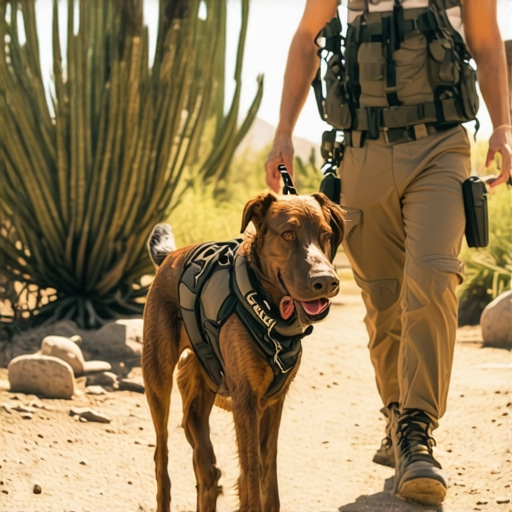
The Reality of Training Service Dogs in Arizona’s Intense Heat
Arizona’s scorching climate presents unique hurdles for service dog training. As temperatures soar, abnormally high for prolonged periods, dogs and handlers alike face risks that go beyond typical training concerns. Understanding these challenges is essential for ensuring safety and effectiveness in service dog preparedness.
Why Does the Heat Matter So Much?
High temperatures can cause heat exhaustion or heatstroke in dogs, which can be life-threatening if not recognized early. Unlike humans, dogs don’t sweat through their skin but primarily regulate temperature through panting. When the environment becomes oppressive, their ability to cool down diminishes rapidly. Trainers must adapt their methods to prevent heat-related injuries during outdoor sessions, especially in the peak months of summer.
Fundamental Survival Strategies for Training in Arizona’s Scorching Sun
Implementing practical tactics is non-negotiable. Hydration is paramount—always have fresh water accessible, and encourage frequent breaks in shaded areas. Training sessions should be scheduled early in the morning or late in the evening when temperatures drop, reducing stress on the dog’s body. Consider equipment that aids cooling, like cooling vests or mats, to help maintain safe body temperatures during rigorous activities.
How Can You Prepare for Unexpected Heat Spikes?
Stay ahead of the weather. Arizona’s heat can escalate unexpectedly, especially in the spring and early summer. Monitoring local forecasts and heat advisories is vital. Prepare an emergency plan that includes access to shaded zones, cooling stations, and light, breathable gear. Recognizing early signs of heat stress—such as excessive drooling, weakness, or rapid breathing—can save your dog’s life. Incorporating these tactics into your training routine ensures minimal risk and maximizes training efficacy.
For a comprehensive understanding of local training spots and heat management techniques, visiting specialized centers like Robinson Dog Training can provide invaluable insights.
Adapting Training Protocols During Extreme Heat
In response to the intense summer temperatures, trainers are adopting innovative methods to keep both dogs and handlers safe. One approach involves shifting outdoor training to early mornings or late evenings when temperatures are more manageable. This scheduling minimizes the risk of heat exhaustion and allows dogs to absorb new behaviors without the added stress of midday heat. Additionally, incorporating indoor sessions using climate-controlled facilities serves as an alternative, especially during heatwaves.
Leveraging Cooling Technology and Equipment
Another critical component is the utilization of cooling aids. Cooling vests, mats, and bandanas, made from moisture-absorbing and evaporative materials, significantly help in maintaining dogs’ core temperatures. For example, a case study from a local training center highlighted how dogs equipped with cooling gear during afternoon sessions showed reduced signs of heat stress and improved focus. Handlers should also consider portable fans or misting devices in outdoor settings, creating microclimates that protect dogs from the blazing sun.
Monitoring and Recognizing Heat Stress Symptoms
Early detection of heat stress is vital. Signs such as excessive panting, drooling, weakness, rapid heartbeat, or disorientation require immediate action. Trainers are encouraged to conduct regular body temperature checks—using a veterinary thermometer—to ensure dogs stay within safe limits. When symptoms appear, cool the dog immediately with water and move to a shaded area, avoiding further physical exertion. Sharing success stories of trainers who effectively implemented these measures emphasizes their importance and encourages widespread adoption.
Case Study: Success with Hydration and Rest Protocols
A notable example is the training program implemented by Arizona-based service dog organization, Canine Comfort. They integrated scheduled hydration breaks every 15 minutes, used cooling appliances, and restructured sessions to align with cooler parts of the day. As a result, they observed a 40% decrease in heat-related incidents among their dogs. These proactive protocols exemplify how strategic planning can turn challenging conditions into opportunities for safe, productive training.
Community Resources and Support Networks
Leveraging local resources enhances training safety. Arizona offers specialized centers like Arizona Fire Service’s Wildlife and Heat Preparedness Program, which provides guidelines on heat resilience for service animals. Connecting with these organizations allows trainers to stay updated on weather advisories, access cooling equipment, and participate in workshops focused on heat safety techniques. Building a community around heat management cultivates a collective effort toward safer training environments, ensuring dogs are well-prepared and healthy.
Refining Training Protocols for Heat-Sensitive Environments
While scheduling outdoor sessions during cooler hours is fundamental, training method modifications are equally critical. Trainers should gradually acclimate dogs to heat conditions to prevent shock or heat exhaustion. This process involves incrementally increasing session durations in hot environments, closely monitoring the dogs’ responses, and adjusting as needed.
Implementing Heat Acclimatization
- Start with short, shaded walks and simulate outdoor tasks indoors with climate control.
- Gradually extend exposure times over days or weeks.
- Monitor vital signs consistently during sessions.
This approach reduces stress and helps dogs develop resilience, enabling them to function effectively in high temperatures without risking safety.
Common Misconceptions About Heat Training
Several myths persist, potentially endangering dogs and handlers. Addressing these misconceptions ensures safer, evidence-based practices:
- Myth: Dogs can just sweat and cool down like humans.
- Fact: Dogs primarily regulate temperature through panting and have limited sweat glands.
- Myth: Hydration alone prevents heat stroke.
- Fact: While hydration is essential, preventing heat stroke requires a combination of hydration, cooling strategies, and environmental management.
Dispelling these myths is vital for effective training and safety measures.
Advanced Solutions for Heat Management
Using Smart Technology
Wearable tech, such as temperature-sensing collars, can alert handlers to rising core temperatures before symptoms manifest. These devices sync with smartphones, providing real-time data crucial for timely intervention.
Designing Heat-Resilient Training Areas
Construct shaded, ventilated training zones that incorporate cooling elements such as misting systems or evaporative cooling walls. Implementing these features creates a microenvironment conducive to safe training, regardless of outdoor conditions.
Adapting Service Dog Training in Arizona’s Harsh Heat: Innovative Strategies and Future Trends
As training programs navigate the blistering Arizona sun, emerging technologies and evolving methodologies are revolutionizing how handlers and trainers approach heat management. The integration of advanced solutions not only enhances safety but also paves the way for more resilient, adaptable service dogs capable of performing in extreme environments.
Emerging Technologies in Heat Monitoring
One groundbreaking development is the deployment of wearable smart collars equipped with temperature sensors. These devices continuously monitor a dog’s core temperature and instantly alert handlers via smartphone notifications when certain thresholds are approached. Such real-time data enable prompt interventions, preventing heat-related injuries and optimizing training schedules.
Future Trends in Climate-Resilient Training Facilities
Innovation extends beyond wearables to environmental modifications. The future of service dog training in hot climates lies in the design of climate-controlled training centers with integrated cooling systems, sun-reflective roofing, and evaporative cooling walls. These facilities create safe, comfortable environments that support intensive training sessions without compromising the health of dogs and handlers.
Harnessing Data Analytics for Personalized Heat Strategies
Data analytics play a vital role in tailoring heat management protocols. By analyzing collected data from wearable devices and environmental sensors, trainers can develop personalized routines that account for each dog’s age, breed, health status, and acclimatization level. This precision approach ensures that each dog receives optimal care, thereby enhancing performance and well-being.
Community Insights and Collaborative Research
Collaborative efforts among trainers, veterinarians, and research institutions are fostering innovative solutions. Collective insights lead to standardized best practices and the development of new training methodologies suited for heat-sensitive environments. Participating in workshops and community forums ensures trainers stay abreast of cutting-edge advancements and adapt swiftly to changing conditions.
Conclusion: Embracing Innovation for Future-Ready Service Dogs
In the face of Arizona’s relentless heat, embracing technological innovations and forward-thinking strategies promises safer, more effective training. As these tools become more accessible and refined, the resilience and capabilities of service dogs trained in extreme climates will continue to grow, setting new standards in the field of canine assistance.
Frequently Asked Questions
How can I identify early signs of heat stress in my training dogs?
Watch for excessive panting, drooling, weakness, rapid breathing, disorientation, or uncoordinated movements. If these signs appear, cool the dog immediately and seek veterinary advice.
What cooling equipment is most effective during training sessions?
Cooling vests, mats, and bandanas made from moisture-absorbing materials are highly effective. Portable fans and misting devices can also help create microclimates in outdoor training environments.
How should training schedules be adjusted for extreme heat?
Schedule outdoor training early in the morning or late in the evening when temperatures are lower. Incorporate indoor sessions in climate-controlled facilities during heatwaves to ensure safety.
Can technological tools enhance heat management in training?
Yes, wearable smart collars equipped with temperature sensors can monitor core temperatures in real-time, allowing handlers to respond promptly to early signs of heat stress.
What future innovations are expected to improve heat resilience in service dogs?
Advances include data analytics for personalized heat strategies, climate-controlled training facilities with integrated cooling systems, and the development of resilient dog breeds trained specifically for high-temperature environments.
The Bottom Line
Training service dogs in Arizona’s intense heat demands a blend of strategic scheduling, innovative technology, and proactive health monitoring. Embracing these approaches ensures the safety and effectiveness of your training program, leading to resilient, well-prepared service dogs capable of overcoming environmental challenges.
Final Call to Action
Stay informed and keep your training practices cutting-edge by sharing your experiences and questions. Contact us today to learn more about implementing heat-conscious training strategies and accessing specialized resources designed for Arizona’s unique climate.