
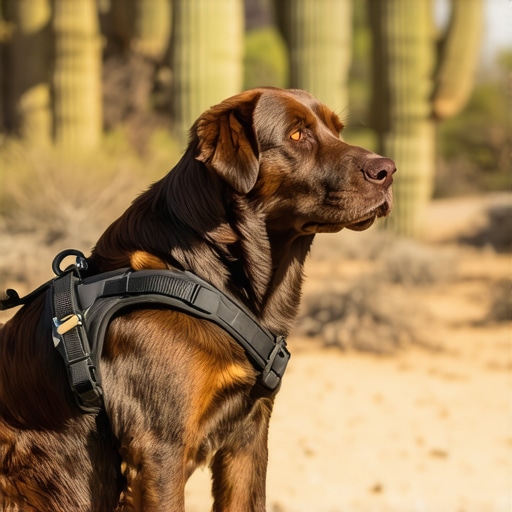
The Reality Behind Mobility Assistance Dogs and Gear Testing in Arizona
Understanding the Role of Assistance Dogs
Mobility assistance dogs serve as vital companions for individuals with disabilities, helping them navigate daily life safely and independently. These highly trained animals are expected to perform a wide range of tasks, from retrieving objects to opening doors. As their importance grows, so does the scrutiny of their training and equipment, especially in regions like Arizona where outdoor conditions can be extreme.
The Challenges of Gear Testing for Assistance Dogs
Gear testing is a critical part of ensuring that assistance dogs can operate effectively in various environments. Equipment such as harnesses, vests, and mobility aids must withstand rigorous use without impairing the dog’s comfort or performance. However, failure rates in gear tests have raised concerns, prompting experts to investigate the underlying issues.
Why Do Assistance Dogs in Arizona Fail Gear Tests in 2026?
Several factors contribute to the high failure rate of mobility assistance dogs during gear assessments in Arizona. These include the state’s intense heat affecting materials and the fit of equipment, the rugged terrain challenging the durability of gear, and gaps in training protocols that don’t prepare dogs for real-world conditions. For a comprehensive understanding, it’s essential to explore each of these elements more deeply, as they directly impact the effectiveness of assistance dogs in service roles.
Overcoming Environmental Challenges in Gear Testing for Assistance Dogs in Arizona
One of the prominent issues faced during gear testing in Arizona is the extreme heat, which can significantly impact the materials used in harnesses and vests. High temperatures can cause plastics to soften or degrade more quickly, leading to equipment failure or discomfort for the dog. Manufacturers have started exploring heat-resistant fabrics and materials capable of maintaining integrity under scorching conditions. For example, some companies now incorporate Thermoplastic Elastomers (TPE) into harness design, providing greater durability and temperature resilience.
Durability against rugged terrain also poses a significant challenge. The rocky, uneven surfaces common in the state test the strength and attachment points of gear. Assistance dogs often encounter such conditions during outdoor navigation, making it imperative that equipment withstands abrasion and sudden stresses. To address this, many training programs collaborate with gear manufacturers to develop specialized, terrain-adapted gear. These innovations are tested in realistic settings that mimic the rugged trail environments of Arizona, such as the Superstition Mountains or the Sonoran Desert.
Training Protocols and Real-World Adaptation
Training plays a crucial role in preparing assistance dogs for the conditions they will face. Traditional training may focus heavily on controlled environments, which can leave dogs unprepared for outdoor challenges like extreme temperatures, terrains, and unexpected weather changes. Some experts advocate for immersive training routines that simulate outdoor scenarios, including heat stress, rough terrain, and noisy environments, to better condition dogs and their handlers.
For example, training centers like Robinson Dog Training incorporate outdoor simulations that expose dogs to the varied conditions encountered in Arizona. This experiential learning helps improve their adaptability and ensures that gear functions reliably even in unforeseen circumstances. Additionally, handlers are taught to recognize early signs of discomfort or gear malfunction, enabling swift adjustments or interventions during real-world tasks.
Advanced Considerations in Assistance Dog Gear Optimization
Material Innovations and Environmental Adaptation
While thermoplastic elastomers (TPE) have proven beneficial in temperature resistance, further advancements involve integrating nanotechnology into fabrics. These nano-enhanced materials can repel heat and resist UV degradation, ensuring durability during prolonged outdoor exposure. Additionally, coatings like silicone or fluoropolymers are being applied to gear surfaces to reduce heat absorption and prevent cracking.
Design Ergonomics to Minimize Discomfort
Beyond material selection, ergonomic design plays a crucial role in gear success. Utilizing 3D scanning of individual dogs allows for custom-fit harnesses that align with their body contours, reducing chafing and maximizing comfort. Incorporating adjustable straps with quick-release mechanisms facilitates swift adjustments in fluctuating temperatures and terrain conditions, enhancing resilience during active tasks.
Implementing Real-World Testing Protocols
Simulation environments often fall short of replicating Arizona’s rugged and harsh conditions. Therefore, deploying comprehensive field-testing programs that encompass various terrains—like rocky pathways, sandy dunes, and steep inclines—ensures gear durability and functional reliability. Documenting performance metrics under these conditions guides iterative improvements.
Expert Tips for Handler Preparedness and Gear Maintenance
- Regular Inspection: Conduct routine evaluations of gear for signs of wear, especially after exposure to extreme heat or abrasive surfaces.
- Adaptive Use: Modify gear configurations based on daily environmental assessments, such as loosening straps in high temperatures or reinforcing vulnerable points.
- Handler Training: Educate handlers on recognizing early indicators of equipment failure or dog discomfort linked to gear issues, leveraging immersive outdoor routines for practice.
Emerging Trends in Assistance Dog Gear Design and Testing
Smart Material Integration for Enhanced Durability
Recent advancements focus on incorporating smart materials that respond dynamically to environmental conditions. Researchers are developing fabrics embedded with sensors capable of detecting temperature fluctuations and strain levels, providing real-time feedback to handlers about gear integrity and dog comfort. These innovations aim to prevent gear failure before it occurs, ensuring assistance dogs remain safe and effective in extreme climates like Arizona.
Eco-Friendly and Sustainable Materials
With environmental sustainability becoming a priority, manufacturers are exploring biodegradable and recycled materials for testing gear. These eco-conscious options do not compromise on durability or performance, aligning with broader initiatives to reduce the ecological footprint of service animal equipment. In Arizona’s delicate desert ecosystem, such sustainable gear minimizes environmental impact during outdoor activities.
3D Printing and Customization Advances
The adoption of 3D printing technology revolutionizes gear customization, allowing for rapid production of tailored harnesses that fit each dog precisely. This minimizes discomfort and reduces the need for multiple fittings, streamlining the equipment preparation process. Custom gear also enhances resilience, as parts can be designed for specific terrain challenges encountered in Arizona’s diverse landscapes.
Future of Training and Real-World Preparation
Virtual Reality (VR) and Augmented Reality (AR) in Training Programs
Cutting-edge virtual and augmented reality tools are emerging as vital components in training assistance dogs for Arizona’s environment. These immersive simulations expose dogs and handlers to a variety of scenarios, from intense heat to rugged terrains, without the logistical challenges of outdoor testing. Such technologies facilitate accelerated learning curves and better preparedness, ultimately reducing gear failure rates.
IoT-Enabled Gear for Monitoring and Maintenance
The Internet of Things (IoT) is transforming assistance dog gear management. Connected harnesses equipped with sensors can monitor wear and tear, adherence to load limits, and environmental stresses. Data collected allows for predictive maintenance, ensuring equipment is serviced or replaced proactively. This continuous monitoring enhances gear longevity and performance reliability during outdoor work in Arizona’s demanding conditions.
Enhanced Handler Support and Education
Future trends emphasize comprehensive training programs that incorporate ongoing education about gear innovations and environmental adaptation strategies. Handlers will be empowered with accessible resources and training modules, including application of IoT data insights and troubleshooting tips, to maintain optimal gear performance and ensure their assistance dogs operate seamlessly in Arizona’s unique climate and terrain.
Frequently Asked Questions
How do extreme temperatures in Arizona affect assistance dog gear?
High temperatures can cause materials like plastics and fabrics to degrade or soften, leading to gear failures or discomfort for the dog. Manufacturers are now incorporating heat-resistant and UV-protective materials, such as nanotechnology-enhanced fabrics, to improve durability under scorching conditions.
What training modifications are recommended for assistance dogs working in Arizona’s environment?
Training programs emphasize immersive outdoor simulations that mimic Arizona’s terrains and climate, including exposure to heat stress and rugged trails. This prepares dogs to perform reliably in real-world conditions and ensures their gear maintains its functionality during active tasks.
Are there innovative materials being used to improve gear resilience?
Yes, advancements include smart materials embedded with sensors for real-time monitoring, nano-enhanced fabrics that repel heat and UV rays, and sustainable, biodegradable options. 3D printing also allows for custom-tailored gear that fits individual dogs perfectly, enhancing comfort and durability.
How can handlers maintain gear and ensure dog comfort during outdoor activities?
Handlers should perform regular inspections for wear or damage, adapt gear configurations based on environmental conditions, and stay informed about new materials and designs. Educating handlers about signs of discomfort or gear malfunction is vital for maintaining optimal performance.
What future trends are shaping gear design for assistance dogs in extreme environments?
Emerging technologies include IoT-enabled gear for proactive maintenance, augmented reality training tools, and eco-friendly materials that sustain outdoor ecosystems. These innovations collectively aim to enhance safety, comfort, and effectiveness of assistance dogs amidst Arizona’s challenging conditions.
The Bottom Line
Advancements in materials science, ergonomic design, and immersive training are redefining the standards for assistance dog gear in Arizona. By embracing these innovations, trainers, handlers, and manufacturers can overcome environmental challenges, ensuring that assistance dogs perform reliably, safely, and comfortably in even the most demanding outdoor conditions.
Take Action Today
Stay informed about the latest in assistance dog gear technology and training techniques. Share your experiences or ask questions to foster a community dedicated to enhancing the lives of assistance dogs and their handlers. Together, we can drive forward the innovations that make a real difference in their service and safety.
,
Reading this post really opened my eyes to how environmental factors in Arizona complicate the gear testing process for assistance dogs. The emphasis on advanced materials like nano-enhanced fabrics and 3D-printed custom harnesses is fascinating because it shows how tech and innovation are driving better solutions. I’ve personally seen how a well-fitted harness can significantly improve a dog’s comfort during outdoor activities, especially in harsh conditions. It’s also intriguing to consider how immersive training, including VR and real-world simulations, could make a huge difference in preparing these animals for their duties.
One question I have is: How quickly do these new materials and technologies get adopted into mainstream gear, and what are the biggest hurdles to widespread implementation? I’d love to hear from others who have experience with integrating innovative gear into everyday support roles. It seems like a continuous evolution, and staying on top of these advances could really enhance the safety and efficiency of assistance dogs in extreme environments.