
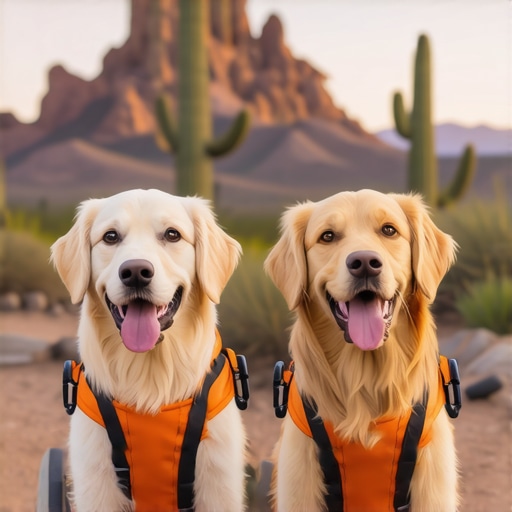
The Truth About Mobility Assistance Dogs and Their Gear
Mobility assistance dogs have become essential partners for individuals with disabilities across Arizona. These expertly trained canines empower their handlers, providing independence and enhancing quality of life. As we approach 2026, ensuring the safety and functionality of their gear becomes more critical than ever.
Understanding the Role of Assistance Dogs
Assistance dogs are not just pets; they’re vital tools designed to perform specific tasks tailored to their handler’s needs. From guiding the visually impaired to retrieving objects, these dogs navigate complex environments daily. Their equipment, including harnesses, vests, and mobility aids, must be reliable and durable to support their important work effectively.
Common Challenges with Assistance Dog Gear in Arizona
Arizona’s unique climate and terrain pose particular challenges. Extreme heat can cause wear and tear on gear materials, leading to cracks or weakening of harnesses. Dust and sand often infiltrate the equipment, reducing lifespan and performance. Additionally, the rugged outdoor environments demand gear that can withstand rough conditions without compromising safety.
Why Upgrading Assistance Dog Gear by 2026 Matters
As technology evolves, so do the standards for assistance dog equipment. Upgrading gear ensures that the dogs’ safety isn’t compromised and that handlers retain confidence in their partners’ support. Implementing expert-recommended gear fixes now can prevent accidents or equipment failures in the future. To explore some advanced solutions, visit this guide on gear maintenance.
Advanced Considerations for Assistance Dog Equipment
To ensure the safety and efficiency of mobility assistance dogs in Arizona’s challenging environment, handlers must go beyond basic maintenance. A crucial step involves understanding the biomechanics of gear fit. Properly fitted harnesses distribute weight evenly, preventing strain and discomfort during prolonged wear. Professionals recommend consulting with specialized canine ergonomists or trainers when selecting or customizing gear, ensuring a perfect fit that accommodates the dog’s unique physique.
Misconception: All Assistance Dog Gear Is Interchangeable
Many assume that standard sizes or generic gear suffice for all dogs. This misconception can lead to ill-fitting equipment, causing discomfort or impairing performance. The truth is, customized gear tailored to the individual dog’s size and task requirements significantly enhances functionality and safety. For example, adjustable strap systems or modular designs allow for precise fitting and adaptability as the dog grows or its workload changes.
How-To Steps for Upgrading Assistance Dog Gear Effectively
- Conduct a Comprehensive Gear Audit: Regularly inspect all equipment for signs of wear, including frayed stitching, cracked materials, or compromised buckles. Document findings for future reference.
- Collaborate with Experts: Engage with canine gear specialists or veterinarians to select advanced materials, such as ballistic-grade nylon or weatherproof composites, suitable for Arizona’s environment.
- Select Modern, Resilient Materials: Invest in harnesses and vests made from silicone composites or high-strength, breathable fabrics that resist heat, dust, and abrasions.
- Prioritize Custom-Fitting: Schedule professional fittings to optimize comfort and control. Adjustable gear can accommodate physical changes over time.
- Implement Smart Technology Add-ons: Consider integrating sensors or GPS trackers that monitor the dog’s activity and gear integrity, providing real-time data to handlers.
Emerging Trends and Future Directions in Assistance Dog Gear
With the rapid evolution of material science and technology, the future of assistance dog equipment promises to be more resilient, comfortable, and smart. Researchers and manufacturers are heavily investing in developing gear that adapts to Arizona’s extreme climate, ensuring safety and optimal performance for mobility assistance dogs.
Smart Gear and Wearable Technology
One of the most exciting developments is the integration of wearable sensors in harnesses and vests. These sensors can track vital signs such as heart rate, temperature, and activity levels, providing real-time data to handlers via dedicated mobile applications. This technology helps in early detection of heat exhaustion or stress, especially critical in Arizona’s hot environment. Additionally, GPS trackers embedded in gear can assist in locating dogs quickly if they become lost, enhancing safety during outdoor excursions.
Ultra-Advanced Materials for Durability and Comfort
Future gear will leverage cutting-edge materials like graphene-infused fabrics and self-healing polymers. These materials are lightweight yet highly durable, resistant to abrasions, tears, and cracks caused by dust and intense heat. Breathable and moisture-wicking fabrics will ensure dogs stay cool and comfortable during extended outdoor activities, reducing skin irritations caused by traditional materials.
Customizable and Modular Systems
Advancements in manufacturing techniques, such as 3D printing and ergonomic design customization, will enable the production of gear perfectly fitted to individual dogs. Modular systems will allow handlers to add or remove components like pouches, indicators, or handles, adapting the gear to specific tasks or environmental conditions seamlessly. This flexibility ensures equipment remains relevant as the dog’s needs evolve.
The Role of Artificial Intelligence and Machine Learning
AI-powered systems will analyze data from sensors to predict potential gear failures before they occur, alerting handlers proactively. Machine learning algorithms can optimize gear fit over time, adapting to the dog’s growth and activity patterns. Such intelligent systems aim to minimize disruptions and maximize the dogs’ safety and efficiency, especially important during demanding Arizona outdoor expeditions.
Environmental and Sustainability Considerations
As awareness about environmental impact grows, future assistance dog gear will emphasize eco-friendly materials and manufacturing processes. Recyclable and biodegradable components will become standard, reducing ecological footprints while maintaining high-performance standards. This aligns with the values of responsible care providers dedicated to both aiding dogs and protecting Arizona’s natural landscapes.
Staying informed about these trends can be achieved by following industry updates and innovations at platforms dedicated to assistive technology and canine gear like Assistancedoggear.com. Embracing these technological advancements will ensure that mobility assistance dogs in Arizona continue to operate at peak performance, with gear designed for longevity, safety, and comfort.
Frequently Asked Questions
1. Why is gear upgrading essential for assistance dogs in Arizona?
Arizona’s extreme temperatures, dust, and rugged terrain demand durable, climate-resistant equipment to ensure safety and performance.
2. How can I identify signs of wear in assistance dog gear?
Regular inspections for fraying, cracked materials, or loose fastenings are crucial. Replace or repair worn components promptly to maintain safety.
3. What materials are best for assistance dog gear in hot climates?
Materials like medical-grade silicone composites and weather-resistant fabrics offer enhanced durability and comfort under extreme heat.
4. Are smart technology options available for assistance dog gear?
Yes, emerging sensors and GPS trackers can monitor vital signs and gear integrity, providing real-time alerts to handlers.
5. How do custom-fit harnesses benefit assistance dogs?
Properly fitted gear distributes weight evenly, reduces discomfort, and adapts to your dog’s unique physique, improving safety and performance.
The Bottom Line
Advancements in materials, technology, and customization are transforming assistance dog gear, making it more resilient and tailored to Arizona’s demanding environment. Regular assessments and embracing innovative solutions ensure these vital partners operate at peak safety and comfort, empowering handlers to focus on daily tasks with confidence.
Take Action Today
Stay ahead by exploring the latest gear innovations and consulting with specialists to equip your assistance dog for a safer, more comfortable outdoor experience. Your proactive approach makes a meaningful difference in your dog’s well-being and independence.

I really appreciate how this post highlights the importance of upgrading gear for mobility assistance dogs, especially with Arizona’s tough climate. During my work with assistance dogs, I’ve seen firsthand how quickly gear can wear out or become less effective in such environments, which can compromise safety. The move toward lightweight, breathable, and smart gear seems like a game-changer for both dogs and handlers. I’m particularly interested in the emerging technology of sensors and GPS trackers—have any of you tried these options yet? I wonder how easy they are to implement and maintain in everyday use. It’s encouraging to see the focus on personalized fit and durability, which I believe directly impacts the wellbeing and performance of assistive dogs. Have others found specific materials or brands that work best in hot climates like ours for long-term use? I’d love to hear more about your experiences or recommendations as we prepare for 2026 upgrades.