The Reality of Heat and Diabetes in Arizona
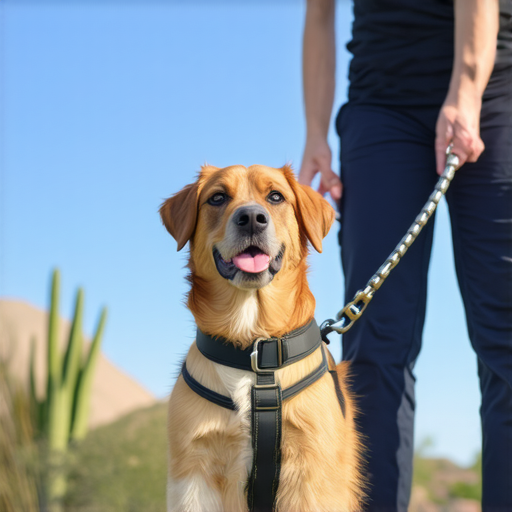
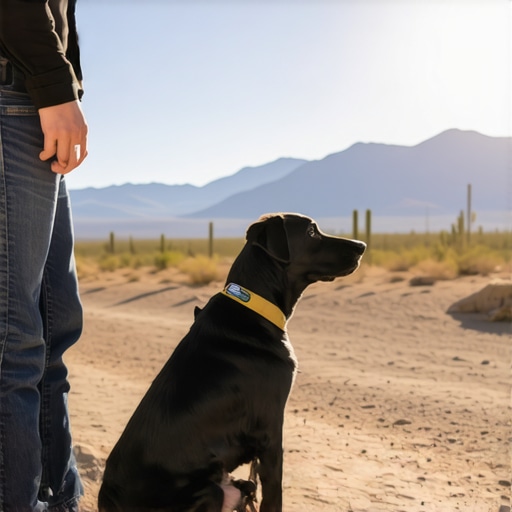
Arizona’s blazing summers present unique challenges for diabetic individuals and their service animals. The intense heat can affect both the health of a person living with diabetes and the performance of their alert dogs. Understanding how to protect and optimize these dogs’ effectiveness is vital for a safe summer experience.
Why Does Heat Threaten Diabetic Alert Dogs?
High temperatures can impair a dog’s ability to detect blood sugar changes promptly. Overheating leads to fatigue, dehydration, and decreased agility, compromising their alerting skills. For diabetic owners, this means increased risks, including diabetic emergencies, if their service dog isn’t functioning at full capacity.
Core Concepts Behind Diabetic Alert Dogs
Diabetic alert dogs are specially trained to recognize subtle scent changes associated with blood sugar fluctuations. They act as vital partners, warning their owners before symptoms escalate. Their sensitivity hinges on keen olfactory senses, which heat and exhaustion can diminish.
How Can Arizona’s Heat Be Managed for Diabetic Dogs?
Implementing effective strategies ensures these dogs remain healthy and attentive. Techniques include providing cooling gear, scheduling walks during cooler hours, and ensuring ample hydration. Moreover, understanding the terrain and climate is essential; consult local training centers like Robinson Dog Training for personalized advice.

People Also Ask: How Do I Keep My Diabetic Alert Dog Safe in Arizona’s Summer?
Prevent heat exhaustion by ensuring your dog has access to shade, fresh water, and cooling devices. Regularly check their paws for heat burns and limit strenuous activities during peak heat hours. Training your dog to recognize signs of overheating is equally important to intervene early.
Arizona’s intense summer heat not only poses risks to humans with diabetes but also profoundly affects their canine partners. Diabetic alert dogs rely heavily on their olfactory senses and physical agility to detect blood sugar fluctuations promptly. Excessive heat can impair these faculties, making it essential for owners and trainers to implement targeted strategies. For instance, using cooling vests and mats can help regulate their temperature during outdoor activities, which are best scheduled during early mornings or late evenings when temperatures are cooler. Additionally, providing ample hydration before, during, and after outings ensures these dogs stay alert and healthy.
Engaging in regular, heat-appropriate training can further reinforce a dog’s ability to recognize early signs of overheating. Trainers like Robinson Dog Training emphasize acclimating service dogs gradually to high temperatures, so they learn to gauge their own limits. Recognizing physical cues such as excessive panting, lagging behind, or seeking shade is crucial in preventing heat exhaustion. Educating owners to watch for these signs and respond swiftly can save a dog’s life, especially in extreme climates.
Additionally, community resources can provide valuable support. Local pet clinics or canine health specialists familiar with desert climates can recommend cooling accessories tailored for working dogs, along with advice on diet adjustments during peak summer months. Preventative measures like footpad protection are also vital; hot asphalt and pavement can cause burns that compromise a dog’s mobility and comfort. Regularly inspecting paw pads and allowing walks on shaded, grassy areas can mitigate these risks.
Further, innovative tools are emerging to aid in heat management. Portable fans, evaporative cooling collars, and even specialized cooling vests can significantly enhance comfort and alertness. For example, ‘Cool Pup’ products have received positive feedback from owners in arid regions, providing a practical solution to maintain canine performance. Ensuring these tools are part of daily routines will help preserve the effectiveness of diabetic alert dogs throughout Arizona’s scorching summers.
On a broader scale, community awareness campaigns and owner support groups can facilitate knowledge sharing on heat safety practices. Events such as workshops or seminars hosted by professional trainers can educate handlers on early intervention techniques and advancing training protocols adapted for desert environments. As summer progresses, maintaining an open dialogue between owners, trainers, and veterinary professionals will remain vital in safeguarding these invaluable canine partners.
Implementing Advanced Cooling Techniques for Service Dogs
To enhance a diabetic alert dog’s resilience against Arizona’s intense heat, advanced cooling methods are essential. Consider utilizing evaporative cooling vests that activate with water, providing consistent temperature regulation. Incorporate portable fans attached to harnesses or collars to increase airflow during outdoor activities. Using shaded rest stations equipped with cooling mats allows dogs to recover swiftly after exertion.
Step-by-step Guide to Hot Weather Cooling
- Pre-hydration: Ensure dogs are well-hydrated before outings.
- Timing: Schedule walks and training during early mornings or late evenings.
- Protect paws: Use protective boots or paw wax to shield against hot pavement.
- Cooling gear: Equip dogs with evaporative vests and cooling collars during activities.
- Post-activity care: Allow dogs to rest in shaded, cooled environments, and rehydrate.
Monitoring and Recognizing Early Overheating Signs
Trainers and owners must be adept at recognizing physical cues indicating heat stress:
- Excessive panting and drooling
- Lagging behind during walks
- Seeking shade or lying down
- Altered behavior, such as agitation
Early intervention involves bringing the dog into shade, offering water, and cooling the body with wet towels. Training dogs to alert owners to these signs can prevent dangerous heat-related incidents.
Advanced Training Techniques
Leverage desensitization protocols that simulate high-temperature environments in training sessions. Incorporate scent identification exercises with cooling stimuli to maintain olfactory acuity under stress. Use positive reinforcement to encourage calmness during heat exposure, building resilience.
Utilizing Community and Technology Resources
Employ specialized apps for monitoring environmental temperatures and humidity levels, prompting owners to adjust activities proactively. Community support groups can facilitate sharing of heat adaptation strategies. Local organizations like Robinson Dog Training offer workshops focused on summer care tactics for service dogs.
Emerging Technologies in Heat Management for Service Dogs
Advancements in technology are revolutionizing how owners and trainers can safeguard diabetic alert dogs against extreme temperatures. Wearable cooling devices, such as cooling bands and vests, utilize phase change materials that absorb heat and provide relief during strenuous outdoor activities. Smart devices equipped with temperature sensors and GPS tracking can alert owners if their dog’s body temperature exceeds safe limits, enabling prompt intervention. These innovations not only enhance safety but also allow dogs to maintain peak performance throughout Arizona’s scorching summers.
Innovative Cooling Solutions and Their Benefits
Products like evaporative cooling collars or mats activated by moisture help regulate body temperature efficiently. Combining these with hydration strategies and scheduled rest periods ensures comprehensive heat management. Furthermore, integrating these tools into training routines can acclimate dogs to the presence of cooling devices, making them more comfortable during actual heat exposure.
Understanding the Future: Climate Adaptation and Service Dog Training
As climate change leads to increasingly hotter summers, adapting training programs becomes essential. Future trends include developing specialized curricula focusing on heat resilience, dehydration prevention, and thermoregulation techniques. Moreover, breeding programs may prioritize genetic traits that enhance tolerance to high temperatures, ensuring the longevity and effectiveness of service dogs in desert climates.
Potential Research Directions and Innovations
Research into scent detection under stress conditions may lead to improved alerting accuracy during heatwaves. Additionally, exploring biomimicry—emulating natural adaptations like desert flora and fauna—could inspire new cooling technology tailored for service dogs. Collaborations among veterinary scientists, engineers, and training professionals will be key to designing multi-layered strategies for heat preparedness.
Community Engagement and Educational Outreach
Building awareness about heat risks and prevention methods is crucial. Future initiatives may include mobile apps providing real-time climate data and personalized care tips, virtual training modules, and community workshops. These resources will empower owners and trainers to implement proactive measures, ensuring the safety and effectiveness of diabetic alert dogs amidst escalating environmental challenges.
Frequently Asked Questions
1. How can I best protect my diabetic alert dog during Arizona’s summer?
Ensure your dog has access to shade, plenty of fresh water, and cooling accessories like vests or collars. Schedule outdoor activities during cooler times such as early mornings or evenings, and regularly monitor for signs of overheating.
2. What are some signs that my service dog is overheating?
Watch for excessive panting, drooling, lagging behind during walks, seeking shade, or sudden change in behavior. Prompt response to these signs is critical to prevent heat exhaustion.
3. Are there specific training techniques to help my dog tolerate high temperatures?
Yes, gradually acclimate your dog to warmer conditions through desensitization exercises, and incorporate cooling devices during training. Always reinforce positive behaviors associated with heat management.
4. What innovative tools are available for heat management in service dogs?
Modern solutions include evaporative cooling vests, cooling collars, portable fans, and smart temperature sensors that alert owners when their dog’s body temperature rises too high, ensuring timely intervention.
5. How can I stay informed about environmental risks during the summer?
Utilize weather apps and community resources to monitor temperature and humidity levels. Participating in local workshops and consulting with trainers like Robinson Dog Training can provide tailored strategies for summer safety.
The Bottom Line
Arizona’s scorching summers demand proactive measures to safeguard your diabetic alert dog. Combining proper training, innovative cooling solutions, vigilant monitoring, and community support can help maintain their health and alertness, ensuring they serve as reliable partners in managing diabetes amidst challenging climates.
Take Action Today
Share this vital information with fellow pet owners and trainers, and consult with local experts to implement the best heat safety practices. Your proactive efforts can make a significant difference in your dog’s well-being and performance.