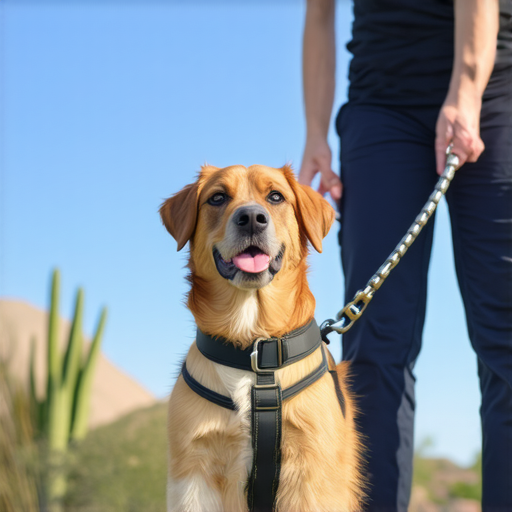

Unlocking the Secrets of Service Dog Training in Arizona
Service dog training is a specialized discipline that combines patience, expertise, and understanding of both canine behavior and human needs. In Arizona, where the climate and terrain pose unique challenges, training your service dog effectively requires tailored strategies rooted in proven techniques and local knowledge. Whether you’re a new handler or seeking to refine your skills, discovering the top tips for 2024 can significantly enhance your service dog’s performance and your shared bond.
Creating a Solid Foundation: The Art of Building Trust and Obedience
Why Establishing Reliable Commands is Critical for Service Dogs
At the core of effective service dog training lies consistent, clear commands that your dog responds to in any environment. Techniques such as positive reinforcement and gradual exposure help build trust and obedience. For example, training in quiet local parks and busy city streets ensures your service dog remains calm and responsive regardless of distractions, an essential quality highlighted by experts at the American Kennel Club.
In Arizona, where outdoor activities are prevalent, training outdoors is crucial. It allows your dog to adapt to diverse stimuli, from bustling markets to serene desert landscapes, ensuring they are prepared for real-world scenarios.
Adapting Training to Arizona’s Unique Environment
How Does the Climate Affect Service Dog Training?
Arizona’s hot, arid climate demands special considerations. Excessive heat can lead to fatigue or heatstroke in dogs, making training sessions shorter and scheduled during cooler parts of the day. Hydration is vital, and training should incorporate long breaks and shade to ensure your service dog remains healthy and motivated. Incorporating local outdoor spaces like Robinson Dog Training can provide optimal environments for training in the desert climate.
Expert Tips for 2024: From Novice to Pro
What Are the Latest Techniques in Service Dog Training?
In 2024, innovative training methods emphasize sensory integration and emotional intelligence. Using tools like clicker training combined with scent work enhances a service dog’s ability to perform complex tasks reliably. Moreover, regular socialization with diverse environments and people ensures your dog remains adaptable and confident. Remember, continuous education and staying updated with reputable training programs are key to success, as advised by professionals from the American Dog Training Association.
If you’re looking for expert guidance, consider consulting local trainers who understand Arizona’s unique landscape and climate challenges. They can customize training plans that optimize your service dog’s development.
Ready to deepen your understanding? Share your experiences or ask questions in the comments below. For more insights on service dog training, explore our comprehensive resources and stay ahead in 2024!
Enhancing Your Service Dog Training Routine in Arizona’s Diverse Landscapes
Building upon foundational training principles, it’s essential to tailor your approach to Arizona’s varied environments. From the rugged trails of Sedona to the bustling streets of Phoenix, each setting demands adaptability and precision. During my years working with service dogs, I’ve found that incorporating real-world scenarios into training not only boosts reliability but also strengthens your bond with your canine partner.
For example, practicing commands in different terrains—such as rocky desert paths or urban sidewalks—helps your dog learn to stay focused despite changing stimuli. I’ve also observed that using local parks and community spaces can simulate the environments your dog will encounter daily, making the transition from training to real-life situations seamless. Remember, consistency is key; reinforcing commands across various settings ensures your dog’s responses remain dependable, no matter where you are.
Managing Arizona’s Extreme Weather Conditions During Training
How Do You Safeguard Your Service Dog During Hot Summers?
Arizona’s scorching summers pose significant risks of heat exhaustion and dehydration. To mitigate these dangers, I always recommend early morning or late evening training sessions when temperatures are cooler. Providing plenty of fresh water and shade during breaks is crucial. I’ve personally found that using cooling vests or mats can help regulate your dog’s body temperature during intensive training sessions.
Additionally, understanding your dog’s specific tolerance levels is vital. Some breeds or individual dogs may require even more precautions. Consulting with your veterinarian can help develop a hydration and cooling plan tailored to your dog’s needs. It’s also beneficial to keep an eye on signs of overheating, such as excessive panting or lethargy, and respond immediately by seeking shade and hydration.
Adapting Training to Arizona’s Unique Terrain and Lifestyle
What Are Practical Ways to Incorporate Desert Terrain into Your Training?
Incorporating the desert landscape into your training routine can significantly improve your dog’s resilience and adaptability. For instance, walking on sandy or uneven surfaces enhances balance and coordination. I often suggest setting up obstacle courses using natural elements like rocks and shrubs to simulate real-world challenges.
Training in these conditions also helps your dog learn to navigate changes in footing and recognize cues amidst distractions. It’s essential to gradually introduce these terrains, ensuring your dog remains comfortable and confident. By doing so, you prepare your service dog to handle everything from crowded city streets to remote desert trails with ease.
Curious About the Latest Techniques in Service Dog Training?
In 2024, many trainers are emphasizing emotional intelligence and sensory integration. Techniques such as scent work, combined with positive reinforcement, are proving highly effective. These methods not only improve task performance but also foster a deeper connection between handler and dog.
For example, using scent detection exercises can enhance a service dog’s ability to locate objects or alert to specific stimuli, which is invaluable in many assistance scenarios. Staying updated with reputable organizations like the American Dog Training Association can provide insights into cutting-edge practices.
What personal challenges or successes have you experienced with service dog training in Arizona? Share your stories or ask questions below—we learn best from each other’s journeys. And if you’re eager to explore further, our resources are designed to help you navigate every step of this rewarding process!
Employing Sensory Integration Techniques to Enhance Service Dog Performance in Desert Climates
As service dog handlers face Arizona’s extreme temperatures and diverse terrains, integrating advanced sensory training methods can dramatically improve a dog’s adaptability and task execution. Sensory integration involves exposing dogs to a variety of stimuli—textures, sounds, sights—under controlled conditions, gradually increasing complexity to build resilience and focus. For example, incorporating scent detection exercises that mimic real-life scenarios, such as locating objects in sandy or rocky environments, can enhance a service dog’s environmental awareness and task reliability. This approach aligns with recent research published by the PLOS ONE, emphasizing multisensory training’s role in cognitive and behavioral resilience.
Optimizing Hydration and Cooling Strategies During Hot Season Training
Effective hydration and cooling techniques are critical when training in Arizona’s sweltering summers. Beyond basic water intake, the use of cooling vests, mats, and specially designed cooling collars can significantly reduce heat stress. Recent innovations in cooling technology, such as evaporative cooling fabrics and portable misting systems, provide practical solutions for handlers. In addition, understanding individual dog responses to heat—by monitoring behaviors and vital signs—can prevent heatstroke and ensure safe training sessions. Consulting with veterinary specialists who focus on canine thermoregulation, as outlined in the American Journal of Veterinary Research, offers handlers a scientific basis for customizing hydration protocols.
Designing Terrain-Responsive Training Modules for Desert Navigation
Incorporating natural desert elements into training routines not only enhances physical agility but also promotes mental flexibility. Creating obstacle courses with rocks, shrubs, and uneven sandy surfaces trains dogs to navigate diverse terrains confidently. Gradual exposure, starting with stable footing and progressing to more challenging landscapes, helps prevent injury and builds trust. Additionally, simulated urban environments that include distractions like traffic noise, pedestrians, and varied lighting conditions can prepare service dogs for urban settings within Arizona’s cities. Utilizing local parks and natural reserves as training venues ensures exposure to authentic stimuli, promoting a well-rounded skill set that’s crucial for handling unpredictable situations.
Addressing Nuanced Challenges: How Do You Manage Canine Stress in Extreme Weather?
Managing stress during training in extreme weather conditions involves more than just environmental adjustments; it requires psychological insight into canine stress responses. Techniques such as incorporating calming signals, using pheromone diffusers, and maintaining a consistent routine help mitigate anxiety. Moreover, recognizing early signs of stress—such as lip licking, yawning, or avoidance behaviors—and responding promptly can prevent long-term behavioral issues. For handlers, developing an understanding of their dog’s unique stress triggers, supported by ongoing observation and consultation with canine behaviorists, ensures that training remains effective and humane. For further guidance, organizations like the International Association of Animal Behavior Consultants provide valuable resources for stress management strategies.
Deepening your expertise in these advanced techniques can transform your service dog training journey, fostering resilience and confidence in both handler and canine. Explore specialized workshops and consult with local Arizona trainers who employ these cutting-edge methods to elevate your training outcomes.
Harnessing Multisensory Integration for Desert Resilience
To elevate your service dog training, integrating multisensory stimuli—such as varied textures, sounds, and scents—can significantly enhance a dog’s adaptability in Arizona’s dynamic environment. For instance, employing scent detection exercises in rocky terrains or sandy deserts not only sharpens the dog’s focus but also prepares them for real-world assistance scenarios. Recent studies, such as those published in PLOS ONE, underscore the benefits of multisensory training in fostering cognitive resilience and behavioral flexibility, crucial for high-stakes service tasks.
Innovative Hydration and Cooling Protocols for Hot Climates
Optimal hydration strategies are paramount when training in Arizona’s scorching heat. Beyond standard water intake, handlers should consider advanced cooling solutions like evaporative vests and portable misting systems. These innovations, supported by veterinary research in the American Journal of Veterinary Research, help maintain a safe core temperature, preventing heat-related illnesses. Monitoring signs such as excessive panting, lethargy, or disorientation allows for prompt intervention, ensuring training sessions remain safe and effective.
Designing Terrain-Responsive Training Modules for Desert Navigation
Creating tailored obstacle courses within natural desert landscapes enhances a service dog’s physical agility and mental acuity. Incorporating elements like uneven sandy surfaces, rocks, and native shrubs simulates authentic challenges, fostering confidence and resilience. Gradual exposure, starting from stable footing to more complex terrains, minimizes injury risk and cultivates trust. Additionally, urban simulation exercises—integrating traffic noises, diverse lighting, and pedestrian distractions—prepare dogs for city environments, ensuring seamless transition to practical assistance roles in Arizona’s urban centers.
Addressing Canine Stress in Extreme Weather Conditions
Managing stress during intensive training amid extreme heat involves psychological and environmental strategies. Techniques such as calming signals, pheromone diffusers, and maintaining a consistent routine help reduce anxiety. Recognizing early stress indicators—like lip licking, yawning, or avoidance behaviors—and responding swiftly can prevent behavioral setbacks. Customizing stress management protocols through consultation with canine behaviorists, as recommended by the International Association of Animal Behavior Consultants, enhances training efficacy and humane treatment.
Advanced Techniques: Enhancing Task Performance via Sensory and Emotional Intelligence
In 2024, service dog training increasingly emphasizes sensory integration and emotional intelligence. Techniques such as scent work combined with positive reinforcement foster precise task execution while strengthening handler-dog bonds. For example, scent detection exercises tailored to desert environments improve alerting behaviors for medical or safety needs. Staying informed through reputable organizations like the American Dog Training Association ensures access to cutting-edge methodologies that optimize training outcomes.
Call to Action: Elevate Your Service Dog Training Expertise Today
If you are committed to mastering these advanced strategies, consider enrolling in specialized workshops or consulting local Arizona trainers who implement innovative techniques. Share your experiences, ask questions, and join a community dedicated to excellence in service dog training. Your dedication can make a transformative difference in the lives of those who rely on these remarkable canine partners. Explore our comprehensive resources and take the next step toward becoming an expert in service dog training in challenging environments.
Frequently Asked Questions (FAQ)
What are the most effective commands for service dogs in Arizona’s environment?
Key commands include sit, stay, heel, and recall, which must be reinforced in diverse settings to ensure responsiveness. Additionally, commands like alert or retrieve can be customized based on the handler’s needs. Consistent reinforcement and positive reinforcement techniques are essential for mastery, especially in Arizona’s challenging outdoor environments.
How does Arizona’s climate influence the selection of training methods for service dogs?
Arizona’s hot, dry climate necessitates training during cooler parts of the day, such as early mornings or evenings. It also requires integrating cooling strategies like vests and regular hydration to prevent heat-related stress. Outdoor training should incorporate shaded areas and natural terrain to simulate real-world conditions safely.
What advanced techniques are currently trending in service dog training for 2024?
Recent trends emphasize sensory integration and emotional intelligence. Techniques such as scent work, multisensory exposure, and emotional recognition exercises enhance a service dog’s reliability and resilience. These methods foster stronger handler-dog bonds and improve task performance in complex environments.
How can I adapt training to Arizona’s diverse terrains?
Incorporate natural elements like rocks, sand, and shrubs into training routines to enhance agility and adaptability. Gradually introduce challenging terrains to build confidence, starting from stable surfaces and progressing to rocky or uneven grounds. Training in urban and desert environments prepares your dog for real-world scenarios.
What are signs of heat stress in service dogs during training, and how can I prevent it?
Signs include excessive panting, lethargy, drooling, and disorientation. Preventive measures include scheduling sessions during cooler times, providing shade and water, using cooling vests, and monitoring your dog’s behavior closely. Immediate intervention is critical if symptoms appear.
How important is socialization in service dog training in Arizona?
Socialization is vital for building confidence and reducing anxiety in various settings like busy streets, markets, and natural parks. Regular exposure to diverse stimuli ensures your dog remains calm and responsive, which is crucial for effective assistance in unpredictable environments.
What resources are recommended for staying updated with the latest service dog training techniques?
Reputable organizations such as the American Dog Training Association, the International Association of Animal Behavior Consultants, and specialized workshops offered by local trainers provide valuable insights. These sources offer ongoing education, research updates, and practical guidance for trainers and handlers.
How can I improve my service dog’s resilience in desert conditions?
Incorporate multisensory training exercises that include scent work, textured surfaces, and environmental distractions to boost resilience. Using natural desert terrain during training enhances physical coordination and mental adaptability, preparing your dog for the demands of desert living and assistance tasks.
What is the final tip for mastering service dog training in Arizona?
Consistency and adaptability are the cornerstones of success. Regularly update your training methods to incorporate new techniques, adapt to changing environments, and maintain a strong, trusting relationship with your service dog. Always prioritize your dog’s health and well-being, especially considering Arizona’s extreme weather conditions.
Trusted External Sources
- American Dog Training Association: Offers comprehensive training programs, certifications, and latest methodologies in service dog training, ensuring handlers stay informed about industry standards.
- International Association of Animal Behavior Consultants: Provides expert resources on canine behavior, stress management, and advanced training techniques, critical for developing resilient service dogs in challenging environments.
- American Journal of Veterinary Research: Publishes scientific studies on canine thermoregulation, hydration, and health, supporting evidence-based training and care practices during extreme weather conditions.
- PLOS ONE: Features research on multisensory training benefits, fostering better understanding of cognitive resilience in service dogs exposed to diverse stimuli.
Conclusion: Final Thoughts on Service Dog Training in Arizona
Mastering service dog training in Arizona requires a nuanced approach that considers the state’s unique climate, terrain, and lifestyle. By establishing a solid foundation of commands, adapting techniques to local environments, and integrating advanced sensory and emotional intelligence methods, handlers can develop highly reliable and resilient service dogs. Staying informed through reputable sources and continuously refining your skills ensures your canine partner is prepared for the diverse challenges they will face, from desert landscapes to bustling urban areas. Your dedication to expert training not only enhances your dog’s performance but also profoundly impacts the lives of the individuals they assist. Share your journey, ask questions, and explore further resources—your commitment makes a difference in the world of service dog training.
This post really highlights the importance of tailoring service dog training to Arizona’s unique environment—something I’ve found to be critical in my own experience. Training in diverse terrains like rocky trails and urban settings really helps dogs become adaptable and confident. I personally struggled initially with keeping my dog cool during the intense summer heat, but implementing cooling vests and training during cooler parts of the day made a huge difference. My question is: how do other handlers manage stress and overheating when they’re limited to midday training sessions due to busy schedules? I think incorporating multisensory exercises and environmental enrichment can also boost resilience, especially in extreme climates.
Thank you for sharing this insightful post. I completely agree that Arizona’s unique climate and varied landscapes demand tailored training approaches for service dogs. In my experience, integrating multisensory exercises, like scent work in different terrains, really enhances a dog’s ability to adapt under real-world conditions. I’ve found that training early in the morning not only helps avoid the peak heat but also allows for more focused sessions. Regarding handling stress and overheating during midday sessions, I’ve been experimenting with portable cooling vests and frequent hydration breaks, which seem to help. Has anyone else had success with specific cooling techniques or routines for mid-day training? Also, I’m curious how others balance the need for consistency with the necessity to prevent heat stress—training in the heat can be challenging but so vital for desert-resilient service dogs. Looking forward to hearing everyone’s strategies and experiences.
This post really resonates with my own journey in service dog training here in Arizona. One thing I’ve learned is that acclimating dogs gradually to different desert terrains and temperatures has been key to building resilience and confidence. I’ve also found that training during the cooler hours, like early mornings or evenings, not only prevents heat-related issues but also leads to more focused sessions. I’m curious, though, since many handlers face time constraints, what are some effective strategies for maintaining consistency in training when outdoor conditions are challenging? Do you think incorporating more indoor or shaded environment exercises can complement outdoor training, especially in the peak summer months? It seems like balancing these environments might help reinforce commands and build mental flexibility without pushing dogs too hard in extreme heat. Would love to hear how others navigate this, especially those working with new handlers or younger dogs.