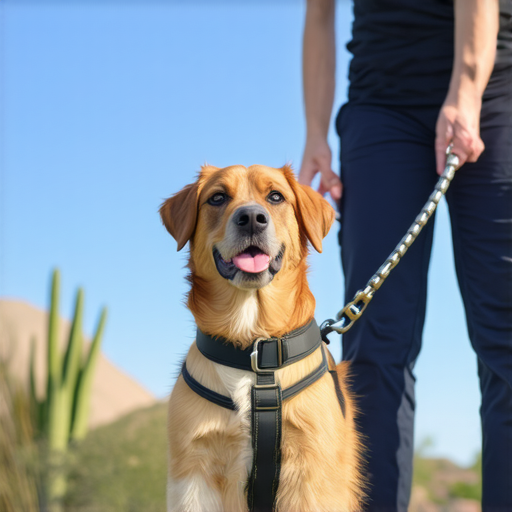

Unlocking the Secrets of Effective Service Dog Training in Arizona: A 2024 Perspective
In the vibrant and diverse landscape of Arizona, training a service dog requires a blend of expert knowledge, tailored techniques, and an understanding of local nuances. As we step into 2024, trainers and handlers alike are seeking innovative strategies to ensure their service dogs are not only well-trained but also adaptable to the unique environment of the Grand Canyon State. This article explores expert insights into achieving success in service dog training in Arizona, emphasizing practical tips, recent advancements, and critical considerations for the year ahead.
Understanding the Arizona Terrain and Climate: A Critical Foundation
Arizona’s arid climate and varied terrain—from urban settings like Phoenix to rugged mountain trails—present specific challenges and opportunities for service dog training. According to American Kennel Club’s expert advice, it’s imperative to acclimate your dog gradually to the environment to foster confidence and resilience. Training routines should incorporate exposure to different surfaces, temperatures, and distractions, ensuring your service dog can perform reliably across all scenarios.
The Role of Local Resources and Community Support
Leveraging local training centers and veteran organizations can significantly enhance the training process. For example, Veterans Inc. and similar organizations in Arizona offer specialized programs that integrate real-world scenarios, aligning with the practical needs of service dog teams. Connecting with these resources provides not only technical guidance but also emotional support, which is crucial for both handler and dog development.
Incorporating Cutting-Edge Training Techniques for 2024
Emerging training methodologies, such as positive reinforcement with innovative tools like remote clickers and scent detection exercises, are gaining popularity. As noted in recent studies published by the American Psychological Association, positive reinforcement fosters a stronger bond and reduces stress, leading to more effective training outcomes. In Arizona, integrating these techniques with outdoor training sessions ensures your service dog is prepared for real-world challenges.
What Are the Most Common Mistakes to Avoid in Service Dog Training in Arizona?
One prevalent mistake is rushing the acclimatization process, especially in a climate that varies so significantly across seasons. Trainers often underestimate the importance of gradual exposure, which can lead to anxiety or behavioral issues. Consistency, patience, and understanding of local environmental factors are key to overcoming these hurdles.
If you’re eager to enhance your service dog training journey, consider joining local workshops or online courses focused on Arizona-specific training strategies. Share your experiences or ask questions in the comments below—your insights can help others succeed!
For further expert guidance, explore detailed training programs at Robinson Dog Training, renowned for their comprehensive approach tailored to the Arizona environment.
Deepening Your Understanding of Arizona’s Unique Environment for Service Dog Success
Training a service dog in Arizona isn’t just about obedience; it’s about preparing your canine partner for the specific environmental challenges they will encounter daily. From the intense summer heat to the diverse terrain, understanding these nuances can make all the difference. For instance, incorporating heat acclimatization into your training routine can help prevent heat exhaustion or discomfort, which is especially vital given the soaring temperatures during summer months. Using shaded outdoor spaces and early morning sessions can also help your dog adapt comfortably.
Customizing Training Techniques to Local Conditions
While positive reinforcement remains a cornerstone of effective training, adapting techniques to suit the Arizona climate and terrain enhances results. For example, scent detection exercises in dusty or dry environments can improve a service dog’s ability to focus amid distractions. Moreover, training in urban settings like downtown Phoenix or scenic spots in Sedona exposes your dog to a variety of stimuli, boosting their confidence and reliability in real-world situations. Employing tools such as remote clickers or scent detection kits can elevate your training sessions, as suggested by recent studies on canine learning methods published in the American Psychological Association.
Building Long-Term Resilience and Flexibility
Resilience is crucial for service dogs, especially in a state where weather patterns can shift abruptly. Regular exposure to different environments, temperatures, and surfaces helps your dog develop the flexibility needed to perform under unpredictable circumstances. Incorporating outdoor activities like hiking in Tonto National Forest or walking on gravel paths in local parks can be beneficial. These experiences not only strengthen your dog physically but also mentally, reinforcing their ability to remain calm and focused in diverse situations.
Have You Experienced Unexpected Challenges During Arizona Service Dog Training?
Many handlers find that unexpected challenges—such as sudden heatwaves or noisy urban environments—test their training strategies. Sharing your stories can inspire others and offer practical solutions. For instance, using cooling vests or portable fans during training can help keep your dog comfortable during extreme heat. Additional resources like Robinson Dog Training offer tailored advice for navigating Arizona-specific issues, ensuring your service dog is prepared for anything.
Remember, every service dog’s journey is unique, and continuous learning is key. If you’re eager to deepen your expertise, explore local workshops or online courses focused on Arizona’s environment. Your experiences and questions might be just what another handler needs to succeed—so don’t hesitate to share your insights below!
Innovative Approaches to Service Dog Resilience in Arizona’s Extreme Climate Variability
In the evolving landscape of service dog training, particularly within Arizona’s demanding environment, adopting cutting-edge techniques that emphasize resilience and adaptability is crucial. Recent research emphasizes the importance of environmental desensitization—a process that conditions dogs to perform reliably amidst unpredictable weather patterns, urban distractions, and rugged terrains. Implementing these strategies involves a combination of specialized exposure routines and behavioral shaping, tailored to the unique challenges of the Grand Canyon State.
Advanced Conditioning: Blending Environmental Elements with Training Protocols
Effective training in Arizona demands a sophisticated understanding of the interplay between terrain, temperature, and canine psychology. One innovative method involves using multi-sensory stimulation during outdoor sessions—integrating textured surfaces, varied auditory stimuli, and scent-rich environments—to enhance a dog’s focus and adaptability. For example, training exercises might include navigating through dusty trails in Tonto National Forest while managing distractions from wildlife and natural elements, fostering a resilient mindset in your service dog.
How can we quantitatively measure a service dog’s resilience to environmental stressors?
Recent studies published in the PLOS ONE journal suggest employing physiological markers—such as heart rate variability and cortisol levels—to assess stress responses during exposure training. These metrics provide objective data that can guide incremental training stages, ensuring dogs develop the necessary coping mechanisms without risking overexposure or burnout.
Furthermore, integrating technology like wearable health monitors can provide real-time insights into a dog’s stress levels, allowing trainers to fine-tune exposure routines dynamically. This scientific approach enhances the precision of resilience-building strategies, leading to more dependable service dogs capable of handling Arizona’s environmental extremes.
Deepening the Bond: The Role of Enrichment and Mental Stimulation in High-Temperature Environments
In addition to physical acclimatization, mental stimulation plays a pivotal role in maintaining a service dog’s performance under stress. Enrichment activities such as scent work in dry, dusty conditions or complex problem-solving tasks reinforce focus and confidence. For instance, scent detection exercises in areas with loose soil or gravel, common in Arizona’s outdoor settings, train dogs to filter out distractions and hone their olfactory skills even in challenging conditions.
Research indicates that dogs exposed to varied environmental stimuli exhibit greater neural flexibility, which correlates with improved task performance and emotional resilience. Incorporating puzzle feeders, scent trails, and obedience drills into routine training sessions not only enhances mental agility but also reduces anxiety caused by environmental discomfort.
What role does handler education play in optimizing training outcomes for service dogs in desert climates?
Handler knowledge is fundamental. Advanced training programs emphasize educating handlers on recognizing signs of heat stress, dehydration, and fatigue. Resources like Arizona Game and Fish Department provide invaluable guidelines for managing high-temperature outings, including hydration protocols and cooling techniques. The synergy between skilled handler and well-conditioned dog is the cornerstone of effective service dog deployment in Arizona’s diverse environments.
If you’re committed to elevating your service dog training practices, engaging with specialized workshops or consulting with experts in environmental adaptation can provide tailored insights. Sharing your experiences or challenges with a community of like-minded trainers can foster innovative solutions and collective growth.
For those seeking authoritative expertise and latest methodologies, exploring programs at Robinson Dog Training offers a wealth of advanced strategies specifically designed for Arizona’s unique climate and terrain. Embrace these expert techniques to ensure your service dog is prepared for anything Arizona throws their way.
Harnessing Scientific Innovations to Elevate Service Dog Resilience in Arizona’s Extreme Climates
In the realm of service dog training, particularly within the demanding environments of Arizona, integrating cutting-edge scientific methodologies can dramatically enhance a canine’s resilience and performance. Recent advances in physiological monitoring, such as heart rate variability and cortisol level assessments, offer trainers precise tools to measure stress responses during environmental exposure exercises. These metrics, detailed in studies from PLOS ONE, enable a tailored approach that optimizes training intensity while safeguarding the dog’s well-being.
Innovative Conditioning Techniques: Multi-Sensory Integration for Superior Adaptability
Effective training in Arizona’s diverse terrains benefits from multi-sensory stimulation routines that prepare dogs for real-world scenarios. By incorporating textured surfaces, varied auditory stimuli, and scent-rich environments—such as dusty trails in Tonto National Forest—trainers can foster heightened focus and adaptability. These exercises build neural flexibility, which correlates directly with improved task execution amid distractions and environmental stressors.
Can Quantitative Data Drive Resilience Improvement in Service Dogs?
Absolutely. Quantitative assessments, including physiological markers and wearable health monitors like PetMap, provide real-time feedback on a dog’s stress levels and recovery rates. This data-driven approach allows trainers to calibrate exposure routines meticulously, ensuring dogs develop robust coping mechanisms without risking overexposure or burnout. Such scientific precision elevates the standard of resilience training and results in more dependable service animals.
The Role of Handler Education in Maximizing Environmental Adaptation
While advanced training techniques are vital, the role of well-informed handlers cannot be overstated. Education on recognizing early signs of heat stress, dehydration, and fatigue—drawing from resources like the Arizona Game and Fish Department—empowers handlers to act proactively. The synergy between skilled handler and conditioned dog is the foundation of success, especially in Arizona’s unpredictable climate.
Engage with Expert-Led Workshops and Tailored Training Programs
To stay ahead in service dog training, participation in specialized workshops focusing on environmental resilience can be transformative. Consulting with industry leaders like Robinson Dog Training provides access to tailored strategies that incorporate the latest scientific insights and practical applications. Sharing your challenges and successes within a community of trainers fosters collective growth and innovation.
Frequently Asked Questions (FAQ)
What are the key environmental factors to consider when training a service dog in Arizona?
Arizona’s climate and terrain require special attention, including acclimatization to extreme heat, dust, and rugged outdoor surfaces. Incorporating outdoor training in varied environments such as deserts, urban areas, and mountain trails ensures the dog’s adaptability and resilience in real-world scenarios.
How can I effectively prepare my service dog for Arizona’s temperature extremes?
Gradual heat acclimatization, using shaded areas for training, early morning or late evening sessions, and employing cooling accessories like vests or fans help prevent heat stress. Monitoring your dog’s behavior for signs of overheating is crucial for safety and effective training.
What innovative training techniques are recommended for service dogs in Arizona?
Techniques such as multi-sensory stimulation, scent work in dusty environments, and exposure to diverse textures and sounds enhance a dog’s focus and adaptability. Utilizing tools like remote clickers and scent detection kits can improve learning outcomes and build resilience against environmental distractions.
How important is handler education in optimizing service dog training in harsh climates?
Extremely important. Informed handlers can recognize early signs of heat exhaustion, dehydration, and fatigue, and employ appropriate interventions. Handler training on hydration protocols, cooling methods, and environmental management ensures safety and success during outdoor activities.
Are there scientific methods to measure a service dog’s resilience to environmental stressors?
Yes, physiological markers such as heart rate variability and cortisol levels, combined with wearable health monitors, provide objective data on stress responses. These tools help trainers tailor exposure routines, ensuring dogs develop strong coping skills without overexposure.
What resources are available for advanced training and specialization in Arizona?
Reputable organizations like Robinson Dog Training and local workshops offer specialized programs focused on environmental resilience and desert climate adaptation. Consulting with experts and participating in community training events can significantly enhance your dog’s preparedness.
How does mental stimulation contribute to a service dog’s resilience in extreme environments?
Mental enrichment activities such as scent work, puzzle solving, and obedience exercises improve focus and neural flexibility. These activities help dogs manage stress, stay engaged, and perform reliably despite environmental challenges.
What role do outdoor activities like hiking and urban exposure play in service dog training?
They provide practical experience with real-world distractions and terrains, building confidence and reliability. Regular outdoor exposure in diverse settings like parks, city streets, and trails prepares your service dog for varied daily situations in Arizona.
How can technology aid in resilience training for service dogs?
Wearable devices that monitor physiological stress markers enable real-time assessment of your dog’s stress levels. Integrating such technology helps optimize training intensity and recovery, fostering stronger resilience against environmental stressors.