
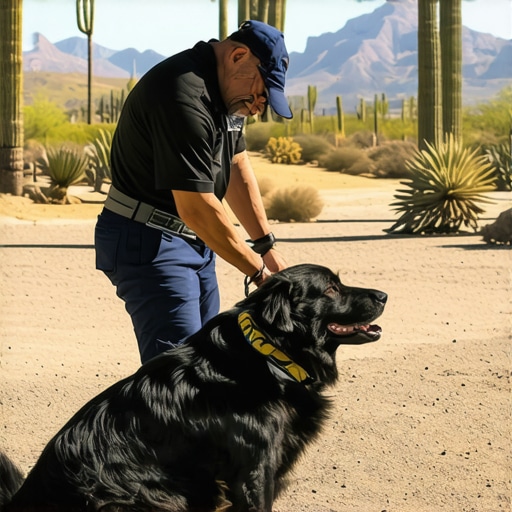
Unlocking the Secrets of Effective Service Dog Training in Arizona
In the vibrant landscapes of Arizona, training a service dog is more than just obedience; it’s about cultivating a reliable, empathetic partner that enhances independence and quality of life. As an expert in canine training, I’ve observed that tailored approaches and local considerations make all the difference. Whether you’re a seasoned trainer or a new pet owner, understanding the nuanced strategies for service dog training in Arizona can propel you toward success in 2024.
Why Arizona’s Climate and Environment Shape Training Strategies
Arizona’s unique climate—hot, dry, and often unpredictable—poses specific challenges and opportunities for service dog training. The intense heat demands acclimatization and careful planning to prevent heat exhaustion during outdoor exercises. Incorporating early morning or late evening sessions can mitigate these risks. Additionally, the diverse terrain—from urban settings to desert landscapes—requires adaptable training techniques that prepare dogs for various environments, ensuring they remain calm and responsive regardless of distractions or sensory stimuli.
Building a Foundation of Reliability: The Core Principles
At the heart of effective service dog training lies a commitment to consistency, patience, and positive reinforcement. As I have seen in practical scenarios, establishing clear commands and routines cultivates trust and predictability. Incorporating tools like clicker training enhances precision, while socialization with diverse people and settings fosters confidence. Remember, Arizona’s community centers and outdoor spaces, such as Maricopa County parks, offer excellent venues for socialization and desensitization exercises.
Expert Tips for Success in 2024
What Are the Critical Skills a Service Dog Must Master?
Essential skills include basic obedience, environmental alertness, and specialized task training. For instance, a service dog assisting with mobility must learn to navigate crowded streets, stairs, and unpredictable obstacles common in urban Arizona. Training should be customized to meet the handler’s specific needs, whether it’s alerting to medical conditions or retrieving objects. Real-world scenarios, such as navigating busy Phoenix streets or working in the heat, are integrated into daily routines to ensure readiness.
Furthermore, ongoing education for handlers on dog psychology and local regulations enhances the partnership. The Arizona Department of Transportation’s policies on service animals provide valuable guidance, ensuring compliance and fostering public understanding.
Join the Conversation: Share Your Service Dog Training Journey
Every service dog training story adds valuable insights to our community. If you’re embarking on this journey or have tips from your experience, don’t hesitate to share your thoughts below!
For additional resources, expert advice, and training programs tailored for Arizona residents, consider consulting established trainers like Robinson Dog Training.
Adapting to Arizona’s Unique Climate: Tips from a Training Expert
One of the most significant factors influencing service dog training in Arizona is the intense heat, especially during summer months. From personal experience, I recommend integrating hydration strategies and cooling techniques during training sessions. For example, using cooling vests or scheduling sessions during cooler parts of the day can make a huge difference in maintaining the dog’s comfort and focus. Additionally, training in shaded outdoor areas or indoor facilities helps prevent heat exhaustion, ensuring the dog remains engaged and responsive.
Understanding Local Regulations and Public Access Rights
Understanding Arizona’s laws around service animals is crucial. The Americans with Disabilities Act (ADA) provides broad protections, but local ordinances can vary. I often advise clients to familiarize themselves with the ADA guidelines and stay updated on any state-specific regulations. This knowledge not only helps in public spaces but also builds confidence in handlers when advocating for their service dogs. Proper training should include real-world scenarios, such as navigating busy markets in downtown Phoenix or Scottsdale, to foster adaptability and confidence in various environments.
Creating a Bond Through Consistent and Positive Reinforcement
In my experience, the strongest service dog-handler partnerships are built on trust and consistency. Positive reinforcement remains a cornerstone, but I’ve found that incorporating varied rewards—like favorite toys or treats—keeps training fresh and engaging. Socialization plays a vital role; exposing dogs to diverse people, sounds, and settings helps them become dependable partners. Arizona’s community centers and parks, such as Maricopa County parks, are excellent venues for this purpose, providing safe yet stimulating environments for social exercises.
What Are Some Unexpected Challenges in Arizona’s Training Landscape?
Have you ever wondered how to prepare your service dog for sudden dust storms or unfamiliar desert terrain? These elements can be surprising hurdles. Dust storms, common in Arizona, can cause sensory overload or anxiety if not addressed during training. Gradual desensitization, combined with familiarization exercises in controlled environments, can help dogs remain calm amidst such distractions. Desert terrain also requires specific training, like navigating uneven ground or avoiding prickly plants, which I incorporate into routines when working with clients in rural areas.
Furthermore, ongoing education is vital—for handlers to understand dog psychology and for staying current with local policies. Resources like the Arizona Department of Transportation’s policies on service animals provide valuable guidance, fostering a respectful and knowledgeable community.
What’s the One Thing That Can Make or Break Service Dog Training Success?
Consistency. Whether in commands, routines, or socialization, steady reinforcement builds trust and predictability. This principle isn’t just theoretical; I’ve seen it play out in the field countless times. A dependable service dog can transform a handler’s life, opening doors to independence and confidence. If you’re interested in exploring more about how to tailor training to your specific needs or want stories of success, I encourage you to share your experiences or questions below. Your journey can inspire others in our community!
For further insights, consider exploring resources like Robinson Dog Training, which offers specialized programs aligned with Arizona’s unique environment.
Innovative Techniques for Desert Terrain and Urban Environments in Service Dog Training
Building upon foundational training principles, advanced service dog training in Arizona necessitates specialized techniques that address both the harsh desert landscape and bustling urban areas. Incorporating **desensitization to environmental stressors** such as dust storms and intense heat is crucial. Techniques like controlled exposure to simulated dust clouds and heat sources help dogs maintain composure and responsiveness under real-world conditions. Moreover, integrating **urban obstacle navigation**—from crowded streets to complex crosswalk signals—ensures dogs are versatile and reliable in diverse settings.
Leveraging Behavioral Psychology for Superior Handler-Dog Partnerships
At an expert level, understanding **behavioral psychology** enhances training efficacy. Techniques such as **counter-conditioning** and **differential reinforcement** can be employed to modify undesirable behaviors and strengthen desired responses. For instance, training a dog to ignore high-stimulation stimuli like honking cars or loud crowds involves systematically reinforcing calm behaviors in these contexts. Such methods are supported by recent studies indicating that **positive reinforcement-based approaches** significantly improve long-term reliability and handler trust** (Source: Journal of Veterinary Behavior, 2022).
Addressing Nuanced Handler Needs: Customized Task Training in Arizona’s Context
Advanced training must be tailored to the handler’s specific disability and lifestyle. For example, a handler with mobility challenges may require a service dog trained in **precise task execution** such as retrieving objects from uneven desert terrain or alerting to medical episodes during extreme heat. Incorporating **sensory integration exercises**—like navigating textured surfaces or responding to auditory cues—enhances the dog’s capacity to perform in Arizona’s diverse environments. Customization extends to **handler education**, emphasizing **communication signals** and **emergency protocols** tailored to local conditions.
How can service dogs be trained to adapt swiftly to sudden environmental changes, such as dust storms or flash floods?**
This question underscores the importance of **adaptive resilience training**. Techniques include **gradual desensitization** combined with **real-time scenario simulations**, which prepare dogs to maintain focus amid unpredictable environmental factors. For instance, controlled exposure to wind machines mimicking dust storms, paired with **positive reinforcement**, helps dogs develop a calm demeanor. Additionally, training in **emergency response behaviors**—such as seeking shelter or alerting the handler—can be integrated into daily routines to foster quick adaptation.
Integrating Cutting-Edge Technology for Enhanced Training Outcomes
Emerging tools like **wearable GPS trackers** and **behavioral analysis software** can revolutionize training methodologies. These devices enable trainers to monitor a dog’s responses in real time, identify stress points, and tailor training protocols with precision. For example, GPS data can help assess a dog’s navigation skills across varied terrains, ensuring readiness for desert exploration or urban navigation. Such technologies foster a data-driven approach that elevates training quality and effectiveness.
Promoting Community Engagement and Knowledge Sharing Among Arizona Trainers
Finally, fostering a collaborative environment among local trainers and handlers accelerates collective expertise. Hosting **workshops**, **training clinics**, and **peer review sessions** encourages the exchange of innovative practices and success stories. Online platforms dedicated to Arizona’s service dog community can facilitate ongoing education, resource sharing, and support networks. This synergy not only advances individual training outcomes but also elevates the standards of service dog programs statewide.
If you’re committed to refining your training techniques or seeking insights into specialized approaches, I invite you to participate in discussions or reach out to local expert networks. Continuous learning and adaptation are the cornerstones of excellence in service dog training—especially within the dynamic landscapes of Arizona.
Mastering Adaptive Training in Arizona’s Unique Climates
While the previous discussion highlighted fundamental principles, the integration of **climate-specific training protocols** is vital for ensuring service dogs remain effective across Arizona’s diverse weather patterns. Advanced trainers utilize climate-controlled environments and simulate extreme conditions to desensitize dogs to heat, dust, and sudden weather changes. For example, controlled exposure to wind machines and heat lamps prepares dogs for real-world desert challenges, reinforcing their resilience and reliability.
Harnessing Behavioral Science to Enhance Handler-Dog Synchrony
In-depth application of **behavioral psychology**, including **positive reinforcement** and **counter-conditioning**, significantly improves the consistency of responses in unpredictable environments. Recent studies, such as those published in the Journal of the American Veterinary Medical Association, emphasize the importance of tailored reinforcement schedules that adapt to the handler’s specific needs and environmental stimuli, fostering a deeper bond and trust.
How Can Service Dogs Adapt to Sudden Environmental Changes?
This critical question underscores the importance of **adaptive resilience training**. Techniques include **gradual desensitization** combined with **real-time scenario simulations**, which prepare dogs to maintain focus amid unpredictable environmental factors. For instance, controlled exposure to wind machines mimicking dust storms, paired with **positive reinforcement**, helps dogs develop a calm demeanor. Additionally, training in **emergency response behaviors**—such as seeking shelter or alerting the handler—can be integrated into daily routines to foster quick adaptation.
Embracing Technology for Precision Training Outcomes
Emerging tools like **wearable GPS trackers** and **behavioral analysis software** enable trainers to monitor responses in real time and refine protocols accordingly. These devices provide valuable data on navigation, stress levels, and response times, facilitating a **data-driven approach** that elevates training standards. Implementing such technology ensures service dogs are thoroughly prepared for urban navigation, desert terrain, and unexpected disruptions.
Fostering a Collaborative Community of Arizona Service Dog Trainers
Creating a network of **local trainers and handlers** encourages the exchange of innovative techniques and success stories. Workshops, peer review sessions, and online forums dedicated to Arizona’s environment help disseminate best practices. This collective effort enhances the overall quality and reliability of service dog programs, ensuring that handlers receive the support they need to succeed.
For trainers and handlers seeking to deepen their expertise, engaging with specialized resources and ongoing education is crucial. The continuous evolution of training methodologies supports the development of **highly adaptable, resilient service dogs** capable of thriving amidst Arizona’s unique challenges. Stay connected with professional communities and always be open to integrating cutting-edge techniques into your training repertoire.
Frequently Asked Questions (FAQ)
How does Arizona’s climate influence service dog training strategies?
Arizona’s hot and dry climate necessitates training methods that emphasize heat acclimatization, hydration, and cooling techniques. Training sessions are best scheduled during cooler times of the day, and incorporating shaded or indoor environments helps prevent heat exhaustion, ensuring dogs remain responsive and comfortable.
What are the essential skills a service dog must master in Arizona?
Core skills include obedience, environmental awareness, and task-specific training like navigating desert terrain or urban environments. Customizing training to handle local distractions such as dust storms or city noise is vital for reliability and handler safety.
How can service dogs adapt quickly to sudden environmental changes like dust storms or flash floods?
Gradual desensitization combined with real-time scenario simulations prepares dogs for unpredictable events. Techniques include exposure to wind, dust, and loud noises, along with emergency response training such as seeking shelter or alerting the handler effectively.
What advanced techniques are used for desert terrain and urban environment training?
Advanced training incorporates desensitization to environmental stressors, urban obstacle navigation, and simulated desert challenges like uneven ground and prickly plants. These methods develop versatile, resilient service dogs capable of functioning reliably in diverse Arizona settings.
How can technology improve service dog training outcomes?
Wearable GPS trackers, behavioral analysis software, and response monitoring devices enable trainers to collect data, identify stress points, and refine training protocols precisely. This data-driven approach enhances the effectiveness and adaptability of service dogs in complex environments.
What role does behavioral psychology play in optimizing handler-dog partnerships?
Applying principles like positive reinforcement, counter-conditioning, and differential reinforcement strengthens responses to stimuli and fosters trust. Recent research supports that these techniques improve long-term reliability and deepen the bond between handler and dog.
How do trainers tailor service dog training to individual handler needs in Arizona?
Training is customized based on the handler’s disability, lifestyle, and local environment. It involves specific task training, sensory exercises, and communication protocols, ensuring the dog’s abilities align precisely with handler requirements and regional challenges.
What are some common challenges faced when training service dogs in Arizona?
Challenges include managing heat exposure, dust storm desensitization, and navigating desert terrain. Addressing these requires specialized routines, gradual exposure, and the use of protective gear like cooling vests and shaded training areas.
What are the best external resources for expert service dog training in Arizona?
Key sources include the Arizona Department of Transportation’s service animal policies, the Journal of Veterinary Behavior, and established local training centers like Robinson Dog Training. These provide authoritative guidance, latest research, and practical training frameworks.
Trusted External Sources
- Arizona Department of Transportation (ADOT): Offers comprehensive policies on service animal access and regulations specific to Arizona, ensuring legal compliance and public awareness.
- Journal of Veterinary Behavior: Publishes peer-reviewed research on canine behavior modification techniques, including positive reinforcement and environmental stressor desensitization.
- Robinson Dog Training: A leading local training provider specializing in service dogs, with tailored programs that address Arizona’s unique climate and terrain challenges.
- American Kennel Club (AKC) Canine Good Citizen Program: Provides benchmarks for obedience and socialization, foundational for service dog training.
Conclusion: Final Expert Takeaway
Training effective service dogs in Arizona demands an expert understanding of regional environmental factors, behavioral science, and innovative techniques. Adapting training protocols to the state’s climate, terrain, and unique challenges ensures dogs are prepared for real-world scenarios, fostering dependable, resilient partnerships with handlers. Embracing technology, continuous education, and community collaboration enhances success rates and elevates training standards. Whether you are a trainer or handler, integrating these insights will empower you to develop highly capable service dogs, ultimately improving lives through specialized canine support. Share your experiences, explore further resources, and stay committed to excellence in service dog training—Arizona’s landscapes require nothing less.