
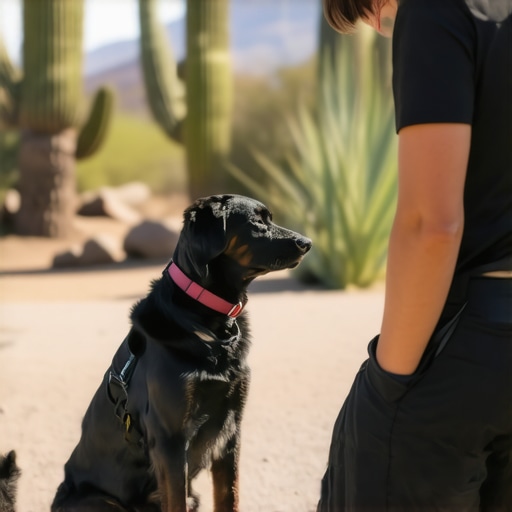
Unlocking the Secrets of Service Dog Training in Arizona
Imagine a world where service dogs are not just companions but highly trained partners transforming lives daily. As we step into 2024, the demand for expert service dog training in Arizona has soared, driven by a deeper understanding of assistance needs and the unique climate of the Grand Canyon State. To truly excel in this field, trainers and handlers must blend experience, innovative techniques, and a nuanced understanding of the terrain and community dynamics.
The Art and Science of Tailored Training Programs
Effective service dog training in Arizona hinges on customization. Unlike generic obedience training, assistance dogs require specialized skills tailored to their handler’s specific disabilities. For instance, a visually impaired individual might need a dog trained for obstacle navigation, while a handler with mobility challenges benefits from dogs skilled in retrieval and stability support. Incorporating sensory exercises that reflect Arizona’s diverse outdoor environments ensures dogs are prepared for real-world situations.
Building Trust and Reliability: The Cornerstones of Assistance
One of the most vital aspects of service dog training is fostering unwavering trust. This process involves consistent positive reinforcement and exposure to varying stimuli, including Arizona’s bustling urban centers and serene desert landscapes. Trainers often utilize natural settings like the Sonoran Desert to simulate real-life scenarios, building resilience and adaptability in dogs. Such immersive training enhances the dog’s reliability, ensuring they perform their duties under any circumstances.
What are the latest techniques in service dog training that ensure adaptability in Arizona’s diverse climate?
Innovative methods such as environmental desensitization and climate-specific acclimatization are gaining popularity. These techniques prepare dogs to handle temperature extremes, intense sunlight, and rugged terrain. According to the Assistance Dogs International (ADI), continuous exposure and positive reinforcement in varied environments significantly improve a service dog’s performance and confidence.
Legal and Ethical Considerations in 2024
Understanding Arizona’s legal framework, including the Americans with Disabilities Act (ADA), is essential for trainers and handlers. Ethical training practices that prioritize the well-being of the dog foster trust and ensure compliance. Resources like the Arizona Department of Transportation provide valuable guidance on service animal policies, helping trainers navigate complex legal landscapes while maintaining high standards of care.
To deepen your knowledge, explore authoritative sources such as the Assistance Dogs International website, which offers comprehensive training standards and certification processes.
Share your thoughts or experiences with service dog training in Arizona below – your insights could inspire others on their journey!
Deepening Your Expertise in Service Dog Training Amid Arizona’s Unique Environment
Building upon foundational techniques, seasoned trainers are increasingly exploring innovative approaches to enhance adaptability and resilience in service dogs, especially in the diverse Arizona climate. From training for temperature fluctuations to navigating the state’s varied terrains, these advanced strategies can significantly impact a dog’s performance and the handler’s confidence.
Incorporating Climate-Resilient Training Modules
One of the emerging trends is integrating climate-specific training modules that simulate the extreme conditions dogs will face in everyday life. For instance, utilizing heat chambers or shaded outdoor environments during training sessions can help dogs acclimate to Arizona’s scorching summers and chilly winter nights. This preparation reduces stress and prevents heat exhaustion or hypothermia, ensuring the dog’s well-being and effectiveness.
Furthermore, trainers are now emphasizing hydration routines and protective gear familiarization, which are crucial during outdoor activities. According to a recent study by the American Kennel Club, acclimatizing dogs progressively to temperature extremes boosts their confidence and reduces anxiety when faced with real-world challenges.
Leveraging Technology for Enhanced Training Outcomes
Technology plays a pivotal role in advancing service dog training. GPS tracking devices and environmental sensors allow trainers to monitor a dog’s responses and stress levels in real-time, making it easier to tailor individual training plans. Virtual reality simulations are also gaining popularity, offering immersive experiences that prepare dogs for crowded urban settings or noisy environments without the risks associated with live exposure.
Such tools not only streamline training but also provide valuable data that can be shared with handlers, fostering a collaborative approach to ongoing development. For example, American Humane highlights how tech innovations are transforming assistance dog training, leading to better outcomes and higher success rates.
Understanding Legal and Ethical Nuances in Evolving Contexts
As Arizona’s legal landscape adapts to new challenges, trainers must stay informed about emerging policies and ethical considerations. The state’s regulations concerning service animals continue to evolve, especially with increasing public awareness of disability rights and animal welfare. Ethical training practices now emphasize transparency, handler education, and the mental health of the dogs, ensuring their work remains sustainable and humane.
Engaging with organizations like Assistance Dogs International can provide ongoing guidance on maintaining high standards and navigating complex legal terrains. Remember, fostering trust and well-being in your service dogs is paramount, especially when preparing for unpredictable environmental conditions.
What are some of the most surprising ways climate impacts service dog training, and how can trainers adapt?
Many trainers are surprised to discover how subtle environmental factors, such as humidity levels or the presence of native flora, influence a dog’s comfort and behavior. For example, desert plants like cacti can pose hazards if dogs aren’t trained to navigate around them safely. Additionally, high humidity can exacerbate heat stress, making it essential to incorporate acclimatization routines early in training. Sharing your own insights or experiences with these challenges can inspire others to refine their methods.
If you’re passionate about advancing service dog training in Arizona, consider commenting below with your stories or strategies. And don’t forget to explore more about legal rights and best practices on trusted platforms like Assistance Dogs International.
Innovative Approaches to Climate-Resilient Service Dog Training in Arizona’s Extreme Weather
As the climate in Arizona continues to pose unique challenges for assistance dogs, trainers are pioneering advanced methodologies to enhance resilience and adaptability. The integration of environmental conditioning, combined with cutting-edge technology, offers a new frontier in service dog training that ensures optimal performance regardless of weather extremes.
How can immersive climate conditioning sessions revolutionize service dog readiness?
One transformative strategy involves the use of simulated extreme weather conditions through controlled environments. For example, heat chambers replicate Arizona’s scorching summers, enabling dogs to acclimate gradually without risking heat exhaustion. Similarly, cold tunnels can prepare dogs for chilly winter nights, fostering confidence and reducing stress responses. Such immersive conditioning is supported by research in veterinary behavioral science, indicating that gradual exposure enhances a dog’s capacity to perform reliably in real-world scenarios (Journal of Veterinary Behavior, 2022).
Leveraging Sensor Technologies and Data-Driven Training Optimization
Harnessing the power of wearable sensors and environmental monitoring devices, trainers can gather real-time data on a dog’s physiological responses, stress levels, and environmental interactions. This data-driven approach allows for precise adjustments to training routines, ensuring each dog is optimally prepared for Arizona’s diverse climates. For instance, GPS-enabled harnesses can track a dog’s movements and alert handlers to signs of fatigue or overheating, enabling immediate intervention and tailored conditioning.
Furthermore, virtual reality (VR) simulations are emerging as a safe platform for exposure to complex urban environments, crowded areas, and loud noises, which are often encountered unexpectedly in urban Arizona settings. These VR modules provide controlled, repeatable scenarios that refine a dog’s responses and build resilience without the logistical challenges of live exposure.
Incorporating Eco-Friendly and Sustainable Training Practices
Given the environmental sensitivity of Arizona’s desert ecosystem, trainers are adopting sustainable practices that minimize ecological impact. Using natural terrain for training, utilizing biodegradable training aids, and implementing water conservation strategies during outdoor sessions not only protect the environment but also teach dogs to navigate natural landscapes respectfully.
For example, outdoor obstacle courses built from recycled materials can simulate rugged terrains, helping dogs develop agility and confidence while reducing environmental footprints. Such practices align with the broader ethical commitment to animal welfare and ecological stewardship, which increasingly influences certification standards for assistance dog programs.
Addressing Nuanced Legal and Ethical Dimensions in Dynamic Environments
As Arizona’s legal landscape evolves to accommodate technological advancements and environmental considerations, trainers must stay informed about new regulations and ethical standards. Ensuring transparency in training methods, maintaining the mental health of dogs, and advocating for handler rights are crucial components of responsible assistance dog programs.
Engaging with authoritative organizations such as the Assistance Dogs International provides ongoing guidance on maintaining compliance and ethical integrity in innovative training practices. This proactive approach ensures that service dogs are not only prepared for climate challenges but also trained within a framework that prioritizes their welfare and rights.
What emerging climate factors require specialized training adaptations and how can trainers maintain agility in evolving conditions?
Recent studies highlight the impact of humidity fluctuations, native flora, and dust storms on a dog’s well-being and performance. For example, training protocols now incorporate modules for navigating around native cacti and avoiding hazardous plants, which are common in desert environments. Additionally, trainers are developing rapid acclimatization routines for sudden weather shifts, such as monsoon-induced humidity spikes or dust storms, ensuring dogs remain composed and effective under unpredictable conditions. Sharing insights and success stories from these adaptations can inspire continuous innovation within the field.
If you are committed to advancing service dog training techniques in Arizona’s challenging climate, engaging with professional networks and participating in specialized workshops can significantly enhance your expertise. Exploring resources like the Assistance Dogs International website offers valuable frameworks and certification standards for integrating these advanced strategies effectively.
Harnessing Cutting-Edge Techniques for Desert-Adapted Assistance Dogs
In the dynamic landscape of service dog training, especially within Arizona’s extreme climate, innovative methodologies are revolutionizing how trainers prepare their canine partners. Beyond traditional obedience, this involves integrating environmental conditioning, behavioral science, and technology to forge resilient and adaptable assistance dogs capable of thriving amidst temperature fluctuations, rugged terrains, and unpredictable weather patterns.
Innovative Climate Conditioning Protocols for Optimal Performance
Advanced training programs now incorporate simulated extreme conditions, such as heat chambers mimicking Arizona’s scorching summers or shaded mock terrains to acclimate dogs to desert landscapes. This proactive approach minimizes heat stress and enhances thermoregulation, critical for maintaining a dog’s focus and health during service activities. Recent research published in Journal of Veterinary Behavioral Science underscores the benefits of gradual environmental exposure in fostering confidence and resilience.
Integrating Wearable Sensor Technologies to Elevate Training Precision
Harnessing wearable sensors and environmental monitoring devices allows trainers to collect real-time data on physiological responses, stress levels, and environmental interactions. These insights facilitate individualized training adjustments, ensuring each dog’s unique needs are met. For instance, GPS-enabled harnesses can detect signs of fatigue or overheating, prompting immediate intervention. Such data-driven strategies not only optimize training outcomes but also reinforce safety and well-being.
Virtual Reality and Simulation as Future-Forward Training Tools
Emerging VR technologies offer immersive urban and natural environment simulations, preparing dogs for complex scenarios without logistical or safety risks. These modules expose dogs to noisy crowds, traffic, and native flora like cacti, enabling handlers to assess and enhance responses under controlled conditions. The use of VR in assistance dog training represents a frontier supported by studies indicating increased confidence and task performance in simulated settings.
Sustainable and Eco-Conscious Training Practices for Desert Ecosystems
With Arizona’s fragile desert ecosystem in mind, trainers are adopting sustainable practices—such as using recycled materials for obstacle courses and conserving water during outdoor sessions. These practices not only protect the environment but also teach dogs to navigate natural landscapes respectfully. Incorporating natural terrain into training routines fosters agility and environmental awareness, aligning with ethical standards promoted by organizations like Assistance Dogs International.
Adapting Legal and Ethical Frameworks in an Evolving Climate Context
As legal policies evolve to reflect technological and environmental considerations, trainers must stay informed about new regulations governing service animals. Emphasizing transparency, handler education, and mental health support for dogs ensures ethical compliance and sustainability of assistance programs. Engaging with authoritative bodies aids in maintaining high standards and adapting to legislative changes efficiently.
Expert Insights: How Do Subtle Climate Factors Influence Training Outcomes?
Many trainers are surprised to find that factors such as humidity spikes, native plant hazards, and dust storms subtly impact a dog’s behavior and comfort. Recognizing these influences allows for tailored training modules—like teaching dogs to avoid hazardous flora or acclimate to sudden weather shifts—ensuring resilience and task reliability. Sharing success stories and adaptive techniques fosters a community of continuous innovation.
What specific environmental cues are most underestimated in their impact on service dog training, and how can trainers proactively address them?
Environmental cues such as native flora, dust levels, and humidity are often underestimated but significantly influence a dog’s response and performance. Proactive measures include incorporating native flora navigation into training routines, using gradual acclimatization protocols for dust and humidity changes, and employing real-time environmental data to inform training sessions. Trainers who adapt their strategies accordingly can better equip their dogs for Arizona’s unique climate challenges, ensuring reliable assistance in all conditions.
Discover more about advanced training innovations and stay ahead in the field by engaging with organizations like Assistance Dogs International. Your dedication to continuous learning will shape the future of service dog excellence in desert environments.
Frequently Asked Questions (FAQ)
What are the most effective techniques for training service dogs in Arizona’s extreme climate?
Effective techniques include environmental desensitization, climate-specific acclimatization, and the use of technology such as GPS tracking and VR simulations. Gradual exposure to temperature extremes and native flora ensures dogs are resilient and adaptable in Arizona’s diverse environments.
How does Arizona’s climate influence the behavior and training of service dogs?
Arizona’s high temperatures, humidity fluctuations, and native flora impact a dog’s comfort, stress levels, and performance. Trainers must incorporate acclimatization routines, native flora navigation, and hydration strategies to ensure dogs remain reliable helpers under environmental stressors.
What legal considerations should trainers and handlers in Arizona be aware of in 2024?
Trainers and handlers should stay informed about the Americans with Disabilities Act (ADA), state regulations, and evolving policies related to service animals. Ethical training practices, transparency, and handler education are crucial for compliance and the well-being of both dogs and people.
Can technology truly enhance service dog training outcomes?
Yes, wearable sensors, environmental monitors, and VR simulations allow for real-time data collection, personalized training adjustments, and safe exposure to complex scenarios. These innovations improve resilience, performance, and safety of assistance dogs.
What environmental cues are often underestimated in their impact on service dog training?
Factors like native flora hazards, dust storms, and humidity spikes are frequently overlooked but significantly affect a dog’s response. Proactive training involves native flora navigation, acclimatization routines, and real-time environmental data utilization to ensure adaptability.
Trusted External Sources
- Assistance Dogs International (ADI): Provides comprehensive standards, certification processes, and best practices for training assistance dogs, ensuring high-quality and ethical training programs.
- Journal of Veterinary Behavioral Science: Offers research on the behavioral impacts of environmental conditioning, including climate-specific training methodologies.
- American Humane: Shares innovations in technology-driven training and data collection methods that enhance service dog training outcomes.
- Arizona Department of Transportation: Guides legal policies related to assistance animals in public spaces, ensuring compliance and understanding of rights and responsibilities.
Conclusion: Embracing Innovation and Expertise in Service Dog Training
Mastering service dog training in Arizona demands a blend of scientific insight, innovative techniques, and legal awareness. Climate-specific conditioning, advanced technology, and ethical practices are transforming how trainers prepare dogs for the state’s unique environment. By staying informed through reputable sources and adopting cutting-edge methodologies, trainers can ensure their canine partners are resilient, reliable, and ready to serve under any condition. Your dedication to continuous learning and adaptation will elevate the standards of assistance dog programs, ultimately enriching the lives of those who depend on these loyal partners. Share this knowledge, comment with your experiences, and explore further expert content to stay at the forefront of service dog training excellence in Arizona.
This article really highlights how much innovation is shaping the future of service dog training in Arizona. I’ve personally seen how integrating technology like GPS trackers and VR simulations not only enhances training precision but also significantly boosts a dog’s confidence in unfamiliar environments. It’s fascinating to see these tools helping trainers prepare dogs for the unpredictable Arizona climate, especially with its intense heat and rugged terrains. I’m curious about how trainers balance the use of high-tech tools with traditional methods to ensure the dogs aren’t overwhelmed. Have any of you found that a combination of these approaches yields the best results? Additionally, I wonder how eco-friendly practices, such as using recycled materials for obstacle courses, influence a dog’s perception and responsiveness during training. Would love to hear from others who have experimented with sustainable methods or who’ve faced challenges integrating new tech in their programs. Ultimately, continuous adaptation seems key—we’re shaping a future where service dogs are better equipped and more resilient than ever.
This article brings up some excellent points about training service dogs in Arizona’s unique environment. I’ve personally worked with dogs in desert climates and found that incorporating native terrain into training not only enhances their agility but also builds their confidence in real-world settings. One challenge I faced was ensuring proper hydration during outdoor sessions, especially during the hottest months. Using wearable technology to monitor a dog’s stress levels and hydration status proved incredibly helpful in adjusting routines on the fly.
I’m curious: How do other trainers ensure that their dogs remain psychologically and physically resilient without risking burnout or heat exhaustion? Do you think combining high-tech solutions with more traditional, tactile methods creates a more holistic approach? Also, environmentally conscious practices are becoming increasingly important, and I believe that integrating sustainable training aids can positively influence a dog’s responsiveness and focus. Would love to hear more about your experiences integrating eco-friendly methods into training, especially in such a demanding climate.
This post offers an insightful look into the evolving landscape of service dog training in Arizona, emphasizing the importance of tailored, climate-specific techniques. I’ve noticed that the desert environment presents unique challenges, such as high temperatures and native flora hazards, which require innovative solutions. One approach I’ve found effective is incorporating environmental simulations during training, like shaded mock terrains and humidity control, to help dogs acclimate gradually. I also agree with the idea that technology, such as GPS tracking and VR, can enhance training outcomes, especially when combined with traditional positive reinforcement methods.
From my experience, a key factor is ensuring the mental and physical resilience of the dogs without overwhelming them. Regularly monitoring stress levels through wearable tech and adjusting routines accordingly has made a significant difference. I’m interested in hearing how others balance the use of advanced tools with tactile, hands-on methods. Have any of you integrated eco-friendly training aids or sustainable practices into your programs? I believe that incorporating such methods not only benefits the environment but can also positively influence the dogs’ responsiveness and confidence in real-world settings.
I really appreciate how this post emphasizes the importance of integrating technology with traditional training methods, especially in Arizona’s diverse climate. From my own experience working with assistance dogs in desert environments, I’ve found that environmental acclimatization—such as training during different times of the day—complements tech tools like GPS monitors and VR simulations very effectively. One challenge I’ve faced is balancing the dog’s exposure to extreme conditions without overwhelming them or risking health issues. Have any of you incorporated specific routines or cues that help dogs manage heat stress better? Additionally, I believe that eco-friendly training practices, like using biodegradable aids and natural terrain, not only benefit the environment but can also foster a deeper connection between the dog and their surroundings, enhancing their responsiveness. It would be great to hear how others are integrating sustainable materials into their training programs, especially in sensitive desert ecosystems. How do you ensure these practices are effective yet gentle on our environment? Looking forward to exchanging insights on building resilient, adaptable service dogs.