
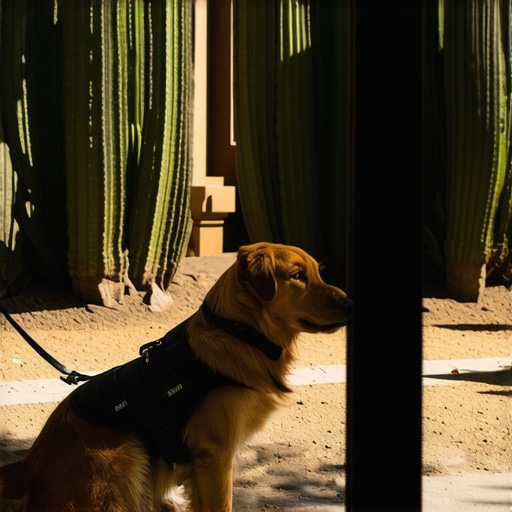
The Truth About Service Dog Training in Arizona
Training a service dog is a task that requires precision, patience, and a deep understanding of both canine behavior and the specific needs of the handler. For residents of Arizona, where the climate and terrain pose unique challenges, mastering effective training techniques becomes even more essential. Whether you’re a new handler or an experienced trainer, knowing what works—and what doesn’t—can make all the difference in developing a reliable service dog.
Understanding the Basics of Service Dog Training
At its core, service dog training involves teaching dogs to perform specific tasks that assist individuals with disabilities. This includes everything from guiding the visually impaired to alerting those with medical conditions. The process begins with foundational obedience training, which ensures the dog responds reliably to commands like sit, stay, and come. From there, trainers focus on specialized skills tailored to the handler’s needs.
Arizona’s environment adds a layer of complexity. Hot temperatures, rugged outdoor terrain, and local wildlife require handlers to adapt their training routines. For example, teaching your dog to remain calm in crowded public spaces or to avoid distractions like desert flora and fauna can be critical for effective service work.
Why Is Consistency Key in Service Dog Training?
Consistency is the backbone of successful service dog training. Dogs learn best when they receive clear, uniform cues from their handlers and trainers. Inconsistent commands or mixed signals can confuse dogs, leading to unreliable behavior. For Arizona handlers, establishing a routine that accounts for outdoor conditions—such as training during cooler parts of the day—helps reinforce learning while keeping the dog comfortable.
What Are the First Steps to Training a Service Dog in Arizona?
Start with socialization. Expose your dog to various environments, sounds, and sights typical of Arizona, including busy city streets, hiking trails, and outdoor markets. This builds confidence and adaptability. Next, focus on obedience training in controlled settings. Use positive reinforcement techniques to encourage good behavior and build a strong bond.
For visual guidance, check out this helpful map of local training centers that specialize in service dog programs in Arizona:
Utilizing these local resources not only provides access to expert trainers but also fosters a support network among Arizona handlers, sharing experiences and tips suited to the state’s environment. Additionally, many of these centers provide ongoing training and refresher courses, essential for maintaining a service dog’s skills over time.
Pro Tips for Success in Service Dog Training in Arizona
- Start early with socialization: Expose your dog gradually to various Arizona environments to build confidence and reduce anxiety.
- Use positive reinforcement: Reward good behavior consistently to reinforce learning and strengthen your bond.
- Train during optimal weather: Avoid training during peak heat hours to ensure your dog’s comfort and safety.
- Incorporate real-world scenarios: Practice in environments similar to where the dog will perform daily, such as busy streets or outdoor trails.
- Connect with local trainers: Leverage Arizona-based training centers for tailored programs and community support.
By understanding the environmental demands and utilizing local resources, handlers can effectively train reliable, adaptable service dogs capable of supporting their unique needs across Arizona’s diverse landscapes. Remember, patience and consistency are key to turning training routines into lasting skills that will serve well in everyday life.
Mastering Advanced Service Dog Training in Arizona
While foundational training lays the groundwork, advanced techniques require a nuanced understanding of canine psychology and environmental adaptation. In Arizona, this means integrating specific strategies to enhance a service dog’s reliability across diverse terrains and climatic conditions.
Nuanced Training Strategies for the Arizona Environment
Incorporate real-world scenarios by simulating the dog’s daily routines. For example, practice navigation on rocky trails or crowded urban settings during different times of the day to expose your dog to varying distractions. Use desensitization techniques to help the dog ignore loud noises like fireworks or construction, which are common in some Arizona areas. Advanced training also involves teaching dogs to perform complex tasks, such as retrieving specific items in cluttered environments or alerting to subtle medical cues, tailored to individual needs.
Addressing Common Misconceptions in Service Dog Training
One widespread misconception is that a dog trained in a controlled environment will seamlessly perform in all settings. Reality: dogs need exposure and reinforcement in varied contexts to generalize skills. Another myth is that older dogs cannot be trained; with patience and proper techniques, dogs of any age can learn new skills. Recognizing and dispelling these myths ensures more effective training outcomes.
How-To: Implementing Advanced Training Routines
- Gradual Environment Exposure: Progressively introduce your dog to more complex environments, starting with quiet areas and moving to busier locations.
- Task Chain Training: Combine multiple tasks into seamless routines, such as guiding, obstacle navigation, and alerting, ensuring the dog understands the sequence and context.
- Use of Technology: Incorporate GPS trackers for urban navigation or sound modules for alert training to simulate real-life cues.
Local Resources for the Advanced Handler
Arizona offers specialized training centers that cater to advanced service dog training. For example, Robinson Dog Training in Mesa provides advanced modules focusing on complex task training and environmental adaptability. Connecting with these centers ensures you stay updated with the latest techniques and community insights.
Engage with local handler groups and online forums to exchange tips, troubleshoot challenges, and share success stories specific to Arizona’s unique environment. Continuous learning and community involvement are key to mastering advanced service dog skills.
Expanding Your Service Dog Training in Arizona: Future Trends and Innovations
As service dog training continues to evolve, Arizona is at the forefront of embracing innovative techniques and technologies that elevate the standards of reliability and adaptability. Future trends include integrating smart technology, such as wearable devices and GPS tracking, to monitor a dog’s performance in real-time and provide instant feedback to handlers. This allows for more precise training adjustments tailored to environmental challenges unique to Arizona’s diverse landscapes.
Moreover, virtual reality (VR) training modules are emerging as powerful tools to simulate complex scenarios, from navigating crowded urban settings to wilderness trails, all within a controlled environment. These immersive experiences help dogs develop confidence and skills without the immediate risks associated with outdoor training in extreme weather conditions. As the use of AI-powered training assistants becomes more sophisticated, trainers can customize routines that cater to individual dogs’ learning paces and behavioral tendencies, ensuring a more personalized approach.
Emerging Trends in Canine Psychology and Behavior
Research into canine psychology is revealing new insights into how dogs process environmental stimuli and stressors. This knowledge fuels advanced training methods that focus on mental resilience, helping dogs maintain focus amid Arizona’s unpredictable stimuli like desert wildlife or city noise. Techniques such as enrichment activities and stress inoculation are becoming integral to training plans, promoting mental agility alongside physical skills.
Additionally, there is a growing emphasis on handler education. Future programs will likely incorporate comprehensive workshops that teach handlers how to read their dog’s body language and emotional cues, fostering a deeper bond and more effective training outcomes. These developments are essential for creating service dogs that are not only skilled but also emotionally balanced and confident in any setting.
Local Innovations and Community Support
Arizona’s training centers are increasingly adopting community-based models, encouraging collaboration among handlers, trainers, and local organizations. This network fosters knowledge sharing, peer support, and collective problem-solving, vital for adapting to the state’s environmental challenges. Some centers are exploring mobile training units that can reach remote areas, ensuring handlers in rural communities have access to top-tier resources and instruction.
Furthermore, partnerships with local wildlife agencies and environmental groups can enhance training programs, exposing dogs to native flora and fauna in a controlled manner. Such collaborations ensure service dogs are well-prepared for the natural settings they will encounter daily, from desert trails to urban parks.
The Future of Service Dog Certification and Legal Standards
As the industry advances, Arizona is expected to see updates in certification processes that incorporate new training benchmarks and behavioral assessments. These standards will emphasize not only obedience but also adaptability, emotional resilience, and cultural competence. Streamlined certification procedures will help handlers access public spaces more efficiently, supporting the rights and needs of individuals with disabilities.
In conclusion, the future of service dog training in Arizona is poised for exciting developments driven by technology, scientific research, and community collaboration. By staying informed of these trends and engaging with local resources, handlers and trainers can ensure their dogs are equipped with the skills and confidence needed to thrive in any environment—today and tomorrow.
Frequently Asked Questions
How long does it typically take to train a service dog in Arizona?
The training duration varies based on the dog’s age, temperament, and the complexity of tasks required. Generally, it takes between 6 months to a year of consistent training to develop a reliable service dog.
Are there specific training centers in Arizona that specialize in service dogs?
Yes, Arizona hosts several reputable training centers like Robinson Dog Training in Mesa, which offer specialized programs tailored to local environmental challenges and individual handler needs.
Can I train my own service dog, or do I need professional help?
While basic obedience can be learned at home, professional training ensures your dog acquires the specialized skills and reliability necessary for service work. Consulting with experienced trainers is highly recommended for optimal results.
What environmental factors in Arizona should I consider during training?
Arizona’s hot climate, rugged terrains, and local wildlife are key considerations. Training during cooler parts of the day, exposing dogs to desert flora and fauna, and practicing navigation on uneven surfaces are essential for effective training.
How do I maintain my service dog’s skills over time?
Ongoing refresher training, socialization, and regular practice in various environments help maintain a service dog’s skills. Many local centers offer refresher courses and community support groups to assist handlers.
The Bottom Line
Effective service dog training in Arizona demands a strategic approach that combines foundational obedience, environmental adaptation, and advanced skill development. Leveraging local resources, embracing innovative techniques, and maintaining consistency are crucial to cultivating a dependable, adaptable service dog. By understanding the unique environmental challenges and engaging with expert trainers and communities, handlers can ensure their dogs are well-prepared to support their daily lives with confidence and resilience.
Get Started Today
Share your journey, ask questions, or connect with local trainers to enhance your service dog training experience. Your dedicated effort will make a lasting difference in your and your dog’s life. Contact us or visit nearby training centers to begin or improve your service dog training today!
