
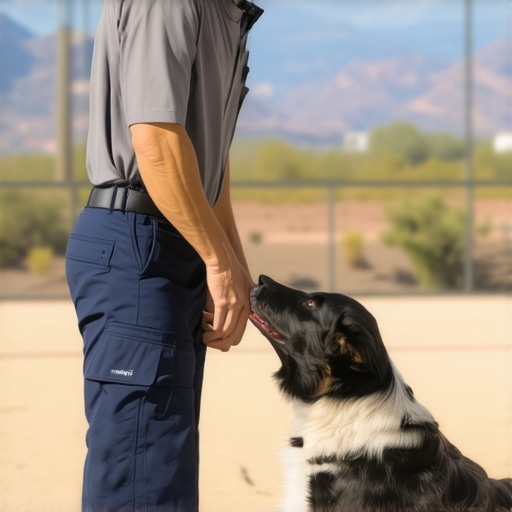
The Truth About Service Dog Training in Arizona
Training a service dog is a complex journey that demands expertise, patience, and a clear understanding of both the dog’s needs and the handler’s requirements. In Arizona, where the climate and lifestyle are unique, successful training takes on additional layers of consideration.
Understanding Service Dogs and Their Role
Service dogs are more than just pets—they are trained to perform specific tasks that assist individuals with disabilities. Their roles can range from guiding the visually impaired to alerting those with medical conditions. Proper training ensures these dogs can perform reliably in various settings, from urban environments to outdoor adventures in the desert.
Key Components of Effective Service Dog Training
Training involves several critical stages: socialization, task training, and public access skills. Socialization helps dogs become comfortable around people and other animals. Task training equips them with the skills necessary for their handler’s specific needs. Public access training ensures they behave appropriately in places like stores, parks, and public transit.
Why Local Expertise Matters in Arizona
Arizona’s climate—hot summers, dry air—affects training approaches. Trainers need to adapt their methods, especially for outdoor training sessions. Moreover, understanding local regulations and resources can streamline the process. For example, nearby training centers like Robinson Dog Training provide tailored programs suited for Arizona’s environment.
Here’s a quick snapshot of the training landscape in Arizona:
Arizona Service Dog Training: Expert Tips and Local Resources
Training a service dog in Arizona involves unique challenges and opportunities that require tailored approaches. The state’s climate, terrain, and regulations influence how trainers prepare these vital companions for their roles. Understanding these factors is essential for ensuring that service dogs perform their tasks reliably and adapt to the environment they will serve in.
Adapting Training for Arizona’s Climate
Arizona’s intense summer heat and arid air can impact a dog’s comfort and health during training sessions. Trainers need to schedule outdoor activities early in the morning or later in the evening to avoid heat exhaustion. Using cooling mats and ensuring ample hydration during training are also critical. For instance, some trainers incorporate acclimation techniques that gradually expose dogs to the outdoor environment, helping them build resilience without risking heat stroke.
Case in point, a veteran handler in Phoenix shared that integrating outdoor training during cooler months significantly improved her dog’s ability to perform tasks in real-world conditions. This approach not only enhances the dog’s endurance but also reduces stress, making the training more effective.
Task-Specific Training in Desert Environments
Service dogs often assist handlers with medical conditions like epilepsy or diabetes. In Arizona, trainers emphasize task training that accounts for outdoor hazards, such as cacti, snakes, and uneven terrain. For example, teaching dogs to navigate rocky paths or alert handlers to environmental dangers can be crucial for outdoor safety.
Additionally, training dogs to detect specific scents or medical cues in the dry air can improve their effectiveness. Some trainers utilize local outdoor spaces like regional parks or desert trails, providing real-world exposure that prepares dogs for the environments they will encounter daily.
Understanding Local Regulations and Resources
Arizona’s laws regarding service animals align with federal standards, but local nuances exist. Trainers and handlers should familiarize themselves with the Arizona Department of Transportation’s policies, especially concerning public access in transportation hubs. A valuable local resource is the Arizona Department of Health Services, which offers guidance on disabilities and service animals.
Moreover, connecting with local training centers like Rough Rider K9 can provide specialized programs that consider Arizona’s unique environment. These centers often offer outdoor training sessions, emphasizing real-world scenarios that handlers will face.
Practical Tips for Successful Service Dog Training in Arizona
- Schedule training during cooler parts of the day to prevent heat exhaustion.
- Use cooling gear and hydration strategies during outdoor sessions.
- Incorporate desert-specific hazards into task training to promote safety.
- Partner with local trainers who understand Arizona’s climate and terrain.
- Gradually expose dogs to outdoor environments to build confidence and resilience.
Ultimately, successful service dog training in Arizona hinges on adaptability, local expertise, and an understanding of environmental challenges. By leveraging regional resources and customizing training techniques, handlers can ensure their service dogs are prepared to perform reliably, whether navigating city streets or exploring the desert landscape.
Mastering Advanced Techniques in Arizona Service Dog Training
For handlers and trainers seeking to elevate their service dog training, understanding the nuances of environmental adaptation is crucial. Arizona’s unique climate and terrain demand specific, advanced strategies that go beyond basic training principles.
Environmental Resilience Training
Developing resilience involves exposing dogs to a variety of outdoor conditions under controlled circumstances. This includes training in extreme temperatures, navigating rocky or uneven terrain, and handling distractions like wildlife or unfamiliar scents. Implementing a phased exposure program gradually introduces these elements, building confidence and reducing stress during real-world activities.
Specialized Task Training for Desert Environments
In addition to standard task training, service dogs in Arizona benefit from environment-specific skills. For instance, teaching dogs to recognize and respond to environmental hazards such as cacti, snakes, or sudden terrain changes enhances safety. Incorporating scent detection exercises that focus on dry air and desert-specific odors can also improve medical alert capabilities for conditions like diabetes or allergies.
Utilizing Local Resources for Advanced Training
Leveraging local facilities and outdoor spaces can significantly impact training effectiveness. Collaborate with centers like Rough Rider K9, which offers outdoor training tailored to Arizona’s environment, ensuring dogs are prepared for the terrain and weather conditions they will encounter daily. Additionally, integrating training sessions at regional parks, desert trails, and urban settings enhances adaptability and public access skills.
Common Misconceptions and How to Avoid Them
Many believe that training in one environment suffices. In reality, dogs require exposure to diverse settings to perform reliably across contexts. Another misconception is that heat acclimation occurs naturally; in truth, it demands deliberate, gradual exposure combined with hydration strategies. Trainers must also avoid overtraining outdoors in extreme heat, which can lead to heatstroke or burnout.
Step-by-Step Guide to Advanced Training in Arizona
- Assess environmental hazards: Identify common outdoor challenges in your area.
- Design a phased exposure plan: Gradually introduce dogs to different terrains and weather conditions.
- Incorporate real-world scenarios: Use outdoor spaces like parks and trails for training sessions.
- Focus on safety protocols: Train dogs to recognize and avoid hazards such as cacti or snakes.
- Monitor health and hydration: Use cooling gear and schedule sessions during cooler times of the day.
By mastering these advanced techniques and leveraging local resources, handlers can ensure their service dogs are resilient, reliable, and well-prepared for the diverse environments of Arizona. This approach not only enhances the dog’s performance but also boosts handler confidence in navigating complex outdoor settings.
Emerging Technologies in Service Dog Training
Advancements in technology are revolutionizing service dog training in Arizona. Wearable devices equipped with GPS, activity monitors, and environmental sensors allow trainers and handlers to track a dog’s health, location, and stress levels in real time. These innovations facilitate customized training programs, helping dogs adapt more efficiently to Arizona’s challenging climate and terrain. For example, smart collars can alert handlers when a dog shows signs of overheating, enabling immediate intervention to prevent heatstroke.
Future Trends in Service Dog Training
The future of service dog training in Arizona is poised to incorporate artificial intelligence (AI) and virtual reality (VR). AI-powered training modules can simulate various environments and scenarios, providing dogs with exposure to urban settings, desert landscapes, and crowded public spaces from a safe, controlled environment. Meanwhile, VR technology can help handlers learn effective communication and management techniques, enhancing their ability to support their dogs in complex situations.
Local Resources Supporting Innovation
Arizona is home to several organizations pioneering these advancements. For instance, local training centers are beginning to integrate AI tools and VR simulations into their programs. Additionally, partnerships with tech companies are emerging to develop region-specific training solutions that consider Arizona’s extreme weather and diverse landscapes. These resources empower handlers and trainers to stay at the forefront of service dog training, ensuring more reliable and adaptable service companions.
Environmental Adaptation and Future Preparedness
As climate change impacts Arizona’s environment, training strategies are evolving to prepare dogs for more unpredictable conditions. This includes exposure to extreme heat variations, dust storms, and sudden weather changes. Future training modules will likely emphasize resilience and adaptability, ensuring service dogs can perform their duties regardless of environmental stressors. Handlers should stay informed about upcoming technological tools and training methods to maximize their dog’s potential.
People Also Ask: How will technology improve service dog training in Arizona?
Technology will improve service dog training in Arizona by providing real-time data on a dog’s health and behavior, enabling tailored training plans that account for environmental challenges. AI and VR will allow for immersive, safe exposure to various scenarios, accelerating learning and increasing reliability in real-world applications.
Frequently Asked Questions
1. How does Arizona’s climate affect service dog training?
Arizona’s hot summers and dry air require trainers to schedule outdoor sessions during cooler parts of the day, use cooling gear, and incorporate acclimation techniques to ensure dogs can perform reliably in the environment.
2. What local resources are available for service dog training in Arizona?
Organizations like Robinson Dog Training and Rough Rider K9 offer specialized programs tailored to Arizona’s unique terrain and climate, including outdoor training sessions and advanced techniques.
3. What advanced training techniques are effective in Arizona?
Developing environmental resilience through phased exposure, training in desert hazards, and leveraging technology like GPS-enabled wearables can improve a service dog’s adaptability and performance in Arizona’s diverse conditions.
4. How can technology improve service dog training in Arizona?
Real-time health and stress monitoring via smart collars, along with AI and VR simulations, allow for tailored, immersive training experiences that enhance reliability and safety in challenging environments.
5. What should handlers consider when training in outdoor desert environments?
Handlers should focus on safety protocols such as hazard recognition, hydration, acclimation to temperature extremes, and gradual exposure to rugged terrain to ensure their dogs are prepared for outdoor adventures.
The Bottom Line
Training a service dog in Arizona demands a nuanced approach that accounts for the state’s unique climate, terrain, and regulations. By utilizing local expertise, embracing advanced techniques, and leveraging emerging technology, handlers can cultivate resilient, reliable companions capable of navigating the diverse environments of Arizona. This tailored approach not only ensures the safety and effectiveness of the service dog but also empowers handlers to confidently face outdoor and urban challenges alike.
Take Action Today
Share your experiences or questions about service dog training in Arizona. Connect with local trainers or resources to start or enhance your journey — a well-trained service dog can profoundly improve quality of life and independence. Reach out now and take the next step toward a stronger, more capable partnership with your service dog.