
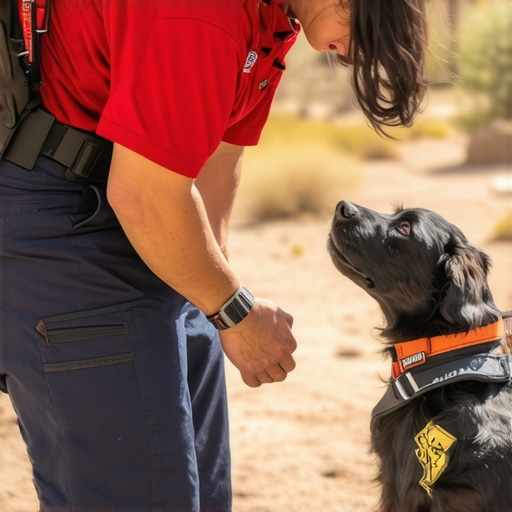
The Truth About Training Service Dogs in Arizona
Training a service dog isn’t just about teaching commands; it’s about transforming a canine into an essential partner for those with disabilities. Arizona’s unique climate and environment present specific challenges and opportunities for effective training. With the right approach, trainers can turn ordinary dogs into dependable service animals, boosting independence and safety for their handlers.
Understanding the Core Principles of Service Dog Training
At the heart of successful training lies a solid foundation of proven techniques. This involves consistent reinforcement of commands, socialization skills, and behavior management. Trainers must focus on establishing trust and clarity, ensuring the dog understands and reliably responds to cues in various settings. Experience shows that positive reinforcement fosters confidence and eagerness in dogs, which is vital in high-stakes environments.
What Makes Arizona a Unique Training Ground?
Arizona’s weather can be extremely hot, with summer temperatures soaring above 100°F. This demands specialized training methods that adapt to the climate. Trainers often incorporate acclimation sessions to ensure dogs are comfortable and responsive during outdoor activities. Additionally, Arizona’s diverse landscapes—from urban areas to vast deserts—require dogs to be versatile and well-socialized to handle different environments seamlessly.
Why Is Socialization Critical in Desert Climates?
Arizona’s outdoor environment exposes dogs to a variety of stimuli—hot surfaces, wildlife, and bustling crowds. Proper socialization ensures dogs can stay calm and focused despite these distractions. Trainers emphasize exposing dogs to desert scenes, city noise, and diverse people. This prepares the dog for real-world scenarios, making their service more reliable and the handler’s experience smoother. Understanding the link between acclimation and socialization in arid climates is vital for fostering resilient service dogs.
Mastering Socialization in Arizona’s Unique Climate
Effective socialization is crucial, especially in Arizona’s varied terrain and weather conditions. Dogs must learn to remain calm amidst desert wildlife, bustling city streets, and extreme heat. For example, exposing dogs to community events, outdoor markets, and desert hikes helps them adapt to sensory overloads they’ll encounter daily. Trainers often organize supervised outings to high-traffic areas or natural parks, gradually increasing exposure to build resilience and confidence.
In one notable case, a service dog trained in Arizona successfully navigated a crowded downtown event, remaining focused despite loud music and colorful crowds. Such experiences demonstrate the importance of acclimating dogs to real-life stimuli, ensuring the handler’s safety and independence. Socialization routines should include handling various textures, sounds, and sights—think hot pavement, wildlife encounters, and urban noises—so dogs respond reliably under diverse circumstances.
Pro Tips for Effective Desert Climatization
- Introduce hydration breaks early during outdoor training to prevent heat exhaustion.
- Use shade and cooling vests to help dogs acclimate to high temperatures.
- Schedule training sessions during cooler parts of the day, like early mornings or late evenings.
Veteran trainers emphasize gradual exposure, allowing dogs to build endurance without becoming overwhelmed. This approach minimizes stress and prevents adverse associations with challenging environments. Additionally, integrating positive reinforcement during acclimation efforts boosts the dog’s willingness to face unfamiliar stimuli.
Leveraging Local Resources for Optimal Training
Arizona offers a wealth of training opportunities through dedicated facilities like Robinson Dog Training Center, which provides specialized programs tailored for desert climates. Accessing such local resources ensures dogs receive appropriate socialization and acclimation experiences. Many trainers also utilize nearby natural landscapes to simulate real-world scenarios, enhancing preparedness. Connecting with local trainers or clubs can offer ongoing support and knowledge exchange, vital for maintaining high training standards.
Implementing Behavior Shaping for Reliable Responses
Behavior shaping, a technique involving reinforcing successive approximations toward a desired behavior, is crucial for complex commands in service dog training. In Arizona’s challenging environment, trainers often break down commands into smaller, manageable steps, gradually reinforcing each until the dog performs the full behavior reliably. This method ensures consistency even amidst environmental distractions, boosting the dog’s confidence and dependability.
Step-by-Step Behavior Shaping Process
- Identify the target behavior: Define clearly what response is expected.
- Divide the behavior: Break it into simpler components that can be rewarded individually.
- Reinforce approximations: Reward the dog for behaviors that move closer to the final goal.
- Gradually increase criteria: Reinforce only behaviors that meet increasingly strict standards.
- Add environmental distraction: Incorporate Arizona-specific stimuli, like heat or noise, during training.
This approach is especially effective in desert climates, where environmental variables can interfere with training consistency. Reinforcing calmly responding to commands amid heat or distractions helps ensure the dog performs reliably in real-world scenarios.
Common Misconceptions About Desert Service Dog Training
Many trainers and handlers hold false beliefs that can hinder progress or lead to setbacks. Recognizing and correcting these misconceptions is essential for effective training.
Myth 1: Dogs Can’t Handle High Temperatures
Fact: With proper acclimation, hydration, and shade, dogs can adapt to Arizona’s heat. Gradual exposure minimizes heat stress, and cooling aids enhance comfort.
Myth 2: Socialization in Hot Weather Is Ineffective
Fact: Socialization routines tailored for hot climate conditions are effective and necessary. Time of day and hydration are critical considerations.
Myth 3: Desert Environments Are Too Distracting for Training
Fact: Controlled exposure and positive reinforcement in these settings build resilience, making dogs more adaptable and focused.
Advanced Tips for Maintaining Training in Challenging Climates
- Use simulated desert elements: Incorporate sand, rocks, and desert flora in training sessions to familiarize dogs with their environment.
- Employ technology: Utilize GPS collars and remote trainers to monitor responses during outdoor exercises in variable terrains.
- Schedule strategic breaks: Rest in shaded areas regularly to prevent overheating and fatigue.
Implementing these techniques ensures that service dogs are not only trained but also acclimatized to Arizona’s demands, resulting in more dependable and resilient partnerships with their handlers.
Harnessing Future Trends in Arizona Service Dog Training
The landscape of service dog training in Arizona is rapidly evolving, influenced by technological innovations and scientific research. Emerging tools like wearable sensors and artificial intelligence are revolutionizing how trainers assess a dog’s responsiveness and stress levels, enabling more precise and personalized training protocols. For instance, smart collars equipped with health monitors can alert handlers to signs of overheating or fatigue, which are critical considerations in Arizona’s intense heat.
The Role of Virtual Reality in Desensitization
Virtual reality (VR) is gaining traction as a groundbreaking tool to expose dogs to simulated challenging environments safely. By recreating desert terrains, urban noise, or crowd scenarios within a controlled setting, trainers can systematically desensitize dogs to stimuli they’ll face in real life. This technology allows for consistency and repeatability in training, reducing stress and enhancing confidence among service animals.
Environmental Adaptations and Eco-Conscious Training
Future training practices are also focusing on sustainable and eco-friendly methods. Utilizing natural desert features and minimizing reliance on artificial materials aligns with conservation efforts and promotes animal welfare. For example, trainers might incorporate local flora and terrain into training sessions, not only authenticating experience but also respecting the natural ecosystem of Arizona.
Integrating Community-Based Training Initiatives
Community involvement is set to become a cornerstone of effective service dog programs. By engaging local residents, outdoor enthusiasts, and volunteers in training activities, handlers gain broader socialization opportunities for dogs while fostering community awareness and support. Such programs also help address transportation and accessibility challenges prevalent in desert regions, ensuring more individuals benefit from well-trained service animals.
Why Personalized Training Will Lead the Future
Moving away from one-size-fits-all approaches, personalized training tailored to each dog’s temperament, health, and handler needs is on the rise. This individualized method ensures that service dogs are not only responsive but also resilient to Arizona-specific stressors. Specialized programs will likely incorporate genetic assessments and behavioral analytics to optimize training outcomes further, resulting in more dependable partnerships.
The Impact of These Trends on Service Dog Effectiveness
Adopting these innovative strategies promises to elevate the standards of service dog training in Arizona. Enhanced technological integration leads to better health monitoring and behavior modification, while virtual reality and eco-conscious methods create safer, more authentic training experiences. Community-based initiatives foster inclusivity and accessibility, essential in a sprawling desert state. Most importantly, personalized training ensures dogs are uniquely equipped for the demands of their roles, making them invaluable assets for handler independence and safety.
Frequently Asked Questions
How does Arizona’s climate affect service dog training?
The hot temperatures and diverse landscapes require specialized acclimation and socialization techniques to ensure dogs remain comfortable, focused, and dependable in various environments.
What innovative tools are shaping the future of service dog training in arid climates?
Emerging technologies like wearable sensors, AI, and virtual reality are providing trainers with new ways to assess stress, responsiveness, and expose dogs to simulated challenging environments safely.
Why is socialization vital for service dogs in desert environments?
Proper socialization helps dogs remain calm amidst stimuli like wildlife, crowds, and heat, which is essential for their reliability and the safety of their handlers.
Can Arizona-specific training resources enhance a service dog’s readiness?
Absolutely. Local facilities and natural landscapes offer tailored environments that help dogs adapt effectively to the unique demands of the region.
What is the significance of personalized training approaches?
Customized programs consider each dog’s temperament, health, and handler needs, leading to more resilient, responsive, and dependable service animals in challenging climates.
The Bottom Line
Arizona’s dynamic environment presents both obstacles and opportunities in service dog training. By leveraging innovative techniques, embracing regional resources, and prioritizing individualized approaches, trainers can cultivate service animals that are not only responsive but also resilient, ensuring handlers gain a vital partner for independence and safety.
Join the Conversation
Share your experiences or questions about service dog training in Arizona. Your insights help foster a stronger community dedicated to enhancing the lives of individuals relying on these remarkable partnerships.