
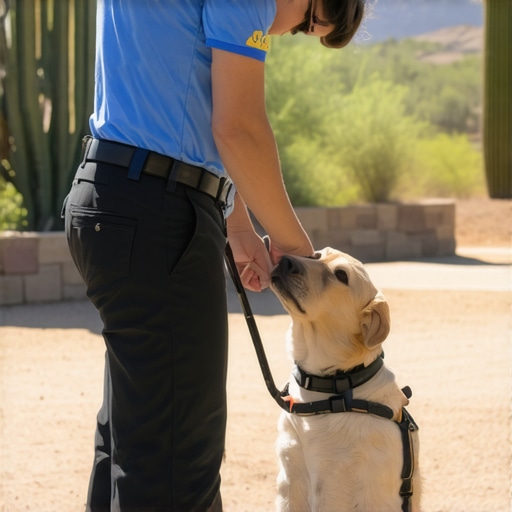
The Truth About Service Dog Training in Arizona
Service dogs play a vital role in transforming lives, offering independence and safety to individuals with disabilities. Arizona, with its diverse environment and active communities, presents unique challenges and opportunities for training these highly capable animals. Understanding the core principles behind effective service dog training is essential for trainers and prospective handlers aiming for success in 2024 and beyond.
Why Is Specialized Training Essential?
Unlike regular obedience training, service dog training demands a high level of skill and precision. These dogs must perform specific tasks reliably, navigate various environments, and remain calm under stress. Specialized training ensures that the dog can handle real-world scenarios, whether it’s assisting with mobility, alerting to medical conditions, or guiding visually impaired users. Proper training lays a foundation of trust and functionality that is critical for a service animal’s effectiveness and safety.
Fundamental Techniques for Success
Effective training hinges on positive reinforcement, consistency, and early socialization. Trainers should employ reward-based methods to encourage desired behaviors, making learning a positive experience for the dog. Socialization is equally important—exposing puppies and young dogs to diverse environments, sounds, and people establishes confidence and adaptability. Additionally, understanding Arizona-specific factors, like local climate extremes, helps tailor training routines to maintain the dog’s health and comfort.
What Are Common Challenges in Arizona’s Environment?
Arizona’s hot climate and often rugged terrain pose particular challenges for service dog training. During summer months, excessive heat can impact a dog’s health and performance, requiring strategies like training during cooler parts of the day or providing adequate hydration. Navigating busy urban areas also demands specific exposure sessions. To address these challenges, some trainers incorporate immersive experiences that simulate real-life situations, ensuring dogs are prepared for the state’s unique environment.
Effective Strategies for Service Dog Training in Arizona’s Unique Environment
Training service dogs in Arizona requires a nuanced approach that accounts for the state’s distinctive climate and terrain. Trainers must develop adaptive methods to overcome environmental challenges while ensuring dogs remain confident and capable in their roles. One proven technique involves scheduling training sessions during early mornings or late evenings when temperatures are cooler, which helps prevent heat-related stress and dehydration.
Incorporating exposure to urban settings is equally vital. Urban environments in Arizona can be bustling, noisy, and visually stimulating. Gradually introducing dogs to busy streets, public transportation, and crowded venues helps them build resilience and focus amidst distractions.
Understanding local weather patterns also influences training routines. During monsoon season, for example, sudden rainstorms and thunderstorms can disrupt progress. Trainers often use controlled exposure to these conditions, utilizing desensitization techniques to help dogs remain calm during inclement weather. Providing access to shaded rest areas and hydration stations further supports animal well-being during outdoor activities.
Another important aspect is tailoring gear for extreme temperatures. Lightweight, breathable harnesses designed for hot climates ensure comfort and safety. Additionally, using cooling vests during training can help regulate body temperature, particularly for older or more sensitive dogs.
Arizona’s rugged terrain presents both a challenge and an opportunity. Navigating rocky paths, uneven surfaces, and desert landscapes prepares service dogs for real-world scenarios they may encounter alongside their handlers. Incorporating hikes or walks in desert preserves or mountain trails, with appropriate precautions, helps acclimate dogs to these environments. Such activities not only build physical endurance but also enhance navigational skills in diverse terrain.
Finally, collaboration with local organizations and utilizing community resources can greatly enhance training success. Some training centers partner with outdoor programs or veteran groups, providing immersive experiences that reflect the landscapes and situations dogs will face in daily life. This community involvement fosters a culture of continuous learning and adaptation, essential for effective service dog deployment in Arizona’s varied landscape.
For trainers and handlers seeking additional guidance, exploring specialized programs like those offered at established training facilities can provide valuable insights. These programs often include modules specifically designed to address climate-related training and environmental acclimatization, ensuring service dogs are thoroughly prepared for all aspects of their role in Arizona’s dynamic environment.
Advanced Techniques for Service Dog Training in Arizona’s Challenging Environment
To elevate service dog training beyond basic methods, trainers should consider specialized desensitization protocols tailored to Arizona’s extreme weather conditions. This involves exposing dogs gradually to stimuli like intense sunlight, high temperatures, and desert-specific terrains to build resilience and focus under stress. Incorporating simulated hot-weather scenarios, such as training in shaded but sun-exposed areas, helps dogs acclimate safely.
Nuanced Environmental Conditioning
Advanced training includes creating realistic scenarios that mimic potential emergencies, like sudden thunderstorms during monsoon season or navigating through desert landscapes with unpredictable terrain. This targeted exposure helps dogs develop adaptive responsiveness, crucial for real-world assistance.
Common Misconceptions About Climate Adaptation
One prevalent myth is that simply training in cooler indoor environments suffices. In truth, exposing dogs to environmental stressors in a controlled manner ensures they perform reliably in outdoor settings. Additionally, some trainers assume that advanced age precludes adaptation, but with proper acclimatization, even senior dogs can develop resilience to Arizona’s climate.
Implementing High-Level Strategies
- Gradual acclimatization protocols: Slowly increase exposure duration to outdoor, hot conditions, monitoring the dog’s response to prevent heatstroke.
- Use of cooling technologies: Employ cooling vests, mats, and adjustable harnesses designed for high temperatures to maintain comfort and performance.
- Terrain-specific training modules: Incorporate traversing rocky paths, sandy dunes, and steep inclines to simulate the diverse terrains of Arizona, enhancing navigational skills under varying conditions.
Leveraging Local Resources and Expertise
Partnerships with organizations like Robinson Dog Training can provide access to expert trainers experienced in desert environments. Incorporating community-based training excursions, such as hikes through desert preserves or urban obstacle courses, ensures dogs develop competence in real-life scenarios. These immersive experiences are essential for deploying service dogs capable of handling Arizona’s dynamic landscape and climate.
Emerging Trends Shaping Service Dog Training in Arizona
As the landscape of service dog training advances, emerging technologies and innovative methodologies are revolutionizing how trainers prepare perros for real-world challenges. In Arizona, where environmental conditions are particularly demanding, adopting cutting-edge solutions enhances effectiveness and safety.
Implementing Smart Technology for Training
Wearable devices and GPS tracking systems are increasingly being integrated into training regimens. These tools monitor a dog’s location, activity levels, and physiological responses, providing trainers with real-time data to tailor training protocols. For example, during desert hikes, sensors can alert handlers if a dog’s body temperature rises excessively, prompting immediate action to prevent heat stroke. This data-driven approach ensures optimal training outcomes and enhances safety measures.
Virtual Reality and Simulation Training
Virtual reality (VR) modules are becoming valuable for simulating urban scenarios, loud environments, or weather conditions without exposing dogs to actual stressors initially. By gradually increasing exposure in a controlled digital environment, service dogs develop resilience and focus, leading to better performance during real-world implementation. This technology is especially beneficial in Arizona, where outdoor training must contend with extreme heat and unpredictable weather.
Specialized Environmental Conditioning Protocols
Training programs are increasingly incorporating climate-specific conditioning techniques, such as acclimatization to high temperatures and rugged terrain. For example, timed outdoor sessions during dawn or dusk, combined with hydration and cooling strategies, prepare service dogs for the state’s scorching summers. Furthermore, terrain-specific drills involving desert, mountain, and urban landscapes ensure dogs are versatile and well-adjusted to Arizona’s diverse environments.
Research and Development Focused on Breed and Task Specialization
Future training models emphasize tailoring training to specific breeds and tasks. For instance, larger, sturdier breeds may be trained intensively for mobility assistance across rugged terrains, while smaller breeds focus on alert and medical response roles. Ongoing research also explores genetic markers for resilience to heat and dehydration, continuously refining training approaches for maximum performance.
Collaborative Community and Technological Networks
The rise of online platforms and local community groups fosters knowledge-sharing and resource pooling. Regional Arizona-based training hubs are leveraging social media, virtual workshops, and shared databases to disseminate best practices and case studies quickly. Such collaboration accelerates the adoption of innovative, climate-adapted training techniques and expands the pool of trained service dogs ready to serve in demanding environments.
People Also Ask: How is AI influencing service dog training in Arizona?
Artificial intelligence (AI) is increasingly being used to analyze training data, predict dog performance, and personalize training plans. AI algorithms can identify patterns indicating stress or fatigue, enabling trainers to adjust training intensity or introduce rest periods accordingly. This technological integration optimizes training efficiency and improves the well-being of service dogs operating in Arizona’s hot and rugged landscape.
Final Thoughts: Elevating Service Dog Training in Arizona’s Unique Terrain
Mastering service dog training within Arizona’s distinctive landscape demands a blend of expert techniques, environmental understanding, and innovative approaches. The integration of advanced technologies, tailored desensitization methods, and community collaboration empowers trainers and handlers to prepare dogs effectively for the state’s diverse and challenging conditions. By focusing on resilience, safety, and adaptability, professionals can unlock the full potential of service dogs to serve and protect their communities, making a lasting impact in the vibrant landscape of Arizona.
Frequently Asked Questions
How does Arizona’s climate influence service dog training protocols?
Arizona’s high temperatures and rugged terrains require trainers to adapt routines, such as scheduling during cooler times and incorporating desensitization to weather extremes, ensuring dogs remain comfortable and effective in real-world situations.
What emerging technologies are shaping the future of service dog training?
Tools like GPS tracking, wearable sensors, and virtual reality simulations are increasingly used to monitor performance, personalize training, and simulate environments, leading to safer and more efficient training outcomes.
Can senior dogs be trained for service work in Arizona?
Absolutely; with proper acclimatization and tailored methods, even older dogs can adapt to Arizona’s environment and excel in service roles, enhancing their quality of life and utility.
What resources are available for trainers facing environmental challenges?
Many training centers, such as Robinson Dog Training, offer specialized programs and community partnerships designed to address climate-specific training needs, providing valuable support and knowledge-sharing.
How important is community involvement in service dog training in Arizona?
Community engagement facilitates real-world exposure, resource sharing, and continuous learning, which are crucial for developing well-rounded, adaptable service dogs capable of meeting the state’s unique demands.
Take Action
Empower your journey in service dog training today by staying informed about the latest innovations and community resources. Share your experiences, ask questions, and connect with experts to foster a network dedicated to excellence in Arizona’s diverse environment.
This comprehensive overview of service dog training in Arizona really emphasizes how environment-specific strategies are so critical. I recently read about how hydration and cooling gear make a huge difference during outdoor training sessions—something I’ve seen firsthand with my own dog. What’s intriguing is the use of virtual reality for simulating urban environments, which could be a game-changer for acclimating dogs without risking heat stress. I wonder how accessible this tech is for smaller training centers or individual trainers. Has anyone experience with VR that they’d recommend? Also, pairing traditional desensitization with advanced tools like AI and GPS seems promising for customizing training plans. It’s amazing to see how technology is helping us better prepare these animals for the real-world challenges they’ll face, especially in such a demanding climate like Arizona. Are there particular breeds that adapt better to these environmental conditions, or does everything depend more on the specific training techniques used? Would love to hear others’ insights on what works best in these rugged terrains.
I really appreciate this detailed overview of training service dogs in Arizona’s challenging environment. Having worked directly in dog training here in Tucson, I can attest to how the extreme heat and rugged terrain require tailored approaches. For example, early morning sessions are just as crucial as hydrating dogs frequently during outdoor activities to prevent overheating. I’ve also found that training in natural desert settings accelerates a dog’s adaptability, especially when they encounter diverse terrains like rocky paths or sandy dunes, which is common in our area. One thing I’d love to learn more about is how virtual reality training modules can be effectively integrated into outdoor routines—do they really replicate the sensory experiences sufficiently? From my experience, breeds like Belgian Malinois and German Shepherds tend to adapt better to these environments, though individual temperament also plays a big role. Has anyone seen success with mixed-breed or smaller breeds in such conditions? I’m curious about the latest tech tools that could further support training in extreme climate zones. Would love to hear others’ insights!
This post really highlights the importance of tailored training approaches for service dogs in Arizona’s unique environment. I’ve personally seen how crucial it is to combine environmental acclimatization with behavioral training, especially when dealing with the intense summer heat. Training during cooler times and ensuring hydration can make a huge difference in a dog’s performance and well-being. The use of advanced technology like GPS trackers and even VR for urban scenario simulations is fascinating and seems like a promising way to prepare dogs for real-world challenges without exposing them to undue stress early on. I’m curious, for those who have tried VR training, how effective has it been in building resilience and focus? Also, I wonder if certain breeds, due to their genetics or temperament, adapt more easily to Arizona’s rugged terrains and climate. From your experience, do mixed breeds or smaller dogs face more hurdles in such environments? Looking forward to hearing thoughts on integrating high-tech tools into environmental training routines.