
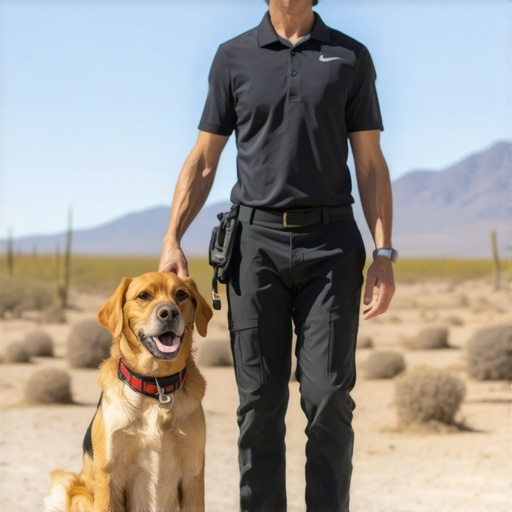
The Truth About Owner-Trained Service Dogs in Arizona
Understanding Service Dogs and Their Role
Service dogs have become a vital support system for individuals with disabilities. These specially trained animals assist with daily tasks, offering independence and safety. In Arizona, a growing number of owners are taking the reins, embarking on the journey to train their own service dogs. This approach can be rewarding but demands a clear understanding of what makes an effective, trustworthy service animal.
What Sets Owner-Trained Service Dogs Apart?
Unlike professionally trained service dogs, owner-trained animals are groomed by their handlers from puppyhood through adulthood. This intimate training process can foster a stronger bond and better understanding between the dog and owner. However, it also requires a significant investment of time, patience, and expertise. Proper training ensures that the dog can reliably perform tasks and behave appropriately in public settings, which is essential for compliance with regulations and the safety of all involved.
Why Does Certification Matter?
In Arizona, and across the U.S., certification isn’t a legal requirement for service animals under the Americans with Disabilities Act (ADA). However, having proper documentation can smooth interactions with airlines, housing providers, and other entities. It’s important for owners to understand the distinctions between service, therapy, and emotional support animals to ensure they meet the correct legal standards and avoid misunderstandings.
Owner-Training Tips for Service Dogs in Arizona: Building a Reliable Companion
Establishing a Strong Foundation
Successful owner training begins with establishing a solid foundation of basic obedience. Commands such as sit, stay, come, and heel are essential for safety and control. Dogs that understand and reliably perform these commands are better prepared to learn specialized tasks tailored to their handler’s needs. Consistent training sessions, patience, and positive reinforcement contribute significantly to building this foundation.
Quantum of Patience and Consistency
Training a service dog is a marathon, not a sprint. Daily practice cement’s a dog’s understanding of commands and expected behaviors. Even when progress seems slow, maintaining a steady routine fosters trust and learning. It’s advisable for handlers to keep detailed training logs, tracking successes and areas needing improvement. This systematic approach helps prevent setbacks and keeps training on track.
Specialized Task Training
Once basic obedience is solidified, handlers move on to task-specific training. For example, a dog assisting with mobility may be trained to retrieve objects or open doors, while a dog helping with balance might focus on steadying their owner. Arizona offers several specialized training programs, such as those provided by Robinson Dog Training, which support owners in developing these skills effectively. Incorporating real-world scenarios during training ensures the dog can handle unpredictable environments.

Understanding Legal Boundaries and Public Behavior
Correct public behavior is critical. Owner-trained service dogs must be well-behaved in diverse settings, from bustling markets to quiet restaurants. Training should include exposure to various stimuli, distractions, and public interactions. Additionally, handlers must familiarize themselves with Arizona’s specific regulations and ADA guidelines, which govern the rights and responsibilities of service dog owners. Training courses offered locally can provide valuable insights and legal comprehension, reducing the risk of violations.
Importance of Certification and Documentation
Although not legally mandatory under ADA, having certification or a trainer’s attestation can aid in public interactions, especially in non-ADA jurisdictions or when traveling. Breed-specific organizations or professional trainers can provide documentation validating the dog’s training and behavior. For Arizona-based owners, resources like Arizona Commission for the Blind can offer guidance on legal standards and best practices.
Mastering Advanced Owner-Training Techniques for Service Dogs in Arizona
Refining Behavioral Precision
To cultivate a dependable service dog, handlers must deepen their training beyond basic obedience. **Advanced behavioral conditioning** involves real-world scenarios, such as navigating crowded places or reacting appropriately to unexpected distractions. Techniques like ‘proofing’ commands—training the dog to maintain cues despite environmental distractions—are essential. Incorporating scenarios that simulate emergency situations enhances the dog’s reliability and composure in critical moments.
Addressing Common Misconceptions
One prevalent misconception is that any well-behaved dog can become a service dog without formal training. In reality, service dogs require specialized skills tailored to the handler’s needs. Another myth suggests that owner training guarantees success; however, ongoing education, consistent practice, and sometimes professional mentorship are vital. Recognizing these nuances prevents setbacks and ensures the dog’s efficacy in assisting users with disabilities.
Implementing a Step-by-Step ‘How-To’ Approach
- Assess the Dog’s Suitability: Evaluate temperament, health, and aptitude for training tasks relevant to your disability.
- Establish a Controlled Training Environment: Begin in quiet, distraction-free settings to build foundational cues.
- Master Basic Commands: Ensure reliability in sit, stay, come, heel, and load behaviors, using positive reinforcement.
- Progress to Distraction Training: Gradually introduce environmental stimuli, such as sounds, movement, and varying textures.
- Introduce Specialized Tasks: Train the dog in specific actions, such as retrieving items, alerting to certain sounds, or guiding through obstacles, aligned with the handler’s needs.
- Practice Public Access Skills: Expose the dog to public settings, maintaining control, calmness, and task performance.
- Simulate Emergencies: Conduct drills for sudden situations to ensure composed reactions.
Arizona’s diverse environments—from urban centers to outdoor terrains—offer unique challenges. Seasonal weather variations and local regulations should inform your training plan. Consider integrating resources like Robinson Dog Training for expert guidance. Remember, consistency and patience are the cornerstones of transforming a pet into a trusted, owner-trained service companion.
Emerging Technologies and Future Trends in Owner-Training Service Dogs in Arizona
As the landscape of service dog training evolves, innovative technologies are playing an increasingly pivotal role, especially for owner-trainers in Arizona. The integration of **smart training devices** and **virtual learning platforms** is revolutionizing how handlers develop their dogs’ skills. Wearable gadgets that monitor a dog’s behavior and provide real-time feedback enable owners to fine-tune training techniques with precision, ensuring consistency and reliability.
Moreover, the rise of **online training modules** and **interactive coaching programs** offers accessible resources for Arizona residents, reducing the need for frequent in-person sessions. These platforms often include virtual demonstrations, troubleshooting advice, and community forums, fostering a supportive environment for owner-trainers seeking to enhance their skills.
Another significant trend is the development of **specialized apps** tailored for service dog training management. These applications can schedule training routines, record progress, and store documentation, simplifying the process for busy Arizona handlers balancing multiple responsibilities.
Advancements in Certification and Legislation
Legal standards are also progressing, with emerging certifications gaining recognition in various jurisdictions. Future policies may encourage or even require owner-trained service dogs to attain standardized certification, promoting public trust and consistency in behavior. Arizona-based organizations are actively working towards integrating such certifications, which could streamline interactions with airlines, housing providers, and businesses.
Focus on Emotional and Behavioral Resilience
In addition to task training, there’s an increasing emphasis on fostering **emotional resilience** in service dogs. Techniques incorporating **positive psychology** and **mindfulness strategies** are being explored to help dogs maintain focus and composure in high-stress environments, such as crowded urban areas or emergency situations common in Arizona’s diverse settings.
Furthermore, the potential of **artificial intelligence (AI)** to assist in training is on the horizon. AI-powered sensors and analysis tools can detect subtle behavioral cues, helping owner-trainers identify issues early and adjust training methods proactively. As these innovations become more affordable and accessible, they will likely become standard components of owner-led service dog programs in Arizona.
Community and Support Network Expansion
The future also holds a promise for expanded **local support networks**. Arizona organizations are increasingly fostering communities where owner-trainers can exchange experiences, share resources, and access expert advice. Events, workshops, and online forums dedicated to owner-trained service dogs will help build confidence and standardize best practices across the state.
Ultimately, the combination of technological advancements, legislative progress, and community support will empower Arizona’s owner-trainers to cultivate highly capable, dependable service dogs. Staying abreast of these trends ensures handlers can maximize their efforts, providing the best quality of life for their disabled community members and setting new standards for owner-led service dog training nationwide.
Frequently Asked Questions
How long does it typically take to train an owner-trained service dog in Arizona?
The training duration varies based on the dog’s temperament, the complexity of tasks, and the owner’s consistency. Typically, foundational obedience can take several months, with advanced task training extending up to a year or more.
Is certification necessary for my owner-trained service dog in Arizona?
Legally, under the ADA, certification isn’t mandatory. However, having documentation from a qualified trainer can facilitate easier public access and interactions with service providers.
Can I train any dog to become a service dog?
Not all dogs are suitable. Temperament, health, and drive influence a dog’s suitability. It’s advisable to assess your dog with the help of a professional trainer before beginning specialized training.
What resources are available in Arizona to support owner-trainers?
Arizona offers organizations like Arizona Commission for the Blind and specialized training programs such as Robinson Dog Training for guidance, certification assistance, and community support.
The Bottom Line
Training your own service dog in Arizona is a journey marked by dedication, patience, and a deep bond. While it offers unparalleled trust and customization, it also requires commitment to best practices and understanding legal standards. Leveraging emerging technologies and community resources can streamline this process, ensuring your companion is dependable and compliant. Embrace this empowering path and enhance the quality of life for yourself and others through responsible, owner-led service dog training.
Take Action Today
Start your journey by connecting with local experts and accessing relevant resources. Share this knowledge with fellow handlers and contribute to a community committed to excellence in owner-trained service dogs in Arizona!