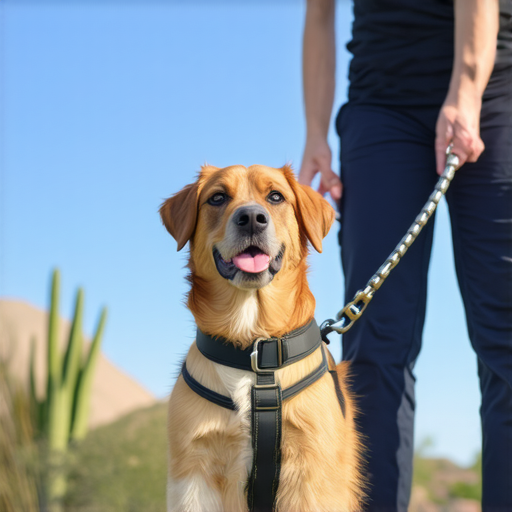

The Truth About Service Dog Training in Arizona
Training a service dog is more than just teaching commands; it’s about sculpting a partner capable of transforming lives. Arizona, with its diverse landscapes and climate, presents unique challenges and opportunities for trainers and owners alike. To succeed in 2024, understanding the core principles of effective service dog training is essential. Many assume that experience alone guarantees proficiency, but the real key lies in strategic approaches rooted in expertise and a clear understanding of individual needs.
Fundamentals of Service Dog Training
At its core, effective service dog training combines basic obedience with specialized skills tailored to an individual’s disabilities. It begins with foundational commands like sit, stay, and heel but evolves into complex tasks such as retrieving objects or alerting to medical conditions. In Arizona’s often extreme weather, keeping training consistent and safe is paramount. Trainers must adapt techniques to outdoor conditions, ensuring the dog stays motivated yet protected from the sun and heat.
Why is Breed Selection Critical for Service Dog Training?
Not all breeds excel as service animals. Choosing the right type can make or break the training process. Popular options like Labrador Retrievers and Golden Retrievers are favored for their temperament and trainability. In Arizona, where outdoor environments are common, selecting breeds that tolerate heat and have a calm demeanor is advisable. The right breed choice accelerates training efficiency and enhances long-term success.
How Can You Ensure Your Service Dog’s Success in Arizona?
Success hinges on consistent, positive reinforcement and a structured training plan. Engaging with certified trainers—such as those from reputable local programs—can make a significant difference. Incorporating real-world scenarios like bustling city streets or outdoor trails helps dogs adapt to unpredictable environments. Additionally, ongoing socialization and health care are vital to maintain the dog’s performance and well-being amidst Arizona’s unique climate challenges.
Here’s a map of prominent service dog training centers in Arizona:
Mastering Service Dog Training in Arizona: Strategies for Success in 2024
Beyond breed selection and foundational training, understanding the nuances of Arizona’s environment is crucial for creating effective training programs. One essential aspect is acclimating dogs to the state’s diverse terrains—from urban settings to remote desert trails. This exposure fosters adaptability, an attribute vital for service animals operating in unpredictable situations.
Integrating Real-World Scenarios into Training
Simulating daily challenges helps dogs build confidence and responsiveness. For example, training in crowded markets or busy streets acquaints service dogs with noise, movement, and distractions. Additionally, outdoor exposure to Arizona’s varied climate conditions, such as high temperatures and intense sunlight, prepares dogs to perform reliably, regardless of environmental stressors. Trainers often incorporate scheduled water breaks and shaded rest periods to safeguard the dog’s health during intense outdoor sessions.
The Importance of Consistent Socialization
Ongoing socialization extends beyond initial training. Regular interactions with people and other animals help dogs develop stable temperaments. In areas like Phoenix or Tucson, where community events and outdoor markets are common, social skills directly influence a service dog’s effectiveness and safety. Organized socialization sessions, combined with positive reinforcement, bolster a dog’s confidence in diverse settings. This approach reduces anxiety and enhances focus during challenging tasks.
Health and Wellness: The Foundations of Longevity
Arizona’s dry climate can lead to specific health concerns, such as dehydration or heatstroke. Routine veterinary care, including skin checks and parasite prevention, is vital. Proper nutrition supports a dog’s energy and resilience, accommodating the increased physical demands of outdoor environments. Ensuring a well-balanced diet, aligned with the dog’s activity level, can prevent fatigue and promote long-term training success.
Customized Training Plans for Unique Needs
No two individuals or climates are the same. Tailoring training programs to specific disabilities and lifestyle demands ensures a service dog’s optimal performance. For instance, a handler with mobility challenges might need specialized tasks like opening doors or retrieving objects from specific heights, while adjusting strategies to Arizona’s outdoor landscape. Working closely with certified trainers ensures these customized plans are both feasible and effective.
For those seeking expert guidance, exploring local training centers specializing in desert-adapted service dogs can be advantageous. Some programs offer outdoor training modules designed explicitly for Arizona’s weather. Collaborating with experienced trainers ensures that both dog and handler are prepared for real-world scenarios, ultimately leading to a successful partnership.
To identify reputable facilities, consider visiting Arizona Service Dogs Association, which provides resources and directories tailored to the state’s unique terrain and climate challenges. Additionally, engaging with community support groups can offer practical insights and shared experiences, further enriching the training process.
Optimizing Training Techniques for Complex Needs
While foundational commands are essential, mastering advanced training techniques can significantly improve a service dog’s responsiveness and reliability. Techniques such as target training and desensitization to environmental stimuli should be incorporated into regular sessions, especially in Arizona’s unique climate.
Implementing Target Training
This method teaches dogs to focus on a specific object or location, which is invaluable during distraction-heavy tasks. For example, training a dog to touch a designated target can help with guiding maneuvers in crowded urban settings or deserts.
Desensitization to Environmental Stimuli
Repeated exposure to common distractions—such as city noises, windstorms, or the glare of the sun—reduces overreaction. This process involves gradual, controlled exposure combined with positive reinforcement, ensuring the dog maintains composure in all scenarios.
Addressing Common Misconceptions in Service Dog Training
- Myth: All breeds are suitable for service work.
Fact: Specific breeds are better suited due to temperament, size, and environmental tolerance. Proper breed selection is crucial for success. - Myth: Training can be rushed.
Fact: Service dog training is a lengthy process that requires patience, consistency, and tailored approaches, especially in Arizona’s variable climate.
Detailed How-To: Managing Heat Stress During Outdoor Training
- Begin training early in the morning before temperatures peak.
- Ensure access to shaded areas and water breaks at regular intervals.
- Limit physical exertion during the hottest parts of the day.
- Use cooling vests or mats to help regulate body temperature.
Leveraging Local Resources for Advanced Training
Partnering with specialized trainers who understand the desert environment accelerates progress. Facilities focusing on outdoor, terrain-specific training provide essential experience for dogs expected to operate in Arizona’s diverse landscapes.
Explore programs like the Arizona Service Dogs Association for advanced modules and expert guidance tailored to regional challenges.
Emerging Technologies in Service Dog Training
As we look to 2024 and beyond, cutting-edge technologies are revolutionizing service dog training in Arizona. Innovations such as wearable gait analysis devices help trainers monitor a dog’s movement patterns in real-time, ensuring optimal stride and posture during outdoor training sessions. Additionally, virtual reality (VR) modules simulate complex environments like urban streets or remote trails, allowing dogs to acclimate to challenging scenarios within controlled indoor settings. These advancements accelerate training timelines and enhance reliability.
The Role of Telehealth and Remote Training
Telehealth platforms are increasingly vital in expanding access to expert guidance, especially for remote areas of Arizona where specialized trainers may be scarce. Virtual coaching sessions enable trainers to observe and correct behaviors in real-time, providing personalized feedback without the need for physical presence. This method offers flexibility and consistency in training schedules and can be particularly effective for ongoing socialization and reinforcement exercises.
Incorporating Holistic Wellness and Environmental Sustainability
Holistic approaches focusing on the mental and emotional well-being of service dogs are gaining prominence. Practices such as incorporating aromatherapy and mindfulness techniques can reduce stress during outdoor training in Arizona’s high-temperature environments. Moreover, trainers are adopting sustainable training practices—using eco-friendly materials and minimizing resource usage—aligning with the state’s commitment to environmental preservation. This dual focus supports durable, well-adjusted service animals while promoting ecological responsibility.
Addressing Future Challenges in Service Dog Training
While technology and holistic methods offer exciting prospects, future trainers must tackle challenges such as climate change-related weather unpredictability and increased urbanization. Adaptive training programs that integrate climate resilience-building—like acclimating dogs to sudden temperature spikes or dust storms—are essential. Urban expansion necessitates advanced socialization modules to prepare dogs for diverse human interactions in evolving landscapes. Continuous research and investment in regional-specific training strategies will be pivotal for success in the coming years.
Frequently Asked Questions
How long does it typically take to train a service dog in Arizona?
The duration varies based on the dog’s breed, age, and individual needs, but most comprehensive training programs span between 6 to 12 months.
Can I train my service dog at home in Arizona?
While basic obedience can start at home, specialized tasks and socialization are best developed under the guidance of certified trainers to ensure effectiveness and adherence to standards.
What climate considerations should I keep in mind during training?
Arizona’s high temperatures and intense sunlight require careful planning—training sessions should be scheduled during cooler parts of the day, with adequate hydration and shade for the dog’s safety.
Are there local resources to assist with advanced training techniques?
Yes, organizations like the Arizona Service Dogs Association offer resources, expert guidance, and specialized programs tailored to desert environments.
The Bottom Line
Mastering service dog training in Arizona demands a strategic blend of foundational skills, environmental adaptation, and ongoing socialization. Embracing emerging technologies, leveraging local expertise, and tailoring training plans to individual needs ensure that both dogs and handlers thrive despite regional challenges. By prioritizing health, resilience, and personalized approaches, you can forge a partnership that profoundly transforms lives, setting a benchmark for service dog success in 2024 and beyond.
Take the Next Step
Ready to embark on or enhance your service dog journey in Arizona? Reach out to reputable local trainers or explore dedicated programs to turn training challenges into achievable milestones. Your dedicated partnership awaits—start today!
I really appreciate how detailed this post is, especially the focus on environment-specific training in Arizona. Having trained dogs myself, I know that adapting to outdoor conditions like high heat and rocky terrains can make or break the success of a service dog’s performance. The mention of integrating real-world scenarios like city streets and desert trails really resonates, as exposure to these environments early on builds confidence and resilience. I’ve often wondered how trainers manage hydration and heat-related issues during long outdoor sessions, and I think the tips about scheduled water breaks and cooling vests are crucial. I’m curious, has anyone had experience with using VR or wearable tech during training in such extreme climates? It seems like these innovations could really help streamline the process and ensure dogs are adequately prepared for unpredictable situations. It’s encouraging to see that Arizona-based resources are advancing in both traditional and tech-driven training methods. Would love to hear more about how these new tools are impacting training outcomes or if there are particular programs in Arizona that stand out for these tech innovations.