
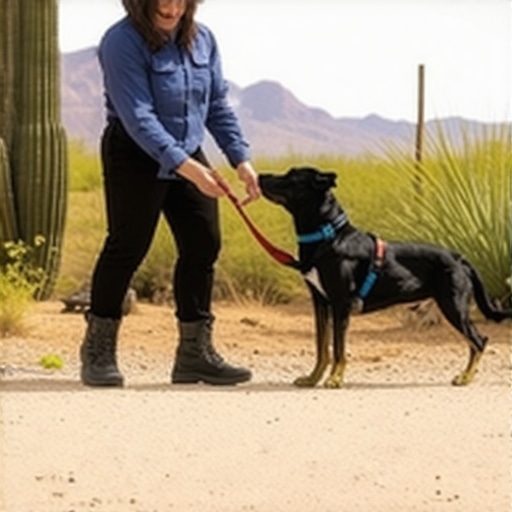
Unlocking the Secrets to Effective Service Dog Training in Arizona
Training a service dog is a profound journey that combines patience, expertise, and an understanding of the unique environment of Arizona. Whether you’re a seasoned trainer or a new handler, mastering the art of training your service dog can significantly enhance independence and quality of life for individuals with disabilities. In this guide, we’ll explore expert insights tailored specifically to Arizona’s climate, terrain, and legal landscape, ensuring your service dog training is both efficient and effective.
Why Arizona’s Climate Demands Specialized Training Techniques
Arizona’s hot, arid climate presents unique challenges that influence how you train your service dog. High temperatures can cause overheating, so early training sessions should occur during cooler parts of the day. Additionally, the rugged terrain of deserts and mountains requires your service dog to navigate safely and confidently. Training in such environments fosters adaptability and resilience, essential qualities for a service dog operating in diverse Arizona settings.
The Role of Local Resources and Expert Support
Arizona boasts numerous specialized dog training centers and veteran-focused organizations dedicated to service dog training. Collaborating with local experts—such as Robinson Dog Training—ensures access to tailored training programs that consider regional specifics. These professionals often incorporate positive reinforcement techniques, which are vital for fostering trust and obedience in your service dog.
Training Essentials: From Basic Commands to Task Mastery
Fundamental obedience skills like sit, stay, and heel form the foundation of effective service dog training. Building on this, task-specific training—such as alerting to medical conditions or retrieving objects—requires consistent practice in real-world Arizona scenarios. Incorporating environmental distractions and outdoor stimuli enhances your dog’s readiness for daily challenges.
How Can I Ensure My Service Dog Remains Calm and Focused in Arizona’s Busy Environments?
Maintaining focus amidst Arizona’s bustling city streets or crowded outdoor events involves desensitization and positive reinforcement. Gradually exposing your dog to these environments while rewarding calm behavior helps them develop resilience and confidence. Remember, patience and consistency are key to fostering a dependable service dog.
Considering the legal aspects, familiarize yourself with the ADA guidelines that protect your rights and ensure access to public spaces in Arizona. Proper training combined with understanding your legal rights empowers you to navigate public interactions smoothly.
Ready to dive deeper into Arizona-specific training techniques? Connect with local professionals and community groups to share experiences and tips. Your journey toward a well-trained service dog begins with informed, expert guidance—embrace it fully!
Share your training success stories in the comments, or read more about specialized training methods for service dogs in desert environments.
Adapting Training Strategies to Arizona’s Diverse Landscapes
One of the key aspects that often goes unnoticed is how Arizona’s varied terrains—from the sandy deserts to lush urban parks—demand flexible training approaches. For example, training your service dog to navigate loose gravel or uneven pavement can prevent potential accidents and increase their confidence. Incorporating real-world scenarios into your training routine helps your dog adapt seamlessly to the environments they’ll encounter daily.
The Importance of Temperature Regulation and Hydration
Arizona’s extreme heat requires meticulous attention to your service dog’s health. I’ve learned from personal experience that providing ample water and scheduled rest breaks during training sessions is crucial. Using cooling vests or mats can prevent overheating and ensure your dog remains comfortable and focused. Regularly monitoring your dog’s body language for signs of heat stress is a practice I highly recommend, especially during peak summer months.
Creating a Customized Training Plan Based on Your Dog’s Temperament
Every dog is unique, and tailoring your training to your dog’s personality can dramatically improve results. For instance, dogs with high energy levels might benefit from more vigorous outdoor activities, while calmer dogs may excel with shorter, more frequent sessions. Recognizing these nuances allows you to develop a training plan that maximizes your dog’s potential and reduces frustration for both of you.
What are the best tools and technologies to enhance service dog training in challenging Arizona environments?
Utilizing modern tools like GPS trackers or specialized harnesses can greatly enhance training efficacy and safety. For example, a GPS device can help monitor your dog’s location during outdoor adventures, ensuring they stay within safe boundaries. Additionally, apps designed for dog training can provide instant feedback and track progress, making your training sessions more structured and goal-oriented. Combining these technologies with traditional positive reinforcement techniques creates a comprehensive training approach that’s both effective and engaging.
Incorporating local resources, like Arizona-based Robinson Dog Training, can also give you access to trainers who understand regional challenges firsthand. Their insights into desert-specific training methods and behavioral management are invaluable for developing resilient, well-trained service dogs.
Legal and Community Considerations for Service Dog Handlers
Understanding your rights under the ADA guidelines is essential, but building a supportive community is equally important. Engaging with local service dog groups or online forums can provide encouragement, practical advice, and shared experiences. These connections can help you navigate public interactions more confidently and foster a sense of belonging within the service dog community.
Have you faced unique training challenges in Arizona? Or perhaps you’ve discovered innovative techniques that work well in this environment? I encourage you to share your insights or ask questions in the comments—your experiences could be a guiding light for others on their service dog journey. Remember, continuous learning and community support are vital components of successful training.
Innovative Techniques for Desert Adaptation and Environmental Resilience in Service Dog Training
Building on foundational training principles, it is crucial to incorporate advanced strategies that address Arizona’s diverse landscapes and climate extremes. For example, integrating terrain-specific agility exercises, such as navigating loose gravel or rocky paths, enhances a service dog’s confidence and safety in real-world scenarios. Trainers often employ simulated outdoor challenges during training sessions, gradually increasing complexity to foster resilience and problem-solving abilities.
How Can Sensory Training Be Tailored to Desert and Urban Environments?
Sensory integration plays a vital role in preparing service dogs for Arizona’s contrasting environments. Techniques like controlled exposure to wind-blown sand, urban noise, and diverse terrain textures can significantly improve a dog’s adaptability. Using scent discrimination exercises—such as locating hidden objects in sandy or rocky settings—can sharpen their environmental awareness, ensuring they respond appropriately amidst distractions.
Furthermore, advanced scent training can be customized with specific odors relevant to desert life, such as native plants or mineral scents, fostering specialized alerting behaviors. For urban settings, exposure to city sounds, traffic, and crowds using desensitization protocols enables dogs to maintain focus and composure under stress.
Leveraging Technology for Precision and Safety in Challenging Conditions
Modern training tools can revolutionize how you prepare your service dog for Arizona’s complex terrains. GPS tracking devices, like advanced GPS collars, allow handlers to monitor their dog’s location during outdoor activities, ensuring safety in remote or rugged areas. Additionally, wearable health monitors provide real-time data on body temperature, heart rate, and hydration levels, which are critical during extreme heat.
Integrating mobile apps designed for service dog training offers structured protocols, progress tracking, and instant feedback, enabling trainers to adapt sessions dynamically. Combining these technological solutions with traditional positive reinforcement techniques creates a comprehensive training ecosystem that maximizes efficiency and safety.
Expert Insights: Customizing Training Based on Canine Temperament and Regional Challenges
Understanding your dog’s individual temperament is essential for optimizing training outcomes. For instance, high-energy dogs may benefit from high-intensity outdoor workouts that expend excess energy and improve focus, while calmer dogs might excel with more nuanced tasks and shorter sessions. Recognizing these traits allows trainers to devise personalized plans that enhance motivation and reduce frustration.
For regional challenges, collaborating with local experts—such as regional trainers who understand desert-specific behavioral issues—can provide invaluable insights. They often employ culturally and environmentally adapted training regimens that address common issues like heat stress management, desert predator awareness, and navigation on uneven terrain.
What emerging research supports the integration of environmental psychology in service dog training?
Recent studies, such as those published in the Journal of Applied Animal Welfare Science, highlight the importance of environmental psychology in training resilient service animals. These findings suggest that exposure to diverse stimuli enhances a dog’s stress coping mechanisms and decision-making capabilities, particularly in unpredictable environments like Arizona’s deserts and urban areas. Incorporating environmental enrichment strategies, such as varied terrain exposure and sensory modulation, aligns with these cutting-edge insights, promoting better behavioral adaptability and overall well-being.
If you’re eager to deepen your understanding or seek tailored advice, consulting with regional training specialists or attending workshops focused on desert environment training can be transformative. Your commitment to advanced training techniques not only benefits your service dog but also elevates the standards of service animal support across diverse terrains.
Harnessing Environmental Psychology to Elevate Service Dog Performance in Desert Climates
In the realm of service dog training, integrating principles of environmental psychology can significantly enhance a dog’s resilience and adaptability, especially in Arizona’s demanding desert landscape. Recent research, such as that published in the Journal of Applied Animal Welfare Science, underscores the importance of diversified stimuli exposure to foster emotional stability and decision-making prowess in service animals. By systematically introducing varied terrain textures, ambient noises, and scent profiles during training, handlers can cultivate a more confident and stress-resilient canine partner, capable of navigating both urban and rugged terrains with ease.
Innovative Terrain-Specific Training Modules for Desert Resilience
Beyond basic obedience, specialized modules that simulate Arizona’s diverse terrains—such as navigating loose gravel, rocky paths, and sandy dunes—are essential. These modules should progressively increase in complexity, incorporating obstacles like uneven surfaces and sudden auditory distractions. Employing tools such as agility tunnels, balance beams, and scent trails tailored to desert flora enhances sensory integration and physical agility. Such rigorous, environment-specific training ensures your service dog remains steadfast and responsive in real-world scenarios, reducing risk and increasing independence.
Expert Q&A: How Can Trainers Optimize Hydration and Temperature Regulation in Arid Settings?
Maintaining optimal hydration and temperature regulation is paramount. Experts recommend using cooling vests and mats during outdoor training sessions, coupled with scheduled hydration breaks to prevent heat stress. Monitoring your dog’s body language for signs of overheating—such as excessive panting or lethargy—is crucial. Additionally, integrating technology like wearable health monitors can provide real-time physiological data, enabling immediate intervention if necessary. For comprehensive guidance on heat stress management, consult sources like the American Veterinary Medical Association’s guidelines on canine heat stroke prevention.
Empowering Trainers with Advanced Tech for Safety and Precision
Modern training tools, including GPS collars like GPS trackers and health monitoring devices, offer unprecedented safety and data collection capabilities. These tools facilitate precise navigation in remote or challenging terrains, track activity levels, and alert handlers to early signs of fatigue or distress. Incorporating mobile applications designed for service dog training enables structured progress tracking, immediate feedback, and tailored adjustments, thereby elevating training efficacy in Arizona’s complex environments.
Regional Expertise: Collaborating with Local Trainers for Tailored Solutions
Partnering with Arizona-based trainers who possess intimate knowledge of local challenges—such as extreme heat, desert wildlife, and urban noise—is invaluable. These professionals often employ culturally and environmentally adapted training techniques that address specific behavioral issues like heat stress mitigation, predator awareness, and navigation on uneven surfaces. Such collaborations ensure your service dog is not only well-trained but also resilient and adaptable to regional idiosyncrasies.
The Role of Community and Policy in Sustaining Service Dog Efficacy
Beyond physical training, engaging with local service dog advocacy groups and understanding legal protections under the ADA guidelines can empower handlers. Building a network of support and sharing regional experiences fosters community resilience and enhances public awareness. Active participation in workshops and forums focused on desert environment training can further refine techniques and ensure your service dog’s performance remains robust across Arizona’s diverse settings.
Future-Forward: Integrating Emerging Technologies and Scientific Insights
The future of service dog training lies in harnessing emerging technologies—such as scent discrimination apps and environmental enrichment tools—that are tailored to desert and urban contexts. These innovations, supported by ongoing research into canine cognition and behavior, enable trainers to create highly personalized, dynamic training protocols. Staying abreast of scientific developments, such as those highlighted in recent publications, ensures your training approach remains at the cutting edge, maximizing your service dog’s potential in Arizona’s challenging environments.
To elevate your training program, consider consulting regional experts and investing in cutting-edge tools designed for desert resilience. Your commitment to advanced training techniques not only benefits your dog’s performance but also sets a new standard for service animal support in extreme environments.
Frequently Asked Questions (FAQ)
How does Arizona’s climate affect service dog training strategies?
Arizona’s extreme heat and arid environment necessitate specialized training techniques focused on temperature regulation, hydration, and terrain navigation. Training sessions are optimized during cooler parts of the day, and handlers often incorporate cooling vests, frequent water breaks, and acclimatization to desert terrains to ensure safety and resilience.
What are the best tools and technological aids for training service dogs in challenging Arizona environments?
Modern tools like GPS trackers, health monitors, and scent detection apps are invaluable. GPS devices help monitor your dog’s location in remote areas, while health monitors track vital signs like temperature and hydration. These technologies, combined with positive reinforcement, enhance safety and training precision.
How can I adapt training for Arizona’s diverse landscapes?
Incorporating terrain-specific exercises such as navigating loose gravel, rocky paths, and sandy dunes prepares your service dog for real-world scenarios. Using agility equipment and scent trails tailored to desert and urban environments improves physical agility and sensory awareness.
What legal rights and community resources are available for service dog handlers in Arizona?
Handlers should familiarize themselves with the Americans with Disabilities Act (ADA) guidelines, which protect access rights. Connecting with local organizations like Arizona-based training centers and service dog groups fosters community support, shared knowledge, and advocacy efforts that benefit handlers and dogs alike.
How can environmental psychology improve my service dog’s performance in harsh climates?
Environmental psychology techniques, such as exposure to varied terrains, sounds, and scents, promote emotional stability and adaptability. These methods enhance decision-making and resilience, making your service dog more confident in desert and urban settings.
What emerging research supports specialized desert training for service dogs?
Recent studies in animal welfare science emphasize the importance of environmental enrichment and sensory integration for resilience. Incorporating diverse stimuli during training fosters better stress management, decision-making, and overall behavioral flexibility in challenging environments like Arizona’s deserts.
How can I ensure my service dog stays calm and focused in busy or noisy environments?
Gradual desensitization combined with positive reinforcement helps your dog maintain focus amidst distractions. Training in simulated busy settings and rewarding calm behavior build confidence and resilience, essential for effective service work.
What future technologies could revolutionize service dog training in extreme climates?
Innovations like scent discrimination apps, advanced GPS collars, and real-time physiological monitors are shaping the future. These tools enable personalized, data-driven training protocols that improve safety, efficiency, and adaptability in Arizona’s demanding landscapes.
How important is tailoring training to my dog’s personality and regional challenges?
Understanding your dog’s temperament allows for customized training, increasing motivation and reducing frustration. Partnering with local trainers familiar with regional challenges ensures your dog develops resilience, confidence, and specialized skills suited for Arizona’s environment.
Trusted External Sources
- Arizona Animal Welfare League & SPCA: Offers resources on pet health, behavior, and regional training considerations specific to Arizona’s climate and terrain.
- American Veterinary Medical Association (AVMA): Provides guidelines on canine heat stress prevention and hydration strategies crucial for desert environments.
- Journal of Applied Animal Welfare Science: Publishes research on environmental enrichment and sensory training techniques that enhance service dog resilience in challenging climates.
- Canine Companions for Independence: A leading organization specializing in service dog training and support, with regional insights applicable to Arizona.
- Arizona Department of Transportation (ADOT): Offers information on navigating transportation laws and access rights for service dog handlers in Arizona.
Conclusion
Effective service dog training in Arizona requires a nuanced understanding of the state’s unique climate, terrain, and legal landscape. Incorporating specialized techniques—such as terrain adaptation, temperature regulation, and sensory training—alongside advanced technology and expert support, can significantly enhance your dog’s resilience and performance. Building on regional resources, community networks, and scientific insights ensures your service dog is well-prepared to navigate both desert and urban environments with confidence. Continual learning and adaptation are key to nurturing a dependable, skilled service dog that improves independence and quality of life. Share your experiences, ask questions, and explore further expert content to elevate your service dog journey.
This post highlights some truly important aspects of service dog training in such a unique environment like Arizona. I particularly agree with the emphasis on terrain-specific exercises—navigating rocky paths and loose gravel really helped my own dog gain confidence in uneven outdoor terrains. I’ve also used cooling vests during the hottest months, which makes a notable difference in maintaining my dog’s focus and comfort.
One aspect I’m curious about is sensory training tailored for urban versus desert environments. Have others found effective ways to desensitize their dogs to city noises or sandy winds? I believe some structured exposure combined with specific scent exercises could enhance environmental awareness further.
It’s exciting to see the integration of technology like GPS collars and health monitors becoming standard. Do you think these tools will eventually replace some traditional training methods or simply augment them? I’d love to hear other trainers’ thoughts on balancing tech and tactile experience in desert training scenarios.
This article offers comprehensive guidance, particularly on how different Arizona terrains require tailored training strategies for service dogs. I found it very helpful how it emphasized real-world experiences like navigating rocky and sandy surfaces, which I’ve seen make a big difference in my own training sessions, especially in desert environments. Incorporating tech tools such as GPS trackers has indeed been a game-changer, allowing me to monitor my dog’s location during outdoor adventures and quickly address any issues related to overheating or fatigue.
Regarding sensory training, I’ve experimented with exposing my dog to urban noise levels and sandy wind conditions separately, then combining these during more complex exercises. Has anyone found a particular scent discrimination or desensitization method especially effective for urban versus natural desert environments? I’d love to hear tips on optimizing sensory exposure without overwhelming the dog.
Also, I agree that these technological aids are excellent supplements but should complement, not replace, traditional training techniques. What’s everyone’s opinion on the balance between high-tech tools and hands-on experiences in such challenging climates? It seems a hybrid approach might be most effective for resilience and adaptability.
Reading this post really made me reflect on how crucial it is to adapt training methods to Arizona’s unique environment. I’ve found that incorporating varied terrain exercises, especially navigating rocky and sandy paths, has boosted my service dog’s confidence a lot quicker. Also, using cooling vests and regular hydration breaks during the intense summer heat has been a game-changer—not only for safety but for maintaining focus. I’m curious, has anyone tried specialized scent training that focuses on desert-native plants or minerals? I think that could really enhance a service dog’s environmental awareness beyond basic obedience.
This post really resonated with me, especially the emphasis on using terrain-specific exercises like navigating rocky paths and sandy dunes. When I trained my service dog in Arizona, I found that gradually increasing the difficulty of these terrains during outdoor sessions helped build confidence and trust between us. I also started incorporating scent exercises that focused on native desert flora, which seemed to enhance my dog’s alertness and environmental awareness. It’s evident that a tailored approach considering Arizona’s landscapes can make a significant difference. I’m curious, how do others balance training intensity with ensuring their dogs don’t become overly stressed, especially during the hottest months? Have you found particular routines or times of day that work best to avoid heat exhaustion? I’d love to hear different strategies that have helped others maintain consistency without compromising safety.
I really appreciated this detailed post. As someone who’s been working with service dogs in Arizona for a few years, I find that integrating environmental enrichment with consistent temperature regulation techniques makes a huge difference. Using cooling vests is essential, especially during peak heat, but I’ve also started incorporating short, scenario-based training on uneven terrain, like rocky paths and sandy dunes, early in the training process. It prepares the dog for real-world challenges and helps build confidence.
One challenge I face is balancing the intensity of outdoor training with my dog’s comfort. Have others here experimented with different pacing or recovery strategies to prevent heat stress while maintaining effective training sessions? I’d love to hear what has worked for others, particularly in managing training schedules during the hotter months.