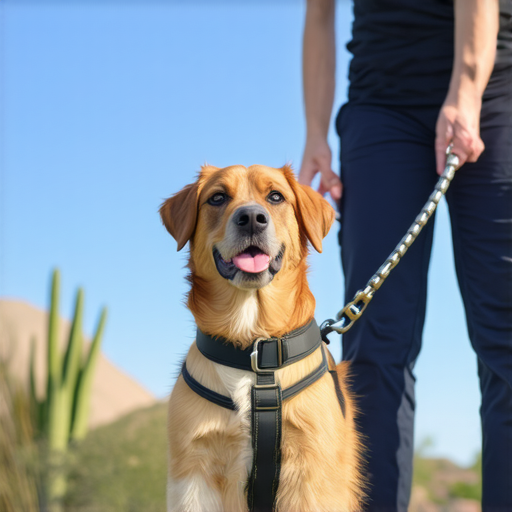

Unlock the Secrets to Successful Service Dog Training in Arizona
Embarking on the journey to train a service dog in Arizona requires more than just patience—it demands a strategic approach rooted in expertise and understanding of local nuances. As the demand for highly trained service animals rises, especially in regions with diverse terrains and climates like Arizona, knowing the best practices can make all the difference. This guide dives into expert insights and innovative tips for effective service dog training in Arizona, ensuring your furry partner is ready to assist with confidence and precision in 2024.
Why Arizona’s Unique Environment Shapes Service Dog Training
Adapting Training Techniques to Desert Terrains and Climate Variations
Arizona’s arid climate and expansive landscapes pose distinctive challenges and opportunities for service dog training. Trainers must incorporate environmental acclimatization, helping dogs navigate heat, dust, and diverse terrains. For example, introducing your dog to rocky trails or urban settings like Phoenix ensures they remain focused and obedient regardless of distractions. Understanding these nuances is crucial for creating a resilient and adaptable service dog.
Building Trust and Communication: The Foundation of Effective Training
Successful training hinges on a bond of trust and clear communication. Using positive reinforcement techniques tailored to Arizona’s environment—such as reward-based commands with treats or clicker training—can foster a strong partnership. Experienced trainers often emphasize consistency and patience, especially in high-temperature conditions where stress levels may rise. Practical examples include teaching commands like ‘sit’ or ‘stay’ in noisy, outdoor settings to simulate real-life scenarios your service dog will encounter.
The Role of Specialized Training Programs in Arizona
Local training facilities, such as Robinson Dog Training in Mesa, offer tailored programs that consider Arizona’s unique needs. These programs often include socialization with other animals and exposure to public spaces, essential for service dogs to operate confidently in crowded areas, shopping centers, or outdoor events. Such programs are designed by experts who understand regional challenges, ensuring your service dog is prepared for 2024’s evolving landscape of public accessibility and safety.
What are the key skills a service dog in Arizona must master for optimal assistance?
Essential skills include environmental adaptability, distraction management, and specific task training such as guiding the visually impaired or alerting to medical conditions. Incorporating local elements, like navigating through busy city streets or dealing with sudden weather changes, enhances overall performance. For detailed training techniques, reputable sources like the American Kennel Club provide comprehensive guidelines on service dog training standards.
Interested in professional service dog training? Consider consulting with local experts or visiting top-rated facilities to assess the best options for your needs. Feel free to comment below or share this article with fellow dog enthusiasts eager to learn more about effective training strategies in Arizona.
For further insights, explore authoritative resources such as the [Assistance Dogs International](https://assistancedogsinternational.org/) website, which offers extensive information on standards and best practices in service dog training across diverse environments.
Mastering the Art of Service Dog Training Amid Arizona’s Diverse Landscapes
Building upon foundational training techniques, experienced handlers and trainers recognize the importance of customizing approaches to suit Arizona’s ever-changing landscapes. From managing the intense summer heat to navigating urban settings like downtown Phoenix, every environment offers unique challenges and learning opportunities. I recall working with a client whose service dog had difficulty focusing during sudden dust storms—by gradually exposing the dog to simulated conditions, we enhanced its resilience and focus, illustrating the power of adaptive training methods.
Incorporating Technology and Innovation in Training
Recent advancements, such as GPS tracking devices and health monitoring wearables, can significantly elevate service dog training and daily operation. These tools enable handlers to monitor their dog’s health metrics and location, especially in sprawling desert terrains or crowded areas. For example, American Kennel Club emphasizes how integrating technology can improve safety and efficiency, ensuring your service dog remains a reliable partner through all of Arizona’s adventures. Personally, I’ve found that using clicker training combined with app-based progress tracking accelerates learning and reinforces positive behaviors.
Addressing the Unexpected: Preparing for Sudden Weather Changes
Arizona’s unpredictable weather—ranging from scorching heat to sudden monsoons—requires service dogs to be adaptable and calm under pressure. During training, I often simulate weather-related distractions, such as sudden rain or wind, to condition dogs to remain attentive and obedient. Understanding how to manage these environmental stresses is crucial; for instance, teaching dogs to seek shade or hydration cues can prevent overheating. This hands-on approach, supported by guidance from reputable sources like Assistance Dogs International, ensures your service dog’s safety and effectiveness in real-world scenarios.
Ever wondered how to keep your service dog motivated during intense Arizona summers?
One practical approach is to incorporate cooling vests and shade breaks into training routines, making sessions both effective and comfortable. Additionally, rewarding calm behavior in challenging conditions helps reinforce resilience. If you’re curious about other innovative strategies or want to share your experiences, I invite you to comment below or connect with fellow enthusiasts. Sharing insights fosters a community of well-informed handlers dedicated to excellence in service dog training.
Harnessing the Power of Sensory Integration in Arizona’s Varied Climates
One of the most sophisticated techniques in service dog training involves sensory integration, where handlers teach dogs to process and respond appropriately to multiple environmental stimuli simultaneously. Arizona’s stark contrast between scorching summers and cooler desert nights necessitates training that enhances a dog’s ability to filter relevant cues from background noise and distractions. For instance, integrating auditory, visual, and olfactory distractions during training sessions—such as simulated desert winds, bustling urban sounds, or the scent of desert flora—can significantly improve a dog’s focus and resilience in real-world scenarios.
Implementing Evidence-Based Behavioral Modification for Resilience
Advanced training incorporates evidence-based behavioral modification techniques, such as desensitization and counterconditioning, tailored to Arizona’s unique stressors. For example, dogs exposed gradually to the intense heat or sudden weather changes develop a higher threshold for stress, which is crucial for maintaining composure in service roles. Trainers often utilize data-driven approaches, including physiological monitoring (heart rate, cortisol levels), to fine-tune training protocols and optimize a dog’s emotional stability. This scientific approach ensures that service dogs are not only obedient but also resilient against environmental and psychological stressors.
How can understanding regional environmental psychology enhance service dog training?
Understanding regional environmental psychology—how dogs perceive and react to their surroundings—can revolutionize training methodologies. In Arizona, the perception of vast open spaces, high temperatures, and urban noise influences a dog’s behavioral responses. Trainers who incorporate environmental psychology principles use contextual cues to shape adaptive behaviors, such as teaching dogs to recognize and respond to specific stimuli like the scent markers of desert wildlife or urban pollutants. This nuanced understanding allows for training that is both deeply personalized and highly effective, fostering a bond of trust and predictability essential for service work.
For those seeking to elevate their training regimen, consulting specialized resources like the Assistance Dogs International standards provides comprehensive guidelines on environmental adaptation techniques and behavioral assessments. Continuous education and collaboration with regional experts ensure service dogs are prepared for Arizona’s dynamic landscapes, ultimately enhancing their performance and safety in complex environments.
Integrating Technology for Precision and Safety in Service Dog Training
Incorporating cutting-edge technology such as bio-telemetry devices and AI-powered training tools can vastly improve training precision and safety. Wearables that monitor physiological responses enable trainers to identify early signs of stress or fatigue, facilitating real-time adjustments. For example, during hot summer months, a dog’s temperature and hydration levels can be continuously tracked, preventing heat exhaustion. Moreover, GPS tracking systems embedded in harnesses or collars allow handlers to oversee their dog’s location, ensuring safety during outdoor excursions in remote desert areas.
Recent innovations like virtual reality (VR) simulations are also gaining traction, allowing dogs to experience controlled versions of challenging environments. These immersive experiences prepare service dogs for high-stakes scenarios, such as navigating crowded urban centers or responding to sudden environmental hazards, with minimal risk. As technology continues to evolve, it becomes an indispensable ally in developing resilient, highly trained service dogs capable of thriving amidst Arizona’s diverse landscapes.
Proactive Strategies for Weather-Related Challenges and Unpredictable Environmental Changes
Proactively addressing Arizona’s unpredictable weather involves strategic planning and dynamic training modules. For instance, training dogs to recognize and respond to early signs of overheating, such as seeking shade or hydration cues, can prevent emergencies. Implementing scheduled breaks in shaded areas, providing cooling vests, and training dogs to associate specific commands with cooling or hydration routines are vital components of this approach. These strategies not only safeguard the animal’s health but also ensure consistent performance in varied conditions.
Furthermore, simulation exercises that mimic dust storms, monsoons, or sudden temperature drops prepare dogs for real-time environmental shifts. Incorporating these scenarios into routine training sessions enhances their adaptability and confidence, making them more effective service partners. For handlers and trainers committed to excellence, ongoing education through authoritative sources like Assistance Dogs International ensures adherence to best practices and continuous improvement in training techniques tailored to Arizona’s climate.
Harnessing Regional Environmental Psychology to Elevate Service Dog Training
Understanding how Arizona’s unique environmental stimuli influence canine perception is essential for developing resilient service dogs. By integrating principles of environmental psychology, trainers can tailor cues and routines that help dogs interpret and adapt to specific regional challenges, such as urban noise or desert wildlife scents. For instance, training sessions that incorporate elements like visual cues of distant mountain ranges or the scent of desert flora can enhance a dog’s contextual awareness, promoting quicker response times and stronger trust in handler commands.
Innovative Behavioral Modification Techniques for Desert Resilience
Employing evidence-based behavioral strategies such as desensitization and counterconditioning, trainers can prepare dogs for unforeseen environmental stressors like sudden dust storms or monsoons. Utilizing physiological monitoring tools—like heart rate variability sensors—allows for precise adjustments during training, fostering emotional stability. This scientific approach ensures that service dogs maintain composure and responsiveness, even amid Arizona’s unpredictable weather patterns, thereby enhancing their reliability in critical situations.
What cutting-edge technologies are revolutionizing service dog training in arid environments?
Emerging innovations such as AI-driven behavioral analytics and wearable health monitors are transforming the training landscape. Devices that track vital signs and environmental exposure enable real-time data collection, allowing trainers to identify early stress indicators. Moreover, immersive VR simulations of extreme conditions—like intense heat or sudden storms—offer safe yet effective exposure therapy, building resilience without risking the animal’s safety. According to the Assistance Dogs International standards, integrating these technologies aligns with best practices for high-stakes service work in challenging terrains.
Could environmental psychology redefine how we prepare service dogs for urban and rural settings?
Indeed, applying environmental psychology principles allows handlers to anticipate and shape canine responses to complex surroundings, from bustling city streets to remote desert paths. Recognizing how dogs perceive stimuli such as urban pollutants or desert wind patterns helps trainers develop specialized cues, like scent discrimination or visual focus techniques, that enhance situational awareness. This nuanced understanding fosters a more adaptive and confident service dog, capable of thriving in Arizona’s multifaceted landscapes.
Join the forefront of service dog training innovation today
By embracing these advanced strategies and technologies, trainers and handlers can significantly improve the effectiveness, safety, and resilience of service dogs operating in Arizona’s demanding environments. Continuous education, coupled with a commitment to scientific and psychological insights, ensures your canine partner is prepared for any challenge. Reach out to specialized trainers or explore authoritative resources to elevate your training program and unlock your service dog’s full potential in 2024 and beyond.
Frequently Asked Questions (FAQ)
What are the most critical skills a service dog in Arizona needs to succeed?
In Arizona’s unique environment, a service dog must master environmental adaptability, distraction management, and specific task training such as guiding the visually impaired or alerting to medical conditions. Skills like navigating hot pavement, crowded urban areas, and sudden weather changes are essential. Incorporating local elements into training, such as urban noise or desert terrain, ensures the dog performs reliably in real-world scenarios.
How does Arizona’s climate influence service dog training methods?
Arizona’s arid climate and extreme temperatures necessitate specialized training approaches. Trainers often focus on desensitizing dogs to heat, dust, and sun exposure, using simulated outdoor conditions and regular hydration routines. Cooling techniques, such as vests and shaded breaks, are integrated into training to prevent heat exhaustion and promote resilience.
What role does technology play in modern service dog training in desert environments?
Technologies like GPS tracking devices, health monitoring wearables, and AI-powered behavioral analysis tools are revolutionizing training. These tools enable real-time monitoring of a dog’s physiological responses, track location during outdoor activities, and facilitate data-driven adjustments. VR simulations of environmental challenges also prepare dogs for urban and rural settings safely and effectively.
How can regional environmental psychology improve service dog training?
Understanding how dogs perceive and react to Arizona’s landscapes—such as open deserts, urban noise, or mountain vistas—helps trainers tailor cues and routines. This personalized approach fosters better environmental awareness, quicker response times, and increased trust, making dogs more adaptable to diverse settings.
What strategies are effective for preparing service dogs for sudden weather changes?
Proactive training includes simulating dust storms, monsoons, and temperature fluctuations to build resilience. Teaching dogs to seek shade, hydrate, and respond to weather-related commands enhances safety. Using physiological monitoring ensures the dog’s health is maintained during these challenging scenarios, improving overall performance and reliability.
Where can I find reputable training programs in Arizona?
Local facilities such as Robinson Dog Training in Mesa and the Assistance Dogs International accredited programs offer specialized training considering Arizona’s environment. Consulting with regional experts and visiting top-rated training centers can help you select the best program to meet your needs and ensure your service dog is well-prepared.
How does sensory integration training benefit service dogs in Arizona?
Sensory integration techniques teach dogs to process multiple environmental stimuli simultaneously, such as desert winds, urban noise, and scents. This enhances their focus, resilience, and situational awareness, critical for service tasks in Arizona’s varied landscapes. Incorporating diverse sensory distractions during training boosts confidence and operational effectiveness.
What is the significance of behavioral modification techniques like desensitization in desert training?
Desensitization and counterconditioning help dogs develop emotional stability against environmental stressors like heat and dust. Using physiological data, trainers gradually expose dogs to challenging stimuli, fostering calmness and responsiveness. These evidence-based methods make service dogs more resilient and dependable in unpredictable conditions.
How can I incorporate the latest innovations to enhance my service dog training?
Utilize wearable health monitors, GPS systems, and immersive VR environments to simulate challenging scenarios safely. These tools provide precise data for tailored training adjustments, improve safety, and accelerate learning. Staying updated with technological advancements from reputable organizations like Assistance Dogs International ensures your training remains cutting-edge and effective.
In what ways can environmental psychology reshape service dog training in urban vs. rural Arizona?
Applying environmental psychology helps trainers anticipate canine perceptions of urban pollutants, desert wildlife, or open spaces. This insight allows for developing cues and routines that foster adaptability, confidence, and safety across various environments. Personalized training based on environmental cues results in more capable and trustworthy service dogs.
Trusted External Sources
- Assistance Dogs International: Provides comprehensive standards and best practices for service dog training, emphasizing environmental adaptation and behavioral health.
- American Kennel Club (AKC): Offers authoritative guidelines on training techniques, breed-specific skills, and technological integration for service dogs.
- University of Arizona’s Veterinary Sciences Department: Conducts research on canine health, environmental adaptation, and behavioral science relevant to desert climates.
- Canine Companions for Independence: A leading organization specializing in training service dogs with expertise in handling diverse environments and client needs.
Conclusion
Training a service dog in Arizona involves a nuanced understanding of regional environmental factors, innovative technological tools, and evidence-based behavioral techniques. By customizing training to adapt to desert climates, urban settings, and sudden weather changes, handlers can develop resilient, highly capable service animals. Continuous education through reputable sources and leveraging the latest advancements ensures your service dog performs reliably, safely, and confidently across Arizona’s diverse landscapes. Share this expert knowledge, engage with community discussions, and explore further resources to elevate your service dog training journey in 2024 and beyond.
Training a service dog in Arizona’s challenging environment truly requires a tailored approach. I have personally seen how integrating environmental desensitization — like exposing dogs to dusty trails or high heat in controlled settings — can drastically improve their resilience and focus. The use of technology, especially GPS and health monitors, is a game changer for maintaining safety during outdoor training. I wonder, what are some effective ways to keep motivation high for dogs during the intense summer heat, especially for long training sessions? Has anyone tried combining cooling vests with specific reinforcement techniques to prevent heat exhaustion while maintaining progress? I believe that understanding regional environmental factors, like desert sounds or urban distractions, is crucial for creating confident, adaptable service dogs. It’s inspiring to see how combining scientific methods with practical, regional training strategies can enhance the reliability of these incredible animals. I’d love to hear others’ experiences with training in extreme climates—what worked best for your team?