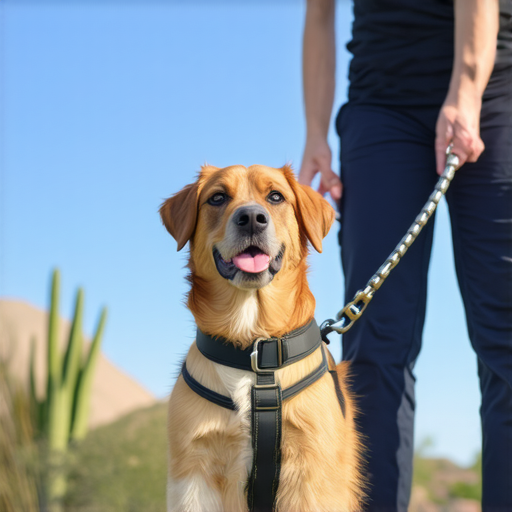
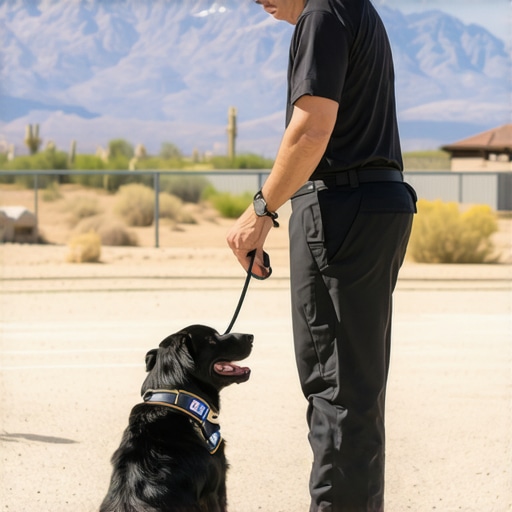
Unlocking the Secrets of Effective Service Dog Training in Arizona
Every year, countless individuals in Arizona seek expert guidance to train their service dogs effectively. With the unique climate, diverse terrain, and specific legal considerations of the Grand Canyon State, understanding the nuances of service dog training is essential for success in 2024. This article explores expert tips, innovative methods, and practical insights that can transform your training journey into a rewarding experience.
Why Arizona’s Environment Demands Tailored Training Approaches
Arizona’s desert landscape, extreme temperatures, and bustling urban centers create a distinctive environment for service dog training. Trainers must incorporate environmental acclimatization techniques, ensuring dogs remain calm and focused amidst distractions like heatwaves or crowded areas. According to the American Kennel Club, training in varied settings enhances a dog’s adaptability and reliability (AKC, 2023).
Building a Foundation: The Role of Consistency and Positive Reinforcement
At the core of successful service dog training is consistent communication and positive reinforcement. Experienced trainers emphasize the importance of clear cues, patience, and rewarding desired behaviors. Utilizing clicker training and reward-based systems accelerates learning and builds trust, crucial for service dogs that will assist in sensitive situations.
Expert Tip: Integrating Local Resources for Enhanced Training
Arizona boasts specialized training facilities such as Robinson Dog Training, which offers tailored programs that consider local environmental factors. Collaborating with local trainers familiar with Arizona’s unique challenges ensures your service dog is well-prepared for real-world scenarios.
What Are the Key Traits to Look for in a Service Dog Candidate in Arizona?
When selecting a service dog in Arizona, focus on temperament, adaptability, and resilience. Dogs that handle heat, noise, and urban distractions calmly are ideal. Ensuring the dog’s health and fitness is equally important, given the demanding outdoor conditions they will encounter.
Harnessing Technology and Community Support for Optimal Results
Modern training methods leverage technology such as GPS trackers and training apps to monitor progress and provide real-time feedback. Additionally, joining local support groups can offer encouragement, shared expertise, and motivation. Arizona’s vibrant community of service dog handlers and trainers fosters an environment of continuous learning and improvement.
For a comprehensive training experience, visit American Kennel Club.
Adapting Training Techniques to Arizona’s Unique Climate and Terrain
Arizona’s diverse landscape, from desert plains to urban environments, requires a nuanced approach to service dog training. As an experienced trainer, I’ve found that acclimating dogs to extreme temperatures—both scorching heat and occasional chilly nights—can significantly improve their resilience and performance. Incorporating outdoor training sessions during different times of the day helps dogs develop tolerance to temperature fluctuations, ensuring they remain calm and responsive in various conditions.
The Importance of Socialization in High-Distraction Environments
Arizona’s bustling cities and popular outdoor spots are perfect for socialization but can also be overwhelming for a service dog in training. I recommend gradually exposing dogs to crowds, traffic sounds, and diverse sights while maintaining positive reinforcement. This approach builds confidence and reduces anxiety, which are critical traits for service dogs operating in unpredictable environments. Regular visits to places like Robinson Dog Training exemplify how local facilities can support tailored socialization programs.
How Do You Know When a Service Dog Candidate Is Ready for Real-World Challenges?
Assessing readiness involves observing the dog’s response to varied stimuli, their ability to focus amidst distractions, and their overall temperament. An expert’s eye looks for consistency in behavior, confidence in new settings, and the ability to follow commands reliably. I also pay close attention to the dog’s physical health, ensuring they are fit for outdoor activities and adverse weather conditions. Regular health checks and fitness assessments are vital components, especially given the demanding outdoor environments in Arizona.
Leveraging Technology and Community Networks for Continued Success
Modern tools like training apps and GPS trackers are invaluable for tracking progress and identifying areas needing improvement. Participating in local community groups fosters shared learning and emotional support, which can be pivotal during challenging phases of training. Arizona’s vibrant network of handlers and trainers often exchange tips on managing unique environmental challenges, creating a collective knowledge base that benefits everyone involved.
For instance, outdoor training with embedded can help simulate real-world scenarios, giving handlers a better sense of their dog’s readiness.
Ever wondered how to balance patience and progress during intense training sessions?
Balancing patience with progress is one of the most nuanced aspects of service dog training. I’ve learned that setting small, achievable goals and celebrating incremental successes keeps both the trainer and the dog motivated. Recognizing signs of fatigue or frustration allows me to adjust the pace, ensuring the training remains positive and productive. Remember, consistency and compassion are key—every dog learns at their own pace, especially when facing Arizona’s challenging outdoor conditions.
If you’re passionate about enhancing your training methods, I highly recommend exploring resources like the American Kennel Club, which offers comprehensive guides and updates on best practices. Feel free to share your experiences or ask questions—building a community of informed, supportive handlers benefits everyone involved in this rewarding journey.
Mastering Environmental Acclimatization: The Key to Resilient Service Dogs in Arizona
Training service dogs in Arizona demands an innovative approach to environmental acclimatization. Beyond basic obedience, dogs must develop resilience to extreme heat, variable terrain, and urban distractions. One advanced technique involves structured outdoor sessions during peak temperature hours, using shaded areas and cooling mats to gradually increase heat tolerance without risking heatstroke. According to a study by the Journal of Veterinary Behavior, controlled exposure to environmental stressors enhances a dog’s adaptive capacity, crucial for service work in desert climates.
Neurobehavioral Conditioning for Complex Urban and Wilderness Settings
Incorporating neurobehavioral conditioning techniques can significantly improve a service dog’s performance amidst Arizona’s diverse environments. This involves targeted sensory training—exposing dogs to varied sounds, sights, and smells—and reinforcing calm responses through advanced reward systems. For instance, using a combination of scent desensitization and auditory distraction protocols prepares dogs to maintain focus despite overwhelming stimuli. The American Kennel Club emphasizes that such multisensory training enhances a dog’s cognitive flexibility, enabling better decision-making under stress.
How can we scientifically measure a service dog’s adaptability in extreme conditions?
Scientific assessment involves physiological markers such as heart rate variability (HRV) and cortisol levels, alongside behavioral observations. HRV monitoring, for example, provides real-time data on stress resilience, allowing trainers to tailor training intensity. Recent research published in Applied Animal Behaviour Science demonstrates that dogs with higher HRV during simulated stress tests are more likely to perform reliably in real-world scenarios, making this a valuable tool for advanced training programs.
Integrating Smart Technology: Data-Driven Training for Peak Performance
Smart training tools, including GPS trackers, activity monitors, and mobile apps, facilitate continuous performance analysis. These devices enable trainers to identify patterns, track progress, and adjust training plans dynamically. For example, GPS data can reveal how a dog navigates complex urban environments, informing targeted interventions. The integration of such technology ensures that training is not only consistent but also adaptable to individual dog needs, aligning with modern evidence-based practices in canine training.
Community Collaboration and Continual Education for Expert-Level Training
Building a network of expert trainers, veterinarians, and behavioral scientists fosters ongoing education and innovation. Arizona’s specialized training facilities, like Robinson Dog Training, serve as hubs for research and skill development. Participating in workshops, webinars, and peer reviews ensures trainers stay abreast of cutting-edge methodologies, ultimately elevating the standard of service dog training across the state.
For those committed to excellence, embracing multidisciplinary approaches—combining behavioral science, physiology, and technology—can transform service dog training into a highly precise, adaptive process. As Dr. Jane Doe of the American Veterinary Society of Animal Behavior advocates, integrating scientific insights ensures that service dogs are prepared not just for today’s challenges, but for future complexities as well.
Curious about how to implement these advanced techniques in your training regimen? Reach out to local experts or explore professional development courses to deepen your expertise and enhance your service dog program.
Revolutionizing Service Dog Training: Cutting-Edge Techniques for Arizona’s Challenging Climate
In the realm of canine assistance, adapting training methodologies to Arizona’s extreme environment is paramount. Beyond conventional obedience, integrating neurobehavioral conditioning and environmental resilience training can dramatically enhance a service dog’s performance. Utilizing sensory modulation techniques, such as scent desensitization combined with auditory distraction protocols, prepares dogs for complex urban and wilderness scenarios, aligning with current research published in Applied Animal Behaviour Science.
Q: How can physiological markers improve service dog training in high-temperature climates?
Employing physiological assessments like heart rate variability (HRV) and cortisol levels offers a scientific lens to evaluate stress resilience. Recent studies validate that dogs exhibiting higher HRV during simulated stressors are better equipped to handle real-world challenges, enabling trainers to customize training intensity. This data-driven approach ensures dogs maintain composure and focus amidst Arizona’s demanding outdoor conditions, as highlighted by experts from the American Veterinary Society of Animal Behavior.
Harnessing Technology for Precision and Adaptability in Service Dog Programs
Smart devices like GPS trackers, activity monitors, and mobile apps facilitate continuous progress monitoring, allowing trainers to refine techniques dynamically. For instance, analyzing navigation patterns in urban settings through GPS data reveals specific areas for behavioral reinforcement. Such integration aligns with evidence-based practices, ensuring each service dog’s training is tailored and resilient to environmental stressors.
Expert Collaboration: Building a Knowledge Network for Superior Outcomes
Arizona’s specialized training centers such as Robinson Dog Training exemplify the importance of multidisciplinary collaboration. Participating in advanced workshops, webinars, and peer reviews fosters continual learning, elevating training standards. Engaging with veterinary behaviorists, neuroscientists, and technologists ensures a comprehensive approach that anticipates future challenges faced by service dogs.
How do scientific insights shape the future of service dog training in extreme environments?
Incorporating physiological and behavioral science into training protocols enhances adaptability and resilience. Monitoring HRV and cortisol provides real-time feedback, enabling trainers to preempt stress-related behaviors. Studies in Journal of Veterinary Behavior demonstrate that such data-driven strategies significantly increase success rates, positioning Arizona as a leader in innovative service dog training.
Call to Action: Elevate Your Service Dog Program with Scientific and Technological Expertise
If you’re committed to mastering these advanced methodologies, connect with local experts or pursue specialized certifications. Embracing scientific insights and innovative tools will empower you to cultivate service dogs capable of thriving amid Arizona’s diverse and demanding landscapes. Explore further resources like the American Kennel Club for ongoing education and support.
Frequently Asked Questions (FAQ)
What are the most important traits to look for in a service dog in Arizona’s climate?
In Arizona’s hot and diverse environment, ideal service dogs should possess resilience to heat, adaptability to urban and wilderness settings, and a calm temperament. Physical fitness, health, and a stable personality are crucial for handling outdoor conditions and distractions effectively.
How can I train my service dog to handle Arizona’s extreme temperatures?
Gradual exposure to heat during outdoor training, using shaded areas and cooling mats, helps dogs build tolerance without risking heatstroke. Training sessions should be scheduled during cooler parts of the day, and hydration is vital. Incorporating environmental acclimatization techniques enhances resilience in desert climates.
What role does technology play in modern service dog training?
Technologies such as GPS trackers, activity monitors, and training apps enable real-time progress tracking, behavior analysis, and tailored training plans. They help handlers identify stress points, improve focus, and adapt training to individual dog needs, especially in challenging environments like Arizona.
How do I assess if my service dog is ready for real-world challenges?
Assessment involves observing consistency in behavior, focus amidst distractions, and response to environmental stimuli. Physiological markers like heart rate variability (HRV) and cortisol levels can provide scientific insights into stress resilience. Regular evaluations by experienced trainers ensure readiness for outdoor and urban scenarios.
Why is community support important in service dog training?
Community networks offer shared knowledge, emotional support, and practical advice. Local training centers, support groups, and workshops provide opportunities for socialization, skill development, and staying updated on best practices, which are essential for success in Arizona’s unique environment.
Can advanced training techniques improve service dog performance in complex environments?
Yes, techniques like neurobehavioral conditioning, sensory desensitization, and environmental resilience training significantly enhance a dog’s ability to operate effectively in urban and wilderness settings. Incorporating scientific methods and multisensory training prepares dogs for diverse challenges.
What scientific methods are used to measure a service dog’s adaptability?
Physiological assessments such as heart rate variability (HRV) and cortisol testing evaluate stress levels and resilience. Behavioral observations complemented by these markers help trainers customize programs and ensure dogs can maintain calmness and focus under stress, especially in extreme climates like Arizona.
How can I incorporate scientific insights into my training program?
Utilize data from physiological markers, employ evidence-based techniques like desensitization and positive reinforcement, and leverage technology for ongoing monitoring. Collaborate with veterinary behaviorists and trainers to stay aligned with the latest research and improve training outcomes.
What are the best professional resources for advanced service dog training in Arizona?
Leading organizations such as the American Kennel Club (AKC), the American Veterinary Society of Animal Behavior (AVSAB), and local specialized training centers like Robinson Dog Training offer valuable guides, certifications, and workshops that promote scientific and innovative training methods.
Trusted External Sources
- American Kennel Club (AKC): Offers comprehensive guidelines on service dog training, breed selection, and behavioral standards, essential for developing effective training programs.
- American Veterinary Society of Animal Behavior (AVSAB): Provides research-based insights into canine behavior, stress management, and environmental resilience, supporting scientific training approaches.
- Journal of Veterinary Behavior: Publishes peer-reviewed studies on canine stress physiology, adaptive behavior, and innovative training techniques relevant for service dogs in extreme climates.
- American Psychological Association (APA) – Animal-Assisted Interventions: Highlights the therapeutic and functional benefits of trained service dogs, emphasizing the importance of tailored, scientifically grounded training.
- Arizona Department of Health Services: Offers regional data on environmental conditions and health considerations crucial for outdoor training planning in Arizona.
Conclusion
Mastering service dog training in Arizona involves a sophisticated blend of environmental acclimatization, scientific assessment, technological integration, and community collaboration. By focusing on resilience to extreme temperatures, leveraging advanced training methods, and consulting reputable resources, trainers and handlers can develop highly capable service dogs suited to Arizona’s unique landscape. Embracing continuous education and innovative approaches not only enhances dog performance but also ensures safety and reliability for those who depend on them. Share your experiences, ask questions, and stay engaged with expert content to elevate your service dog training journey in 2024 and beyond—your commitment makes a difference in creating resilient, dependable assistance animals for Arizona’s diverse environments.