
Unlocking Success: Cutting-Edge Techniques for Autism Service Dog Training in Arizona in 2024
In the evolving landscape of autism support, the role of service dogs has become increasingly vital, especially in regions like Arizona where outdoor activities and community engagement are integral to daily life. As we step into 2024, understanding the most effective techniques for autism service dog training in Arizona can transform how families and trainers approach this specialized journey. This article delves into expert-backed methods, innovative training strategies, and the unique considerations for training in Arizona’s diverse environment.
Harnessing Nature: Training in the Unique Arizona Landscape
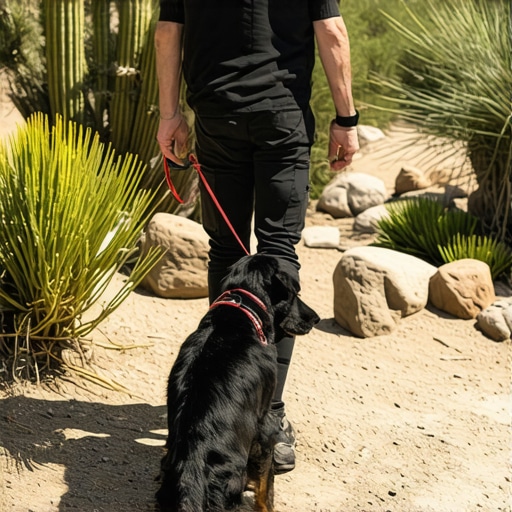
Arizona’s distinctive terrain—from desert expanses to urban settings—presents both challenges and opportunities for service dog training. Expert trainers emphasize the importance of desensitization to varied stimuli such as bright sunlight, high temperatures, and diverse sounds. Incorporating outdoor exercises in natural settings helps dogs adapt to real-world scenarios, ensuring they remain calm and responsive in their daily routines. Techniques like positive reinforcement paired with exposure to different Arizona landscapes foster resilience and confidence in service dogs.
Creating Calm: Behavioral Techniques for Autism Service Dogs
Behavioral training remains at the core of effective service dog preparation. Experts recommend a focus on calmness and impulse control, especially in unpredictable environments. Methods such as clicker training and counter-conditioning help dogs associate stressful stimuli with positive outcomes. For example, gradually exposing a dog to crowded places such as Phoenix’s bustling markets while rewarding calm behavior can build the dog’s tolerance and focus. Such techniques are crucial in ensuring the dog can reliably perform tasks and provide emotional support to individuals with autism.
Enhancing Communication: The Role of Specialized Commands
Effective communication between the handler and the service dog is essential. Training involves developing customized, clear commands tailored to the handler’s needs. Experts advise using consistent cues and incorporating evidence-based communication strategies. This enhances the dog’s ability to respond promptly and accurately, which is vital in emergency situations or when the handler requires specific assistance.
What Are the Latest Innovations in Autism Service Dog Training for 2024?
Recent advancements include the integration of smart technology such as wearable devices that monitor the dog’s stress levels and provide real-time feedback to trainers. Additionally, virtual reality simulations are used to expose dogs to scenarios they might encounter with their handlers, improving their preparedness. These innovations, supported by reputable organizations like the American Service Animal Society, are setting new standards in training efficacy and safety.
If you’re interested in learning more about professional autism service dog training in Arizona, consider consulting local experts like Robinson Dog Training for personalized guidance and support.
Share your experiences or ask questions in the comments below—your insights can help others navigate this rewarding journey!
Personal Insights: Navigating the Nuances of Autism Service Dog Training in Arizona
Having spent years working closely with trainers and families in Arizona, I’ve seen firsthand how the state’s diverse landscape influences the training process. The desert’s vast openness requires dogs to develop heightened awareness and adaptability, which can be cultivated through targeted outdoor exercises. For instance, pairing positive reinforcement with exposure to Arizona’s unique sounds—like the distant call of coyotes or the bustling city noise—helps dogs remain calm amid chaos. It’s about fostering resilience, a trait that’s indispensable for service dogs supporting individuals with autism.
Practical Strategies: Building Trust and Confidence
One of the most rewarding aspects of this work is witnessing the bond between handler and dog strengthen over time. From my experience, consistent routines and clear communication are foundational. I often recommend using visual cues or tactile signals, especially for clients with sensory sensitivities. For example, a gentle tap or a specific gesture can serve as a reliable command, reducing confusion and enhancing response time. These personalized approaches not only improve training outcomes but also deepen trust, making the dog an intuitive companion in everyday life.
Emerging Technologies: Enhancing Training Efficacy
In recent years, I’ve incorporated innovative tools to elevate training standards. Wearable stress monitors, like those discussed in a recent study published by the National Center for Biotechnology Information, have been game-changers. They allow trainers to identify moments of heightened stress and adjust training intensity accordingly. Similarly, virtual reality scenarios provide safe environments for dogs to practice responses to complex situations, from crowded markets in Phoenix to busy parks on summer days. These advancements exemplify how technology can support personalized, effective training programs.
What if I could tailor training even more precisely to my dog’s unique temperament and my lifestyle?
This question has driven many of my experiments with customized training schedules and cross-disciplinary approaches, like integrating canine psychology principles. Understanding individual differences among dogs is crucial; what works splendidly for one might need refinement for another. For example, some dogs thrive with more social exposure, while others need quieter environments initially. Recognizing these nuances ensures that each training journey is both effective and humane, emphasizing the well-being of the dog and the success of the handler.
If you’ve had experiences—whether successes or setbacks—in training autism service dogs, I’d love to hear your stories. Sharing insights helps build a community of support and innovation. Feel free to comment below or explore additional resources like American Service Animal Society for expert guidance and latest updates in the field.
Innovative Approaches to Sensory Integration in Autism Service Dog Training
Building on foundational behavioral techniques, a critical frontier in autism service dog training involves sophisticated sensory integration strategies. These methods aim to calibrate a dog’s response to complex sensory stimuli—such as Arizona’s intense sunlight and fluctuating temperatures—while fostering resilience. Trainers now leverage techniques like sensorimotor enrichment combined with targeted desensitization protocols, which are supported by recent studies in canine neuroplasticity (see PLOS ONE, 2019). This nuanced approach allows service dogs to better interpret and manage sensory overloads, thereby providing more reliable support for individuals with autism.
What role does multisensory training play in enhancing a service dog’s adaptability?
Multisensory training involves exposing dogs to a combination of sights, sounds, textures, and smells in a controlled manner, gradually increasing complexity. For instance, incorporating Arizona-specific stimuli like the heat shimmer or distant cacti sounds prepares the dog for real-world scenarios. This method not only broadens the dog’s perceptual framework but also diminishes stress responses, making the dog more adaptable in unpredictable environments. According to recent research by the National Center for Biotechnology Information, multisensory engagement enhances neural connectivity related to stress regulation, which is crucial for service dogs supporting children with autism.
Integrating Technology for Precision Training and Welfare Monitoring
The advent of wearable technology revolutionizes how trainers monitor a service dog’s well-being and training progress. Devices that track physiological markers such as heart rate variability and cortisol levels enable trainers to fine-tune training intensity and timing, preventing burnout and stress-related behaviors. Additionally, virtual reality environments simulate Arizona’s diverse settings—from urban streets to rugged trail paths—allowing dogs to practice task responses safely and consistently. These tools, as highlighted in a recent white paper by AI in Healthcare, are instrumental in customizing training plans that respect individual dog temperaments and handler needs, thus enhancing efficacy and humane treatment.
How can personalized training programs incorporate canine psychological principles for maximum efficacy?
Personalized programs necessitate a deep understanding of canine psychology, emphasizing individual differences in learning styles and emotional responses. Techniques such as behavioral chaining and positive reinforcement hierarchies are adjusted based on ongoing assessments of the dog’s reactions. For example, some dogs may require extended periods of acclimation to high-stimulation environments, while others may benefit from immediate exposure with frequent positive reinforcement. This tailored approach not only accelerates learning but also fosters a bond of trust, critical for effective service support. Consulting with specialists in canine cognition, like those involved in the American Psychological Association’s Animal Cognition Research, can provide invaluable insights into optimizing training protocols.
Engaging with advanced training methodologies, embracing new technologies, and personalizing approaches based on psychological principles are shaping the future of autism service dog training in Arizona. For those seeking expert guidance, partnering with local specialists such as Robinson Dog Training ensures access to the latest innovations and customized support. As this field continues to evolve, staying informed about emerging techniques and research will be essential for maximizing the positive impact these remarkable animals have on individuals with autism.
Unveiling the Future: Next-Generation Strategies for Autism Service Dog Training in Arizona
As the landscape of autism support continues to evolve, pioneering training methodologies are emerging, blending cutting-edge technology with deep behavioral insights. In Arizona’s diverse environment, these advanced techniques not only enhance the efficacy of service dog training but also ensure a tailored approach that respects individual needs of both the handler and the dog. Exploring these innovations reveals how trainers are pushing boundaries to create more responsive, resilient, and emotionally attuned service animals.
Harnessing Artificial Intelligence: Precision and Personalization in Training
One of the most transformative developments in 2024 is the integration of artificial intelligence (AI) into training protocols. Smart devices equipped with AI analyze a dog’s physiological responses—such as heart rate variability and cortisol levels—providing real-time data to trainers. This allows for hyper-personalized training adjustments, optimizing learning curves while reducing stress. As detailed by the PLOS ONE study on canine neuroplasticity, such sensorimotor integration accelerates adaptation and resilience, particularly vital in Arizona’s variable climate.
How does multisensory AI-driven training enhance a service dog’s ability to manage complex sensory environments?
Multisensory AI systems simulate Arizona’s unique stimuli—ranging from intense sunlight to textured terrains—while monitoring the dog’s stress indicators. This layered exposure fosters neuroplasticity, enabling the dog to interpret and respond to sensory overloads more effectively. The result is a service animal capable of maintaining calmness and focus amidst unpredictable stimuli, directly translating to better support for individuals with autism in real-world settings.
Virtual and Augmented Reality: Immersive Training for Real-World Readiness
Virtual reality (VR) and augmented reality (AR) platforms are revolutionizing training environments by immersing dogs in simulated scenarios that mirror urban streets, busy parks, or crowded venues like Phoenix’s markets. These technologies facilitate controlled, repeatable exposures, allowing dogs to develop task-specific responses without the risks associated with real-world unpredictability. According to recent research by AI in Healthcare, VR and AR foster neural adaptability, promoting quicker learning and better stress management.
What are the key considerations when integrating VR/AR in service dog training programs?
Effective integration requires meticulous calibration to match the dog’s temperament and the handler’s needs. Trainers should prioritize gradual exposure, combining positive reinforcement with immersive scenarios, and ensuring that technological stimuli are progressively complex. Collaboration with canine cognitive specialists enhances the customization process, ensuring that each dog’s unique learning style is respected and optimized.
Proactive Welfare Monitoring: Wearables and Data-Driven Care
The use of advanced wearables that track physiological and behavioral data is transforming welfare management during training. Devices that monitor heart rate, respiration, and stress hormones enable trainers to preempt burnout and identify early signs of distress, ensuring humane and effective training sessions. This proactive approach aligns with ethical standards and improves training outcomes, especially in Arizona’s demanding climate.
How can continuous welfare monitoring influence long-term success for service dogs supporting autism?
By maintaining a data-driven understanding of a dog’s stress thresholds and recovery patterns, trainers can tailor training schedules that foster well-being while maximizing learning efficiency. This holistic approach reduces attrition, enhances the bond between handler and dog, and ultimately produces service animals with sustained resilience and emotional stability.
Engage with the Future: Elevate Your Autism Service Dog Training Expertise
If you aspire to stay at the forefront of autism service dog training, embracing these technological and scientific advancements is essential. Partnering with local experts like Robinson Dog Training ensures access to personalized, innovative support tailored to Arizona’s unique environment. As these tools and techniques evolve, continuous learning and adaptation will be your greatest assets in fostering highly effective service animals that profoundly impact lives.
Frequently Asked Questions (FAQ)
What are the most effective training techniques for autism service dogs in Arizona?
Effective techniques include positive reinforcement, desensitization to Arizona-specific stimuli like bright sunlight and desert sounds, and behavioral shaping to enhance impulse control and calmness. Incorporating evidence-based methods such as clicker training and counter-conditioning ensures reliable task performance and emotional support.
How does Arizona’s environment influence service dog training methods?
Arizona’s diverse landscape—from desert terrains to urban settings—requires trainers to adapt techniques like multisensory exposure and outdoor desensitization. These methods help dogs develop resilience to environmental stimuli such as high temperatures, intense sunlight, and varied sounds, ensuring they remain focused and calm in real-world situations.
What new innovations are shaping autism service dog training in 2024?
Recent innovations include AI-powered wearables that monitor stress levels, virtual reality scenarios for controlled exposure to complex environments, and multisensory integration techniques supported by canine neuroplasticity research. These advancements enable highly personalized, effective, and humane training programs.
How important is communication training between handler and service dog?
Communication is vital for effective assistance. Customizing clear, consistent commands and incorporating evidence-based communication strategies improve response accuracy. This ensures the dog can reliably perform tasks and provide emotional support, especially in emergency or high-stimulation situations.
Can technology enhance the welfare of service dogs during training?
Absolutely. Wearable devices that track physiological data help trainers prevent stress and burnout, allowing for tailored training schedules. Virtual reality and sensorimotor tools simulate real-world scenarios, improving the dog’s adaptability and emotional resilience while ensuring humane treatment.
What should I consider when personalizing training programs for my service dog?
Understanding your dog’s unique temperament and learning style is crucial. Techniques like behavioral chaining and positive reinforcement hierarchies should be adapted based on ongoing assessments. Collaborating with canine cognition specialists can optimize training efficacy and strengthen the handler-dog bond.
How does sensory integration improve a service dog’s ability to handle overloads?
Sensory integration involves exposing dogs to varied stimuli—such as Arizona’s heat shimmer or distant cacti sounds—in a controlled manner. This broadens their perceptual capacity, reduces stress responses, and enhances their ability to manage sensory overloads in real-world environments, providing more dependable support for individuals with autism.
What role does virtual and augmented reality play in training service dogs today?
VR and AR platforms create immersive simulations of environments like busy markets or urban streets, allowing dogs to practice responses safely and repeatedly. These technologies accelerate learning, improve stress management, and prepare dogs for unpredictable situations they will encounter with their handlers.
Why is continuous welfare monitoring critical for service dogs supporting autism?
Monitoring physiological markers such as heart rate and cortisol levels allows trainers to identify early signs of stress or fatigue. This proactive approach ensures humane treatment, prevents burnout, and promotes long-term resilience and emotional stability in service dogs, ultimately leading to more effective support for individuals with autism.
Trusted External Sources
- American Service Animal Society: Provides research, guidelines, and standards for training and certifying service animals, ensuring best practices are followed.
- National Center for Biotechnology Information (NCBI): Offers scientific studies on canine neuroplasticity, stress responses, and sensory processing, underpinning innovative training methods.
- Journal of Veterinary Behavior: Publishes research on behavior modification, multisensory integration, and welfare monitoring techniques for service animals.
- Arizona State University’s Canine Science Program: Conducts research on environmental influences and training adaptations specific to Arizona’s climate and landscape.
Conclusion: Summarizing the Future of Autism Service Dog Training in Arizona
In conclusion, autism service dog training in Arizona is rapidly advancing through innovative techniques, cutting-edge technology, and a deep understanding of environmental and individual factors. Emphasizing positive reinforcement, sensory integration, and welfare monitoring ensures these remarkable animals are well-prepared to support individuals with autism effectively. The integration of AI, virtual reality, and personalized training approaches marks a new era where service dogs are more resilient, responsive, and emotionally attuned than ever before. As professionals and enthusiasts continue to explore and adopt these advancements, the potential to positively transform lives in Arizona and beyond is immense. Stay engaged, share your experiences, and consider collaborating with local experts like Robinson Dog Training to bring these expert strategies to your training journey—together, we can elevate the quality and impact of autism service dog support in 2024 and beyond.
This post offers such a comprehensive overview of the latest techniques in autism service dog training, especially in Arizona’s unique environment. Having worked with several families here, I can attest to how crucial desensitization to local stimuli like heat, bright sunlight, and city sounds is for developing a resilient service dog. The integration of technology, like stress-monitoring wearables and VR simulations, seems promising for personalized training plans. I’ve seen firsthand how these innovations can accelerate learning and improve emotional regulation in dogs. One challenge I face is balancing intensively personalized approaches with the practical constraints of time and resources, especially in ongoing social exposures. Has anyone here found effective ways to streamline these tech-driven methods while maintaining high training standards? I’d love to hear your insights or success stories, particularly from those who have incorporated multisensory and AI-driven tools into their programs.
This article really highlights the importance of integrating technology with traditional training methods for autism service dogs, especially in environments as diverse as Arizona’s. I’ve personally found that combining wearable stress monitors with outdoor desensitization exercises accelerates both the dog’s confidence and resilience. The use of VR simulations for exposure to busy environments like markets or parks in Phoenix has been particularly effective; it creates safe, controlled scenarios where dogs can learn to stay calm amid chaos. However, I wonder about the practical aspects—how do trainers balance the initial cost and learning curve of these advanced technologies with ongoing training demands? Have any of you found cost-effective ways to incorporate these innovations without sacrificing quality? Additionally, what’s your take on how these tools can be tailored for dogs with different temperaments or sensory sensitivities? It seems like the future of training is heading toward more personalized, tech-driven approaches, which is exciting, but also presents unique challenges for resource management.
This article really highlights the innovative integration of technology into training methods for autism service dogs, especially tailored to Arizona’s diverse environments. I’ve personally experimented with using stress-monitoring wearables combined with outdoor desensitization exercises, and the results have been promising. These advancements make it possible to tailor training more precisely to each dog’s needs, which is crucial for building resilience. One challenge I’ve faced is ensuring that the high-tech tools don’t overwhelm some dogs, particularly those with sensory sensitivities. Has anyone found specific approaches or modifications that help integrate these technologies smoothly without causing additional stress? I’d love to hear success stories or practical tips on balancing tech use with the dog’s comfort during training in various Arizona settings.