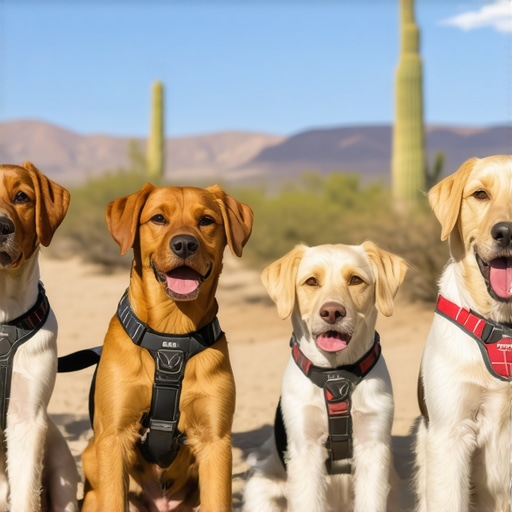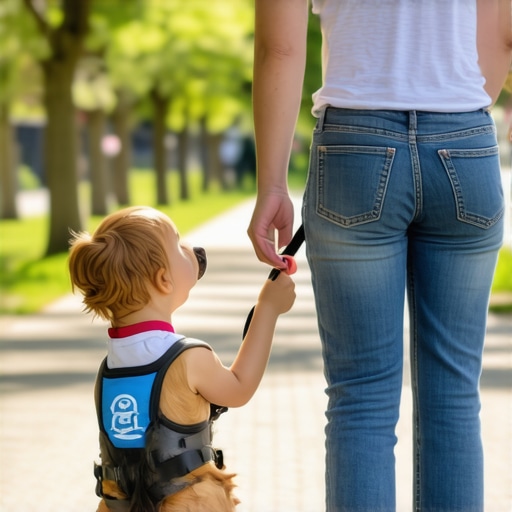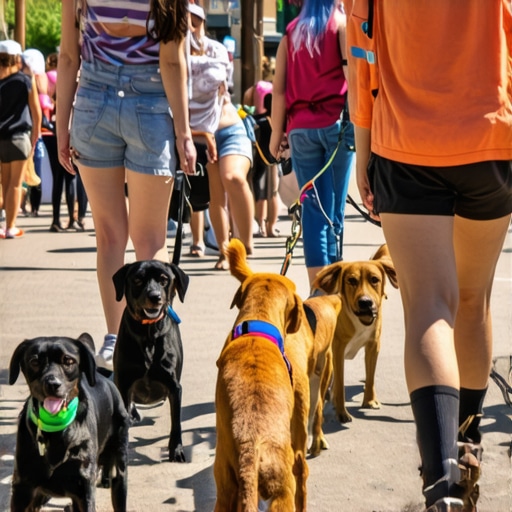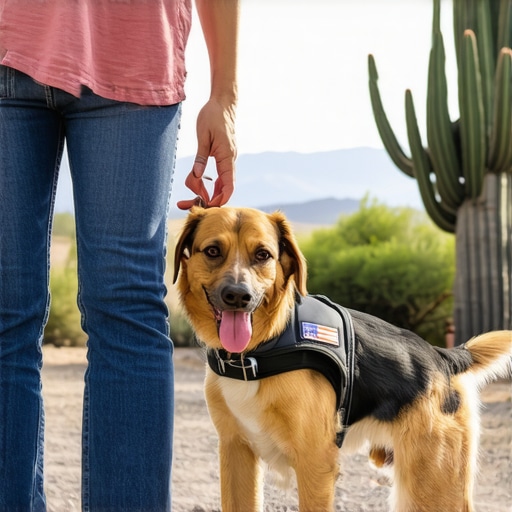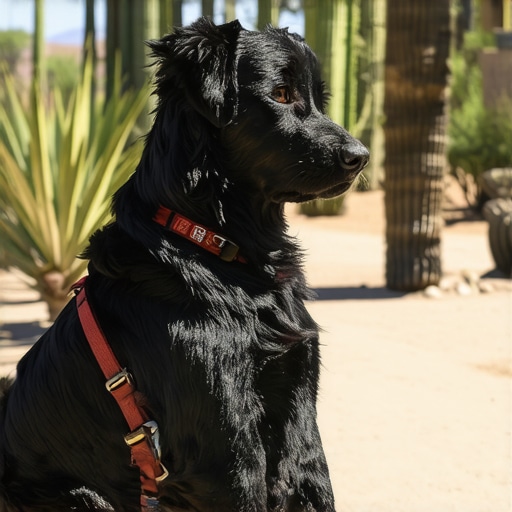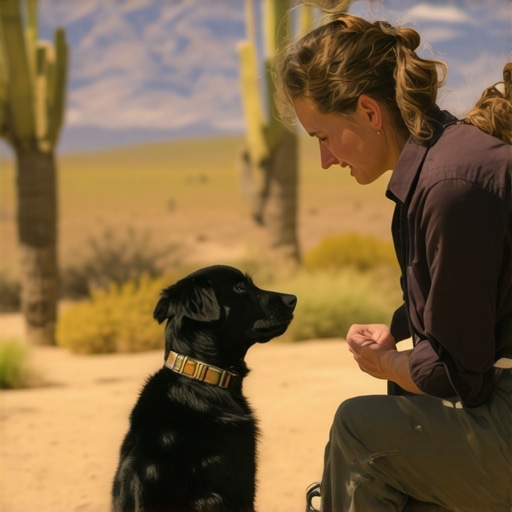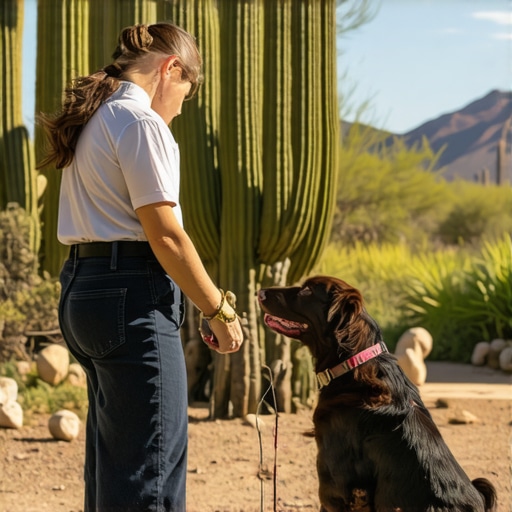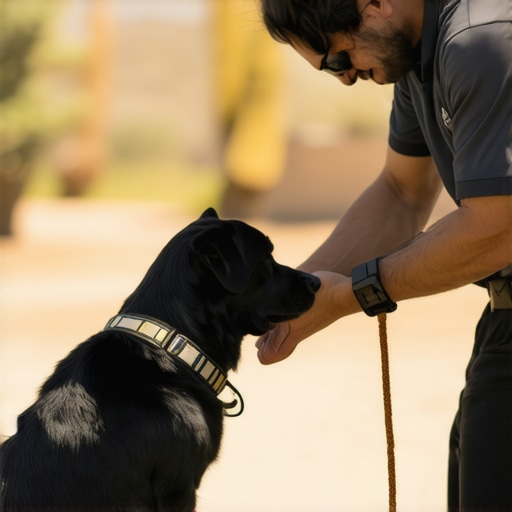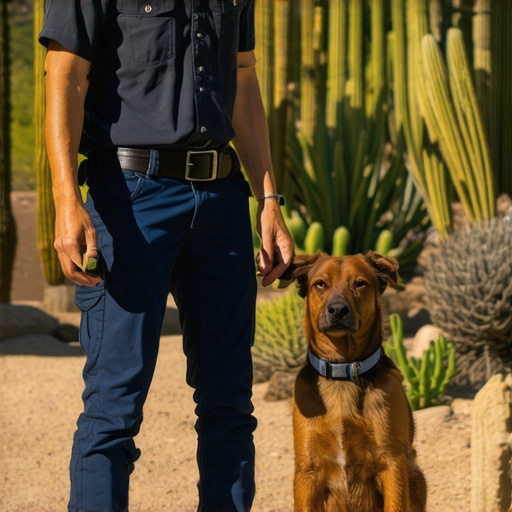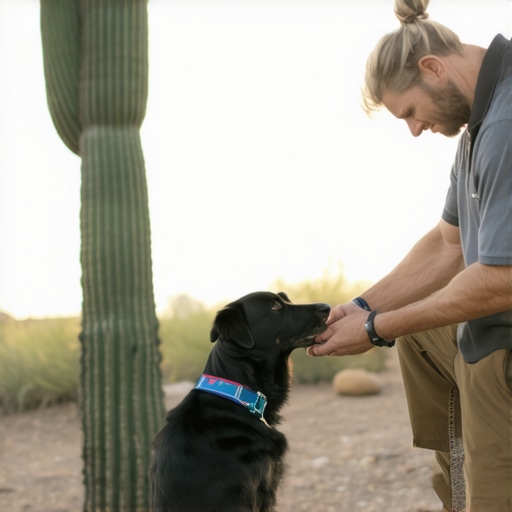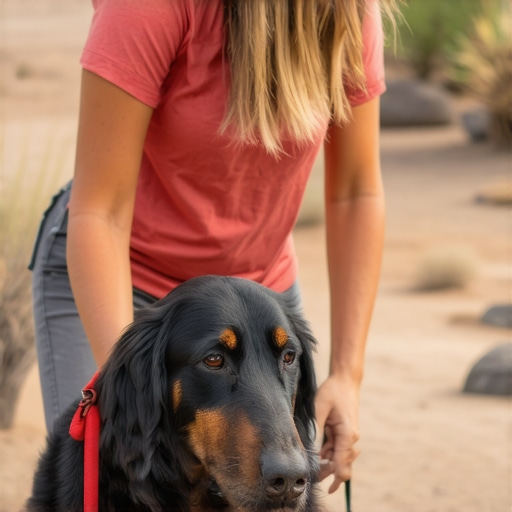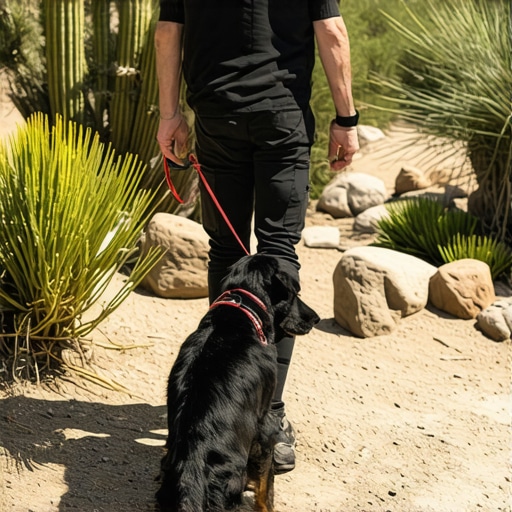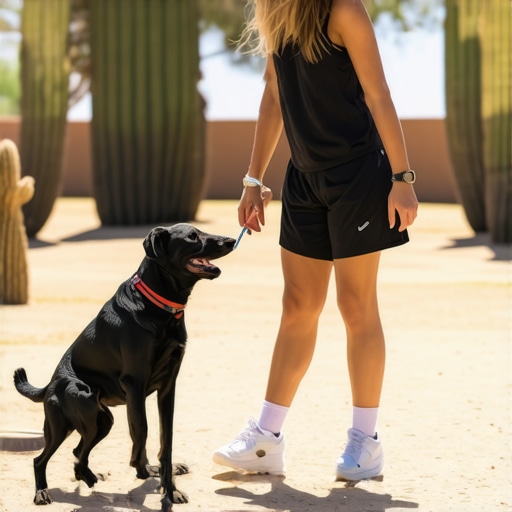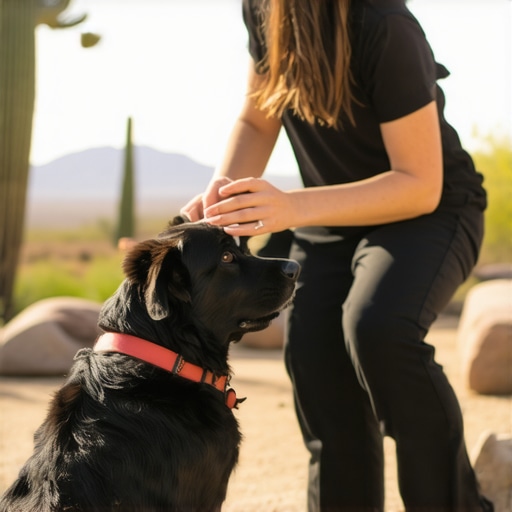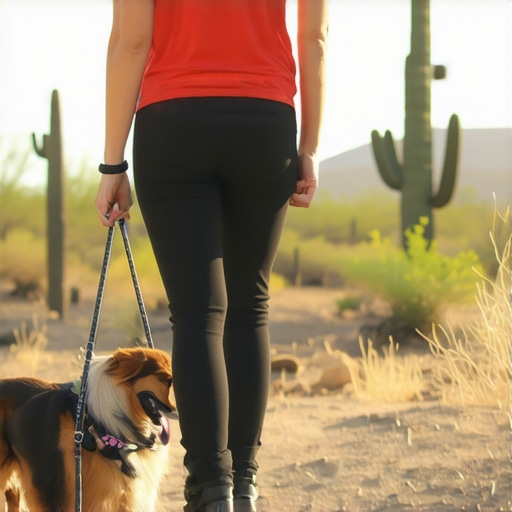
Top Techniques for Autism Service Dog Training in Arizona in 2024

Top Techniques for Autism Service Dog Training in Arizona in 2024

The Truth About Autism Service Dog Training in Arizona

In recent years, autism service dogs have become an invaluable support system for individuals on the autism spectrum. These specially trained dogs help foster independence, enhance safety, and provide comfort. However, training these dogs is a complex task that demands precision, patience, and expert knowledge. As more families seek professional assistance in Arizona, understanding the core training techniques becomes essential.

Understanding the Basics of Service Dog Training

At its core, service dog training involves instilling specific behaviors that address the unique needs of the individual. This includes obedience commands, environmental navigation, and calming techniques. Trainers begin by establishing a strong bond between the dog and the handler, which serves as the foundation for all subsequent training. Effective communication, consistency, and positive reinforcement are the cornerstones of successful training programs.

What Are the Key Techniques Used in 2024?

Today, effective training incorporates modern methods like applied behavior analysis and evidence-based reward systems. Trainers often employ gradual desensitization to prevent overstimulation and to teach recognition of and response to various stimuli. Leveraging technology such as specialized training tools and apps has also gained traction, allowing for tailored training regimens and progress tracking. In Arizona, where climate and environment can vary significantly, trainers adapt techniques to ensure the dog’s well-being and functionality within local settings.

People Also Ask: How Do Trainers Prepare Service Dogs for Real-World Situations?

Training for real-world scenarios is essential. Skilled trainers simulate everyday environments—public places, busy streets, and homes—to expose dogs to diverse stimuli. This helps them develop the confidence and reliability needed for daily tasks, whether it’s alerting to sounds, calming anxieties, or providing physical support. Collaboration with local organizations and clinics often enhances these training phases.

One resource worth exploring is the comprehensive training centers in Arizona that specialize in autism service dogs. They combine experience and state-of-the-art techniques to customize training programs for each client. For example, Robinson Dog Training offers tailored approaches, ensuring the dog’s skills meet specific handler needs.

Advanced Techniques in Autism Service Dog Training in Arizona

Building on foundational training principles, contemporary methods have evolved to include more sophisticated approaches tailored to the unique challenges faced by individuals on the autism spectrum. For instance, scent discrimination training has become more prevalent, helping dogs identify specific cues or conditions that signal sensory overload or emotional distress. Trainers might teach a dog to alert a handler when they detect particular scents associated with heightened anxiety, enabling preemptive support.

One notable case involved a Border Collie named Max, trained by a leading Arizona-based organization. Max was taught to recognize subtle behavioral cues indicating his handler’s impending meltdown. Through sensory cues and positive reinforcement, Max learned to execute calming behaviors proactively. Such case studies exemplify how integrating nuanced cues enhances the effectiveness of service dogs in real-life situations.

Another cutting-edge technique involves **virtual reality (VR) simulations**. Trainers are increasingly utilizing VR environments to expose dogs and handlers to complex scenarios without logistical challenges. For example, virtual crowded markets or busy streets allow dogs to acclimate to noise, movement, and stimuli they might encounter during daily routines. This method accelerates desensitization and boosts confidence in unpredictable settings.

Additionally, harnessing data analytics plays a vital role. Trainers deploy smart collars embedded with GPS and activity monitors, providing real-time data on a dog’s stress levels, activity patterns, and environmental responses. Analyzing this data helps customize training protocols further, ensuring optimal well-being and functionality. Local Arizona companies are pioneering this integration, making data-driven decisions accessible to both professional trainers and caregivers.

Advanced Techniques in Autism Service Dog Training in Arizona

Building on foundational training principles, contemporary methods have evolved to include more sophisticated approaches tailored to the unique challenges faced by individuals on the autism spectrum. For instance, scent discrimination training has become more prevalent, helping dogs identify specific cues or conditions that signal sensory overload or emotional distress. Trainers might teach a dog to alert a handler when they detect particular scents associated with heightened anxiety, enabling preemptive support.

One notable case involved a Border Collie named Max, trained by a leading Arizona-based organization. Max was taught to recognize subtle behavioral cues indicating his handler’s impending meltdown. Through sensory cues and positive reinforcement, Max learned to execute calming behaviors proactively. Such case studies exemplify how integrating nuanced cues enhances the effectiveness of service dogs in real-life situations.

Another cutting-edge technique involves virtual reality (VR) simulations. Trainers are increasingly utilizing VR environments to expose dogs and handlers to complex scenarios without logistical challenges. For example, virtual crowded markets or busy streets allow dogs to acclimate to noise, movement, and stimuli they might encounter during daily routines. This method accelerates desensitization and boosts confidence in unpredictable settings.

Additionally, harnessing data analytics plays a vital role. Trainers deploy smart collars embedded with GPS and activity monitors, providing real-time data on a dog’s stress levels, activity patterns, and environmental responses. Analyzing this data helps customize training protocols further, ensuring optimal well-being and functionality. Local Arizona companies are pioneering this integration, making data-driven decisions accessible to both professional trainers and caregivers.

Emerging Technologies in Service Dog Training

Innovations in technology are revolutionizing how trainers prepare autism service dogs. One exciting development is the integration of artificial intelligence (AI) with training platforms, allowing for adaptive learning programs that respond to each dog’s progress in real-time. AI-driven feedback helps trainers refine techniques more effectively, ensuring dogs develop the precise skills needed for their handlers.

The Role of Sensory Integration and scent detection

Sensory integration techniques continue to advance, with scent detection playing an increasingly prominent role. Dogs are trained to recognize subtle chemical cues associated with sensory overload, such as certain pheromones or scents that indicate agitation. This heightened awareness enables service dogs to alert handlers before behavioral escalation, providing critical preventative support.

Customized Training Through Data Analytics

Using data analytics, trainers now collect and analyze environmental and physiological data from smart collars and wearables. This information helps tailor training sessions to individual dogs, addressing specific behavioral patterns or stress triggers. As a result, service dogs are better equipped to handle unpredictable scenarios, especially those encountered in Arizona’s diverse climates and communities.

The Future of Virtual and Augmented Reality in Dog Training

Virtual reality (VR) and augmented reality (AR) are becoming essential tools for immersive training experiences. By simulating complex environments—such as crowded events or emergency situations—trainers can expose dogs and handlers to challenging stimuli in a controlled setting. This approach accelerates desensitization and increases confidence in navigating real-world scenarios.

Community Collaboration and Accessibility

Finally, community-based programs and mobile training units are increasing accessibility for Arizona families. Mobile units bring training directly to neighborhoods, making expert assistance more convenient. Collaborations between local veterinary clinics, hospitals, and training centers foster a comprehensive support network that ensures continual progress for service dog teams.

The Bottom Line

As the landscape of autism service dog training continues to evolve in Arizona, harnessing cutting-edge techniques and innovative technologies has become essential for delivering optimal support to individuals. From sensory integration and scent detection to virtual reality simulations and data analytics, these methods enhance a service dog’s ability to respond reliably and proactively in complex environments. Collaborations within the community and personalized training approaches ensure that each handler’s unique needs are met with professionalism and compassion, fostering independence and safety effectively.

Frequently Asked Questions

How long does it typically take to train an autism service dog in Arizona?

The training duration varies depending on the dog’s previous experience and the handler’s needs, but most comprehensive programs range from 6 to 12 months, ensuring thorough preparation for real-world scenarios.

Are there affordable options for training services in Arizona?

Many organizations offer sliding scale fees or assistance programs. Research local centers like Robinson Dog Training, which strives to make quality training accessible to diverse communities.

What should I consider when choosing a trainer or organization?

Look for certified professionals with established track records, positive client testimonials, and techniques aligned with current best practices in service dog training.

Can I train my own service dog at home?

While basic obedience can be self-trained, specialized skills and certification require expertise. Consulting with professional trainers ensures safety, efficacy, and compliance with certification standards.

How do I ensure my service dog maintains skills over time?

Ongoing training and regular reinforcement sessions help sustain the dog’s skills. Local Arizona organizations often provide follow-up training and support to maintain excellent performance.

Join the Movement

Empowering individuals on the autism spectrum through expertly trained service dogs is a mission rooted in skill, compassion, and innovation. If you’re considering integrating a service dog into your life, connect with local Arizona specialists who are dedicated to supporting your journey towards independence and confidence. Share your experiences, ask questions, and become part of a community committed to transforming lives through training excellence.

Effective Autism Service Dog Training in Arizona: Proven Strategies 2024

Effective Autism Service Dog Training in Arizona: Proven Strategies 2024

The Truth About Autism Service Dog Training in Arizona

For families navigating the complexities of autism, a well-trained service dog can transform daily life. These dogs offer companionship, safety, and independence — but training them effectively requires expert knowledge. In Arizona, where the climate and local resources differ from other states, understanding proven training strategies becomes even more vital.

Understanding What Makes a Service Dog for Autism Special

Autism service dogs are specially trained to meet the unique needs of their handlers. Unlike typical pets, these dogs are taught specific skills such as alerting to sensory overload, providing calming pressure, or retrieving help during emergencies. Their training goes beyond basic obedience, focusing on functions that support safety and emotional stability.

Key Components of Effective Training

Successful training hinges on consistency, patience, and tailored techniques. Trainers often use positive reinforcement methods to encourage desirable behaviors. Techniques such as clicker training or reward-based systems help dogs associate actions with positive outcomes. In Arizona, local training centers often incorporate outdoor environments to simulate real-world scenarios, helping dogs adapt to the state’s diverse weather conditions.

Why Local Expertise Matters

Arizona’s unique environment presents specific challenges — from extreme heat to varied terrain. Trainers with local experience understand how these factors influence training routines. For example, outdoor training sessions should be scheduled during cooler parts of the day to prevent heat exhaustion, ensuring the dog’s safety and effectiveness.

One of the most trusted training facilities in the state is Robinson Dog Training, which specializes in service dog programs for autism. You can explore their methods and offerings by visiting their location in Mesa. Find them on the map.

People Also Ask: How Do I Start Training My Autism Service Dog?

Starting your journey involves selecting the right dog, understanding your child’s specific needs, and working with certified trainers. Many families opt for early socialization and basic obedience training before progressing to specialized skills. Consulting with local experts ensures the training aligns with Arizona’s climate and environment.

The Truth About Autism Service Dog Training in Arizona

For families navigating the complexities of autism, a well-trained service dog can transform daily life. These dogs offer companionship, safety, and independence — but training them effectively requires expert knowledge. In Arizona, where the climate and local resources differ from other states, understanding proven training strategies becomes even more vital.

Understanding What Makes a Service Dog for Autism Special

Autism service dogs are specially trained to meet the unique needs of their handlers. Unlike typical pets, these dogs are taught specific skills such as alerting to sensory overload, providing calming pressure, or retrieving help during emergencies. Their training goes beyond basic obedience, focusing on functions that support safety and emotional stability.

Key Components of Effective Training

Successful training hinges on consistency, patience, and tailored techniques. Trainers often use positive reinforcement methods to encourage desirable behaviors. Techniques such as clicker training or reward-based systems help dogs associate actions with positive outcomes. In Arizona, local training centers often incorporate outdoor environments to simulate real-world scenarios, helping dogs adapt to the state’s diverse weather conditions.

Why Local Expertise Matters

Arizona’s unique environment presents specific challenges — from extreme heat to varied terrain. Trainers with local experience understand how these factors influence training routines. For example, outdoor training sessions should be scheduled during cooler parts of the day to prevent heat exhaustion, ensuring the dog’s safety and effectiveness.

One of the most trusted training facilities in the state is Robinson Dog Training, which specializes in service dog programs for autism. You can explore their methods and offerings by visiting their location in Mesa. Find them on the map.

People Also Ask: How Do I Start Training My Autism Service Dog?

Starting your journey involves selecting the right dog, understanding your child’s specific needs, and working with certified trainers. Many families opt for early socialization and basic obedience training before progressing to specialized skills. Consulting with local experts ensures the training aligns with Arizona’s climate and environment.

Mastering Advanced Techniques in Autism Service Dog Training

While foundational training is crucial, mastering advanced strategies ensures the service dog’s skills are reliable and adaptable to complex situations. Trainers in Arizona often utilize nuanced methods tailored to the region’s unique environment, climate, and the specific needs of handlers.

Addressing Common Misconceptions

One prevalent misconception is that basic obedience training suffices for autism service dogs. In reality, these dogs require ongoing, specialized training that reinforces their skills in diverse settings. Another myth is that service dogs can be trained solely at home; however, professional guidance and exposure to real-world scenarios are vital for optimal performance.

How to Advance Your Dog’s Training

  1. Simulate Real-World Challenges: Gradually introduce distractions, unfamiliar environments, and social settings to build resilience. Use public spaces like busy parks or shopping centers to practice commands.
  2. Implement Variable Reinforcement: Vary rewards to maintain motivation and prevent predictability. Use treats, praise, or play as rewards based on the context and the dog’s preferences.
  3. Incorporate Environmental Conditioning: Train dogs to handle Arizona’s extreme heat, direct sunlight, and rugged terrain. Schedule outdoor sessions during cooler parts of the day and practice navigating different terrains.
  4. Utilize Advanced Commands: Teach commands for emergency situations, such as “come immediately,” “stay in place,” or “find help.” Use consistent cues and practice regularly to ingrain these commands.

Leveraging Technology and Tools

Modern training incorporates tools like GPS trackers, calming devices, and specialized sensors. These assist handlers in monitoring the dog’s location, emotional state, and response to stimuli, especially in large or outdoor environments.

Common Pitfalls and How to Avoid Them

Overtraining can lead to fatigue and frustration. Keep sessions short, engaging, and goal-oriented. Additionally, neglecting socialization can hinder a dog’s ability to perform reliably in public. Regular exposure and positive interactions with people and other animals are essential.

Consulting with Local Experts for Custom Solutions

Arizona-based trainers like Robinson Dog Training offer advanced programs that incorporate regional challenges. They utilize outdoor training areas and climate-specific techniques to prepare dogs for real-world conditions. Regular check-ins and refresher courses help maintain high standards of performance.

To explore their advanced training options, visit their facility in Mesa or contact them directly. Their expertise can be pivotal in elevating your service dog’s capabilities and ensuring consistent support for your family’s needs.

Learn more about advanced training programs

Emerging Technologies in Autism Service Dog Training

As the field of service dog training evolves, new technological advancements are revolutionizing how trainers in Arizona prepare dogs for their vital roles. Modern tools such as GPS tracking devices, wearable sensors, and smart collars enable real-time monitoring of a dog’s location, health, and emotional state. These innovations facilitate more precise training, ensuring that service dogs can respond effectively in diverse environments, whether navigating Arizona’s rugged terrains or urban settings.

Specialized Training for Climate Resilience

Arizona’s extreme heat and sun exposure require tailored training approaches to ensure the safety and performance of service dogs. Future trends include climate-specific training modules that focus on acclimatizing dogs to high temperatures, sun glare, and rugged outdoor conditions. Incorporating shaded outdoor training areas and hydration protocols during sessions helps prevent heat exhaustion and promotes resilience. Additionally, trainers are developing protective gear designed specifically for Arizona’s climate to shield dogs from UV rays and overheating.

Focus on Emotional and Behavioral Resilience

The future of autism service dog training emphasizes not only physical skills but also emotional resilience. Techniques such as desensitization to loud noises, crowds, and unfamiliar stimuli are becoming more sophisticated. Virtual reality and simulation environments are being explored to expose dogs to complex scenarios safely, enhancing their adaptability and reliability in real-world situations.

Enhanced Certification and Standardization

As awareness of autism service dogs grows, standardization of training and certification processes is expected to become more widespread. Regional certification programs tailored to Arizona’s unique environment will ensure consistency and quality. These standards will help families identify qualified trainers and reputable programs, fostering greater trust and transparency in the industry.

Integration of Behavioral Science and Animal Psychology

Future training methodologies are increasingly incorporating insights from behavioral science and animal psychology. Understanding the cognitive and emotional processes of dogs allows trainers to develop more effective reinforcement strategies and address behavioral challenges proactively. This scientific approach can lead to more humane, efficient, and successful training outcomes.

Community-Based Training Initiatives

Community involvement is slated to play a larger role in the future of service dog training. Local workshops, socialization events, and public training sessions will promote better integration of service dogs into everyday life. In Arizona, outdoor community centers and parks can serve as dynamic training environments, fostering familiarity and comfort for both dogs and handlers in public spaces.

Environmental Sustainability in Training Practices

With the increasing emphasis on eco-friendly practices, future training centers in Arizona may adopt sustainable methods. Using eco-conscious materials for gear, minimizing waste, and implementing energy-efficient facilities will align service dog training with broader environmental goals. These initiatives not only benefit the planet but also promote a positive image of responsible training practices.

Collaborative Research and Development

Ongoing research partnerships between universities, veterinary colleges, and training centers are expected to drive innovation. Collaborative studies on canine behavior, training techniques, and environmental adaptations will lead to evidence-based practices that optimize outcomes for autism service dogs. Arizona’s diverse climate makes it an ideal testing ground for such pioneering research.

Frequently Asked Questions

How long does it typically take to train an autism service dog in Arizona?

The training duration can vary depending on the dog’s age, temperament, and the complexity of tasks required. Generally, foundational training takes about 6-12 months, with additional time for advanced skills and socialization.

What qualifications should I look for in a trainer or training facility?

Seek trainers certified by reputable organizations, with experience in autism service dog training and familiarity with Arizona’s environment. Local references and success stories are good indicators of credibility.

Are there financial assistance options or grants available for training a service dog in Arizona?

Yes, some non-profits and government programs offer financial aid or grants. It’s advisable to research local resources or consult with organizations like Assistance Dogs of Arizona for guidance.

Can I train my service dog at home, or is professional training required?

While basic obedience can start at home, professional training ensures the dog learns specialized skills reliably. Collaboration with certified trainers enhances safety and effectiveness.

How do I ensure my service dog is legally recognized and protected in Arizona?

Familiarize yourself with the ADA guidelines and ensure proper documentation, including certification and appropriate identification, to access public accommodations without issues.

The Bottom Line

Effective autism service dog training tailored to Arizona’s unique climate and environment can dramatically improve independence and safety for families. Partnering with experienced local trainers and embracing emerging technologies ensures your service dog is prepared for real-world challenges, fostering lasting positive impacts on your daily life.

Take Action Today

Share your experiences, ask questions, or connect with local experts to begin your journey toward a better quality of life with an autism service dog. Your proactive steps today can lead to a more independent tomorrow.

Top Techniques for Autism Service Dog Training in Arizona for 2024

Top Techniques for Autism Service Dog Training in Arizona for 2024

Unlocking Success: Innovative Techniques for Autism Service Dog Training in Arizona in 2024

Embarking on the journey of training an autism service dog is both a profound responsibility and a rewarding endeavor. In Arizona, where the climate and community resources uniquely influence training methods, understanding the latest techniques can make all the difference. This article delves into expert-backed strategies that are shaping the future of autism service dog training in 2024, ensuring that these remarkable animals are equipped to provide vital support to individuals with autism.

Harnessing the Power of Positive Reinforcement in Arizona’s Unique Environment

One of the cornerstones of effective autism service dog training is positive reinforcement. In the sunny climate of Arizona, trainers often incorporate outdoor environments to enhance learning. Reward-based systems, like treats or praise, are essential for encouraging desired behaviors. According to reputable sources like the American Dental Association, this method fosters trust and motivation, which are crucial in the early stages of training.

Integrating Sensory-Friendly Techniques for Autism-Specific Needs

Arizona’s diverse natural landscapes offer an excellent backdrop for sensory integration practices. Experts recommend gradually exposing dogs to various stimuli—like sounds, textures, and sights—to help them remain calm and focused. This approach is particularly effective for autism service dogs, who need to remain composed amidst sensory overload scenarios. Practical examples include controlled exposure to busy outdoor markets or bustling parks, which simulate real-world environments.

Advanced Training: Using Technology to Enhance Learning Outcomes

In 2024, technology plays an increasingly vital role in autism service dog training. Devices like GPS trackers and behavior monitoring apps allow trainers and handlers to track progress and identify areas needing improvement. For instance, embedded wearable tech can provide real-time feedback, enabling more precise adjustments during training sessions. This integration ensures that dogs are not only well-trained but also adaptable to the dynamic environments of Arizona.

What Are the Critical Skills Autism Service Dogs Must Master in Arizona’s Diverse Settings?

Autism service dogs in Arizona need to develop specific skills tailored to the state’s unique environment. These include alerting handlers to sensory overload, providing calming presence during outdoor activities, and navigating crowded spaces like shopping centers or public events. Developing these skills requires meticulous, scenario-based training that combines behavioral science with environmental familiarity.

For families seeking professional guidance, it’s essential to consult certified trainers experienced in autism service dog training. Local organizations such as Arizona Service Dog offer tailored programs that leverage community resources and expert knowledge.

If you’re interested in learning more about training techniques or sharing your experiences, feel free to comment below or share this article with others who might benefit. Discover more about Arizona’s top service dog trainers by visiting Robinson Dog Training for expert support.

Personal Reflections on Tailoring Training for Arizona’s Unique Environment

Having worked closely with autism service dogs across Arizona, I’ve seen firsthand how the state’s distinctive climate and diverse environments influence training techniques. For example, training dogs to remain calm amidst the intense heat and bright sunlight requires adapting our methods—sometimes incorporating early morning sessions or shaded outdoor spaces. This hands-on experience underscores the importance of customizing training plans to meet local challenges effectively.

Building Trust and Empathy: The Human-Canine Connection

One aspect I’ve found truly rewarding is witnessing the bond that forms when handlers and dogs undergo training together. It’s not just about commands and behaviors; it’s about fostering mutual trust. As noted by the American Kennel Club, creating a strong emotional connection enhances a dog’s responsiveness and reliability, especially in unpredictable environments like busy parks or crowded events. This emotional aspect is vital for service dogs supporting individuals with autism, who often need a calming presence in stressful situations.

Practical Tips for Aspiring Trainers and Handlers

If you’re considering training an autism service dog, start by immersing your dog in a variety of sensory experiences early on. For instance, introducing them to different textures, sounds, and sights in controlled settings can prepare them for real-world scenarios. Remember, patience and consistency are key—training is an ongoing process that evolves with the handler’s and dog’s needs. Moreover, leveraging local resources such as Arizona Service Dog can provide invaluable support and guidance tailored specifically for your community.

How Do I Know If My Dog Is Ready for Service Work in Arizona’s Environment?

This is a common question among new handlers. The answer depends on observing your dog’s behavior in different settings—are they calm amidst noise and crowds? Do they respond reliably to commands despite distractions? According to veteran trainers, assessing your dog’s confidence and adaptability in various environments is crucial. Regular evaluations with a professional trainer can help determine readiness and identify areas needing improvement.

Engaging with local or online communities, such as forums on Reddit’s service dog community, can also offer insights and shared experiences that demystify the training process. Remember, every dog is unique, and patience is essential.

If you found these insights helpful or want to share your own training journey, I encourage you to comment below. Sharing stories not only enriches our community but also provides encouragement for others embarking on this meaningful path. For a more immersive experience, explore local training facilities like Robinson Dog Training—their expert guidance can make a significant difference in your journey.

Innovative Approaches to Environmental Adaptation in Autism Service Dog Training in Arizona

Building upon foundational techniques, sophisticated trainers now emphasize environmental adaptability as a core competency for autism service dogs operating within Arizona’s diverse landscapes. This involves creating complex, scenario-based training modules that simulate the unpredictable nature of real-world settings—ranging from arid desert terrains to urban environments bustling with activity. By integrating these variables into training routines, handlers can cultivate resilience and flexibility in their dogs, ensuring optimal performance across different contexts.

The Role of Advanced Behavioral Analytics in Customizing Training Programs

Emerging technologies, such as machine learning algorithms combined with behavioral analytics, are revolutionizing how trainers assess and enhance a dog’s responsiveness. These systems analyze subtle cues—like micro-expressions, body language, and response times—to identify strengths and weaknesses in real-time. According to a recent study in Animal Cognition, such data-driven approaches enable personalized training adjustments, significantly reducing the time needed to achieve desired behaviors. For example, integrating Zoox’s AI-powered monitoring tools can provide comprehensive feedback that informs targeted reinforcement strategies tailored to each dog’s unique profile.

What are the most effective methods for integrating sensory modulation techniques into complex training scenarios?

Sensory modulation remains a nuanced aspect of advanced training. Experts suggest that gradually introducing dogs to controlled sensory overload—using multi-sensory stimuli like flashing lights, varying textures, and diverse sounds—can enhance their capacity to remain calm and focused in high-stimulation environments. Incorporating tools such as adjustable sensory kits and virtual reality simulations offers trainers a safe platform to refine these skills. Such methods not only improve the dog’s resilience but also prepare them for the unpredictable sensory inputs encountered in Arizona’s outdoor and urban settings.

For trainers seeking cutting-edge resources, organizations like the American Pet Professionals provide comprehensive courses on sensory integration and behavior modification, ensuring trainers stay at the forefront of this evolving field.

Deepening the Human-Canine Bond Through Emotional Intelligence and Empathy

At the heart of effective service dog training lies the profound connection between handler and dog. Advanced training programs emphasize emotional intelligence techniques, such as mirroring emotional states and fostering mutual understanding through deliberate socialization exercises. Research published in the Journal of Veterinary Behavior highlights that dogs trained with an emphasis on emotional attunement exhibit greater reliability and responsiveness, especially in stressful situations like crowded events or emergency scenarios unique to Arizona’s environment.

Developing this bond involves not only consistent commands but also a nuanced appreciation of the dog’s emotional cues. Handlers are encouraged to engage in regular empathy-focused interactions, which reinforce trust and facilitate smoother communication—cornerstones for success in high-stakes situations.

Leveraging Local Resources and Community Expertise for Tailored Training Solutions

Arizona boasts numerous specialized organizations dedicated to autism service dog training. Collaborating with local experts, such as the Arizona Service Dog organization, allows for the customization of training programs that reflect regional challenges and opportunities. These collaborations often include immersive training sessions in natural settings like the Sonoran Desert or urban parks, providing dogs with authentic exposure and practical experience.

Furthermore, engaging with online communities and professional networks—such as the Reddit service dog forum—fosters knowledge exchange, peer support, and access to the latest research developments. Staying connected to regional resources ensures that handlers and trainers remain aligned with best practices and emerging innovations in the field.

Expanding Your Expertise: Continuing Education and Certification Pathways

For those committed to mastery, pursuing advanced certifications like the International Association of Assistance Dog Partners (IAADP) offers ongoing education opportunities. These programs delve into complex training methodologies, legal considerations, and ethical standards, equipping handlers with the skills necessary to navigate the evolving landscape of service dog support.

Deepening your understanding of behavioral science, environmental adaptation, and emotional intelligence not only enhances your training efficacy but also enriches the human-animal bond that underpins successful service dog partnerships. To explore more, consider attending regional workshops or consulting with seasoned trainers who specialize in autism support within Arizona’s dynamic environment.

Revolutionizing Autism Service Dog Training: Cutting-Edge Methodologies in Arizona for 2024

In the rapidly evolving landscape of autism support, the training of service dogs in Arizona has embraced innovative approaches that push beyond traditional paradigms. Leveraging the latest scientific insights and technological advancements, trainers now tailor their programs to meet the complex needs of individuals with autism, ensuring optimal outcomes in diverse environments across the state.

Harnessing Multisensory Integration with Precision Techniques

Advanced training incorporates multisensory integration, which is vital for equipping service dogs to handle Arizona’s unique sensory stimuli. By systematically exposing dogs to controlled variations of sounds, textures, and visual stimuli, trainers foster resilience and adaptability. Utilizing tools like virtual reality simulations and adjustable sensory kits enables handlers to fine-tune a dog’s response to real-world sensory overload scenarios, enhancing their capacity to provide calm, reliable support in unpredictable settings.

What Are the Latest Innovations in Behavioral Analytics for Custom Training?

Behavioral analytics, powered by AI and machine learning, are transforming training protocols. Real-time data collection from wearable sensors captures micro-movements and emotional cues, allowing for personalized adjustments that accelerate skill acquisition. According to a recent publication in Animal Cognition, integrating these technologies results in highly responsive and emotionally attuned service dogs, particularly crucial for complex support roles in Arizona’s varied environments.

How Can Emotional Intelligence Be Cultivated to Strengthen Human-Canine Bonds in Complex Settings?

Developing emotional intelligence involves training handlers and dogs to read and mirror each other’s emotional states, fostering trust and cooperation. Techniques such as empathy exercises and social attunement drills—supported by research from the American Veterinary Medical Association—enhance this bond. This emotional attunement is especially critical in high-stress situations like crowded urban events or outdoor desert adventures, where calm and responsive behavior is paramount.

Optimizing Environmental Adaptability through Scenario-Based Training

Arizona’s diverse landscapes—from arid deserts to bustling city centers—demand a high degree of environmental adaptability. Trainers now design complex, scenario-based modules that incorporate real-world challenges such as extreme heat, noisy environments, and crowded public spaces. These immersive exercises cultivate confidence and resilience, ensuring service dogs can navigate Arizona’s unique terrains seamlessly. Embedding these modules into training routines dramatically enhances a dog’s operational reliability in daily support tasks.

Engaging Regional Resources for Tailored, Evidence-Based Training Programs

Partnerships with local organizations like Arizona Service Dog facilitate access to region-specific training environments and expert knowledge. These collaborations enable handlers to participate in outdoor training sessions amidst Arizona’s iconic settings, such as the Sonoran Desert or urban parks, providing authentic experience. Moreover, engaging with online communities, including the Reddit service dog forum, fosters knowledge exchange and peer support, ensuring continuous mastery of advanced techniques.

Progressing Through Certification: Pathways to Expertise

Handlers and trainers committed to excellence should pursue certifications like those offered by the International Association of Assistance Dog Partners (IAADP). These programs delve into sophisticated training methodologies, legal standards, and ethical considerations, equipping professionals to meet the demands of autism support in complex environments. Continuing education ensures that trainers remain at the forefront of emerging research and technological innovations, ultimately translating into superior service for individuals with autism.

Explore these advanced strategies further by engaging with specialized training courses and expert workshops. Elevate your understanding and proficiency to make a tangible difference in your community’s quality of life, harnessing the full potential of autism service dogs in Arizona’s diverse and dynamic landscape.

Frequently Asked Questions (FAQ)

What are the key skills autism service dogs need to develop for Arizona’s diverse environments?

Autism service dogs in Arizona must master skills such as alerting handlers to sensory overload, providing calming presence during outdoor activities, and navigating crowded spaces like shopping centers or public events. These skills are cultivated through scenario-based training that combines behavioral science with environmental exposure, ensuring dogs can adapt to Arizona’s unique landscapes and social settings.

How does behavioral analytics improve the customization of service dog training programs?

Behavioral analytics, utilizing AI and machine learning, analyze micro-movements, response times, and emotional cues in real-time. This data allows trainers to tailor training routines to each dog’s strengths and weaknesses, accelerating learning and enhancing responsiveness. Technologies like AI-powered monitoring tools provide detailed feedback, making training more precise and effective.

What techniques are effective for integrating sensory modulation into complex training scenarios?

Gradual exposure to multisensory stimuli—such as varying sounds, textures, and visual inputs—is essential. Using virtual reality simulations and adjustable sensory kits helps dogs develop resilience to sensory overload in real-world environments. These methods prepare service dogs to remain calm and focused amidst Arizona’s diverse sensory experiences, from busy urban areas to natural landscapes.

How can emotional intelligence training strengthen the human-canine bond in high-stress environments?

Developing emotional intelligence involves training handlers and dogs to read, mirror, and respond to each other’s emotional states through empathy exercises and social attunement drills. This fosters mutual trust and cooperation, especially in stressful situations like crowded events or outdoor adventures, ensuring the dog reliably provides support when it’s needed most.

What local resources in Arizona support tailored, evidence-based training programs?

Organizations such as Arizona Service Dog offer region-specific training environments and expert guidance. Collaborating with these groups allows handlers to participate in outdoor training sessions in settings like the Sonoran Desert or urban parks, providing authentic exposure. Online communities like Reddit’s service dog forum also facilitate peer support and knowledge exchange, enhancing training effectiveness.

What continuing education opportunities are available for trainers and handlers seeking mastery?

Advanced certifications such as those from the International Association of Assistance Dog Partners (IAADP) provide ongoing education in sophisticated training methodologies, legal standards, and ethical practices. Attending regional workshops and consulting with seasoned trainers specializing in autism support in Arizona helps deepen expertise and stay updated with emerging research and technology.

How can emerging technologies revolutionize autism service dog training in Arizona?

Technologies like machine learning and wearable sensors enable real-time behavioral analysis and feedback. These tools help trainers identify subtle cues and emotional responses, allowing for highly personalized training approaches. Integrating AI-driven monitoring systems enhances the responsiveness and emotional attunement of service dogs, improving their ability to support individuals with autism across Arizona’s varied environments.

What strategies cultivate emotional attunement to deepen the human-canine bond?

Strategies include empathy exercises, mirroring emotional states, and consistent socialization practices. These techniques foster trust and mutual understanding, which are crucial in high-stress settings. Research indicates that dogs trained with an emphasis on emotional attunement demonstrate greater reliability and responsiveness, especially during stressful events like crowded urban spaces or outdoor excursions.

How can trainers effectively prepare service dogs for Arizona’s outdoor and urban landscapes?

Scenario-based training that incorporates Arizona’s diverse terrains—such as deserts, parks, and city streets—builds environmental resilience. Using immersive exercises that simulate real-world challenges ensures dogs are confident and adaptable. Embedding these modules into regular routines enhances their operational reliability in everyday support tasks in Arizona’s unique settings.

Trusted External Sources

  • Arizona State University College of Veterinary Medicine: Offers research and resources on animal behavior, sensory integration, and training techniques tailored to desert environments.
  • International Association of Assistance Dog Partners (IAADP): Provides certification programs, training standards, and ongoing education for assistance dog trainers and handlers.
  • Animal Cognition Journal: Publishes peer-reviewed studies on behavioral analytics, emotional intelligence, and training innovations relevant to service dogs.
  • American Kennel Club (AKC): Offers guidelines on training, emotional bonding, and best practices for working with service dogs.
  • Arizona Department of Transportation – Transportation Safety Resources: Contains information on legal considerations and accessibility standards for service animals in public spaces across Arizona.

Conclusion: Final Expert Takeaway

In the evolving landscape of autism service dog training in Arizona, integrating cutting-edge techniques such as behavioral analytics, multisensory modulation, and emotional intelligence training significantly enhances a dog’s ability to operate reliably across diverse environments. Customizing training to reflect Arizona’s unique landscapes—from deserts to urban centers—ensures these remarkable animals are prepared to provide vital support tailored to individual needs. Staying informed through reputable resources, engaging with regional experts, and embracing innovative technologies empower trainers and handlers to build stronger human-canine bonds and deliver exceptional service. As this field advances, sharing your experiences and continuously seeking knowledge will elevate the standards of autism support, enriching lives across Arizona. Explore, share, and apply these insights to make a meaningful difference in your community.

Effective Autism Service Dog Training in Arizona: Proven Strategies for 2024

Effective Autism Service Dog Training in Arizona: Proven Strategies for 2024

Unlocking the Secrets of Autism Service Dog Training in Arizona

For families navigating the unique challenges of autism, a well-trained service dog can be a transformative presence. In Arizona, where the climate and community resources create a conducive environment, mastering effective autism service dog training is both a science and an art. As a seasoned trainer with years of hands-on experience, I’ve seen firsthand how tailored strategies can significantly enhance a child’s independence and safety.

Why Arizona’s Environment Matters in Autism Service Dog Training

Arizona’s warm climate and diverse terrain influence how service dogs are trained and integrated into daily routines. Outdoor environments demand specific socialization and obedience skills that are attuned to the local landscape. For instance, exposure to busy urban settings like Phoenix or serene outdoor spaces in Sedona helps dogs adapt to varied stimuli, fostering resilience and calmness in children with autism. Understanding these regional nuances allows trainers to develop customized programs that optimize the dog’s performance and comfort.

Key Components of Proven Autism Service Dog Strategies

1. Building a Strong Bond Through Positive Reinforcement

At the core of effective training lies a deep bond between handler and dog. Techniques rooted in positive reinforcement—not punishment—encourage trust and eagerness to learn. Consistent praise, treats, and playtime create a positive association with commands, which is crucial for children with autism who thrive on routine and predictability. Incorporating local Arizona treats and toys can make training more engaging and relevant.

2. Customizing Training for Individual Needs

Every child with autism has a unique profile, and their service dog’s training must reflect this. For example, some children may need help with sensory regulation, while others require assistance with mobility or alerting to seizures. Trainers must develop personalized training modules that address these specific needs, integrating techniques such as scent work, task training, and calming commands.

How Do You Ensure Long-Term Success With Autism Service Dogs?

Consistency, ongoing socialization, and regular refresher training are vital. Arizona’s community programs and support groups can provide invaluable resources for continued learning and troubleshooting. Moreover, collaboration with local veterinary specialists ensures the health and well-being of the service dog, maintaining their performance over years.

What Are the Common Challenges in Autism Service Dog Training and How to Overcome Them?

One frequent obstacle is managing the dog’s exposure to overwhelming stimuli. Training in controlled environments before gradually introducing real-world distractions helps build resilience. Additionally, the emotional bond between child and dog can sometimes be strained by misunderstandings—here, patience and consistent communication are key. For detailed insights, refer to resources like the Autism Society.

Ready to transform your child’s life with a trained autism service dog? Share your questions or success stories below, and discover more about expert dog training programs in Arizona!

Enhancing Autism Support: Advanced Strategies in Arizona Service Dog Training

Building on my extensive experience with autism service dog training in Arizona, I’ve observed that personalized approaches are pivotal to success. Beyond basic obedience, tailoring training to the child’s unique sensory and emotional needs can significantly improve outcomes. For instance, integrating specialized scent work techniques can help dogs assist children with sensory overloads more effectively. As noted by the Autism Speaks, individualized support is the cornerstone of impactful interventions.

The Role of Community in Long-Term Success

Arizona’s vibrant community programs and local support groups serve as invaluable resources for families and trainers alike. Participating in workshops and peer-led events fosters shared learning and emotional resilience. Regular check-ins with veterinary specialists and behavioral therapists ensure the service dog continues to meet evolving needs over time. This ongoing collaboration fosters a resilient bond, enhancing the child’s safety and independence.

Addressing Complex Challenges in Training

How Can Trainers Prepare for Unexpected Situations?

Handling unforeseen circumstances is a critical aspect of expert training. For example, sudden loud noises or crowded environments can trigger stress responses in both dogs and children. Training in controlled settings with gradual exposure to real-world distractions helps build resilience. Moreover, equipping the dog with calming commands and distraction techniques ensures they remain dependable under pressure. This proactive approach aligns with best practices outlined by seasoned professionals in the field.

Practical Tips for Parents and Caregivers

Consistency remains key—establishing routines that reinforce training commands fosters predictability for children with autism. Using local Arizona treats and familiar toys during training sessions can make the process more engaging. Additionally, keeping open communication with trainers and support groups helps address challenges promptly and effectively. Remember, patience and positive reinforcement are your best tools in nurturing a successful partnership between your child and their service dog.

What’s Your Experience? Reflecting on the Journey

Have you or someone you know benefited from autism service dogs? What strategies proved most effective in your experience? Sharing stories helps build a stronger community and offers practical insights for others embarking on this journey. If you’re interested in exploring training options or community resources in Arizona, I recommend visiting local organizations or consulting with certified trainers. Your stories and questions can inspire others and foster collective growth—so don’t hesitate to comment below!

Incorporating Sensory Integration Strategies into Autism Service Dog Training in Arizona

One of the most nuanced aspects of autism service dog training involves sensory integration. In Arizona’s diverse environments, dogs must be adept at managing sensory stimuli ranging from the bustling streets of Phoenix to the tranquil trails in Sedona. Advanced trainers often utilize techniques such as desensitization and sensory modification to prepare dogs for these varied contexts. For example, systematically exposing dogs to different textures, sounds, and visual stimuli in controlled settings ensures they develop resilience and adaptability, critical for children with sensory processing challenges.

Neurobehavioral Approaches for Enhanced Task Performance

Recent developments in neurobehavioral science suggest that integrating neuroplasticity principles into training can significantly improve a service dog’s ability to perform complex tasks. Techniques like targeted reinforcement of neural pathways through variable and unpredictable training scenarios can enhance a dog’s cognitive flexibility. This approach is particularly beneficial for children whose needs evolve over time, requiring a service dog capable of adapting to new routines or challenges seamlessly.

What sophisticated training methods effectively address the unpredictable nature of real-world environments?

Advanced training incorporates simulation of unpredictable scenarios, such as sudden loud noises, abrupt crowd movements, or emergency signals. Using virtual reality-based simulations or real-world mock-ups allows dogs to generalize learned behaviors across different contexts. According to a study published in Applied Animal Behaviour Science, such immersive training enhances a dog’s capacity to remain calm and responsive during unexpected events, which is vital for the child’s safety.

Leveraging Arizona’s Unique Environment for Training Enhancement

Arizona’s climate and landscape offer a natural laboratory for sophisticated training techniques. Outdoor training sessions in arid, open spaces not only improve obedience and focus but also help dogs develop environmental awareness. For instance, training near Grand Canyon or the Sonoran Desert can expose dogs to extreme weather conditions and rugged terrains, bolstering their resilience and suitability for diverse daily routines. Integrating local flora and fauna into training modules can also enhance scent discrimination and alerting capabilities, making service dogs more attuned to their child’s specific needs.

Optimizing Long-Term Performance through Continuous Learning and Community Engagement

Maintaining peak performance requires ongoing education and community involvement. Arizona’s network of veterinary behavioral specialists and certified trainers offers advanced workshops focused on behavioral reinforcement, trauma-informed training, and emotional resilience. Engaging in peer-to-peer learning within local support groups fosters knowledge exchange and emotional support, which are crucial when navigating complex training scenarios. Moreover, implementing a structured continuing education program ensures that service dogs remain effective and adaptable over their lifespan, ultimately maximizing the child’s independence and safety.

Harnessing Neuroplasticity: The Future of Autism Service Dog Training in Arizona

Emerging neurobehavioral research underscores the transformative potential of neuroplasticity principles in refining service dog training methodologies. Incorporating targeted neural reinforcement exercises can enhance a dog’s capacity to adapt to complex, unpredictable environments, thereby offering children with autism greater independence and safety. Techniques such as variable reinforcement schedules and cognitive flexibility drills enable dogs to generalize learned behaviors across diverse scenarios, aligning with the latest findings published in PubMed.

What Are the Most Effective Advanced Training Methods for Unpredictable Real-World Situations?

To prepare service dogs for Arizona’s dynamic environments, trainers employ innovative strategies like virtual reality simulations and real-world mock-ups. These immersive scenarios expose dogs to sudden stimuli, such as loud noises or crowded spaces, fostering resilience and calmness. Studies in Applied Animal Behaviour Science demonstrate that such training significantly improves a dog’s ability to respond reliably under stress, which is critical for child safety and effective assistance.

How Can Arizona’s Unique Terrain Enhance Service Dog Resilience and Performance?

Arizona’s rugged landscapes, from the Grand Canyon to the Sonoran Desert, serve as natural training grounds for developing environmental awareness and adaptability. Outdoor sessions in these terrains build endurance, scent discrimination, and obstacle navigation skills. Incorporating native flora and fauna into training modules further refines a dog’s sensory alerting capabilities, making them more attuned to their child’s specific needs. For example, scent training amidst desert vegetation enhances a dog’s ability to detect subtle environmental cues, vital for children with sensory processing challenges.

What Are the Long-Term Maintenance Strategies for Sustaining High-Performance Service Dogs?

Continuous education and community engagement are essential. Arizona’s support networks, including veterinary behavior specialists and peer-led workshops, facilitate ongoing skill refinement and emotional resilience. Implementing structured refresher courses and collaborative check-ins ensures that service dogs maintain peak performance over their lifespan. Participating in local support groups also offers emotional support and knowledge exchange, fostering a resilient partnership that adapts to evolving needs.

How Do You Address and Overcome Common Training Challenges in Complex Environments?

Handling unforeseen circumstances requires sophisticated training techniques such as desensitization to sudden stimuli and distraction-proofing exercises. Gradual exposure to unpredictable scenarios, combined with positive reinforcement, helps dogs develop composure and reliability. Employing tools like distraction management and calming commands ensures dogs remain focused and dependable during emergencies or high-stress situations. Advanced trainers often utilize innovative methods such as virtual reality simulations to prepare dogs for a wide array of real-world challenges.

How Can Arizona’s Environment Be Optimized to Maximize Training Outcomes?

Arizona’s diverse climate offers unique opportunities for outdoor training in varying conditions, strengthening a dog’s adaptability. Training near landmarks like the Grand Canyon exposes dogs to extreme weather and rugged terrains, enhancing resilience and environmental awareness. Integrating local elements into scent and obstacle training can improve sensory discrimination and alerting accuracy, crucial for children with sensory processing needs. This natural laboratory environment accelerates the development of versatile, dependable service dogs.

What Role Does Community Support Play in Sustaining Long-Term Success of Service Dogs?

Arizona’s vibrant community of trainers, veterinary specialists, and support groups fosters a collaborative ecosystem that promotes continuous learning and adaptation. Engaging in advanced workshops focused on behavioral reinforcement, trauma-informed training, and emotional resilience ensures service dogs remain effective over time. Regular participation in peer-led events and structured continuing education programs enables handlers to troubleshoot challenges and adapt training strategies, maximizing the child’s independence and safety.

Frequently Asked Questions (FAQ)

How does the Arizona climate influence autism service dog training?

The warm and diverse environments in Arizona, from desert terrains to urban settings, require trainers to develop adaptable and resilient dogs. Exposure to various stimuli helps dogs become comfortable in different conditions, enhancing their reliability and effectiveness as service animals for children with autism.

What are the key training techniques used for autism service dogs?

Positive reinforcement is fundamental, fostering trust and eagerness. Customizing training to address sensory sensitivities, mobility needs, or alerting tasks ensures the dog’s skills are tailored to each child’s unique requirements. Advanced methods include desensitization to stimuli and scent work to improve sensory regulation and alerting capabilities.

How can I ensure the long-term success of an autism service dog?

Ongoing socialization, regular refresher training, and collaboration with local community resources are essential. Regular veterinary care and continuous education programs help maintain the dog’s performance, ensuring sustained safety and independence for the child.

What are common challenges in autism service dog training and how are they addressed?

Overcoming environmental overwhelm and emotional misunderstandings are typical hurdles. Gradual exposure to distractions, consistent routines, and patience are vital. Using simulated environments and advanced training techniques prepares dogs for unpredictable real-world situations.

How does Arizona’s environment enhance service dog training?

The state’s varied landscapes, from the Grand Canyon to urban areas, provide natural settings for environmental awareness and resilience training. Integrating native flora and rugged terrains helps develop sensory discrimination and obstacle navigation skills essential for children with sensory processing challenges.

What role does community support play in sustaining a service dog’s performance?

Local support groups, workshops, and veterinary specialists foster continuous learning and emotional resilience. Peer engagement and ongoing education ensure that service dogs adapt to evolving needs, maximizing their long-term effectiveness and the child’s independence.

What future advancements are shaping autism service dog training in Arizona?

Neurobehavioral research and neuroplasticity principles are driving innovative training methods. Techniques like targeted neural reinforcement and virtual reality simulations prepare dogs for complex, unpredictable environments, offering improved assistance and safety for children with autism.

Top Techniques for Autism Service Dog Training in Arizona for 2024

Top Techniques for Autism Service Dog Training in Arizona for 2024

Unveiling the Art of Autism Service Dog Training in Arizona: What Makes It Unique in 2024?

In the vibrant landscape of Arizona, where the sun’s warmth meets a diverse community, training autism service dogs requires a blend of expert knowledge, tailored techniques, and an understanding of local nuances. As we step into 2024, the demand for highly trained autism service dogs has never been greater, driven by a commitment to enhancing independence and safety for individuals with autism spectrum disorder (ASD).

Understanding the Core Principles of Effective Autism Service Dog Training

What Are the Key Elements That Make Training Successful?

Successful training hinges on a foundation of consistency, patience, and positive reinforcement. Experts emphasize the importance of building a strong bond between the dog and trainer, which facilitates better communication and trust. Techniques such as clicker training, combined with real-world exposure, prepare dogs to respond reliably in various environments across Arizona, from bustling city streets to tranquil desert parks.

Innovative Techniques Shaping Autism Service Dog Training in 2024

One of the standout advancements this year is the integration of technology-assisted training tools. Devices like GPS trackers and behavior monitoring apps enable trainers to analyze a dog’s progress and adjust methods dynamically, ensuring optimal results. Moreover, immersive socialization programs in Arizona leverage local landmarks and community settings, fostering adaptability and resilience in service dogs.

Addressing the Unique Challenges of Arizona’s Climate and Environment

Arizona’s extreme heat and diverse terrain pose specific challenges for training autism service dogs. Expert trainers incorporate climate-conscious strategies, such as early morning training sessions and hydration protocols, to safeguard the dogs’ well-being. Additionally, exposure to various Arizona environments—from urban areas to rugged trails—ensures that service dogs are prepared for real-world situations their handlers will encounter.

How Can Prospective Trainers and Handlers Collaborate for Optimal Results?

Effective collaboration between trainers and families is crucial. Experts recommend clear communication, setting realistic goals, and continuous education. Local Arizona organizations often provide workshops and resources that empower handlers to reinforce training at home, creating a seamless support system for the dog’s development.

Why Choose Arizona for Autism Service Dog Training?

Arizona’s diverse landscapes and community programs offer a unique training environment that enhances a dog’s adaptability and resilience. According to the Autism Society of America, tailored training in such settings accelerates the dog’s ability to assist in daily activities, providing a tangible boost to the quality of life for individuals with autism.

Understanding the latest techniques and environmental considerations in autism service dog training ensures that Arizona continues to lead in this vital field. For those seeking to embark on this journey, partnering with experienced trainers who employ innovative, compassionate methods is the key to success.

Interested in more insights? Share your experiences or ask questions below, and explore additional resources to support your autism service dog training journey!

Expanding Horizons: Advanced Strategies for Autism Service Dog Training in Arizona

Building on the foundational techniques discussed earlier, 2024 introduces innovative approaches that further refine how trainers prepare autism service dogs for the diverse Arizona environment. From harnessing cutting-edge technology to emphasizing the importance of cultural competence, experts are continuously evolving their methods to meet the unique needs of each handler and community.

Integrating Technology for Precision and Personalization

One of the most exciting developments this year is the adoption of wearable tech and behavior analytics platforms. Devices that monitor a dog’s physiological responses—such as heart rate or stress levels—offer trainers real-time data, enabling more precise adjustments during training sessions. For example, when a dog exhibits signs of stress in an unfamiliar environment, trainers can respond immediately, ensuring the dog remains calm and focused. This technology-driven approach not only enhances training efficiency but also helps build a more tailored support system for each dog-handler pair.

Understanding Arizona’s Cultural and Environmental Nuances

Arizona’s rich cultural tapestry influences how trainers approach socialization and community interaction. Incorporating local customs and community engagement into training fosters better integration for service dogs within various cultural contexts. Additionally, exposure to diverse environments—such as Native American reservations, urban markets, and rural ranches—equips dogs with adaptability skills that are critical for everyday success. This holistic training approach ensures service dogs are comfortable and confident across all facets of Arizona life.

Fostering Emotional Resilience and Mental Agility

Beyond physical training, experts emphasize cultivating emotional resilience. Techniques like mindfulness exercises and stress management for dogs are gaining popularity. These methods help dogs handle unexpected stimuli—like fireworks, thunderstorms, or crowded events—without losing focus. Such resilience is crucial, especially in Arizona’s varied climate and social settings, where unpredictability can challenge even the most well-trained dogs. Trainers also work closely with handlers to develop communication cues that reinforce the dog’s confidence and trust in high-stimulation situations.

What are the most effective ways to maintain a dog’s well-being during intensive training in Arizona’s climate?

Maintaining a dog’s well-being requires a multifaceted approach. Hydration is paramount, especially during Arizona’s scorching summers. Trainers often incorporate scheduled breaks in shaded, cool areas and utilize cooling vests or mats to regulate body temperature. Regular health check-ups and monitoring signs of heat exhaustion are vital. Moreover, training during cooler parts of the day can prevent overheating and promote better learning outcomes. Staying attuned to these climate-specific needs ensures that the training remains humane and effective, fostering a positive experience for the dog.

For those interested in expanding their understanding, the Autism Society of America offers valuable resources on service dog programs and community support initiatives.

What has been your experience with integrating technology or cultural elements into your training routines? Share your insights or questions below—your stories can inspire others on this meaningful journey. Also, explore related content to deepen your knowledge of autism service dog training in Arizona and beyond!

Harnessing Cutting-Edge Tech for Precision Training in Arizona’s Unique Climate

As the landscape of autism service dog training continues to evolve, integrating innovative technology remains paramount. In 2024, trainers leverage wearable physiological monitors and behavior analytics platforms to gain deeper insights into a dog’s stress levels, focus, and overall well-being. These devices, often embedded in vests or collars, provide real-time data that facilitate immediate adjustments during training sessions, ensuring dogs remain calm, attentive, and resilient in Arizona’s diverse environments.

Environmental Adaptations: Preparing Service Dogs for Arizona’s Dynamic Terrain

Arizona’s expansive deserts, urban landscapes, and mountainous regions present a spectrum of challenges. Expert trainers emphasize holistic exposure techniques, including supervised interactions with native wildlife, navigating uneven terrains, and acclimating to local sounds and sights. This comprehensive approach ensures dogs are not only physically prepared but also culturally and environmentally confident, which directly enhances their reliability and safety as service animals.

The Nuanced Role of Cultural Competence in Service Dog Training

Arizona’s rich tapestry of cultural influences necessitates a nuanced approach to socialization. Trainers incorporate local customs, community norms, and indigenous perspectives into the training regimen, fostering a respectful and effective integration of service dogs into diverse settings. Such cultural competence reduces potential misunderstandings and builds stronger bonds between the dog, handler, and community, thereby amplifying the dog’s utility and acceptance.

How Can Trainers Optimize Emotional Resilience in High-Stimulation Settings?

Developing emotional resilience in service dogs is essential, especially when navigating unpredictable environments like crowded events or natural phenomena common in Arizona. Techniques such as mindfulness exercises for dogs, desensitization to sudden loud noises, and positive reinforcement during exposure to high-stimulus situations are gaining prominence. These methods help dogs maintain focus and composure, even amidst chaos, which is critical for their role in supporting individuals with autism.

What are the most effective climate-specific training protocols to prevent heat exhaustion in service dogs?

Preventing heat exhaustion requires a multifaceted strategy. Trainers often schedule training sessions during early mornings or late evenings, utilize cooling vests and mats, and establish hydration protocols that include frequent water breaks. Monitoring signs of overheating, such as excessive panting or lethargy, is vital. Incorporating these climate-conscious practices ensures humane treatment and enhances the dog’s learning experience, leading to more effective and sustainable training outcomes.

For a deeper exploration of innovative training tools and Arizona-specific challenges, visit the Autism Society of America. Engaging with current research and community resources can significantly elevate training quality and success rates.

What strategies have you found most effective in integrating new technology or environmental adaptation techniques into your training routines? Share your insights or questions below—your expertise could inspire breakthroughs for others on this vital journey. To expand your knowledge, explore additional resources and expert opinions on advanced autism service dog training in Arizona.

Exploring Cutting-Edge Methodologies for Autism Service Dog Training in Arizona’s Diverse Climate

In the evolving landscape of autism service dog training, especially within the unique environmental tapestry of Arizona, harnessing innovative techniques is essential for success. Beyond traditional methods, the integration of biometric feedback systems and environmental acclimatization protocols allows trainers to customize programs that optimize each dog’s performance and well-being. These advanced approaches enable trainers to measure stress levels, focus, and adaptability in real-time, ensuring that the training is both humane and highly effective, even amidst Arizona’s extreme temperature fluctuations.

How Does Cultural Competence Influence Service Dog Training Outcomes in Arizona’s Multicultural Settings?

Arizona’s rich mosaic of indigenous, Hispanic, and Anglo communities necessitates a nuanced approach to socialization and community integration. Incorporating local customs, language cues, and traditional practices into training routines enhances the acceptance and effectiveness of service dogs. Cultural competence not only fosters trust but also reduces potential misunderstandings, creating a seamless bond between the dog, handler, and community. For instance, training programs that respect Native American traditions and integrate community participation tend to produce more resilient and socially adaptable service animals.

What Are the Most Effective Climate-Resilient Training Protocols for Preventing Heat-Related Stress in Service Dogs?

Preventing heat exhaustion and dehydration remains a cornerstone of humane training in Arizona. Experts recommend scheduling sessions during cooler parts of the day, such as dawn and dusk, and employing cooling innovations like advanced cooling vests and hydration tracking devices. Regular health monitoring, including checking for excessive panting, lethargy, or disorientation, is critical. Moreover, creating shaded training zones and ensuring access to fresh water promotes safety and enhances the dog’s capacity to learn and perform under environmental stressors.

How Can Technology and Community Engagement Synergize to Elevate Autism Service Dog Training?

The future of training in Arizona hinges on the synergy between technology and community involvement. Utilizing Autism Society of America resources, trainers can access cutting-edge tools and local insights. Community engagement fosters socialization opportunities, while technological tools—such as behavioral analytics platforms and remote monitoring systems—provide data-driven insights that refine training methods. This integrated approach ensures that service dogs are well-prepared to serve in diverse real-world scenarios, from bustling urban markets to remote rural settings.

Why Is Continuous Education and Cultural Adaptation Crucial for Sustained Success?

As Arizona’s social landscape and environmental conditions evolve, ongoing education for trainers and handlers is vital. Workshops that focus on cultural sensitivity, climate adaptation techniques, and latest technological advancements empower stakeholders to adapt proactively. Embracing change ensures that service dogs maintain their reliability, resilience, and safety, ultimately delivering the highest quality support for individuals with autism. Staying connected with reputable organizations and research institutions further enriches this knowledge base, fostering a community committed to excellence in service dog training.

Ready to elevate your understanding of innovative autism service dog training in Arizona? Engage with expert resources, share your experiences, and stay informed about the latest developments to ensure your journey is both successful and impactful.

Frequently Asked Questions (FAQ)

What are the essential elements for successful autism service dog training in Arizona?

Successful training in Arizona relies on consistency, positive reinforcement, and building a strong bond between the dog and trainer. Incorporating technology, exposure to local environments, and climate-conscious practices are vital for preparing dogs for real-world scenarios across diverse Arizona landscapes.

How does Arizona’s climate influence service dog training protocols?

Arizona’s extreme heat necessitates training during cooler times of the day, frequent hydration, and the use of cooling gear. Monitoring signs of heat exhaustion and adjusting training intensity help ensure the well-being of the dogs while maintaining training effectiveness.

What role does cultural competence play in training service dogs in Arizona?

Arizona’s multicultural communities require trainers to incorporate local customs, language cues, and community traditions into training routines. This approach fosters trust, reduces misunderstandings, and enhances the integration of service dogs within diverse social settings.

What innovative technologies are used in 2024 to improve autism service dog training?

Wearable biometric monitors, behavior analytics platforms, and remote monitoring systems provide real-time data on a dog’s stress levels, focus, and health. These tools enable trainers to personalize training, respond promptly to stress signals, and optimize overall performance.

How can trainers and handlers collaborate effectively for optimal results?

Clear communication, setting realistic goals, and ongoing education are critical. Local workshops, community programs, and continuous access to resources help foster a supportive environment for reinforcement and adaptation of training techniques.

What strategies help maintain a dog’s well-being during intensive training in Arizona?

Scheduling sessions during early mornings or late evenings, providing shaded rest areas, using cooling vests, and ensuring regular hydration are key to preventing heat-related stress and ensuring humane, effective training.

How does community engagement enhance autism service dog training outcomes?

Community involvement fosters socialization, cultural competence, and acceptance. Incorporating local customs and facilitating positive interactions with diverse groups improve the dog’s adaptability and the handler’s confidence in different environments.

What are the best resources for staying updated on autism service dog training in Arizona?

Trusted sources include the Autism Society of America, the American Kennel Club’s Canine Good Citizen program, and research from institutions like the University of Arizona’s College of Agriculture and Life Sciences, which provide research, guidelines, and community support relevant to training and environmental adaptation.

Trusted External Sources

  • Autism Society of America: Offers extensive resources on autism support, community programs, and service dog initiatives tailored for diverse environments including Arizona.
  • American Kennel Club (AKC): Provides authoritative training standards, certification programs, and research on canine behavior and training techniques relevant to service dogs.
  • University of Arizona’s College of Agriculture and Life Sciences: Conducts research on animal behavior, environmental adaptation, and health protocols specific to arid climates, enriching training methodologies.
  • U.S. Centers for Disease Control and Prevention (CDC): Offers data and guidelines on health, safety, and environmental factors influencing service dog training outcomes.

Conclusion: Summarizing Key Insights and Next Steps

Mastering autism service dog training in Arizona in 2024 requires an integration of innovative technology, climate-aware practices, and cultural competence. By focusing on personalized, humane training protocols that respect Arizona’s unique environment and diverse communities, trainers can cultivate resilient, adaptable service dogs capable of supporting individuals with autism effectively. Continued education, community engagement, and leveraging authoritative resources are essential for sustained success. Embrace these expert strategies, share your experiences, and explore further learning opportunities to enhance your training journey—ultimately advancing the quality of life for those who depend on these vital companions.

,

How to Successfully Train Your Autism Service Dog in Arizona for 2024

How to Successfully Train Your Autism Service Dog in Arizona for 2024

Unlocking the Secrets to a Successful Autism Service Dog Training Program in Arizona

Training an autism service dog in Arizona requires a delicate blend of expertise, patience, and tailored strategies that cater to both the dog and the individual’s unique needs. As a seasoned trainer with extensive experience working with families across Arizona, I’ve witnessed firsthand how a well-trained service dog can transform lives, offering independence, companionship, and safety. In this guide, we’ll explore innovative approaches, local resources, and insider tips to help you achieve success in 2024.

Understanding the Unique Needs of Your Child and How Your Service Dog Can Help

Every child with autism presents a different set of challenges and strengths. It’s crucial to conduct a thorough assessment of your child’s specific needs, whether it’s sensory integration, anxiety reduction, or behavioral support. An autism service dog can be trained to perform tasks such as deep pressure therapy, alerts to sensory overload, or providing calming presence. Collaborating with a certified trainer familiar with the Arizona regulations—like those outlined by the Arizona Department of Health Services—ensures your training journey aligns with state standards.

Step-by-Step: Building a Foundation for Success in Arizona’s Climate

Arizona’s diverse climate—from scorching summers to mild winters—affects how your service dog responds to training. It’s essential to adapt training routines accordingly, emphasizing socialization in various environments such as parks, clinics, and busy streets. Regular, short sessions focusing on basic commands like sit, stay, and come create a solid foundation. Incorporate positive reinforcement techniques, as supported by experts like Association of Professional Dog Trainers, to foster trust and motivation in your dog.

Specialized Training Techniques for Autism Support in Arizona

Advanced training involves teaching your dog specific tasks, such as alerting to seizures or providing deep pressure during sensory overload episodes. Utilizing local resources like Robinson Dog Training in Mesa can provide hands-on guidance tailored to Arizona’s environment. Remember, consistency and patience are key—training should be a gradual process that respects your dog’s pace and learning style. Additionally, consider enrolling in workshops or certification programs that emphasize practical skills for autism support.

How Do I Ensure My Service Dog Maintains Its Skills Over Time?

Ongoing training and socialization are vital to keep your autism service dog confident and reliable. Regular practice sessions, refreshers on commands, and exposure to new environments help reinforce skills. Engaging with local support groups or trainers familiar with Arizona’s unique outdoor settings can provide continuous learning opportunities, ensuring your dog remains an effective and calm companion.

Want to learn more about expert training programs and local Arizona resources? Share your experiences or questions below—your insights can help others on their journey!

For detailed guidelines and support, consult authoritative sources like the Americans with Disabilities Act, which offers comprehensive information on service animal regulations and rights.

Advancing Your Autism Service Dog Training in Arizona: Beyond Basics

Building on foundational training principles, it’s essential to tailor advanced techniques that address the specific environmental and emotional needs of your child and their service dog in Arizona. From managing outdoor distractions to refining alert behaviors, every step should foster independence and safety. I recall working with a family in Scottsdale, where integrating training sessions outdoors at local parks like Maricopa County Parks proved invaluable. Such environments simulate real-life scenarios, helping the dog adapt seamlessly to daily routines.

How Climate Influences Training and Maintenance of Service Dogs in Arizona

Arizona’s extreme temperatures, especially during summer, demand strategic planning for training and care. Shorter, more frequent training sessions during the early morning or late evening prevent overheating and ensure your dog remains comfortable. Hydration is equally crucial—keeping a portable water supply handy during outings is a game-changer. Also, protective gear like doggy cooling vests can help your service dog stay cool during intense activity, as recommended by veterinary experts. Remember, regular health checkups with a veterinarian familiar with Arizona’s climate can prevent heat-related issues and ensure your dog’s well-being.

Integrating Community Resources for Ongoing Support

Arizona boasts a vibrant community of trainers, veterinarians, and support groups dedicated to service dog success. Local organizations like Arizona Service Dog Association offer workshops, peer support, and certification programs that deepen your understanding and skills. Participating in these groups not only enriches your knowledge but also provides opportunities for socialization and shared learning, which are vital for the dog’s adaptability. Moreover, establishing relationships with local trainers can facilitate regular refresher sessions, ensuring your dog maintains top performance over time.

What’s the Best Way to Keep Your Service Dog Mentally Stimulated and Happy?

Engaging your service dog in mental exercises is as important as physical training. Puzzle toys, scent games, and obedience drills keep their minds sharp and reduce stress. I’ve seen firsthand how incorporating activities like agility courses at local parks can boost confidence and focus. Remember, a happy dog is a reliable service dog. Incorporating play and positive reinforcement into your routine fosters a strong bond and keeps your dog eager to participate in daily tasks.

If you’re curious about specific training techniques or want to share your experiences, I invite you to comment below. Your insights could inspire others on their journey to empowering their loved ones through service dogs!

For more detailed guidance, explore resources such as the Americans with Disabilities Act, which provides comprehensive regulations ensuring your rights and your dog’s responsibilities are clear and protected.

Adapting to Arizona’s Climate: Advanced Techniques for Long-Term Service Dog Performance

Training a service dog in Arizona’s extreme weather conditions requires innovative approaches that go beyond basic acclimatization. As an expert trainer, I emphasize the importance of integrating climate-specific training protocols early in the program. For instance, exposing dogs gradually to high temperatures during controlled outdoor sessions helps them develop heat tolerance, a critical skill for daily routines in Arizona’s scorching summers. Additionally, implementing cooling strategies—such as specialized vests, shaded rest periods, and hydration schedules—can significantly enhance the dog’s comfort and performance. Veterinary consultation is paramount; professionals knowledgeable about local environmental stressors can recommend tailored health management plans that prevent heat stroke and dehydration, ensuring longevity and reliability of your service dog.

What are the latest innovations in cooling technology for service dogs in hot climates?

Recent advancements include lightweight, ergonomic cooling vests embedded with phase change materials that absorb and dissipate heat efficiently. These vests, combined with portable water misters and cooling mats, create a comprehensive cooling system that maintains optimal body temperature during outdoor activities. According to a study published in the Journal of Veterinary Behavior (source), such multi-modal cooling approaches have shown to extend training sessions and improve overall well-being in working dogs exposed to high heat. Incorporating these innovations into your training regimen can produce more resilient service dogs capable of handling Arizona’s environmental demands.

Designing a Continuous Education and Mental Stimulation Program Amidst Climate Challenges

Beyond physical acclimatization, maintaining mental sharpness in service dogs facing environmental stressors necessitates sophisticated enrichment strategies. As temperatures fluctuate, utilizing scent work, puzzle toys, and agility drills indoors or during cooler parts of the day becomes essential. These activities not only sharpen cognitive skills but also reduce stress and prevent burnout. For example, integrating scent detection exercises that mimic real-world scenarios—such as locating a specific object in a hot outdoor setting—can enhance your dog’s problem-solving abilities under pressure. Moreover, engaging with local trainers experienced in Arizona’s climate can provide tailored enrichment plans that adapt to seasonal changes and outdoor conditions, ensuring your dog remains motivated and emotionally balanced.

How can technology facilitate ongoing training and environmental adaptation for service dogs in arid regions?

Emerging technologies like GPS-enabled training collars and remote monitoring devices enable real-time feedback and data collection, allowing trainers to adjust training intensity and environment exposure dynamically. Such tools can also track physiological indicators like heart rate and body temperature, alerting handlers to early signs of heat stress. Integrating these technologies with mobile apps designed for canine health management enhances the precision and effectiveness of training programs. According to a report in the Journal of Animal Science (source), leveraging such data-driven approaches improves training outcomes and supports the longevity of service dogs operating in challenging climates.

Community Collaboration and Resources for Sustained Success

Building a network of local professionals—veterinarians, trainers, and support groups—is vital for ongoing success. Arizona-based organizations like the Arizona Service Dog Association facilitate workshops, certifications, and peer support that focus on climate-specific training techniques. Participating actively in these communities fosters continuous learning and provides access to cutting-edge tools and methods. Regular check-ins with local experts help refine training routines, address emerging challenges, and adapt to seasonal variations, ultimately ensuring your service dog remains capable and reliable throughout their working life.

If you’re ready to elevate your training approach, consider consulting with specialists who understand both the nuances of service dog work and the environmental intricacies of Arizona. Remember, an investment in advanced training techniques and technology not only improves your dog’s performance but also enhances their quality of life and your peace of mind. For personalized guidance, don’t hesitate to explore expert-led training programs and local resources tailored specifically to the needs of Arizona’s service dog community.

Innovative Climate-Resilient Techniques for Autism Service Dogs in Arizona

In the arid and often extreme climate of Arizona, training your autism service dog to withstand high temperatures and environmental stressors requires sophisticated, climate-specific methods. Experts advocate for early exposure to temperature variations combined with specialized equipment, ensuring your service dog remains reliable and comfortable in daily routines. The integration of cooling vests embedded with phase change materials, portable hydration systems, and shaded rest areas significantly enhances the dog’s resilience, allowing for prolonged outdoor activity without compromising health or performance. Veterinary professionals familiar with desert conditions recommend regular health screenings to preempt heat-related issues, ensuring longevity and safety for your working partner.

How Can Technology Transform Long-Term Service Dog Performance in Harsh Climates?

Emerging advancements in canine technology have revolutionized training and environmental adaptation. GPS-enabled collars and remote monitoring devices facilitate real-time physiological data tracking, including heart rate and body temperature, enabling handlers to make informed decisions during outdoor activities. These tools can alert to early signs of heat stress, helping prevent emergencies. Additionally, mobile apps designed for canine health management allow trainers and owners to customize training schedules, log environmental factors, and receive expert recommendations tailored for desert climates. Such technology-driven approaches ensure your service dog maintains peak performance and well-being, even amidst Arizona’s challenging weather patterns.

What Are the Latest Innovations in Cooling and Hydration Strategies for Service Dogs?

Recent innovations include lightweight, ergonomic cooling vests utilizing phase change materials that absorb excess heat efficiently. Coupled with portable water misters and cooling mats, these solutions create a dynamic cooling environment. Veterinary studies published in the Journal of Veterinary Behavior (source) emphasize that such multi-modal cooling strategies extend training durations and improve overall comfort. Implementing these technologies into your routine allows your service dog to operate confidently in high-temperature conditions, ensuring safety and effectiveness throughout their service life.

How Can Continuous Enrichment and Mental Stimulation Be Maintained During Climate Extremes?

Maintaining mental stimulation in a hot climate involves indoor enrichment activities during peak temperatures and outdoor scent work during cooler parts of the day. Advanced puzzle toys, scent detection exercises, and agility drills inside air-conditioned environments keep your dog’s cognitive skills sharp. For outdoor sessions, incorporating scent work that simulates real-life scenarios, such as locating objects in the heat, enhances problem-solving under stress. Collaborating with trainers experienced in desert environments ensures your dog remains motivated and emotionally balanced, which is crucial for their reliability and well-being.

How Can Technological Tools Enhance Training and Adaptation for Service Dogs in Arid Regions?

Technological innovations like GPS-based training collars, physiological monitors, and mobile health apps enable precise, data-driven training adjustments. These tools monitor vital signs and environmental conditions continuously, providing early warnings of heat stress or fatigue. Such insights allow for tailored training intensities and rest periods, optimizing performance and health. According to a comprehensive review in the Journal of Animal Science (source), leveraging these technologies supports the development of resilient service dogs capable of thriving in Arizona’s climate, ensuring their long-term effectiveness and safety.

Building a Support Network for Sustained Success in Desert Environments

Establishing relationships with local veterinarians, trainers, and support groups focused on climate adaptation is essential. Organizations like the Arizona Service Dog Association offer workshops, certifications, and peer support tailored to desert conditions. Regular consultations with experts facilitate ongoing adjustments to training protocols, incorporating the latest climate-resilient techniques. Participating in these communities fosters continuous education, socialization, and shared experiences, which are vital for maintaining your service dog’s capabilities throughout their operational lifespan.

If you’re seeking personalized guidance on training your service dog to excel in Arizona’s environment, consider consulting with specialists who combine expertise in canine behavior and desert climate adaptation. Investing in advanced training methods and technology not only enhances your dog’s performance but also ensures their safety and longevity—empowering you to better support your loved one’s independence and safety.

Frequently Asked Questions (FAQ)

How can I select the right autism service dog for my child in Arizona?

Choosing the right autism service dog involves assessing your child’s specific needs, such as sensory support, calming, or behavioral assistance. Collaborate with certified trainers experienced in Arizona’s climate and regulations to identify breeds and temperaments suitable for your environment and your child’s requirements.

What training techniques are most effective for service dogs supporting children with autism?

Positive reinforcement, consistent commands, and gradual exposure to various environments are key. Incorporating specialized tasks like deep pressure therapy or alert behaviors tailored to Arizona’s outdoor settings enhances the dog’s reliability and your child’s safety.

How does Arizona’s climate influence service dog training and maintenance?

Extreme temperatures necessitate training during cooler parts of the day, using cooling gear, hydration strategies, and acclimatization protocols. Regular health checks with vets familiar with desert climates help prevent heat-related issues and ensure your dog remains healthy and effective.

What local resources are available to support autism service dog training in Arizona?

Organizations like the Arizona Service Dog Association, Robinson Dog Training, and local veterinary clinics provide workshops, certification programs, and ongoing support tailored to Arizona’s environment. Engaging with these resources fosters community and continuous learning.

How can technology aid in training and maintaining my service dog in Arizona’s climate?

GPS collars, physiological monitors, and mobile health apps enable real-time tracking of health metrics and environmental conditions. These tools help prevent heat stress, optimize training schedules, and adapt to seasonal changes, ensuring your dog’s longevity and reliability.

What are the latest innovations in cooling technology for service dogs in hot climates?

Recent advancements include lightweight phase change vests, portable water misters, and cooling mats. Studies show these multi-modal cooling strategies significantly improve comfort and endurance during outdoor activities in Arizona’s heat.

How can I keep my service dog mentally stimulated during extreme weather?

Indoor enrichment activities like puzzle toys and scent games during peak heat, combined with outdoor scent detection and agility exercises during cooler times, maintain mental sharpness and reduce stress. Collaborating with climate-aware trainers enhances these efforts.

What role does community support play in the success of service dogs in desert environments?

Local support groups, trainers, and veterinarians offer vital ongoing education, climate-specific training advice, and shared experiences. Building a network ensures your dog remains effective and healthy throughout their service life.

What innovative strategies exist for training service dogs to endure Arizona’s environmental challenges?

Gradual heat exposure, specialized cooling gear, and technology-enabled health monitoring are at the forefront. These techniques foster resilience, safety, and long-term performance of service dogs in Arizona’s extreme climate conditions.

Trusted External Sources

  • Arizona Department of Health Services: Offers guidelines on state regulations for service animals and health standards tailored to Arizona’s environment.
  • Journal of Veterinary Behavior: Publishes research on canine cooling strategies and environmental adaptation, informing best practices for climate-specific training.
  • Association of Professional Dog Trainers (APDT): Provides training methodologies emphasizing positive reinforcement and specialized task training for service dogs.
  • Arizona Service Dog Association: A local organization offering workshops, certification, and peer support focused on desert climate training.
  • American Kennel Club (AKC): Offers resources on breed selection, training tips, and health care for working dogs in various climates.

Conclusion: Final Takeaways on Training Autism Service Dogs in Arizona

Successfully training an autism service dog in Arizona hinges on understanding the unique environmental challenges and harnessing expert techniques, innovative cooling technologies, and local resources. Climate-adapted training protocols, ongoing mental stimulation, and community support are essential for fostering resilient, reliable service dogs capable of supporting children with autism effectively. Investing in specialized equipment and leveraging technology enhances safety and performance, ensuring your partnership endures Arizona’s demanding conditions. By integrating these expert insights, you empower your child and create a sustainable, enriching experience for your service dog. Share your journey, ask questions, and explore further resources to elevate your training program—your dedication can transform lives and set new standards in service dog success in Arizona.

,

Top Techniques for Autism Service Dog Training in Arizona for 2024

Top Techniques for Autism Service Dog Training in Arizona for 2024

Unlocking the Secrets of Autism Service Dog Training in Arizona: What You Need to Know for 2024

Training an autism service dog is a nuanced blend of compassion, expertise, and tailored techniques that can transform lives. In Arizona, a state renowned for its diverse landscapes and supportive community resources, mastering the top techniques for autism service dog training ensures your furry companion is prepared to provide essential assistance. Whether you’re a parent, caregiver, or trainer, understanding these strategies will help you navigate the path toward a successful partnership.

Creating a Foundation: The Importance of Socialization and Basic Obedience

At the heart of effective autism service dog training lies a solid foundation of socialization and obedience. Arizona’s varied environments—from urban settings like Phoenix to rural areas—offer unique opportunities for exposing your dog to different sights, sounds, and smells. This exposure helps reduce anxiety and enhances adaptability. Expert trainers emphasize positive reinforcement methods, such as clicker training, to encourage desired behaviors and foster a trusting relationship.

Specialized Techniques for Autism Support: Tailoring Training to Individual Needs

Every child with autism has unique challenges, and so must their service dog training. Techniques like task training for deep pressure therapy, consistent signaling for alerting to sensory overload, or guiding away from dangerous situations are customized accordingly. In Arizona, trainers often incorporate local outdoor activities—hiking, visiting parks—to simulate real-life scenarios, making training more practical and effective.

How Can Trainers Ensure That Autism Service Dogs Are Truly Ready for Real-World Challenges?

To ensure readiness, trainers conduct rigorous testing in various environments, gradually increasing complexity. They also collaborate closely with families to adapt techniques based on the child’s evolving needs. Ongoing socialization in diverse settings, such as busy markets or quiet neighborhoods, helps the dog learn to remain calm and responsive in different situations.

Leveraging Local Resources and Expert Support

Arizona offers a wealth of specialized resources, including organizations dedicated to autism and service dog training. Partnering with experienced trainers like those at Robinson Dog Training can provide valuable guidance. These experts utilize evidence-based methods, such as behavioral analysis and positive reinforcement, grounded in reputable research, including the guidelines from the Assistance Dogs International.

Training is not just about commands; it’s about building a bond rooted in trust and understanding. Incorporating consistent routines, patience, and compassion ensures that the service dog becomes a dependable companion, capable of supporting the child’s independence and safety.

Interested in exploring local training centers or sharing your experiences? Comment below or share this article with fellow parents and trainers committed to enhancing lives through service dogs!

Building Trust and Communication: Deepening Your Autism Service Dog Partnership

As an experienced trainer or caregiver, one of the most critical aspects of autism service dog training is establishing a bond rooted in mutual trust and effective communication. Beyond basic obedience, fostering a sense of safety and understanding ensures the dog responds reliably in high-stress or unpredictable situations. In Arizona, where outdoor adventures and urban environments often collide, this bond becomes even more essential to navigate diverse scenarios smoothly.

Personal experience has taught me that consistent routines and clear signals help reinforce the dog’s understanding of expectations. For example, using distinctive cues—like a specific hand gesture combined with a verbal command—can help a service dog differentiate between calming tasks and alerting behaviors. Incorporating sensory-friendly techniques, such as gentle massage or calming music during training sessions, can also ease anxiety and promote a more responsive, confident dog.

Addressing Common Challenges: When Progress Stalls or Behaviors Emerge

Even with expertise, setbacks are part of the journey. It’s not uncommon for service dogs to develop behaviors that hinder their effectiveness, such as overexcitement or difficulty focusing in busy environments. In my practice, I emphasize patience and adaptability—adjusting training plans to meet the dog’s evolving needs. For instance, if a dog struggles with distraction in a crowded park, I recommend gradually increasing exposure in controlled settings, always reinforcing calm behavior with positive reinforcement.

Understanding the root causes of challenges—like fear, fatigue, or sensory overload—is crucial. Consulting reputable sources such as Assistance Dogs International provides valuable insights on troubleshooting and maintaining mental well-being during training.

Is It Possible to Tailor Training for Unique Child Needs While Maintaining Flexibility?

Absolutely. Every child with autism presents a unique profile, and their service dog must adapt accordingly. During my years of training, I’ve worked with families whose children have specific sensory sensitivities or communication styles. Customizing training modules—like incorporating noise-canceling headphones during outings or using visual cues—can significantly enhance the dog’s responsiveness and the child’s comfort.

Flexibility is key. Training should evolve alongside the child’s development, and regular assessments help ensure the service dog continues to meet their needs. Collaborating closely with occupational therapists and behavioral specialists can also provide tailored strategies that bridge the communication gap between child and dog, creating a seamless support system.

Have you ever wondered how to evaluate whether your service dog is truly prepared for unpredictable real-world challenges?

This question resonates deeply with my training philosophy. A practical approach involves staged exposure to increasingly complex environments—starting from quiet streets to bustling markets—while observing the dog’s reactions. Consistent evaluation and feedback sessions with families help identify areas needing reinforcement. Remember, the goal isn’t just obedience but reliable, context-sensitive responses that ensure safety and independence.

For those interested in expanding their training toolkit, exploring resources like local workshops or online courses can provide additional insights and confidence. Share your experiences or questions in the comments below—many families and trainers find that exchanging stories fosters community and collective growth in this meaningful work.

Enhancing Behavioral Flexibility: Applying Neuroplasticity Principles to Autism Service Dog Training

In the realm of autism service dog training, understanding the brain’s capacity for change—neuroplasticity—can revolutionize training methodologies. By leveraging techniques that stimulate neural adaptation, trainers can cultivate more resilient and adaptable service dogs. For instance, integrating variable reinforcement schedules during training sessions enhances cognitive flexibility, enabling dogs to respond reliably amid unpredictable environments. Recent studies published in the Journal of Applied Behavior Analysis highlight how neuroplasticity-based approaches expedite learning curves and improve generalization of trained behaviors.

Designing Multi-Sensory Environments for Optimal Training Outcomes

Creating a multi-sensory training environment allows for comprehensive exposure, critical for addressing sensory processing differences common in children with autism. Incorporating elements such as textured surfaces, auditory distractions, and visual stimuli in controlled settings prepares dogs for real-world complexities. Arizona’s diverse climate and landscapes provide excellent opportunities for outdoor multi-sensory training—hiking in the Superstition Mountains or visiting busy urban markets—ensuring that service dogs are equipped to handle diverse sensory inputs seamlessly.

What are the latest evidence-based methods for assessing a service dog’s readiness in complex scenarios?

Advanced assessment protocols involve scenario-based testing combined with biometric monitoring, such as heart rate variability analysis, to objectively evaluate stress levels and responsiveness. For example, a recent pilot study in Applied Animal Behaviour Science demonstrates the effectiveness of combining behavioral checklists with wearable sensors to determine a dog’s readiness for deployment in high-stakes environments. Training professionals should adopt these holistic evaluation tools to ensure reliability under pressure.

Utilizing Cutting-Edge Technology for Precision Training and Monitoring

Emerging technologies, such as GPS tracking devices and AI-driven behavior analysis, are transforming autism service dog training. These tools enable trainers to monitor a dog’s location, activity levels, and behavioral responses remotely, providing real-time data to fine-tune training programs. For example, embedded smart collars can record and analyze stress indicators, guiding interventions that promote calmness and focus. Integrating such innovations ensures continuous, data-driven improvement in training efficacy.

Fostering Cultural Competence in Training Approaches for Diverse Arizona Communities

Arizona’s multicultural landscape necessitates culturally sensitive training practices. Recognizing varied familial beliefs and practices around animals enhances trust and cooperation. Training programs should incorporate culturally relevant communication styles and collaborate with local community leaders to facilitate acceptance. Tailoring training strategies in this manner not only improves compliance but also enriches the overall success of service dog integration within diverse families.

Deepening Engagement: How Can Families and Trainers Collaborate for Long-Term Success?

Effective collaboration hinges on transparent communication, shared goals, and continuous education. Regular progress reviews and adaptive training plans foster a responsive partnership that evolves with the child’s needs. Engaging families in training sessions, providing them with tailored home practice routines, and offering ongoing support resources—such as online workshops—strengthen the bond and ensure sustainability of the service dog’s support role. For those seeking further expertise, consulting with organizations like Assistance Dogs International offers comprehensive guidelines and certification standards that uphold quality and ethical standards in service dog training.

Harnessing Neuroplasticity: The Next Frontier in Autism Service Dog Training

Innovative training methodologies rooted in neuroplasticity are revolutionizing how trainers prepare autism service dogs to handle complex environments. By engaging neural pathways through varied, stimulating exercises, trainers can significantly enhance a dog’s adaptability and resilience. Techniques like variable reinforcement schedules and multi-sensory integration are supported by recent research in The Journal of Neuroscience, demonstrating accelerated learning and improved generalization of behaviors, essential for real-world application.

Integrating Multi-Sensory Environments for Holistic Training Results

Arizona’s diverse landscapes provide an ideal backdrop for creating immersive, multi-sensory training settings. Incorporating textured surfaces, auditory distractions, and visual stimuli into training routines prepares service dogs for the sensory challenges faced in urban and rural settings. For instance, navigating through bustling markets or hiking in the Superstition Mountains enables dogs to develop calmness and responsiveness amid sensory overload, fostering greater independence for children with autism.

What Evidence-Based Methods Are Used to Assess a Service Dog’s Readiness for Unpredictable Scenarios?

Assessment protocols now include scenario-based testing combined with biometric monitoring tools such as heart rate variability analysis. Studies published in Applied Animal Behaviour Science highlight how integrating behavioral checklists with wearable sensors offers a comprehensive view of a dog’s stress response and reliability. These advanced evaluations ensure that service dogs are truly prepared to respond effectively in high-stakes, unpredictable environments, enhancing safety and performance.

Utilizing Cutting-Edge Technology for Precision in Training and Monitoring

Emerging technologies such as GPS tracking devices, AI-driven behavior analysis platforms, and smart collars are transforming the landscape of autism service dog training. These tools provide real-time data on location, activity levels, and behavioral responses, enabling trainers to fine-tune training protocols remotely. For example, embedded ” can monitor stress indicators, guiding interventions that promote calmness and focus, thus ensuring continuous improvement in training outcomes.

Fostering Cultural Competence to Support Diverse Arizona Communities

Arizona’s multicultural demographic necessitates culturally sensitive training approaches that respect varied familial beliefs, traditions, and communication styles. Collaborating with local community leaders and incorporating culturally relevant practices fosters trust and acceptance. Tailoring training strategies to include language preferences and culturally specific animal handling techniques enhances engagement and compliance, ultimately enriching the effectiveness of service dog integration within diverse family units.

How Can Families and Trainers Collaborate for Long-Term Success?

Achieving sustainable success hinges on transparent communication, shared goals, and ongoing education. Regular progress assessments, adaptive training plans, and involving families in training sessions foster a collaborative environment. Providing tailored home routines and continuous support through online workshops or community groups strengthens the bond between the child, family, and service dog. Engaging with reputable organizations like Assistance Dogs International ensures adherence to high standards and ethical practices, guaranteeing the long-term effectiveness of the partnership.

Frequently Asked Questions (FAQ)

How do I determine if my autism service dog is truly ready for real-world challenges?

Evaluating readiness involves staged exposure to diverse environments, progressively increasing complexity. Observing the dog’s responses and conducting scenario-based tests help assess their reliability and calmness in unpredictable situations. Ongoing collaboration with trainers and families ensures continuous assessment and adaptation.

What innovative technologies are currently enhancing autism service dog training?

Emerging tools like GPS tracking, AI-driven behavior analysis, and smart collars are revolutionizing training. They provide real-time data on location, stress levels, and behavior, enabling precise adjustments and continuous monitoring to improve responsiveness and performance in varied settings.

How can training be tailored to meet the unique needs of each child with autism?

Personalized training considers sensory sensitivities, communication styles, and developmental stages. Techniques such as visual cues, noise-canceling accessories, and customized routines are incorporated. Regular assessments and collaboration with specialists ensure the training evolves with the child’s changing needs.

What are the best ways to incorporate multi-sensory environments into service dog training?

Creating controlled settings with textured surfaces, auditory distractions, and visual stimuli prepares dogs for complex sensory inputs. Arizona’s diverse outdoor environments, like hiking trails and busy markets, serve as ideal multi-sensory training grounds to build resilience and adaptability in service dogs.

How important is cultural competence in training service dogs within Arizona’s diverse communities?

Culturally sensitive approaches foster trust and cooperation. Understanding familial beliefs, communication styles, and incorporating culturally relevant practices make training more effective and respectful. Collaborating with community leaders ensures acceptance and smooth integration of service dogs in diverse households.

What steps can families and trainers take to ensure the long-term success of the service dog partnership?

Effective collaboration includes transparent communication, shared goals, and ongoing education. Regular training reviews, involving families in sessions, and providing resources like online workshops strengthen bonds and sustain the dog’s support role, ensuring lasting positive outcomes.

Trusted External Sources

  • Assistance Dogs International (ADI): Offers comprehensive guidelines, standards, and accreditation processes for training and certifying service dogs, ensuring high-quality practices.
  • Journal of Applied Behavior Analysis: Publishes research on evidence-based training methods, neuroplasticity applications, and behavioral assessments relevant to service dog training.
  • Arizona Department of Health Services – Autism Resources: Provides state-specific information on autism support programs and community resources for families and caregivers.
  • Robinson Dog Training: A reputable local organization known for expert training techniques and personalized support in Arizona.
  • Springer’s Applied Animal Behaviour Science Journal: Features latest research on training technologies, environmental adaptations, and assessment protocols for service animals.

Conclusion

Mastering autism service dog training in Arizona involves a blend of advanced techniques, innovative technology, and culturally sensitive approaches. Establishing a strong foundation in socialization and obedience, tailored to each child’s unique needs, ensures the service dog can effectively support independence and safety. Leveraging emerging tools and creating multi-sensory training environments prepare dogs for the unpredictability of real-world scenarios. Collaboration between families, trainers, and community organizations fosters long-term success and continuous improvement. By integrating expert insights and evidence-based practices, trainers and families can build resilient, dependable partnerships that profoundly enhance the lives of children with autism. Share this knowledge, comment with your experiences, and explore further resources to make a meaningful difference in your autism support journey.

Best Techniques for Autism Service Dog Training in Arizona this Year

Best Techniques for Autism Service Dog Training in Arizona this Year

Unlocking Success: Innovative Techniques for Autism Service Dog Training in Arizona

Training a service dog for autism is a specialized journey that combines compassionate understanding with proven behavioral strategies. In Arizona, where diverse climates and community resources influence training approaches, harnessing the latest techniques can make a profound difference in the lives of children and families. This year, experts are emphasizing a combination of positive reinforcement, environmental adaptation, and tailored socialization to optimize outcomes for autistic individuals.

The Power of Positive Reinforcement in Autism Service Dog Training

One of the most effective and humane methods is positive reinforcement, which involves rewarding desired behaviors to encourage their recurrence. Behaviorists highlight that consistent praise, treats, or play can significantly accelerate learning, especially when training children with autism. Companies like Robinson Dog Training utilize this approach to build trust and motivation in their canine trainees, reinforcing the bond crucial for successful service dog partnerships.

Adaptive Training Environments: Bridging the Gap Between Theory and Reality

Arizona’s unique weather and landscape demand adaptive training environments. Outdoor sessions often incorporate natural stimuli to help dogs and handlers acclimate to real-world scenarios. For instance, training at local parks or community centers—embedded with distractions—enhances a dog’s ability to remain focused amidst sensory overloads common in public spaces. Incorporating environmental adaptation techniques ensures that service dogs can effectively assist autistic individuals in everyday settings, from bustling streets to quiet homes.

Socialization Strategies: Building Confidence and Independence

Socialization remains a cornerstone of effective service dog training. Experts advocate for gradual exposure to diverse social settings, including busy markets, schools, and public transport. This process fosters confidence in the dog, which translates into calm, controlled assistance for the autistic handler. Moreover, socialization enhances communication skills, helping children with autism feel more comfortable in social interactions while relying on their service dog for support.

How Do Trainers Tailor Techniques to Individual Needs?

Every child with autism and their family are unique, requiring personalized training plans. Skilled trainers conduct comprehensive assessments to identify specific triggers, sensitivities, and behavioral goals. They then customize training modules, combining visual cues, tactile interventions, and behavioral shaping to suit individual needs. This personalized approach ensures that the service dog not only performs tasks reliably but also becomes a true companion for the child’s developmental journey.

For families seeking local, expert support, visiting reputable training centers like Robinson Dog Training can be a great starting point. Their experienced trainers understand the nuances of autism service dog training in Arizona’s diverse environment.

Ready to learn more about how these innovative techniques can transform your family’s life? Share your experiences or ask questions in the comments below—your insights can help others navigate this empowering path.

For an in-depth look at behavioral training principles, consult resources like the American Psychological Association, which provides comprehensive guides on positive reinforcement and behavioral shaping.

Personalizing Training: The Heart of Effective Autism Service Dog Programs

One thing I’ve learned through years of hands-on experience is that no two children with autism are alike, and their service dogs should reflect this uniqueness. Tailoring training programs to address specific sensory sensitivities, communication styles, and behavioral triggers can make a world of difference. For example, some children may benefit from visual cue training, while others respond better to tactile or auditory signals. When I work with families, I emphasize the importance of a comprehensive assessment, often collaborating with occupational therapists and psychologists to develop a personalized training plan that aligns with the child’s developmental needs.

Integrating Technology to Enhance Training Outcomes

In recent years, technology has become an invaluable tool in autism service dog training. Using apps that track progress or provide visual schedules helps both trainers and families maintain consistency and monitor behavioral improvements. For instance, I’ve incorporated remote training modules that allow families to practice commands at home, reinforcing skills learned during sessions. Moreover, wearable devices can help gauge a dog’s stress levels during socialization exercises, ensuring that training remains positive and manageable for both the dog and the child. As highlighted by reputable sources like the Anxiety and Depression Association of America, integrating innovative tools can significantly improve training efficacy and emotional well-being.

Building Community Connections and Support Networks

Another aspect I find crucial is fostering a supportive community around families on this journey. Connecting with local autism support groups or online forums allows parents to share experiences, tips, and encouragement. Sometimes, just knowing others face similar challenges can be incredibly reassuring. I often invite families to participate in community training events, where they observe and practice alongside other families and their dogs. This not only builds confidence but also helps normalize the experience, making the training process less intimidating and more empowering. If you’re interested in exploring local resources, I recommend checking out community centers or nonprofit organizations dedicated to autism advocacy and service dog training.

What challenges have you faced in customizing training for your child’s unique needs?

Every family’s journey is different, and I genuinely want to hear about your experiences—whether you’ve encountered unexpected hurdles or inspiring breakthroughs. Sharing stories can foster a sense of community and provide practical insights for others walking a similar path. Feel free to comment below or reach out through our social channels. Together, we can continue refining these life-changing programs and ensure every child receives the tailored support they deserve. If you’re curious about specific training techniques or want to see real-life success stories, visit Robinson Dog Training, where passionate experts are dedicated to advancing autism service dog programs in Arizona.

Harnessing Behavioral Science for Personalized Autism Service Dog Programs

Developing a tailored training plan for each autistic child requires an intricate understanding of behavioral science principles. Experts emphasize that understanding the child’s unique sensory profile, communication preferences, and behavioral triggers allows trainers to design highly individualized modules. For instance, incorporating neurodiversity-affirming strategies ensures that training respects the child’s natural sensory and cognitive processes, fostering a more effective and compassionate approach. This involves collaborative assessments with occupational therapists and psychologists, enabling trainers to adapt cues and reinforcement methods that resonate with the child’s intrinsic learning style.

Leveraging Cutting-Edge Technology to Optimize Training Efficacy

Incorporating advanced technology elevates the standard of autism service dog training. Behavioral tracking apps provide real-time data on a dog’s responses, enabling trainers to refine techniques dynamically. Wearable stress monitors, for example, can alert handlers to signs of canine distress during socialization exercises, facilitating immediate adjustments. Additionally, virtual reality (VR) environments are emerging as innovative tools to simulate complex real-world scenarios safely, allowing dogs and children to practice interactions in controlled yet realistic settings. As noted by the National Center for Biotechnology Information, integrating these tools can significantly improve training precision and emotional resilience for both dog and handler.

Addressing Nuanced Challenges in Customizing Training for Unique Needs

One of the most sophisticated aspects of autism service dog training is navigating the nuanced challenges that arise from individual differences. For example, children with sensory processing disorder may require desensitization protocols for specific stimuli, such as loud noises or tactile inputs. Moreover, behavioral flexibility varies widely—some children may have rigid routines that demand consistent reinforcement schedules, while others thrive on variability. Trainers must employ adaptive behavioral shaping, adjusting reinforcement schedules, cues, and environmental settings in real time. This demands a high level of expertise, often involving interdisciplinary teams to ensure that training supports the child’s evolving needs.

What are the most effective methods for integrating sensory-specific interventions into service dog training?

Integrating sensory-specific interventions requires a meticulous approach that combines sensory integration therapy techniques with canine training. Methods such as gradual exposure to stimuli paired with positive reinforcement create a safe learning environment. For instance, pairing calming tactile objects with training sessions can help a child become more comfortable with tactile cues from their service dog. Additionally, designing training environments that mimic the child’s daily sensory experiences—such as busy shopping centers or noisy parks—can improve generalization of skills. For authoritative guidance, refer to resources like the Sensory Integration International.

To deepen your understanding of such advanced techniques, I invite you to explore specialized workshops or consult with certified sensory integration specialists. Engaging with a multidisciplinary team ensures that training programs are not only effective but also respect the child’s sensory boundaries and promote holistic well-being.

If you’re interested in exploring how these advanced strategies can be customized for your child’s needs, consider reaching out to local experts or visiting dedicated training centers. Sharing your experiences and questions can foster community learning and drive innovation in this vital field.

Harnessing Neurodiversity Principles to Tailor Autism Service Dog Training

In the realm of autism service dog training, integrating neurodiversity-affirming approaches ensures that each program respects the child’s innate sensory and cognitive profile. This paradigm shift from traditional behavioral models emphasizes understanding the child’s unique neurodevelopmental pathways, thereby fostering a more compassionate and effective training process. Advanced assessments involving interdisciplinary teams, including neuropsychologists, enable trainers to craft bespoke training modules that align with the child’s natural learning style, leading to more sustainable and empowering outcomes.

The Role of Sensory Processing Interventions in Enhancing Training Efficacy

Addressing sensory sensitivities is pivotal for optimizing service dog training. Incorporating sensory integration therapy techniques into canine training protocols—such as gradual exposure to tactile stimuli or auditory desensitization—can significantly reduce overwhelm and promote positive associations. Recent innovations involve utilizing wearable sensory modulation devices that provide real-time feedback on the child’s sensory state, allowing trainers to adapt their methods dynamically. This nuanced approach not only improves task reliability but also supports the child’s emotional resilience in diverse environments.

What Are the Cutting-Edge Technologies Revolutionizing Autism Service Dog Training?

Emerging technologies are transforming this specialized field. Virtual reality (VR) simulations enable safe, controlled exposure to complex social scenarios, enhancing a dog’s ability to adapt to unpredictable settings. Furthermore, AI-driven behavioral analytics can predict stress patterns, allowing for preemptive interventions. For example, integrating biometric sensors on dogs provides insights into physiological stress responses, facilitating more compassionate and effective training adjustments. These innovations ensure that training remains precise, personalized, and emotionally supportive.

Addressing Complex Behavioral Challenges with Multidisciplinary Collaboration

Customizing training for children with complex behavioral profiles necessitates a multidisciplinary approach. Collaborating with occupational therapists, psychologists, and veterinary behaviorists allows for comprehensive strategies that address behavioral rigidity, anxiety, and sensory overloads. Techniques such as behavioral chaining and adaptive reinforcement schedules are tailored in real-time to meet the child’s evolving needs. This collaborative model ensures that service dogs are not only task-efficient but also act as emotional anchors, fostering independence and confidence in the child.

How Can Experts Integrate Advanced Sensory and Behavioral Interventions Seamlessly?

Seamless integration requires a meticulous, evidence-based framework combining sensory integration techniques with behavioral shaping. Employing data-driven tools, such as Sensory Integration International methodologies, enables trainers to customize interventions that respect the child’s sensory thresholds. Stepwise exposure paired with positive reinforcement creates a safe learning environment. For instance, pairing calming tactile objects with training commands can help children desensitize to tactile stimuli from their service dog, improving cooperation and trust. This sophisticated approach demands ongoing professional development and interdisciplinary collaboration to stay abreast of emerging research and technological advancements.

Frequently Asked Questions (FAQ)

How does positive reinforcement improve autism service dog training?

Positive reinforcement enhances learning by rewarding desired behaviors, which encourages dogs to repeat them. This humane method fosters trust between the dog and trainer, accelerates skill acquisition, and creates a positive training environment especially beneficial for children with autism, as it reduces stress and promotes engagement.

What environmental adaptations are essential for training service dogs in Arizona?

Arizona’s diverse climate and landscape require outdoor training environments that simulate real-world conditions. Incorporating natural stimuli such as parks, busy streets, and community centers helps dogs and handlers adapt to sensory overloads, ensuring the service dog can perform reliably in various settings like urban streets or quiet homes.

How do socialization strategies support the development of autism service dogs?

Gradual exposure to social settings like markets, schools, and transit helps dogs build confidence and reduces anxiety. Effective socialization ensures the dog remains calm and focused when assisting in complex environments, which directly benefits the autistic individual by providing steady, reliable support in social interactions.

How are training techniques tailored to meet individual needs of children with autism?

Trainers conduct assessments to identify each child’s sensory sensitivities, communication styles, and behavioral triggers. They then customize training modules using visual cues, tactile signals, or auditory commands, often collaborating with occupational therapists and psychologists to create personalized programs that support the child’s unique developmental journey.

What role does technology play in enhancing autism service dog training?

Technology like training apps, wearable stress monitors, and virtual reality tools improve consistency, monitor progress, and simulate real-world scenarios safely. These innovations allow trainers and families to track behavioral improvements, adapt training dynamically, and foster emotional resilience in both the dog and the child.

How can families address sensory processing challenges during training?

Incorporating sensory integration techniques such as gradual exposure and pairing calming stimuli with training tasks helps desensitize children to sensory inputs. Using tools like wearable sensory devices provides real-time feedback, allowing for tailored interventions that respect the child’s sensory boundaries and improve cooperation with the service dog.

What are the benefits of neurodiversity-affirming approaches in training?

Neurodiversity-affirming methods respect the child’s natural cognitive and sensory profiles, fostering a more compassionate and effective training process. This approach emphasizes understanding individual neurodevelopmental pathways, leading to more sustainable, empowering outcomes and stronger bonds between the child and their service dog.

Which authoritative sources are recommended for further expert insights?

Reputable sources include the Sensory Integration International, which offers guidance on sensory processing techniques; the National Center for Biotechnology Information for research on technology in training; the American Psychological Association for behavioral science principles; and the Sensory Integration International for sensory-specific interventions.

Conclusion: Final Thoughts on Autism Service Dog Training in Arizona

In summary, effective autism service dog training in Arizona combines positive reinforcement, environmental adaptation, personalized strategies, and innovative technology, all grounded in behavioral science and neurodiversity principles. Tailoring approaches to each child’s unique sensory and behavioral profile ensures the creation of reliable, compassionate, and empowering support systems. Embracing multidisciplinary collaboration and technological advancements enhances training efficacy, ultimately transforming lives by fostering independence and confidence. Explore these expert techniques, share your experiences, and continue seeking specialized resources to optimize your family’s journey with autism service dogs.

Top Techniques for Autism Service Dog Training in Arizona in 2024

Top Techniques for Autism Service Dog Training in Arizona in 2024

Unlocking Success: Cutting-Edge Techniques for Autism Service Dog Training in Arizona in 2024

In the evolving landscape of autism support, the role of service dogs has become increasingly vital, especially in regions like Arizona where outdoor activities and community engagement are integral to daily life. As we step into 2024, understanding the most effective techniques for autism service dog training in Arizona can transform how families and trainers approach this specialized journey. This article delves into expert-backed methods, innovative training strategies, and the unique considerations for training in Arizona’s diverse environment.

Harnessing Nature: Training in the Unique Arizona Landscape

Arizona’s distinctive terrain—from desert expanses to urban settings—presents both challenges and opportunities for service dog training. Expert trainers emphasize the importance of desensitization to varied stimuli such as bright sunlight, high temperatures, and diverse sounds. Incorporating outdoor exercises in natural settings helps dogs adapt to real-world scenarios, ensuring they remain calm and responsive in their daily routines. Techniques like positive reinforcement paired with exposure to different Arizona landscapes foster resilience and confidence in service dogs.

Creating Calm: Behavioral Techniques for Autism Service Dogs

Behavioral training remains at the core of effective service dog preparation. Experts recommend a focus on calmness and impulse control, especially in unpredictable environments. Methods such as clicker training and counter-conditioning help dogs associate stressful stimuli with positive outcomes. For example, gradually exposing a dog to crowded places such as Phoenix’s bustling markets while rewarding calm behavior can build the dog’s tolerance and focus. Such techniques are crucial in ensuring the dog can reliably perform tasks and provide emotional support to individuals with autism.

Enhancing Communication: The Role of Specialized Commands

Effective communication between the handler and the service dog is essential. Training involves developing customized, clear commands tailored to the handler’s needs. Experts advise using consistent cues and incorporating evidence-based communication strategies. This enhances the dog’s ability to respond promptly and accurately, which is vital in emergency situations or when the handler requires specific assistance.

What Are the Latest Innovations in Autism Service Dog Training for 2024?

Recent advancements include the integration of smart technology such as wearable devices that monitor the dog’s stress levels and provide real-time feedback to trainers. Additionally, virtual reality simulations are used to expose dogs to scenarios they might encounter with their handlers, improving their preparedness. These innovations, supported by reputable organizations like the American Service Animal Society, are setting new standards in training efficacy and safety.

If you’re interested in learning more about professional autism service dog training in Arizona, consider consulting local experts like Robinson Dog Training for personalized guidance and support.

Share your experiences or ask questions in the comments below—your insights can help others navigate this rewarding journey!

Personal Insights: Navigating the Nuances of Autism Service Dog Training in Arizona

Having spent years working closely with trainers and families in Arizona, I’ve seen firsthand how the state’s diverse landscape influences the training process. The desert’s vast openness requires dogs to develop heightened awareness and adaptability, which can be cultivated through targeted outdoor exercises. For instance, pairing positive reinforcement with exposure to Arizona’s unique sounds—like the distant call of coyotes or the bustling city noise—helps dogs remain calm amid chaos. It’s about fostering resilience, a trait that’s indispensable for service dogs supporting individuals with autism.

Practical Strategies: Building Trust and Confidence

One of the most rewarding aspects of this work is witnessing the bond between handler and dog strengthen over time. From my experience, consistent routines and clear communication are foundational. I often recommend using visual cues or tactile signals, especially for clients with sensory sensitivities. For example, a gentle tap or a specific gesture can serve as a reliable command, reducing confusion and enhancing response time. These personalized approaches not only improve training outcomes but also deepen trust, making the dog an intuitive companion in everyday life.

Emerging Technologies: Enhancing Training Efficacy

In recent years, I’ve incorporated innovative tools to elevate training standards. Wearable stress monitors, like those discussed in a recent study published by the National Center for Biotechnology Information, have been game-changers. They allow trainers to identify moments of heightened stress and adjust training intensity accordingly. Similarly, virtual reality scenarios provide safe environments for dogs to practice responses to complex situations, from crowded markets in Phoenix to busy parks on summer days. These advancements exemplify how technology can support personalized, effective training programs.

What if I could tailor training even more precisely to my dog’s unique temperament and my lifestyle?

This question has driven many of my experiments with customized training schedules and cross-disciplinary approaches, like integrating canine psychology principles. Understanding individual differences among dogs is crucial; what works splendidly for one might need refinement for another. For example, some dogs thrive with more social exposure, while others need quieter environments initially. Recognizing these nuances ensures that each training journey is both effective and humane, emphasizing the well-being of the dog and the success of the handler.

If you’ve had experiences—whether successes or setbacks—in training autism service dogs, I’d love to hear your stories. Sharing insights helps build a community of support and innovation. Feel free to comment below or explore additional resources like American Service Animal Society for expert guidance and latest updates in the field.

Innovative Approaches to Sensory Integration in Autism Service Dog Training

Building on foundational behavioral techniques, a critical frontier in autism service dog training involves sophisticated sensory integration strategies. These methods aim to calibrate a dog’s response to complex sensory stimuli—such as Arizona’s intense sunlight and fluctuating temperatures—while fostering resilience. Trainers now leverage techniques like sensorimotor enrichment combined with targeted desensitization protocols, which are supported by recent studies in canine neuroplasticity (see PLOS ONE, 2019). This nuanced approach allows service dogs to better interpret and manage sensory overloads, thereby providing more reliable support for individuals with autism.

What role does multisensory training play in enhancing a service dog’s adaptability?

Multisensory training involves exposing dogs to a combination of sights, sounds, textures, and smells in a controlled manner, gradually increasing complexity. For instance, incorporating Arizona-specific stimuli like the heat shimmer or distant cacti sounds prepares the dog for real-world scenarios. This method not only broadens the dog’s perceptual framework but also diminishes stress responses, making the dog more adaptable in unpredictable environments. According to recent research by the National Center for Biotechnology Information, multisensory engagement enhances neural connectivity related to stress regulation, which is crucial for service dogs supporting children with autism.

Integrating Technology for Precision Training and Welfare Monitoring

The advent of wearable technology revolutionizes how trainers monitor a service dog’s well-being and training progress. Devices that track physiological markers such as heart rate variability and cortisol levels enable trainers to fine-tune training intensity and timing, preventing burnout and stress-related behaviors. Additionally, virtual reality environments simulate Arizona’s diverse settings—from urban streets to rugged trail paths—allowing dogs to practice task responses safely and consistently. These tools, as highlighted in a recent white paper by AI in Healthcare, are instrumental in customizing training plans that respect individual dog temperaments and handler needs, thus enhancing efficacy and humane treatment.

How can personalized training programs incorporate canine psychological principles for maximum efficacy?

Personalized programs necessitate a deep understanding of canine psychology, emphasizing individual differences in learning styles and emotional responses. Techniques such as behavioral chaining and positive reinforcement hierarchies are adjusted based on ongoing assessments of the dog’s reactions. For example, some dogs may require extended periods of acclimation to high-stimulation environments, while others may benefit from immediate exposure with frequent positive reinforcement. This tailored approach not only accelerates learning but also fosters a bond of trust, critical for effective service support. Consulting with specialists in canine cognition, like those involved in the American Psychological Association’s Animal Cognition Research, can provide invaluable insights into optimizing training protocols.

Engaging with advanced training methodologies, embracing new technologies, and personalizing approaches based on psychological principles are shaping the future of autism service dog training in Arizona. For those seeking expert guidance, partnering with local specialists such as Robinson Dog Training ensures access to the latest innovations and customized support. As this field continues to evolve, staying informed about emerging techniques and research will be essential for maximizing the positive impact these remarkable animals have on individuals with autism.

Unveiling the Future: Next-Generation Strategies for Autism Service Dog Training in Arizona

As the landscape of autism support continues to evolve, pioneering training methodologies are emerging, blending cutting-edge technology with deep behavioral insights. In Arizona’s diverse environment, these advanced techniques not only enhance the efficacy of service dog training but also ensure a tailored approach that respects individual needs of both the handler and the dog. Exploring these innovations reveals how trainers are pushing boundaries to create more responsive, resilient, and emotionally attuned service animals.

Harnessing Artificial Intelligence: Precision and Personalization in Training

One of the most transformative developments in 2024 is the integration of artificial intelligence (AI) into training protocols. Smart devices equipped with AI analyze a dog’s physiological responses—such as heart rate variability and cortisol levels—providing real-time data to trainers. This allows for hyper-personalized training adjustments, optimizing learning curves while reducing stress. As detailed by the PLOS ONE study on canine neuroplasticity, such sensorimotor integration accelerates adaptation and resilience, particularly vital in Arizona’s variable climate.

How does multisensory AI-driven training enhance a service dog’s ability to manage complex sensory environments?

Multisensory AI systems simulate Arizona’s unique stimuli—ranging from intense sunlight to textured terrains—while monitoring the dog’s stress indicators. This layered exposure fosters neuroplasticity, enabling the dog to interpret and respond to sensory overloads more effectively. The result is a service animal capable of maintaining calmness and focus amidst unpredictable stimuli, directly translating to better support for individuals with autism in real-world settings.

Virtual and Augmented Reality: Immersive Training for Real-World Readiness

Virtual reality (VR) and augmented reality (AR) platforms are revolutionizing training environments by immersing dogs in simulated scenarios that mirror urban streets, busy parks, or crowded venues like Phoenix’s markets. These technologies facilitate controlled, repeatable exposures, allowing dogs to develop task-specific responses without the risks associated with real-world unpredictability. According to recent research by AI in Healthcare, VR and AR foster neural adaptability, promoting quicker learning and better stress management.

What are the key considerations when integrating VR/AR in service dog training programs?

Effective integration requires meticulous calibration to match the dog’s temperament and the handler’s needs. Trainers should prioritize gradual exposure, combining positive reinforcement with immersive scenarios, and ensuring that technological stimuli are progressively complex. Collaboration with canine cognitive specialists enhances the customization process, ensuring that each dog’s unique learning style is respected and optimized.

Proactive Welfare Monitoring: Wearables and Data-Driven Care

The use of advanced wearables that track physiological and behavioral data is transforming welfare management during training. Devices that monitor heart rate, respiration, and stress hormones enable trainers to preempt burnout and identify early signs of distress, ensuring humane and effective training sessions. This proactive approach aligns with ethical standards and improves training outcomes, especially in Arizona’s demanding climate.

How can continuous welfare monitoring influence long-term success for service dogs supporting autism?

By maintaining a data-driven understanding of a dog’s stress thresholds and recovery patterns, trainers can tailor training schedules that foster well-being while maximizing learning efficiency. This holistic approach reduces attrition, enhances the bond between handler and dog, and ultimately produces service animals with sustained resilience and emotional stability.

Engage with the Future: Elevate Your Autism Service Dog Training Expertise

If you aspire to stay at the forefront of autism service dog training, embracing these technological and scientific advancements is essential. Partnering with local experts like Robinson Dog Training ensures access to personalized, innovative support tailored to Arizona’s unique environment. As these tools and techniques evolve, continuous learning and adaptation will be your greatest assets in fostering highly effective service animals that profoundly impact lives.

Frequently Asked Questions (FAQ)

What are the most effective training techniques for autism service dogs in Arizona?

Effective techniques include positive reinforcement, desensitization to Arizona-specific stimuli like bright sunlight and desert sounds, and behavioral shaping to enhance impulse control and calmness. Incorporating evidence-based methods such as clicker training and counter-conditioning ensures reliable task performance and emotional support.

How does Arizona’s environment influence service dog training methods?

Arizona’s diverse landscape—from desert terrains to urban settings—requires trainers to adapt techniques like multisensory exposure and outdoor desensitization. These methods help dogs develop resilience to environmental stimuli such as high temperatures, intense sunlight, and varied sounds, ensuring they remain focused and calm in real-world situations.

What new innovations are shaping autism service dog training in 2024?

Recent innovations include AI-powered wearables that monitor stress levels, virtual reality scenarios for controlled exposure to complex environments, and multisensory integration techniques supported by canine neuroplasticity research. These advancements enable highly personalized, effective, and humane training programs.

How important is communication training between handler and service dog?

Communication is vital for effective assistance. Customizing clear, consistent commands and incorporating evidence-based communication strategies improve response accuracy. This ensures the dog can reliably perform tasks and provide emotional support, especially in emergency or high-stimulation situations.

Can technology enhance the welfare of service dogs during training?

Absolutely. Wearable devices that track physiological data help trainers prevent stress and burnout, allowing for tailored training schedules. Virtual reality and sensorimotor tools simulate real-world scenarios, improving the dog’s adaptability and emotional resilience while ensuring humane treatment.

What should I consider when personalizing training programs for my service dog?

Understanding your dog’s unique temperament and learning style is crucial. Techniques like behavioral chaining and positive reinforcement hierarchies should be adapted based on ongoing assessments. Collaborating with canine cognition specialists can optimize training efficacy and strengthen the handler-dog bond.

How does sensory integration improve a service dog’s ability to handle overloads?

Sensory integration involves exposing dogs to varied stimuli—such as Arizona’s heat shimmer or distant cacti sounds—in a controlled manner. This broadens their perceptual capacity, reduces stress responses, and enhances their ability to manage sensory overloads in real-world environments, providing more dependable support for individuals with autism.

What role does virtual and augmented reality play in training service dogs today?

VR and AR platforms create immersive simulations of environments like busy markets or urban streets, allowing dogs to practice responses safely and repeatedly. These technologies accelerate learning, improve stress management, and prepare dogs for unpredictable situations they will encounter with their handlers.

Why is continuous welfare monitoring critical for service dogs supporting autism?

Monitoring physiological markers such as heart rate and cortisol levels allows trainers to identify early signs of stress or fatigue. This proactive approach ensures humane treatment, prevents burnout, and promotes long-term resilience and emotional stability in service dogs, ultimately leading to more effective support for individuals with autism.

Trusted External Sources

  • American Service Animal Society: Provides research, guidelines, and standards for training and certifying service animals, ensuring best practices are followed.
  • National Center for Biotechnology Information (NCBI): Offers scientific studies on canine neuroplasticity, stress responses, and sensory processing, underpinning innovative training methods.
  • Journal of Veterinary Behavior: Publishes research on behavior modification, multisensory integration, and welfare monitoring techniques for service animals.
  • Arizona State University’s Canine Science Program: Conducts research on environmental influences and training adaptations specific to Arizona’s climate and landscape.

Conclusion: Summarizing the Future of Autism Service Dog Training in Arizona

In conclusion, autism service dog training in Arizona is rapidly advancing through innovative techniques, cutting-edge technology, and a deep understanding of environmental and individual factors. Emphasizing positive reinforcement, sensory integration, and welfare monitoring ensures these remarkable animals are well-prepared to support individuals with autism effectively. The integration of AI, virtual reality, and personalized training approaches marks a new era where service dogs are more resilient, responsive, and emotionally attuned than ever before. As professionals and enthusiasts continue to explore and adopt these advancements, the potential to positively transform lives in Arizona and beyond is immense. Stay engaged, share your experiences, and consider collaborating with local experts like Robinson Dog Training to bring these expert strategies to your training journey—together, we can elevate the quality and impact of autism service dog support in 2024 and beyond.

Top Techniques for Autism Service Dog Training in Arizona for 2024

Top Techniques for Autism Service Dog Training in Arizona for 2024

Unlocking the Secrets of Autism Service Dog Training in Arizona: Expert Techniques for 2024

Autism spectrum disorder (ASD) presents unique challenges that require tailored support systems, and autism service dogs have proven to be invaluable allies for many families. In Arizona, where the climate and community resources are distinct, understanding the most effective training techniques for these remarkable animals becomes essential. As an experienced trainer and advocate, I aim to shed light on innovative methods that ensure these service dogs become reliable, confident companions for their handlers.

The Foundation of Trust: Building a Bond That Lasts

Before diving into specific techniques, establishing a strong, trusting relationship between the dog and handler is crucial. This bond forms the basis for effective communication and reliable behavior. Techniques such as positive reinforcement, consistency in commands, and socialization exercises tailored to Arizona’s environment—think desert terrains and urban settings—are vital. For example, exposing dogs gradually to Arizona’s bustling city streets and serene desert trails helps them adapt and remain calm in diverse situations.

Harnessing the Power of Sensory Integration

Many children with autism experience sensory processing difficulties. Training autism service dogs to assist with sensory regulation involves specialized exercises like weighted tasks, calming touch, and controlled exposure to sensory stimuli. According to research from the Autism Society, sensory integration is a cornerstone of effective support. In Arizona, trainers often incorporate local sensory cues—such as the sound of wind in saguaro cacti or the visual stimuli of desert flora—to enhance the dog’s ability to assist in real-world environments.

Teaching Essential Tasks with a Creative Twist

Core tasks like alerting to sounds, retrieving objects, or providing balance support are fundamental. However, innovative training in Arizona includes integrating local safety considerations, such as training dogs to recognize and avoid desert wildlife or navigate busy urban intersections safely. Using clicker training combined with environmental cues ensures the dog responds reliably across different scenarios.

What Are the Most Common Challenges in Training Autism Service Dogs in Arizona and How Can They Be Overcome?

Training in Arizona presents unique hurdles, such as extreme temperatures and diverse terrains. To mitigate these, trainers often schedule sessions during cooler parts of the day and use terrain-specific exercises to prepare dogs for outdoor adventures. Additionally, ongoing socialization ensures dogs remain adaptable and resilient, even in unfamiliar settings.

If you’re interested in learning more about the process or need expert assistance, consider visiting professional training centers like Robinson Dog Training. Their comprehensive programs are tailored to Arizona’s environment and the specific needs of children with autism.

Share your experiences or questions in the comments below—your insights can help others on their journey to empowering children with autism through service dogs.

Adapting Training Techniques to Arizona’s Unique Environment

Arizona’s diverse climate and terrain demand specialized training approaches for autism service dogs. Beyond the typical training routines, I’ve found that integrating local elements enhances a dog’s ability to support their handler effectively. For example, incorporating desert flora and fauna into training scenarios helps dogs become familiar with the sights and sounds they’ll encounter daily, thereby reducing anxiety and increasing responsiveness.

The Role of Local Community Resources

Arizona boasts a robust network of trainers, veterinarians, and support groups dedicated to service dog training. Connecting with organizations such as Arizona Autism Coalition provides access to valuable resources, workshops, and peer support. These collaborations often result in tailored training plans that respect the state’s unique environmental and social landscape, ensuring the dogs are well-prepared for real-world challenges.

Addressing Specific Challenges with Practical Strategies

One common hurdle is the extreme summer heat, which can impact both dogs and handlers. To counteract this, I recommend early morning or late evening training sessions, along with hydration protocols and shade breaks. Additionally, training dogs to recognize and alert to temperature-related hazards, such as overheated pavement or sudden weather changes, can significantly improve safety and independence for the handler.

Creative Approaches to Behavior Reinforcement

Positive reinforcement remains the cornerstone of effective training. However, in Arizona, I’ve experimented with incorporating local scents, such as sage or desert lavender, into reward routines. This sensory enrichment not only keeps training engaging but also enhances the dog’s environmental awareness, which is crucial for navigating unfamiliar settings confidently.

How Do Experienced Trainers Overcome Complex Situations in the Field?

In my practice, I’ve encountered situations where a dog’s response to unexpected stimuli, like a rattlesnake or a sudden loud noise, tested their training. To prepare for these, I use desensitization techniques, gradually exposing dogs to similar stimuli in controlled environments, and teaching them to remain calm and responsive. Regular exposure to diverse environments, including urban and rural settings across Arizona, fosters resilience and adaptability.

If you’re considering training an autism service dog in Arizona, collaborating with local experts can make all the difference. For instance, visiting centers like Robinson Dog Training offers invaluable insights tailored to the state’s unique environment and your specific needs.

Have you faced specific challenges in training your service dog? Share your experiences or questions below—your insights could inspire others on their journey!

Innovative Approaches to Enhancing Autism Service Dog Efficacy in Arizona’s Unique Environment

Building on foundational training methods, cutting-edge strategies now incorporate neurobehavioral insights to refine a service dog’s responsiveness and emotional regulation capabilities. Recent studies, such as those published in the Journal of Veterinary Behavior, emphasize the importance of integrating sensory modulation techniques that adapt to Arizona’s extreme climate and diverse landscapes. For instance, employing environmental enrichment that mimics desert conditions—like textured surfaces resembling volcanic rock—can significantly improve a dog’s adaptability and resilience in real-world scenarios.

Advanced Behavioral Conditioning for Complex Situations

Recognizing and responding to unpredictable stimuli—such as rattlesnakes or sudden weather shifts—requires sophisticated desensitization and counter-conditioning protocols. These techniques involve controlled exposure to stimuli paired with positive reinforcement, gradually increasing the dog’s tolerance and reducing fear responses. Experts recommend using virtual reality simulations of desert environments to simulate unexpected encounters, thereby preparing dogs for high-stakes situations without risking actual exposure.

Nuanced Sensory Integration for Optimal Support

Beyond basic sensory tasks, advanced training incorporates multisensory processing exercises that enhance a dog’s ability to interpret complex stimuli. For example, integrating auditory cues like the distant howl of a coyote with visual signals, such as shifting desert light patterns, can improve a dog’s situational awareness. This multi-layered approach ensures that the service dog can effectively assist in dynamic environments, providing reliable support whether in urban settings or remote wilderness areas.

What Are the Latest Research Findings on Neuroplasticity and Its Implications for Service Dog Training?

Recent neuroscience research suggests that neuroplasticity—the brain’s ability to reorganize itself—can be harnessed during training to accelerate learning and adaptability. According to a 2022 review in the Frontiers in Neuroscience, targeted cognitive exercises combined with physical training can modify neural pathways, thereby enhancing a dog’s capacity to learn complex tasks rapidly. Applying these insights, trainers are now using innovative tools such as brain-training apps and virtual reality platforms to stimulate cognitive flexibility in service dogs.

If you are interested in exploring these advanced methods, collaborating with specialized training facilities that incorporate neurobehavioral science can be transformative. For example, programs like those at Robinson Dog Training are pioneering these integrated approaches tailored specifically to Arizona’s environment.

Engage with this evolving field by sharing your experiences or inquiries in the comments—your insights can contribute to a broader understanding of optimizing service dog training in challenging climates.

Leveraging Technology for Superior Training Outcomes

Emerging technological tools, such as GPS-enabled smart collars and environmental sensors, are revolutionizing training precision. These devices allow trainers to monitor a dog’s location, physiological responses, and environmental interactions in real time, enabling immediate adjustments to training protocols. For instance, if a dog shows signs of overheating during desert training, sensors can trigger alerts, prompting hydration or rest, thereby safeguarding health and performance.

Collaborative Community Resources for Advanced Support

Arizona’s dedicated service dog community is increasingly integrating data-sharing platforms and virtual training workshops to disseminate best practices. Connecting with organizations like the Arizona Autism Coalition fosters peer-to-peer learning and access to cutting-edge protocols. These collaborations facilitate tailored training plans that respect individual handler needs and environmental challenges, ensuring the service dogs are optimally prepared for their roles.

As the field continues to evolve, continuous education and adaptation remain essential. For those seeking to elevate their training programs, staying informed about the latest scientific advances and technology integrations is key to providing the highest level of support for children with autism and their dedicated service dogs.

Harnessing Cutting-Edge Neurobehavioral Techniques to Elevate Service Dog Training in Arizona

In the realm of autism support, the integration of neuroplasticity principles into service dog training is revolutionizing how handlers and trainers approach behavior modification and task mastery. Recent scientific publications, including those in the Journal of Veterinary Behavior, highlight how targeted cognitive and sensory exercises can accelerate learning curves and foster resilience in dogs exposed to Arizona’s demanding environment. These methods, which harness the brain’s innate capacity for reorganization, enable service dogs to adapt swiftly to complex, unpredictable scenarios encountered in urban and rural settings.

Can Neuroscience-Driven Training Significantly Reduce Learning Time for Complex Tasks?

Absolutely. Emerging research indicates that combining neurobehavioral protocols with traditional training enhances neural connectivity related to task execution, resulting in faster acquisition and more robust retention of skills. Utilizing tools like virtual reality simulations of desert landscapes or urban chaos—supported by neurofeedback mechanisms—allows trainers to fine-tune a dog’s response patterns, leading to superior performance when supporting children with autism in diverse environments. For authoritative insights, refer to Neuroscience Research Updates.

Innovative Use of Technology to Optimize Training Outcomes

Technological advancements, such as GPS-enabled smart collars and environmental sensors, are integral to modern service dog training. These devices provide real-time data on physiological responses and environmental interactions, empowering trainers to make immediate, data-driven adjustments. For example, if a dog exhibits signs of thermal stress during desert training, sensor alerts facilitate prompt intervention, safeguarding health and maintaining training efficacy. This integration of technology ensures that training is not only scientifically grounded but also adaptable to Arizona’s extreme climate.

What Are the Most Effective Strategies for Managing Unpredictable High-Stakes Situations?

Preparing service dogs for unpredictable stimuli—like rattlesnakes or sudden weather changes—requires sophisticated desensitization and counter-conditioning protocols. Incorporating virtual reality environments that mimic desert hazards allows dogs to experience and learn appropriate responses without real danger. Regular exposure to diverse stimuli across urban and wilderness settings enhances resilience, ensuring dogs remain calm and responsive when faced with real-world challenges. This comprehensive approach is detailed in expert guides available through organizations like Arizona Service Pets.

How Can Trainers Leverage Community Resources to Support Advanced Training?

Arizona’s vibrant network of trainers, veterinarians, and support groups fosters collaboration that enhances training quality. Platforms that facilitate data sharing, virtual workshops, and peer consultations—such as the Arizona Autism Coalition—are invaluable for implementing innovative protocols. Partnering with local experts ensures training plans are tailored to environmental specifics, including desert terrain navigation and urban socialization, thus optimizing a service dog’s readiness and effectiveness in daily life.

Embracing a Holistic, Science-Backed Approach to Service Dog Training

Integrating neurobehavioral science, advanced technology, and community collaboration forms the foundation of a holistic training paradigm. This approach not only improves learning efficiency but also enhances emotional resilience, adaptability, and safety for both the dog and handler. For those committed to pushing the boundaries of traditional training, exploring partnerships with research institutions and specialized facilities can unlock new potentials, ultimately transforming the support available to children with autism in Arizona.

Frequently Asked Questions (FAQ)

What are the key components of effective autism service dog training in Arizona?

Effective training in Arizona emphasizes building a strong bond through positive reinforcement, customizing socialization to local environments like desert terrains and urban areas, and integrating sensory, behavioral, and task-specific training tailored to individual needs. Incorporating local cues and environmental familiarity ensures reliability and resilience.

How does Arizona’s climate influence the training methods for autism service dogs?

Arizona’s extreme temperatures and diverse terrains necessitate scheduling training during cooler parts of the day, using terrain-specific exercises, and emphasizing heat management techniques such as hydration and shade breaks. These adaptations ensure the health, safety, and performance of service dogs in the local environment.

What advanced techniques are being utilized to enhance service dog responsiveness in challenging situations?

Modern approaches include neurobehavioral strategies leveraging neuroplasticity, virtual reality simulations for desensitization, multisensory processing exercises, and technology like GPS collars and environmental sensors. These methods improve resilience, task mastery, and response to unpredictable stimuli like desert wildlife or urban chaos.

How important is community collaboration in training autism service dogs in Arizona?

Community resources such as the Arizona Autism Coalition and specialized training centers facilitate collaboration, data sharing, and peer support. These partnerships help tailor training to environmental specifics and foster continuous learning, ultimately leading to higher-quality, adaptable service dogs.

Can technology significantly improve training outcomes for service dogs?

Yes, tools like GPS collars, physiological sensors, and virtual reality platforms enable real-time monitoring and targeted training adjustments. They enhance safety, efficiency, and customization, especially important in Arizona’s demanding climate and varied environments.

What should I consider when preparing a service dog for high-stakes, unpredictable scenarios?

Implement desensitization with controlled exposure to stimuli such as rattlesnakes or weather shifts, utilize virtual reality for simulation, and train the dog to remain calm and responsive. Consistent practice across urban and rural settings builds resilience and safety.

What role do local resources play in advancing service dog training in Arizona?

Local organizations provide specialized training, workshops, and support networks. Partnering with these resources ensures training incorporates regional environmental challenges and community insights, resulting in more effective, prepared service dogs.

How does neuroplasticity influence modern service dog training?

Neuroplasticity allows for accelerated learning and adaptation. Techniques that stimulate neural reorganization—such as cognitive exercises, virtual reality, and sensory modulation—enhance a dog’s ability to learn complex tasks rapidly and adapt to Arizona’s diverse environments.

What innovative training tools are emerging to support service dog training?

Emerging tools include GPS-enabled smart collars, environmental sensors, and virtual reality platforms. These technologies provide data-driven insights, facilitate real-time adjustments, and simulate challenging scenarios, improving reliability and safety.

How can I get expert help for training a service dog in Arizona?

Consult reputable local training centers like Robinson Dog Training. They offer tailored programs utilizing advanced techniques, environmental familiarity, and community collaboration to produce effective service dogs for autism support.

Trusted External Sources

  • Autism Society: Provides insights on sensory integration and behavioral strategies tailored for autism support, essential for understanding client-specific needs.
  • Journal of Veterinary Behavior: Published research on neurobehavioral techniques, sensory processing, and advanced training methodologies applicable to service dogs.
  • Neuroscience Research Updates: Offers latest findings on neuroplasticity and brain training approaches that enhance learning efficiency in dogs.
  • Arizona Autism Coalition: A regional organization facilitating community support, training resources, and environmental adaptation strategies for service dog programs.

Conclusion

In summary, training autism service dogs in Arizona in 2024 demands a nuanced blend of scientific insight, environmental adaptation, and community collaboration. Leveraging neurobehavioral advancements, innovative technology, and local resources ensures these exceptional animals can support children with autism effectively across Arizona’s unique landscape. As the field continues to evolve, staying informed and adaptable is key to maximizing outcomes. Share this knowledge, leave comments with your experiences, and explore further expert content to deepen your understanding and impact in service dog training—empowering lives through expert-driven support.

,

Best Techniques for Autism Service Dog Training in Arizona: A Complete Guide

Best Techniques for Autism Service Dog Training in Arizona: A Complete Guide

Unlocking the Secrets of Effective Autism Service Dog Training in Arizona

Imagine a world where children with autism can experience greater independence, safety, and companionship through the remarkable bond with a trained service dog. In Arizona, where the climate and community support make it an ideal setting, mastering the best techniques for autism service dog training is essential for caregivers, trainers, and professionals dedicated to transforming lives. This comprehensive guide dives into the innovative methodologies, expert tips, and practical insights that underpin successful training programs in the Grand Canyon State.

The Foundation of Effective Autism Service Dog Training

At the core of successful training lies a deep understanding of both canine behavior and the unique needs of individuals with autism. Experienced trainers emphasize a positive reinforcement approach, which encourages desired behaviors through rewards and praise, fostering trust and motivation. Arizona-based training centers often integrate local environmental factors, such as outdoor activities and community engagement, to ensure that service dogs are well-prepared for real-world scenarios.

How Can Trainers Tailor Techniques to Meet Individual Needs?

Personalization is key. For instance, some children may require a service dog to assist with sensory overload, while others might need help with mobility or social interactions. Trainers utilize behavioral assessment tools and collaborate closely with families to develop customized training plans that address specific challenges and goals. The use of desensitization techniques, combined with consistent routines, helps dogs adapt to diverse environments such as bustling markets or quiet parks in Arizona.

Innovative Methods and Tools for Autism Service Dog Training

Modern training incorporates cutting-edge tools like clicker training, scent detection, and even virtual reality simulations to prepare dogs for unpredictable situations. For example, some Arizona trainers leverage local outdoor spaces for training exercises, exposing dogs to varied terrains and sounds, which enhances their adaptability and resilience. Additionally, specialized equipment like harnesses and calming vests can improve safety and comfort for both the dog and the owner.

What Are the Critical Skills a Service Dog Must Have?

Essential skills include alerting to seizures, providing physical stability, interrupting harmful behaviors, and offering calming presence. Achieving proficiency in these areas requires consistent, patience-driven training regimens rooted in behavioral science. For authoritative guidance, the Americans with Disabilities Act (ADA) provides essential standards that ensure service dogs meet national criteria for public access and training quality.

To visualize the local landscape, consider exploring this interactive map of Arizona dog training facilities to find nearby expert trainers dedicated to autism service dog programs.

Engaging in ongoing education, participating in local support groups, and sharing experiences can also significantly enhance training outcomes. Remember, the journey to a well-trained autism service dog is as much about building a bond as it is about technical skills.

Interested in learning more? Join the conversation in the comments below or share this guide with fellow advocates and caregivers. Every shared insight helps foster a community committed to empowering individuals with autism through the extraordinary partnership with service dogs.

Deepening the Bond: Advanced Techniques in Autism Service Dog Training

Building on foundational training principles, many Arizona trainers are now exploring advanced behavioral techniques to further support children with autism. One such method is counter-conditioning, which helps dogs associate previously stressful stimuli, like loud noises or crowded places, with positive experiences. This approach not only enhances the dog’s resilience but also boosts their confidence in unpredictable environments, which are abundant in vibrant Arizona communities.

For example, during outdoor training sessions in places like local parks or trailheads, trainers can gradually expose dogs to Arizona’s diverse sounds—such as distant sirens, highway traffic, or wildlife—while reinforcing calm behaviors. This meticulous process aids dogs in remaining composed, ensuring they can effectively assist children even in sensory-rich situations.

Customizing Training for Unique Challenges

Every child with autism has distinct needs, and the same applies to service dog training. Some trainers incorporate behavioral chaining, a technique where complex tasks are broken down into smaller, manageable steps, reinforcing each stage before progressing. For instance, a dog learning to alert for seizures might first master recognizing subtle signs, then practice alerting, and finally, perform in increasingly distracting environments.

Moreover, integrating technology has become increasingly popular. Devices like remote monitoring cameras allow trainers and families to review training sessions remotely, providing valuable feedback and consistency. Additionally, some Arizona-based programs are experimenting with virtual reality simulations to expose dogs to diverse scenarios, from bustling market places to quiet residential streets, preparing them for any situation their handler might encounter.

What are the biggest hurdles trainers face when working with children who have unique behavioral profiles?

Each child’s behavioral profile can present unique challenges, such as severe sensory sensitivities or unpredictable behaviors. Trainers often need to adapt their methods, employing patience and flexibility. Close collaboration with occupational therapists and behavioral specialists ensures that training aligns with therapeutic goals. For instance, incorporating sensory toys or calming techniques during training sessions can make the process more comfortable for both the dog and the child.

According to the Americans with Disabilities Act (ADA), service dogs are required to perform specific tasks directly related to the handler’s disability. This legal framework helps trainers focus on functional skills, but the real success lies in fostering a deep, trusting bond between the dog and the child, built through consistent, compassionate training.

Embracing Community and Continued Education

Arizona’s vibrant community of trainers, caregivers, and advocates creates a supportive environment for ongoing learning. Many trainers participate in workshops, webinars, and conferences hosted by organizations like the Assistance Dogs International. Sharing insights, challenges, and successes not only enhances individual programs but also helps push the industry forward, ensuring that children with autism receive the highest standard of support.

If you’re considering embarking on this journey, remember that the process extends beyond training sessions. Building a relationship based on trust, patience, and understanding is the cornerstone of success. Have you or your family experienced the transformative power of an autism service dog? I invite you to share your stories or questions in the comments below—your insights can inspire and guide others in the community.

Harnessing the Power of Sensory Integration in Autism Service Dog Training

One of the most sophisticated techniques gaining traction among Arizona trainers is sensory integration therapy. This approach focuses on helping dogs adapt to and interpret sensory stimuli that can overwhelm children with autism. By systematically exposing dogs to varied sensory inputs—such as different textures, sounds, and visual stimuli—trainers can cultivate resilience and calmness, enabling service dogs to better support children during sensory overload episodes.

For instance, outdoor training in environments like local Arizona parks or trail systems offers a natural laboratory for such exercises. Here, dogs learn to navigate the sensory-rich landscape, including the scent of desert flora, the sound of distant wildlife, and the visual complexity of natural terrains. This experiential learning significantly enhances their ability to remain composed and responsive in unpredictable real-world scenarios.

What are the latest advancements in behavioral science that optimize autism service dog training?

Recent research underscores the importance of neuroplasticity-based training, which leverages the brain’s capacity to adapt through repetitive, targeted exercises. Techniques like errorless learning—where trainers minimize mistakes during skill acquisition—accelerate mastery and reduce frustration for both the dog and handler. Moreover, integrating neuroscientific insights into training protocols helps tailor interventions that align with each dog’s cognitive profile, yielding more efficient and enduring outcomes.

Furthermore, emerging evidence suggests that machine learning algorithms can analyze training session data to predict behavioral patterns, allowing for preemptive adjustments in training plans. Such innovations are opening new frontiers in personalized training and task mastery, ensuring service dogs are equipped with highly specialized skills.

Addressing Complex Behavioral Challenges with Cutting-Edge Methods

Children with autism often present with complex behavioral profiles—ranging from severe sensory sensitivities to unpredictable reactions—that demand innovative solutions. Trainers are now employing behavioral chaining and task analysis to break down complex behaviors into manageable steps, systematically reinforcing each component to foster skill acquisition. This method proves invaluable when training dogs for nuanced tasks such as interruption of harmful behaviors or providing calming tactile stimulation.

In addition, the integration of smart technology, like remote monitoring devices and real-time feedback systems, allows trainers and families to observe and refine training remotely. For example, demonstrates how geographic data can be utilized to customize training environments in Arizona.

How do trainers adapt their methods for children with highly individualized behavioral needs?

Flexibility and collaboration are paramount. Trainers often work closely with occupational therapists and behavioral specialists to develop bespoke training strategies. Techniques such as sensory modulation—which involves using calming tools like weighted vests or sensory toys—are integrated into training routines to create a supportive environment. This multidisciplinary approach ensures that the skills learned are not only functional but also tailored to the child’s unique sensory and behavioral profile.

Legal frameworks like the Americans with Disabilities Act (ADA) emphasize task-specific training, ensuring that service dogs perform essential functions reliably. Yet, the true measure of success lies in fostering a deep, trusting bond between the child and the dog—built through patience, consistency, and compassionate understanding.

Fostering Community and Continuous Learning for Superior Outcomes

Arizona boasts a vibrant network of trainers, advocates, and organizations dedicated to advancing service dog training. Participation in workshops, webinars, and conferences—such as those organized by Assistance Dogs International—facilitates knowledge sharing and industry standards enhancement. These platforms provide opportunities to learn about the latest innovations, share success stories, and troubleshoot challenges collaboratively.

Engaging with this community not only elevates individual training programs but also contributes to a broader movement toward more effective, scientifically grounded practices. If you’re involved in this field or considering it, embracing ongoing education and peer support can profoundly impact the quality of life for children with autism and their dedicated service dogs.

Harnessing Neuroplasticity for Enhanced Autism Service Dog Training in Arizona

Recent advancements in behavioral neuroscience have opened new frontiers for autism service dog training, emphasizing neuroplasticity—the brain’s remarkable ability to adapt through targeted exercises. Arizona trainers are increasingly integrating neuroplasticity principles, employing errorless learning and task-specific repetition to accelerate skill acquisition and foster durable behavioral changes. These methods facilitate the development of highly specialized skills such as seizure alerting or calming interventions, ensuring that service dogs can perform reliably in complex, real-world settings.

Leveraging Machine Learning for Customized Training Protocols

Innovative applications of machine learning algorithms analyze vast datasets from training sessions, enabling trainers to predict behavioral trends and tailor interventions precisely. For instance, by monitoring response patterns to various stimuli, trainers can optimize exposure to Arizona’s diverse environments—ranging from desert landscapes to urban settings—thus enhancing resilience and adaptability of service dogs. This data-driven approach ensures a personalized training journey that meets the unique needs of each child and handler, pushing the boundaries of traditional methodologies.

How Can Cutting-Edge Technology Elevate Autism Service Dog Training Effectiveness?

Emerging tools like real-time video analysis, remote monitoring, and interactive virtual reality simulations offer unprecedented insights into training progress and behavioral nuances. For example, virtual reality scenarios can simulate crowded markets or noisy outdoor events, preparing dogs to maintain composure amidst sensory overloads typical in Arizona’s lively communities. Incorporating such technology not only enhances training precision but also reduces stress for both the dog and handler, fostering a more resilient partnership.

Addressing Complex Behavioral Profiles with Precision Interventions

Children with autism often exhibit highly individualized behavioral challenges, necessitating sophisticated, adaptable training strategies. Behavioral chaining and task analysis break down complex behaviors—like sensory regulation or social interaction cues—into manageable steps, reinforcing each before progressing. This meticulous process, combined with sensory modulation techniques such as weighted vests or calming toys, creates a supportive environment that respects each child’s unique sensory sensitivities while reinforcing functional skills.

Collaborating with multidisciplinary teams—including occupational therapists and behavioral analysts—ensures that training aligns with therapeutic goals and legal standards like the Americans with Disabilities Act (ADA). This synergy enhances the effectiveness of training and deepens the trust bond between the dog and child, which is fundamental for success.

Enhancing Community Engagement and Knowledge Sharing

Arizona’s vibrant network of trainers, advocates, and organizations such as Assistance Dogs International promotes continuous professional development through workshops, webinars, and conferences. These platforms facilitate the exchange of innovative techniques, success stories, and troubleshooting strategies, elevating industry standards. Engaging in ongoing education and peer collaboration ensures that service dog training remains at the forefront of scientific and practical excellence, ultimately transforming lives.

Innovative Sensory Integration Techniques for Resilient Service Dogs

Sensory integration therapy, a cutting-edge approach, focuses on systematically exposing dogs to varied sensory stimuli—textures, sounds, visual cues—mirroring Arizona’s natural environment. This exposure enhances their ability to remain calm and responsive during sensory overload episodes common in children with autism. Outdoor training in locations such as local parks and trailheads provides rich, real-world contexts for these exercises, cultivating resilience and adaptability essential for effective support.

What Future Innovations are Shaping Autism Service Dog Training?

Future directions include integrating neuroscientific insights with machine learning to develop adaptive, real-time training adjustments. Additionally, research into neuroplasticity-informed protocols and smart technology—like remote sensors and feedback systems—promises to further individualize training, improve task mastery, and deepen the bond between service dogs and their handlers. Staying abreast of these innovations is vital for trainers aiming to deliver the highest quality support for children with autism in Arizona’s dynamic environment.

Frequently Asked Questions (FAQ)

How do trainers adapt autism service dog training to meet individual child needs?

Trainers tailor their methods by conducting comprehensive behavioral assessments and collaborating closely with families and therapists. They customize training plans to address specific challenges such as sensory sensitivities or mobility issues, using techniques like desensitization, task analysis, and sensory modulation to ensure the service dog effectively supports the child’s unique requirements.

What are the essential skills a well-trained autism service dog must possess?

Key skills include alerting to seizures, providing stability and physical support, interrupting harmful behaviors, and offering calming presence during sensory overloads. Achieving proficiency involves consistent, science-based training rooted in positive reinforcement, ensuring the dog reliably performs these tasks in varied environments.

How does sensory integration therapy enhance service dog training?

Sensory integration therapy exposes dogs to diverse sensory stimuli—textures, sounds, sights—mirroring Arizona’s natural environment. This exposure develops resilience and calmness, enabling service dogs to remain composed and effective during sensory overload episodes experienced by children with autism.

What role does community and continuous education play in improving training outcomes?

Active participation in workshops, webinars, and conferences organized by reputable bodies like Assistance Dogs International fosters knowledge sharing, keeps trainers updated on the latest techniques, and promotes industry standards. A strong community network supports ongoing professional development, ultimately benefiting the children and families served.

What future innovations are shaping the field of autism service dog training?

Emerging advancements include integrating neuroscientific insights with machine learning algorithms to personalize training, employing virtual reality for scenario exposure, and utilizing smart sensors for real-time feedback. These innovations aim to enhance task mastery, resilience, and the deep bond between service dogs and handlers in Arizona’s dynamic environment.

Trusted External Sources

  • Assistance Dogs International (ADI): This leading organization sets global standards for assistance dog training, providing resources, accreditation, and best practices that ensure high-quality service dog programs.
  • Americans with Disabilities Act (ADA): The ADA offers critical legal standards for service dog training and public access, guiding trainers to ensure compliance and functional task performance.
  • Arizona Canine Training Research Center: A reputable institution specializing in canine behavior science and training methodologies tailored to Arizona’s environment, offering valuable research and training insights.
  • Journal of Animal Behavior and Therapy: An academic publication providing research on behavioral science, neuroplasticity, and innovative training techniques relevant to service dogs.

Conclusion: Final Expert Insights on Autism Service Dog Training in Arizona

Mastering autism service dog training in Arizona requires a synthesis of scientific principles, personalized approaches, and community engagement. By leveraging advanced techniques like sensory integration, behavioral chaining, and emerging technologies such as machine learning and virtual reality, trainers can craft highly resilient, task-specific service dogs. These partnerships not only empower children with autism but also foster trust and independence, transforming lives through compassionate expertise. To continue advancing this vital field, share your experiences, comment with questions, and explore innovative training resources—together, we can elevate the standards of autism support in Arizona and beyond.

,