
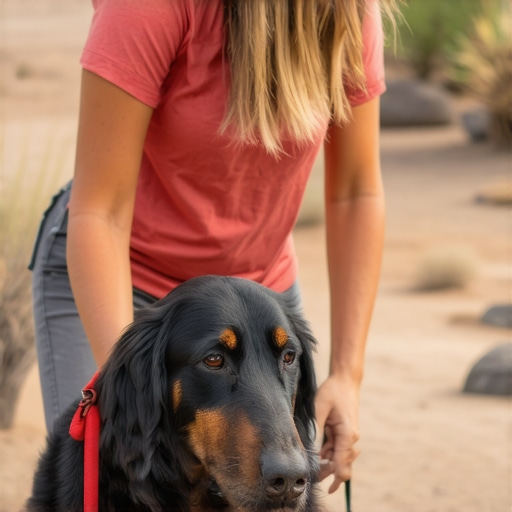
Unlocking Success: Innovative Techniques for Autism Service Dog Training in Arizona
Training a service dog for autism is a specialized journey that combines compassionate understanding with proven behavioral strategies. In Arizona, where diverse climates and community resources influence training approaches, harnessing the latest techniques can make a profound difference in the lives of children and families. This year, experts are emphasizing a combination of positive reinforcement, environmental adaptation, and tailored socialization to optimize outcomes for autistic individuals.
The Power of Positive Reinforcement in Autism Service Dog Training
One of the most effective and humane methods is positive reinforcement, which involves rewarding desired behaviors to encourage their recurrence. Behaviorists highlight that consistent praise, treats, or play can significantly accelerate learning, especially when training children with autism. Companies like Robinson Dog Training utilize this approach to build trust and motivation in their canine trainees, reinforcing the bond crucial for successful service dog partnerships.
Adaptive Training Environments: Bridging the Gap Between Theory and Reality
Arizona’s unique weather and landscape demand adaptive training environments. Outdoor sessions often incorporate natural stimuli to help dogs and handlers acclimate to real-world scenarios. For instance, training at local parks or community centers—embedded with distractions—enhances a dog’s ability to remain focused amidst sensory overloads common in public spaces. Incorporating environmental adaptation techniques ensures that service dogs can effectively assist autistic individuals in everyday settings, from bustling streets to quiet homes.
Socialization Strategies: Building Confidence and Independence
Socialization remains a cornerstone of effective service dog training. Experts advocate for gradual exposure to diverse social settings, including busy markets, schools, and public transport. This process fosters confidence in the dog, which translates into calm, controlled assistance for the autistic handler. Moreover, socialization enhances communication skills, helping children with autism feel more comfortable in social interactions while relying on their service dog for support.
How Do Trainers Tailor Techniques to Individual Needs?
Every child with autism and their family are unique, requiring personalized training plans. Skilled trainers conduct comprehensive assessments to identify specific triggers, sensitivities, and behavioral goals. They then customize training modules, combining visual cues, tactile interventions, and behavioral shaping to suit individual needs. This personalized approach ensures that the service dog not only performs tasks reliably but also becomes a true companion for the child’s developmental journey.
For families seeking local, expert support, visiting reputable training centers like Robinson Dog Training can be a great starting point. Their experienced trainers understand the nuances of autism service dog training in Arizona’s diverse environment.
Ready to learn more about how these innovative techniques can transform your family’s life? Share your experiences or ask questions in the comments below—your insights can help others navigate this empowering path.
For an in-depth look at behavioral training principles, consult resources like the American Psychological Association, which provides comprehensive guides on positive reinforcement and behavioral shaping.
Personalizing Training: The Heart of Effective Autism Service Dog Programs
One thing I’ve learned through years of hands-on experience is that no two children with autism are alike, and their service dogs should reflect this uniqueness. Tailoring training programs to address specific sensory sensitivities, communication styles, and behavioral triggers can make a world of difference. For example, some children may benefit from visual cue training, while others respond better to tactile or auditory signals. When I work with families, I emphasize the importance of a comprehensive assessment, often collaborating with occupational therapists and psychologists to develop a personalized training plan that aligns with the child’s developmental needs.
Integrating Technology to Enhance Training Outcomes
In recent years, technology has become an invaluable tool in autism service dog training. Using apps that track progress or provide visual schedules helps both trainers and families maintain consistency and monitor behavioral improvements. For instance, I’ve incorporated remote training modules that allow families to practice commands at home, reinforcing skills learned during sessions. Moreover, wearable devices can help gauge a dog’s stress levels during socialization exercises, ensuring that training remains positive and manageable for both the dog and the child. As highlighted by reputable sources like the Anxiety and Depression Association of America, integrating innovative tools can significantly improve training efficacy and emotional well-being.
Building Community Connections and Support Networks
Another aspect I find crucial is fostering a supportive community around families on this journey. Connecting with local autism support groups or online forums allows parents to share experiences, tips, and encouragement. Sometimes, just knowing others face similar challenges can be incredibly reassuring. I often invite families to participate in community training events, where they observe and practice alongside other families and their dogs. This not only builds confidence but also helps normalize the experience, making the training process less intimidating and more empowering. If you’re interested in exploring local resources, I recommend checking out community centers or nonprofit organizations dedicated to autism advocacy and service dog training.
What challenges have you faced in customizing training for your child’s unique needs?
Every family’s journey is different, and I genuinely want to hear about your experiences—whether you’ve encountered unexpected hurdles or inspiring breakthroughs. Sharing stories can foster a sense of community and provide practical insights for others walking a similar path. Feel free to comment below or reach out through our social channels. Together, we can continue refining these life-changing programs and ensure every child receives the tailored support they deserve. If you’re curious about specific training techniques or want to see real-life success stories, visit Robinson Dog Training, where passionate experts are dedicated to advancing autism service dog programs in Arizona.
Harnessing Behavioral Science for Personalized Autism Service Dog Programs
Developing a tailored training plan for each autistic child requires an intricate understanding of behavioral science principles. Experts emphasize that understanding the child’s unique sensory profile, communication preferences, and behavioral triggers allows trainers to design highly individualized modules. For instance, incorporating neurodiversity-affirming strategies ensures that training respects the child’s natural sensory and cognitive processes, fostering a more effective and compassionate approach. This involves collaborative assessments with occupational therapists and psychologists, enabling trainers to adapt cues and reinforcement methods that resonate with the child’s intrinsic learning style.
Leveraging Cutting-Edge Technology to Optimize Training Efficacy
Incorporating advanced technology elevates the standard of autism service dog training. Behavioral tracking apps provide real-time data on a dog’s responses, enabling trainers to refine techniques dynamically. Wearable stress monitors, for example, can alert handlers to signs of canine distress during socialization exercises, facilitating immediate adjustments. Additionally, virtual reality (VR) environments are emerging as innovative tools to simulate complex real-world scenarios safely, allowing dogs and children to practice interactions in controlled yet realistic settings. As noted by the National Center for Biotechnology Information, integrating these tools can significantly improve training precision and emotional resilience for both dog and handler.
Addressing Nuanced Challenges in Customizing Training for Unique Needs
One of the most sophisticated aspects of autism service dog training is navigating the nuanced challenges that arise from individual differences. For example, children with sensory processing disorder may require desensitization protocols for specific stimuli, such as loud noises or tactile inputs. Moreover, behavioral flexibility varies widely—some children may have rigid routines that demand consistent reinforcement schedules, while others thrive on variability. Trainers must employ adaptive behavioral shaping, adjusting reinforcement schedules, cues, and environmental settings in real time. This demands a high level of expertise, often involving interdisciplinary teams to ensure that training supports the child’s evolving needs.
What are the most effective methods for integrating sensory-specific interventions into service dog training?
Integrating sensory-specific interventions requires a meticulous approach that combines sensory integration therapy techniques with canine training. Methods such as gradual exposure to stimuli paired with positive reinforcement create a safe learning environment. For instance, pairing calming tactile objects with training sessions can help a child become more comfortable with tactile cues from their service dog. Additionally, designing training environments that mimic the child’s daily sensory experiences—such as busy shopping centers or noisy parks—can improve generalization of skills. For authoritative guidance, refer to resources like the Sensory Integration International.
To deepen your understanding of such advanced techniques, I invite you to explore specialized workshops or consult with certified sensory integration specialists. Engaging with a multidisciplinary team ensures that training programs are not only effective but also respect the child’s sensory boundaries and promote holistic well-being.
If you’re interested in exploring how these advanced strategies can be customized for your child’s needs, consider reaching out to local experts or visiting dedicated training centers. Sharing your experiences and questions can foster community learning and drive innovation in this vital field.
Harnessing Neurodiversity Principles to Tailor Autism Service Dog Training
In the realm of autism service dog training, integrating neurodiversity-affirming approaches ensures that each program respects the child’s innate sensory and cognitive profile. This paradigm shift from traditional behavioral models emphasizes understanding the child’s unique neurodevelopmental pathways, thereby fostering a more compassionate and effective training process. Advanced assessments involving interdisciplinary teams, including neuropsychologists, enable trainers to craft bespoke training modules that align with the child’s natural learning style, leading to more sustainable and empowering outcomes.
The Role of Sensory Processing Interventions in Enhancing Training Efficacy
Addressing sensory sensitivities is pivotal for optimizing service dog training. Incorporating sensory integration therapy techniques into canine training protocols—such as gradual exposure to tactile stimuli or auditory desensitization—can significantly reduce overwhelm and promote positive associations. Recent innovations involve utilizing wearable sensory modulation devices that provide real-time feedback on the child’s sensory state, allowing trainers to adapt their methods dynamically. This nuanced approach not only improves task reliability but also supports the child’s emotional resilience in diverse environments.
What Are the Cutting-Edge Technologies Revolutionizing Autism Service Dog Training?
Emerging technologies are transforming this specialized field. Virtual reality (VR) simulations enable safe, controlled exposure to complex social scenarios, enhancing a dog’s ability to adapt to unpredictable settings. Furthermore, AI-driven behavioral analytics can predict stress patterns, allowing for preemptive interventions. For example, integrating biometric sensors on dogs provides insights into physiological stress responses, facilitating more compassionate and effective training adjustments. These innovations ensure that training remains precise, personalized, and emotionally supportive.
Addressing Complex Behavioral Challenges with Multidisciplinary Collaboration
Customizing training for children with complex behavioral profiles necessitates a multidisciplinary approach. Collaborating with occupational therapists, psychologists, and veterinary behaviorists allows for comprehensive strategies that address behavioral rigidity, anxiety, and sensory overloads. Techniques such as behavioral chaining and adaptive reinforcement schedules are tailored in real-time to meet the child’s evolving needs. This collaborative model ensures that service dogs are not only task-efficient but also act as emotional anchors, fostering independence and confidence in the child.
How Can Experts Integrate Advanced Sensory and Behavioral Interventions Seamlessly?
Seamless integration requires a meticulous, evidence-based framework combining sensory integration techniques with behavioral shaping. Employing data-driven tools, such as Sensory Integration International methodologies, enables trainers to customize interventions that respect the child’s sensory thresholds. Stepwise exposure paired with positive reinforcement creates a safe learning environment. For instance, pairing calming tactile objects with training commands can help children desensitize to tactile stimuli from their service dog, improving cooperation and trust. This sophisticated approach demands ongoing professional development and interdisciplinary collaboration to stay abreast of emerging research and technological advancements.
Frequently Asked Questions (FAQ)
How does positive reinforcement improve autism service dog training?
Positive reinforcement enhances learning by rewarding desired behaviors, which encourages dogs to repeat them. This humane method fosters trust between the dog and trainer, accelerates skill acquisition, and creates a positive training environment especially beneficial for children with autism, as it reduces stress and promotes engagement.
What environmental adaptations are essential for training service dogs in Arizona?
Arizona’s diverse climate and landscape require outdoor training environments that simulate real-world conditions. Incorporating natural stimuli such as parks, busy streets, and community centers helps dogs and handlers adapt to sensory overloads, ensuring the service dog can perform reliably in various settings like urban streets or quiet homes.
How do socialization strategies support the development of autism service dogs?
Gradual exposure to social settings like markets, schools, and transit helps dogs build confidence and reduces anxiety. Effective socialization ensures the dog remains calm and focused when assisting in complex environments, which directly benefits the autistic individual by providing steady, reliable support in social interactions.
How are training techniques tailored to meet individual needs of children with autism?
Trainers conduct assessments to identify each child’s sensory sensitivities, communication styles, and behavioral triggers. They then customize training modules using visual cues, tactile signals, or auditory commands, often collaborating with occupational therapists and psychologists to create personalized programs that support the child’s unique developmental journey.
What role does technology play in enhancing autism service dog training?
Technology like training apps, wearable stress monitors, and virtual reality tools improve consistency, monitor progress, and simulate real-world scenarios safely. These innovations allow trainers and families to track behavioral improvements, adapt training dynamically, and foster emotional resilience in both the dog and the child.
How can families address sensory processing challenges during training?
Incorporating sensory integration techniques such as gradual exposure and pairing calming stimuli with training tasks helps desensitize children to sensory inputs. Using tools like wearable sensory devices provides real-time feedback, allowing for tailored interventions that respect the child’s sensory boundaries and improve cooperation with the service dog.
What are the benefits of neurodiversity-affirming approaches in training?
Neurodiversity-affirming methods respect the child’s natural cognitive and sensory profiles, fostering a more compassionate and effective training process. This approach emphasizes understanding individual neurodevelopmental pathways, leading to more sustainable, empowering outcomes and stronger bonds between the child and their service dog.
Which authoritative sources are recommended for further expert insights?
Reputable sources include the Sensory Integration International, which offers guidance on sensory processing techniques; the National Center for Biotechnology Information for research on technology in training; the American Psychological Association for behavioral science principles; and the Sensory Integration International for sensory-specific interventions.
Conclusion: Final Thoughts on Autism Service Dog Training in Arizona
In summary, effective autism service dog training in Arizona combines positive reinforcement, environmental adaptation, personalized strategies, and innovative technology, all grounded in behavioral science and neurodiversity principles. Tailoring approaches to each child’s unique sensory and behavioral profile ensures the creation of reliable, compassionate, and empowering support systems. Embracing multidisciplinary collaboration and technological advancements enhances training efficacy, ultimately transforming lives by fostering independence and confidence. Explore these expert techniques, share your experiences, and continue seeking specialized resources to optimize your family’s journey with autism service dogs.