![Keep Diabetic Alert Dogs Arizona Accurate in 115°F Heat [2026]](https://servicedogtrainingaz.com/wp-content/uploads/2026/02/Keep-Diabetic-Alert-Dogs-Arizona-Accurate-in-115°F-Heat-2026.jpeg)
Understanding the Challenges of Diabetes Detection in Hot Climates
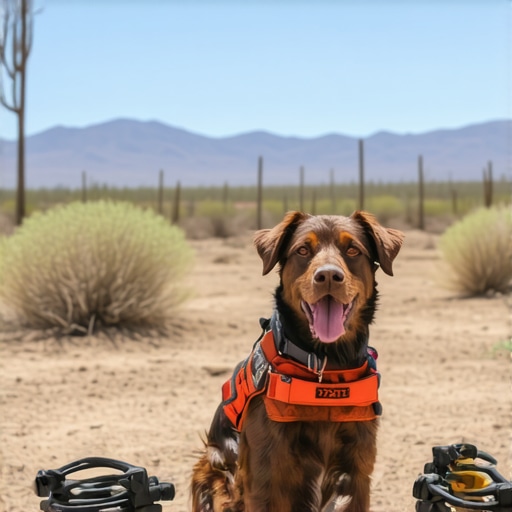
In the arid landscapes of Arizona, maintaining the accuracy of diabetic alert dogs during sweltering temperatures poses a serious challenge. With summer temperatures soaring well past 115°F, the performance of these highly trained canines can fluctuate, raising concerns for pet owners and caregivers alike. As experts in canine behavior and medical alert services, it is essential to explore how these dogs can remain effective even under extreme conditions.
The Importance of Diabetic Alert Dogs in Daily Life
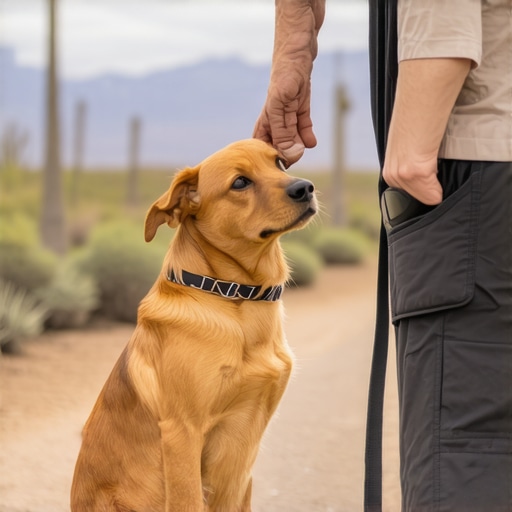
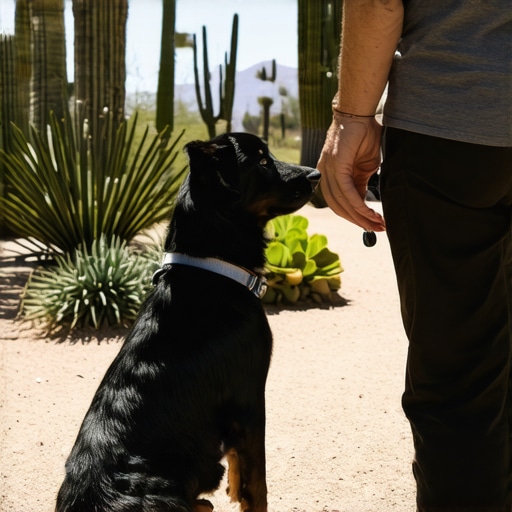
Diabetic alert dogs have become a vital tool for individuals managing insulin-dependent diabetes. These dogs are trained to detect subtle scent changes associated with blood sugar fluctuations, alerting their owners before symptoms escalate. Their role extends beyond simple companionship; they act as a secondary safety system, providing peace of mind and independence. However, environmental factors, particularly heat, can impair a dog’s olfactory sensitivity and overall alertness, complicating their vital function.
How Does Temperature Impact Dog Performance?
Extreme heat affects a dog’s physical and sensory capabilities. High temperatures can cause fatigue, dehydration, and decreased cognitive function—factors that diminish a diabetic alert dog’s effectiveness. Researchers and trainers emphasize the importance of acclimating dogs to hot environments and implementing cooling strategies. Proper hydration, shaded resting areas, and adjusted training routines are essential to maintain peak performance during Arizona’s scorching summers.
Can Technology Supplement Training in Heat?
Emerging technologies are increasingly integrated with canine scent detection to enhance reliability. Devices such as scent analysis monitors and wearable sensors can support a dog’s alerts, especially when environmental conditions challenge their senses. Combining natural canine intuition with technological aids creates a robust safety net for diabetics living in hot climates.
For those interested in ensuring their diabetic alert dog remains precise amid Arizona’s heat, consulting with professionals like Robinson Dog Training can offer tailored solutions. Through specialized training protocols and environmental conditioning, dogs can adapt effectively. Additionally, it’s vital for pet owners to understand existing guidelines and safety measures, which are discussed thoroughly in dedicated training programs and community resources.
Enhancing Canine Comfort and Performance in Hot Climates
Beyond training and technological aids, ensuring canine comfort is pivotal. Use cooling vests, shaded resting zones, and frequent hydration breaks during outdoor activities to sustain alertness. Implement environmental acclimation protocols by gradually exposing dogs to higher temperatures to build resilience without overwhelming them.
Nuances in Heat-Induced Olfactory Impairment
Olfactory sensitivity is temperature-sensitive. Elevated ambient temperatures can cause odor molecules to disperse differently, reducing scent detection accuracy. Recognize signs of olfactory fatigue, such as hesitation or inconsistent alerts, and adjust routines accordingly.
Common Misconceptions About Canine Heat Tolerance
- Myth: All dogs tolerate heat equally. Reality: Breeds with short noses (brachycephalic) are more susceptible to heat stress, affecting scent detection.
- Myth: Training in cool conditions is sufficient. Reality: Incorporate heat acclimation exercises to simulate real-world thermal stress.
Detailed How-To: Adjusting Training Routines for Hot Climates
- Begin with low-intensity scent discrimination tasks in shaded, cooled environments.
- Progressively introduce higher temperatures, starting with early morning or late evening sessions.
- Integrate cooling aids like damp towels or cooling mats during rest periods.
- Monitor vital signs—heart rate, respiration—and look for signs of overheating.
- Reinforce alerting behaviors under thermal stress with positive reinforcement.
Future Trends in Canine Cooling Technologies
As climate change leads to increasingly hotter summers, the development of advanced cooling systems for diabetic alert dogs is gaining momentum. Innovations such as portable cooling vests with phase-change materials, solar-powered cooling pads, and automatic hydration stations are revolutionizing canine care, enabling dogs to maintain optimal performance even during heatwaves. Researchers are also exploring smart fabrics that adapt to temperature fluctuations, providing a comfortable and breathable environment for working dogs.
Integration of Artificial Intelligence with Canine Scent Detection
The rise of artificial intelligence (AI) is opening new horizons in scent detection accuracy. Wearable sensors equipped with AI algorithms can analyze scent signatures in real-time, supporting the dog’s natural abilities. These devices can notify handlers of potential scent detection inconsistencies caused by heat-induced olfactory fatigue, ensuring reliable alerts. Combining AI with canine intuition creates a hybrid system that elevates safety standards for diabetics in high-temperature zones.
Breed-Specific Adaptations for Heat Resilience
Understanding that breed differences influence heat tolerance, future research is focusing on developing specialized training and equipment tailored to breeds more susceptible to heat stress. For instance, brachycephalic breeds receive customized cooling and conditioning routines, while longer-nosed breeds benefit from tailored scent training methods. Genetic research is also exploring ways to enhance inherent heat resilience without compromising detection capabilities.
Mobile Training and Remote Support Platforms
The advent of virtual training programs and remote monitoring tools allows trainers and owners to adapt routines without the need for frequent physical visits. These platforms provide real-time data on a dog’s performance under varying environmental conditions, offering tailored advice for acclimation and cooling strategies. Such technologies make consistent training and maintenance accessible, especially in regions with extreme climates.
Community and Policy-Level Initiatives
Momentum is growing for community-driven programs that focus on educating pet owners, trainers, and veterinarians about heat-safe practices for working dogs. Policies advocating for climate-resilient training facilities, accessible cooling stations in public areas, and standardized guidelines for heat acclimation are being implemented across states like Arizona. These initiatives aim to safeguard the health and effectiveness of diabetic alert dogs amid the challenges of a warming environment.
Frequently Asked Questions
Can diabetic alert dogs reliably perform in extreme heat?
While high temperatures can temporarily reduce a dog’s olfactory sensitivity and alertness, with proper acclimation, cooling strategies, and training adjustments, these dogs can maintain high performance levels even during Arizona’s scorching summers.
What are the best practices to keep alert dogs comfortable in hot weather?
Ensure access to shaded rest areas, provide cooling vests or mats, maintain optimal hydration, and include gradual heat exposure during training to build resilience without overwhelming the dog.
How can technology support dogs during high temperatures?
Wearable scent analysis monitors and AI-powered sensors can supplement a dog’s natural detection ability, providing reliable alerts and compensating for temporary olfactory impairments caused by heat.
Are certain breeds more suitable for working in hot climates?
Breeds with longer noses and more efficient heat dissipation tend to tolerate hot climates better. Customized training and cooling protocols can improve resilience across various breeds, especially those more susceptible to heat stress.
What should pet owners do if their alert dog shows signs of overheating?
Immediately move the dog to a cooler shaded area, offer water, use cooling aids, monitor vital signs, and consult a veterinarian if symptoms persist or worsen.
The Bottom Line
Optimizing the effectiveness and comfort of diabetic alert dogs in high-temperature environments demands a comprehensive approach. Combining advanced training, technological support, environmental modifications, and breed-specific strategies ensures these exceptional animals continue their vital role safely and reliably, even in Arizona’s extreme heat.
Take Action Today
If you’re a pet owner or trainer seeking tailored solutions to enhance your diabetic alert dog’s resilience in hot climates, consult with certified professionals like Robinson Dog Training. Implementing expert-guided practices now can safeguard your dog’s health and ensure consistent alerting performance when it matters most.