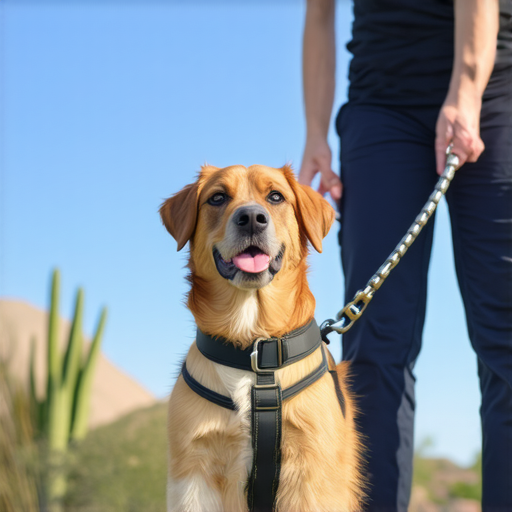

Unlocking the Secrets to Successful Service Dog Training in Arizona
Are you ready to transform your service dog training journey in the vibrant landscapes of Arizona? Whether you’re a seasoned trainer or a newcomer eager to make a difference, understanding the nuances of effective service dog training is crucial. With the rising demand for well-trained service animals, especially in a diverse environment like Arizona, expert strategies can make all the difference in achieving 2024 success.
Why Arizona’s Unique Climate and Terrain Matter in Service Dog Training
Arizona’s arid climate and varied terrains pose specific challenges and opportunities for service dog training. Training in such conditions requires adapting techniques that account for extreme heat, rugged outdoor environments, and diverse urban settings. For example, acclimating your dog to outdoor stimuli ensures they perform reliably in public spaces like Scottsdale or Tucson, where outdoor activity is common. Incorporating climate-specific training can significantly boost your dog’s resilience and responsiveness, making them better equipped for daily tasks and emergencies.
Building a Strong Foundation with Advanced Training Techniques
Effective service dog training in Arizona begins with a solid foundation in obedience and socialization. However, to excel in 2024, trainers should incorporate innovative methods such as positive reinforcement combined with real-world scenario simulations. Techniques like scent training for search and rescue or specialized mobility assistance require tailored approaches that leverage local resources and environments. Partnering with experienced trainers or organizations like American Service Dog Organization can provide valuable guidance and credibility.
Addressing Common Challenges with Expert Insights
One frequent challenge in service dog training is maintaining focus amid Arizona’s bustling outdoor festivals or crowded urban areas. To combat this, seasoned trainers recommend distraction-proof exercises that simulate real-life situations. For instance, gradual exposure to crowds, loud noises, and busy streets helps dogs develop resilience and attention span. Additionally, understanding local regulations and ensuring your dog is trained to behave appropriately in public spaces enhances safety and compliance.
What Are the Critical Skills a Service Dog Must Have for Success in Arizona’s Environment?
Essential skills include impeccable obedience, task-specific training, and adaptability to outdoor conditions. Dogs must be comfortable in heat, able to navigate rugged terrain, and remain calm amidst distractions. Proper training ensures they can perform tasks reliably—be it guiding the visually impaired, alerting to medical issues, or providing mobility support—regardless of Arizona’s diverse landscape.
If you’re seeking expert guidance, consider consulting local trainers who understand Arizona’s unique environment or visiting reputable programs like Robinson Dog Training. Sharing your experiences or asking questions in community forums can also enrich your training approach.
Ready to elevate your service dog training? Share your journey in the comments, or explore more tips and resources to make your 2024 training goals a reality!
Enhancing Your Service Dog’s Skills for Arizona’s Dynamic Landscape
Building on foundational obedience, advancing your service dog’s skills involves not only mastering basic commands but also integrating complex tasks that are essential in real-world Arizona settings. For instance, dogs trained for mobility assistance should be familiar with navigating uneven terrains like rocky trails in Sedona or desert landscapes in Phoenix. Incorporating terrain-specific exercises helps your dog adapt seamlessly across different environments, ensuring they remain reliable helpers regardless of where you are.
Leveraging Local Resources and Natural Settings for Training
Arizona offers an abundance of natural training environments that can be invaluable for developing your dog’s resilience and task performance. Training in local parks, desert trails, or urban outdoor spaces can simulate the variety of stimuli your service dog will encounter daily. For example, practicing scent detection in the Sonoran Desert can enhance search and rescue capabilities, while navigating busy downtown areas sharpens public access skills. Connecting with local organizations or trainers who understand these unique environments can provide tailored guidance and support your goals.
How Can You Prepare Your Service Dog for Emergency Situations in Arizona’s Climate?
Arizona’s extreme heat and sudden weather changes demand that your service dog is well-prepared for emergencies. Regularly practicing emergency protocols such as quick exits, finding shade, or alerting to medical issues like heatstroke is crucial. Ensuring your dog remains calm and responsive during such situations can be life-saving. Using desensitization techniques to acclimate your dog to loud noises, sudden movements, or intense sunlight can significantly improve their performance under stress. Consulting trusted sources like the American Service Dog Organization can guide you in developing comprehensive training plans that address these environmental challenges.
Have You Considered How Your Service Dog Can Adapt to Arizona’s Ever-Changing Scenery?
Adapting to changing scenery is a critical skill for service dogs in Arizona. Whether it’s a bustling city street, a quiet mountain trail, or a desert landscape, your dog needs to stay focused and perform tasks reliably. To foster this adaptability, introduce varied scenarios gradually, increasing complexity over time. This approach not only builds confidence but also helps your dog generalize learned behaviors across different contexts. Remember, a well-rounded training program combines obedience, task-specific exercises, and environmental exposure—aligned with your dog’s specific role and your lifestyle.
If you’re eager to deepen your knowledge or share your experiences, engaging with local trainers or online communities can provide ongoing support. Sharing insights or asking questions can spark innovative ideas tailored to your unique training journey.
Ready to elevate your service dog training in Arizona? Drop a comment below with your challenges or successes, and let’s inspire each other to create well-prepared, confident service dogs for all of Arizona’s adventures!
Harnessing Environmental Variability for Superior Service Dog Performance in Arizona
In the realm of service dog training, understanding and leveraging Arizona’s unique environmental conditions can dramatically enhance a dog’s adaptability and task proficiency. Training in varied settings—ranging from the urban hustle of Phoenix to the rugged trails of Sedona—ensures that service dogs are prepared for any scenario their handlers might face. This approach, rooted in environmental desensitization and context-specific training, is critical for developing resilient, reliable assistance animals.
Integrating Multi-Context Training for Behavioral Flexibility
To cultivate a service dog capable of maintaining composure across diverse terrains and stimuli, trainers must implement multi-context training modules. These modules involve systematic exposure to different surfaces, sounds, and visual stimuli, progressively increasing in complexity. For example, practicing commands on rocky trails, sandy desert floors, and busy city streets ensures that the dog’s responses remain consistent regardless of external variables. This technique not only boosts confidence but also fortifies the dog’s ability to generalize learned behaviors, a cornerstone of advanced training.
Expert Insight: What Are the Critical Neural and Behavioral Adaptations in Service Dogs for Arizona’s Environment?
Research indicates that successful adaptation involves both neural plasticity and behavioral conditioning. The canine brain’s capacity to form new associations and suppress irrelevant stimuli is essential in complex environments. Studies such as those by Neuroplasticity and Canine Training highlight how targeted exposure combined with positive reinforcement enhances neural pathways responsible for focus and task execution. Trainers should incorporate exercises that challenge attention span and decision-making under environmental stressors, fostering neural resilience alongside behavioral competence.
Addressing Environmental Stressors Through Advanced Conditioning Techniques
Arizona’s climate, with its intense heat and sudden weather shifts, demands specialized conditioning protocols. Techniques such as habituation to high temperatures through controlled exposure, combined with hydration and cooling strategies, help dogs remain effective in hot conditions. Additionally, stress inoculation training—gradually introducing stressors like loud noises or unfamiliar scents—prepares dogs to maintain focus and perform tasks reliably amid chaos.
How Can Trainers Measure and Optimize a Service Dog’s Environmental Adaptability?
Quantifying adaptability involves behavioral assessments during simulated real-world scenarios, tracking responses to stimuli, and task performance metrics. Video analysis and biometric data, such as heart rate variability, can provide insights into stress levels and focus. Based on these metrics, trainers can tailor programs to target specific weaknesses, ensuring continuous improvement and confidence in the dog’s capabilities.
Engaging with specialized training programs that incorporate environmental variability, such as those offered by Robinson Dog Training, can accelerate this process. Moreover, continuous education through workshops and collaboration with local experts can keep trainers at the forefront of innovative methodologies.
For those dedicated to refining their service dog training practices, exploring emerging research in neurobehavioral adaptation and environmental conditioning offers a pathway to excellence. Sharing your experiences and insights within professional communities can foster collective growth, ensuring that service dogs in Arizona are not just trained but expertly prepared for every challenge their environment presents.
Harnessing Neuroplasticity to Elevate Service Dog Performance in Arizona’s Challenging Climates
In the realm of service dog training, leveraging the canine brain’s remarkable neuroplasticity can significantly enhance adaptability and resilience amidst Arizona’s extreme environmental conditions. Cutting-edge research, such as the study by Neuroplasticity and Canine Training, underscores how targeted exercises can rewire neural pathways to improve focus and task execution under stress. By incorporating specialized drills that challenge attention and decision-making, trainers can foster neural resilience, enabling dogs to perform reliably in high-temperature outdoor settings or amidst complex urban stimuli.
Integrating Multi-Sensory Conditioning for Robust Behavioral Flexibility
Achieving behavioral flexibility in service dogs requires multi-sensory exposure that mimics real-world scenarios. This approach involves systematic training across diverse surfaces—such as rocky trails, sandy deserts, and bustling city sidewalks—while gradually increasing stimuli complexity. Such exposure ensures that dogs generalize commands and tasks across varying environments, from the rugged terrains of Sedona to the vibrant streets of Phoenix. This method not only enhances confidence but also fortifies the dog’s ability to adapt seamlessly, a critical component for effective assistance in unpredictable situations.
Addressing Environmental Stressors with Precision Conditioning Techniques
Arizona’s unpredictable weather patterns and intense heat necessitate advanced conditioning protocols. Techniques like habituation to high temperatures, combined with hydration and cooling strategies, prepare dogs for effective performance during heatwaves. Additionally, stress inoculation training—introducing controlled stressors such as loud noises or unfamiliar scents—ensures dogs remain calm and focused amid chaos. Incorporating desensitization to sunlight glare and sudden weather changes further enhances their operational effectiveness, making them reliable helpers regardless of environmental challenges.
How Can Trainers Quantify and Enhance a Service Dog’s Environmental Adaptability?
Quantitative assessment of adaptability involves behavioral observations during simulated real-world scenarios, complemented by biometric data like heart rate variability. Video analysis highlights response patterns, while stress indicators guide tailored training adjustments. Continual monitoring and iterative training optimize performance, ensuring dogs maintain composure and task accuracy across diverse conditions. Collaborating with organizations such as Robinson Dog Training provides access to specialized programs that focus on environmental adaptability, fostering continual improvement for service dogs operating in Arizona’s multifaceted landscapes.
To push the boundaries of your training expertise and ensure your service dog’s readiness, delve into emerging neurobehavioral research and advanced conditioning methodologies. Engaging with professional communities and sharing insights can accelerate mastery, ultimately resulting in service dogs that exemplify resilience, focus, and unwavering reliability in Arizona’s dynamic environment.
Frequently Asked Questions (FAQ)
How does Arizona’s climate affect service dog training strategies?
Arizona’s extreme heat, arid conditions, and diverse terrains necessitate specialized training approaches. Trainers must acclimate dogs to high temperatures, incorporate hydration and cooling techniques, and expose them gradually to outdoor stimuli like rocky trails or desert landscapes. This ensures dogs remain focused, responsive, and resilient in the state’s challenging environment.
What are the essential skills a service dog needs to succeed in Arizona?
Key skills include impeccable obedience, task-specific training tailored to outdoor and urban environments, and adaptability to various terrains and stimuli. Dogs should be comfortable in heat, able to navigate rugged landscapes, and maintain calmness amidst distractions such as crowds or noise, ensuring reliability in diverse settings.
How can I train my service dog to handle Arizona’s outdoor environments?
Utilize multi-sensory, environment-specific training modules that include exposure to rocky trails, desert terrain, and busy urban areas. Gradually increase complexity, reinforce commands on different surfaces, and simulate real-world scenarios. Partnering with local trainers familiar with Arizona’s landscapes enhances effectiveness.
What techniques are recommended for preparing service dogs for emergencies in Arizona?
Focus on habituation to high temperatures, quick-exit protocols, and emergency alert training such as finding shade or alerting to medical issues like heatstroke. Desensitization to loud noises, sunlight glare, and sudden weather changes is vital. Regular practice ensures dogs respond reliably under stress, potentially saving lives.
How can neuroplasticity be leveraged in training service dogs for Arizona’s environment?
Targeted exercises that challenge focus and decision-making foster neural resilience through neuroplasticity. Incorporating complex, environment-specific drills rewires neural pathways, improving adaptability and task execution amid Arizona’s extreme conditions. Research by neurobehavioral studies supports this approach, enhancing training outcomes.
What sources can I consult for expert guidance on training service dogs in Arizona?
Reputable sources include the American Service Dog Organization, which offers comprehensive training resources; Neuroplasticity and Canine Training, providing insights into neural adaptation; and Robinson Dog Training, specializing in environment-specific training techniques.
Trusted External Sources
- American Service Dog Organization: Provides expert training programs, resources, and community support tailored for service dogs, with a focus on diverse environments and specialized tasks in the U.S.
- Neuroplasticity and Canine Training (Journal Article): Offers scientific insights into how neural pathways adapt during advanced training, emphasizing the importance of environment-specific exercises for resilience.
- Robinson Dog Training: Renowned for its hands-on, environment-focused training methodologies in Arizona, leveraging local terrain and climate conditions for optimal service dog preparation.
Conclusion: Final Thoughts on Service Dog Training in Arizona
Training service dogs in Arizona demands a nuanced understanding of the state’s unique climate and terrain. Incorporating environment-specific techniques, fostering neural adaptability through neuroplasticity, and utilizing trusted resources are key to cultivating resilient, reliable assistance animals. As you continue your training journey, stay informed with expert guidance, adapt strategies to local conditions, and share your experiences within the community. Empowered with knowledge and dedication, you can ensure your service dog is prepared for any challenge Arizona throws their way. Share this guide with fellow trainers and enthusiasts, comment with your insights, or explore related expert content to elevate your service dog training skills in 2024 and beyond!
Reading through this comprehensive guide really underscored how vital it is to tailor service dog training to Arizona’s unique environment. I’ve personally experienced how dogs trained without considering the local climate often struggle with heat-related stress, which can compromise their ability to perform tasks reliably. I especially appreciate the emphasis on multi-sensory and terrain-specific training; incorporating urban and desert environments into regular sessions definitely makes a difference in real-world readiness. I wonder how most trainers balance the need for intense environmental exposure with ensuring the dog doesn’t become overwhelmed or overly stressed during training? Has anyone found particular techniques or schedules that help in gradually increasing environmental complexity without causing burnout? Would love to hear about different approaches that have worked well in similar challenging climates like ours.
This post really highlights the importance of a tailored approach to service dog training in a state as diverse as Arizona. Having worked extensively in desert environments, I can attest to how critical it is to gradually expose dogs to the unique challenges they will face, like extreme heat and rugged terrain. One strategy that has worked well for me is implementing phased training schedules, where puppies or beginner dogs start with short, controlled exposures and steadily increase in duration and complexity. This helps prevent overstimulation or fatigue, ensuring the dog remains engaged and learns effectively. Another aspect I find valuable is incorporating hydration techniques and cooling strategies right from the start, which build resilience over time. I’m curious—what are some effective ways other trainers have found to balance intense environmental exposure with maintaining a calm, focused temperament? Are there specific signs to watch for that indicate a dog might be overwhelmed and needs a break? Would love to hear more insights on customizing training plans for different skill levels in Arizona’s climate.
This article offers a comprehensive overview of the nuances involved in training service dogs for Arizona’s distinctive environment. Having worked with dogs across various terrains, I can say that acclimating a dog to the outdoor stimuli early on truly makes a difference. One thing I’d add is the importance of routine hydration and cooling techniques, especially since dehydration can be a serious concern in the desert heat. I’ve found that introducing structured rest breaks during training sessions helps prevent overheating and keeps the dog focused and calm. Also, gradual exposure to different environments—starting from shaded parks to rocky trails—seems to promote better adaptability and trust. Have others experienced particular challenges in balancing intense outdoor training with the need to prevent stress? Are there specific cues or behaviors trainers should watch for that signal a dog is reaching its stress threshold? I’d love to hear strategies from those who’ve successfully managed this delicate balance.