
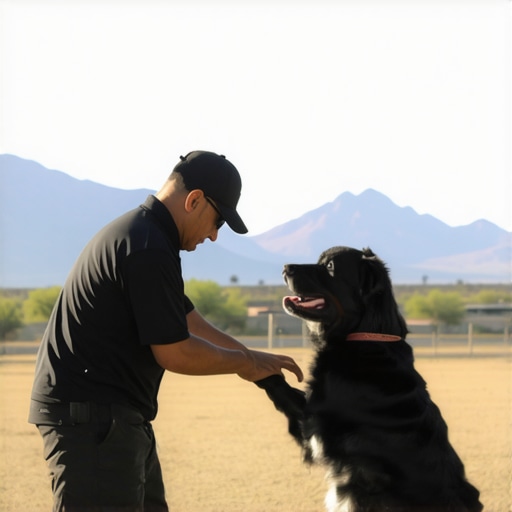
Unlocking the Secrets of Service Dog Training in Arizona: A Deep Dive into Proven Strategies
Training a service dog in Arizona involves more than just basic obedience; it requires a nuanced understanding of canine behavior, the unique environment of the desert state, and the specific needs of individuals relying on these remarkable animals. As an experienced dog trainer with years of hands-on expertise, I will guide you through the most effective training tips tailored for Arizona’s climate and lifestyle, ensuring your service dog is prepared for success in 2024 and beyond.
Why Arizona’s Climate Demands Customized Training Approaches
Arizona’s scorching summers and arid conditions pose unique challenges for service dog training. Hot pavement, intense sun, and limited shade can affect a dog’s comfort and focus. Therefore, training sessions should be scheduled during cooler parts of the day and incorporate acclimatization to the environment. For instance, introducing your dog to various outdoor surfaces gradually helps prevent heat-related paw pad injuries and enhances their confidence in navigating different terrains.
Building a Foundation of Trust and Reliability
At the core of effective service dog training is establishing a strong bond built on trust and consistency. Using positive reinforcement techniques—such as treats, praise, and play—encourages desired behaviors and fosters a sense of security. In Arizona, where distractions like wildlife and busy urban environments are common, teaching your dog to maintain focus amidst chaos is crucial. Consistent commands and routines reinforce reliability, ensuring your service dog responds predictably in any situation.
Integrating Advanced Skills with Everyday Accessibility
In 2024, successful service dogs are those that seamlessly integrate specialized skills with daily life. Training for tasks like retrieving items, alerting to medical conditions, or providing stability on uneven terrain should be incorporated into routine activities. For example, practicing commands during visits to local Arizona markets or parks helps your dog adapt to diverse settings. Additionally, familiarizing them with public access laws and etiquette ensures they behave appropriately in various social contexts, which is vital for their role as a service animal.
How Can I Ensure My Service Dog Remains Calm Amid Arizona’s Busy and Stimulating Environment?
Teaching your dog impulse control and distraction management is essential. Techniques include controlled exposure to stimuli, such as traffic sounds or crowded events, paired with calming exercises. This helps your service dog develop resilience and composure, making them more effective in assisting you regardless of the setting. Remember, patience and gradual exposure are key, and consulting with a professional trainer experienced in Arizona’s environment can accelerate progress.
Interested in discovering top-rated service dog training providers in Arizona? Check out trusted local experts like Robinson Dog Training, who specialize in personalized training tailored to the state’s unique climate and community needs. Their proven methods and compassionate approach make a significant difference in your journey towards a dependable service companion.
For more detailed insights on service dog training, refer to the comprehensive guide from the American Kennel Club on service dog training and certification.
Share your experiences or ask questions below—building an informed community helps everyone succeed in creating well-trained, confident service dogs for Arizona residents!
Expanding Your Knowledge: Practical Techniques for Advanced Service Dog Training in Arizona
Building on the foundational training strategies previously discussed, it’s essential to recognize that advanced service dog training often involves customizing techniques to meet individual client needs and environmental challenges unique to Arizona. One effective approach I’ve found invaluable is the use of scent discrimination exercises, which enhance a dog’s ability to detect specific cues or medical alerts. For example, dogs can be trained to recognize changes in a handler’s blood sugar levels or specific scents associated with medical conditions, providing vital assistance in real-world scenarios.
Understanding the Impact of Arizona’s Diverse Terrain on Training
Arizona’s varied landscape—from urban settings to rugged desert terrain—requires that your service dog is versatile and confident across environments. Incorporating obstacle navigation, such as uneven surfaces or natural obstacles, into daily training sessions can significantly boost their adaptability. During these activities, I recommend gradually increasing complexity, always ensuring the dog’s safety and comfort. This kind of training not only enhances their physical skills but also reinforces their mental resilience, which is crucial when assisting in unpredictable situations.
Building a Partnership: The Human-Canine Connection in Service Work
One aspect often overlooked is the importance of developing a deep bond between the handler and the service dog. This relationship underpins the dog’s reliability and responsiveness. I personally emphasize consistent communication, mutual respect, and empathy during training. It’s astonishing how small gestures—like maintaining eye contact or using a specific tone—can solidify trust and improve obedience. A strong partnership ensures that the service dog remains calm and focused, even in the most stimulating environments, such as crowded Arizona events or outdoor festivals.
What Are Some Personal Strategies You Use to Keep Your Service Dog Calm and Focused in Challenging Situations?
In my experience, implementing a combination of calming routines—such as gentle massage, controlled breathing exercises, and designated focus cues—can work wonders. Additionally, I suggest incorporating mock scenarios into training, like simulated crowd or noise distractions, so the dog learns to maintain composure under pressure. Consistent positive reinforcement during these exercises helps the dog associate challenging situations with rewarding experiences, fostering confidence and resilience. According to the American Kennel Club, ongoing socialization and exposure are key to developing a dependable service animal capable of handling Arizona’s vibrant and sometimes overwhelming social scenes.
If you’re interested in exploring local resources, consider consulting with expert trainers like Robinson Dog Training, who specialize in tailored programs suited for Arizona’s climate and diverse environments. Their personalized approach can make a significant difference in your training journey.
Have you faced unique challenges while training your service dog in Arizona? Share your stories or ask questions below—your insights can inspire and inform others navigating similar journeys in creating reliable, confident service animals!
Leveraging Sensory Integration for Enhanced Service Dog Performance in Arid Climates
In the challenging environment of Arizona’s desert landscape, harnessing a service dog’s sensory capabilities can significantly improve their efficiency and reliability. Advanced training techniques involve integrating scent discrimination exercises that focus on detecting specific medical cues or environmental changes, such as shifts in blood sugar levels or approaching storms. Research from the University of Pennsylvania’s Penn Vet Working Dog Center highlights how multisensory training enhances a dog’s ability to process complex stimuli, making them more resilient in unpredictable situations.
The Nuances of Terrain Adaptability and Obstacle Negotiation
Arizona’s diverse terrain—from urban sidewalks to rugged desert trails—requires service dogs to be versatile. Incorporating obstacle navigation into daily routines offers mental and physical benefits, sharpening their problem-solving skills. Techniques such as gradually introducing natural obstacles like loose gravel or uneven adobe surfaces, combined with positive reinforcement, foster confidence and adaptability. This training not only prepares dogs for real-world challenges but also deepens the human-animal bond through shared experience and trust.
Deepening the Bond: Emotional Synchrony and Communication Mastery
Developing a profound connection with your service dog extends beyond basic commands. It involves fostering emotional synchrony—where both handler and canine respond intuitively to each other’s cues. Advanced communication techniques include using specific vocal tones, subtle gestures, and even scent cues to reinforce commands. According to Canine Training Institute, this level of rapport enhances responsiveness and reduces stress, especially in high-stakes situations like crowded public events or emergency scenarios in Arizona.
What are innovative methods to strengthen handler-dog communication in complex environments?
One effective approach involves incorporating mirror training, where handlers and dogs learn to read each other’s body language and signals through synchronized exercises. Additionally, simulated high-stimulation scenarios, such as busy marketplaces or outdoor festivals, can train dogs to maintain focus and calmness. Implementing these methods requires patience and consistency but yields a dependable partnership essential for effective service work.
For those seeking tailored guidance, consulting with specialized trainers like Robinson Dog Training offers personalized programs that address Arizona’s unique environmental and social challenges. Their expertise ensures your service dog is prepared to excel, regardless of the setting.
Interested in expanding your mastery of service dog training? Explore resources from the American Kennel Club to deepen your understanding of advanced training modules and certification standards.
Share your innovative techniques or challenges below—fostering a community of expert handlers and trainers enhances everyone’s ability to develop confident, capable service animals in Arizona’s dynamic landscape!
Unlocking Elite Techniques for Service Dog Training in Arizona’s Unique Environment
While foundational training establishes a service dog’s basic reliability, achieving mastery requires delving into sophisticated methods tailored to Arizona’s distinctive landscape and social fabric. Advanced training involves not only refining obedience but also enhancing sensory perception, emotional resilience, and environmental adaptability. As a seasoned canine behaviorist, I will explore innovative strategies that elevate your service dog’s performance to exceptional levels.
Harnessing Multisensory Integration for Superior Alerting Capabilities
In the arid and often unpredictable climate of Arizona, service dogs must process a complex array of stimuli. Incorporating multisensory exercises—such as scent discrimination combined with auditory cues—can significantly boost a dog’s ability to detect subtle changes in their handler’s condition or surroundings. According to research published by the Penn Vet Working Dog Center, multisensory training enhances neural pathways, resulting in heightened situational awareness and quicker response times in critical moments.
What Are Cutting-Edge Methods to Cultivate Emotional Resilience in Service Dogs?
Building emotional resilience is paramount for service dogs operating in stressful environments. Techniques such as controlled exposure to high-stimulation scenarios—crowded markets, outdoor festivals, or emergency drills—paired with positive reinforcement, foster mental toughness. Implementing desensitization protocols gradually reduces anxiety and prevents overstimulation. Engaging in regular, simulated crisis exercises ensures your dog remains calm, focused, and responsive under pressure, aligning with best practices outlined by Canine Training Institute.
How Can Handler-Dog Communication Be Elevated to a Subtle, Intuitive Level?
Advanced communication transcends basic commands, emphasizing mutual understanding and intuitive responses. Techniques include scent-based cues that signal specific behaviors, as well as body language mirroring exercises that synchronize handler and dog responses. This form of non-verbal communication increases responsiveness, especially in noisy or chaotic environments unique to Arizona’s urban and rural settings. Developing this nuanced rapport requires consistent practice, patience, and expert guidance from trainers specializing in human-canine interaction.
Engage with Leading Experts to Revolutionize Your Service Dog Program
To truly excel, consider collaborating with professional trainers like Robinson Dog Training. Their bespoke programs incorporate environmental simulations, sensory training, and emotional conditioning tailored for Arizona’s diverse climate and terrain. Investing in such advanced training can dramatically improve your service dog’s reliability, independence, and overall quality of assistance.
For further insights, explore authoritative resources like the American Kennel Club’s comprehensive guide on service dog certification. Staying informed about evolving standards and techniques ensures your program remains at the forefront of excellence and compliance.
Ready to elevate your service dog training to an elite level? Connect with industry leaders, experiment with innovative methods, and share your journey—your dedication can transform lives and set new benchmarks in Arizona’s service dog community.
Frequently Asked Questions (FAQ)
How does Arizona’s climate affect service dog training strategies?
Arizona’s extreme heat and arid conditions necessitate scheduling training during cooler parts of the day, such as early mornings or evenings, and gradually acclimating dogs to outdoor surfaces. Using protective gear and providing ample water helps prevent heat-related injuries, ensuring effective training and the health of your service dog.
What are the most important skills for a service dog to learn in Arizona?
Key skills include environmental navigation across diverse terrains, impulse control amid distractions like wildlife or traffic, and specialized tasks such as medical alerting or retrieving items. Incorporating public access etiquette tailored to Arizona’s bustling urban and outdoor spaces is also essential for seamless integration into daily life.
How can I train my service dog to remain calm in Arizona’s busy environments?
Implement desensitization exercises to exposure to stimuli like crowds, sounds, and traffic, paired with positive reinforcement. Gradually increasing exposure and practicing calming routines, such as deep pressure or focused attention cues, help your dog develop resilience and maintain composure in stimulating settings.
What advanced techniques improve a service dog’s performance in complex environments?
Scent discrimination exercises, multisensory integration, and emotional resilience training are vital. These techniques enhance the dog’s ability to detect subtle cues, process multiple stimuli simultaneously, and stay calm under pressure, especially in Arizona’s unpredictable outdoor and urban scenarios.
Where can I find expert training resources specific to Arizona?
Local trainers like Robinson Dog Training specialize in tailored programs that consider Arizona’s climate and social landscape. Additionally, reputable organizations like the American Kennel Club provide comprehensive guidelines on service dog training and certification standards.
Trusted External Sources
- Penn Vet Working Dog Center: Renowned for research on multisensory training and canine cognition, offering insights into advanced training methods that enhance a service dog’s perceptual abilities.
- Canine Training Institute: A leading authority on human-canine communication, desensitization, and emotional resilience techniques, providing evidence-based training protocols.
- American Kennel Club (AKC): The premier organization for canine training standards, certification processes, and educational resources on service dog programs.
- Arizona Humane Society: Offers local expertise on canine health, environmental considerations, and community-based training initiatives suited for Arizona’s unique environment.
- University of Pennsylvania Penn Vet Working Dog Center: Conducts cutting-edge research on sensory integration and canine behavior, informing innovative training approaches for service animals.
Conclusion: Final Thoughts on Mastering Service Dog Training in Arizona
Successfully training a service dog in Arizona demands an expert understanding of the state’s challenging climate, diverse terrains, and social dynamics. Emphasizing environmental acclimatization, advanced sensory and emotional resilience techniques, and strong human-canine bonds creates dependable, confident service animals. Leveraging specialized resources and local expertise ensures your training program remains effective and compliant with standards. Remember, the key to a successful service dog lies in tailored training, patience, and consistent reinforcement. Share this knowledge, engage with experienced trainers, and continually refine your approach to empower your service dog and enhance quality of life for those who depend on them. Explore related advanced training content and connect with community experts to stay at the forefront of service dog excellence in Arizona.
This article offers a comprehensive overview of the specialized techniques required for effective service dog training in Arizona’s unique environment. I especially appreciate the emphasis on environmental acclimatization and multisensory exercises, which are critical for building resilience in these intelligent animals. From my own experience volunteering with local shelters, I’ve seen how exposure to varied terrains and stimuli can significantly improve a dog’s confidence and responsiveness. One challenge I’ve encountered is ensuring consistent training across different outdoor environments, particularly during extreme weather. Have others found particular tools or routines that help maintain focus and calmness during such conditions? I believe sharing these practical tips can greatly benefit handlers trying to adapt training strategies for their service dogs in the desert heat and diverse landscapes.
This is such a thorough exploration of training strategies tailored for Arizona’s challenging environment. I particularly resonate with the importance of scent discrimination exercises for medical alert tasks; in my time volunteering at a local training center, I saw how these heightened sensory techniques can truly enhance a service dog’s responsiveness in real conditions. It’s interesting to think about how multisensory integration, like combining scent work with auditory cues, might further improve situational awareness, especially in unpredictable outdoor terrains. One aspect I’ve been curious about is how to effectively balance high-stimulation exposure with ensuring the dog’s emotional resilience doesn’t lead to overstimulation or anxiety. Have any handlers here found specific routines or calming tools, such as deep pressure techniques or particular training schedules, that successfully maintain focus without overwhelming the dog in Arizona’s intense environments? Would love to hear others’ tactics or experiences on this front, as I believe this balance is key to developing truly dependable service animals.