
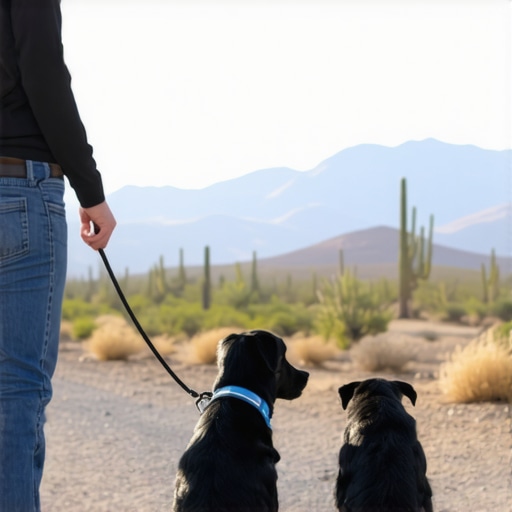
The Truth About Service Dog Training in Arizona
Training a service dog is a task that demands expertise, patience, and a deep understanding of both the dog’s behavior and the handler’s needs. In Arizona, where climate and terrain can pose unique challenges, proper training becomes even more critical. Whether you’re new to service dogs or seeking to refine your approach, understanding the core principles is essential for success.
What Makes Service Dog Training in Arizona Different?
Arizona’s hot climate and diverse outdoor environments require specialized training techniques. Dogs must learn to handle high temperatures and different terrains without becoming overwhelmed. Local factors also influence training methods, making it vital to work with professionals who understand these regional specifics.
Essential Components of Effective Training
At its core, effective service dog training combines obedience, socialization, and task-specific skills. Obedience training ensures that the dog responds reliably to commands, providing safety and predictability. Socialization helps dogs remain calm around strangers and other animals, which is vital in busy areas like Phoenix or Tucson. Task training revolves around teaching the dog specific functions, such as guiding or alerting, tailored to the handler’s needs.
Why Is Professional Guidance So Important?
While some handlers attempt DIY training, expert guidance often leads to better results. Professionals bring experience, consistency, and knowledge about regional challenges. They also ensure that training progresses safely and effectively, helping your service dog reach its full potential faster.
Unique Challenges and Solutions in Arizona Service Dog Training
Arizona’s environment poses unique challenges that influence how service dogs are trained. The extreme heat, especially during summer months, requires handlers and trainers to adopt specific strategies to ensure the safety and effectiveness of the training process. For example, dogs trained in Arizona must learn to recognize and respond appropriately to heat-related cues, and trainers often incorporate shaded areas and early morning sessions to prevent overheating.
Adapting to the Hot Climate
Training a service dog during the hottest part of the day can be dangerous; therefore, sessions are typically scheduled during cool mornings or evenings. Trainers also emphasize hydration and introduced fitness routines that strengthen the dog’s endurance for high temperatures. Equipment used, such as harnesses and vests, are designed to be breathable, reducing heat retention and discomfort.
Diverse Outdoor Terrains and Their Training Implications
Arizona’s varied landscapes—from urban settings to rugged desert trails—require dogs to become comfortable navigating multiple terrains. This entails exposure to gravel, sand, pavement, and rocky paths. Trainers often incorporate real-world scenarios in their lessons, ensuring dogs can adapt quickly to different surfaces without hesitation or anxiety. For handlers, this comprehensive exposure is essential for the dog to perform reliably across diverse environments.
Utilizing Local Resources for Effective Training
Arizona features several specialized facilities dedicated to service dog training that account for regional conditions. For example, some programs include outdoor training parks with shaded areas and terrain simulation features. Working with local trainers familiar with desert-specific challenges can make a significant difference in the dog’s confidence and skill set. You can find these resources through trusted organizations, such as Arizona Canine Training, which offers tailored programs for desert environments.
Case Study: Desert Resilience Training
A notable example involves training dogs for military veterans coping with desert conditions. Trainers exposed these dogs to simulated desert environments, helping them build resilience to heat and arid outdoor spaces. The dogs learned to identify heat exhaustion cues in themselves and their handlers while performing specialized tasks like guiding through sandy or unstable terrains. Such targeted training highlights the importance of customized programs that address regional challenges.
Advanced Solutions for Training Service Dogs in Arizona
While foundational training addresses basic obedience and task-specific skills, advanced techniques are essential to prepare dogs for the region’s unique environmental challenges. These strategies help ensure that service dogs remain reliable and resilient in Arizona’s demanding climate and terrains.
Implementing Exposure to Extreme Temperatures
- Gradual Heat Acclimatization: Start training sessions during cooler months or early mornings, gradually increasing exposure to higher temperatures. This builds the dog’s tolerance without risking heat exhaustion.
- Simulation of Heat-Related Cues: Use environmental cues, such as heat sensors or visual alerts, to train dogs to recognize signs of overheating in themselves and handlers.
Utilizing Specialized Equipment
- Breathable Harnesses and Vests: Opt for gear made from moisture-wicking and mesh materials to reduce heat absorption.
- Cooling Aids: Incorporate cooling vests or mats during training to help dogs regulate body temperature.
Mastering Terrain Adaptability
- Real-World Terrain Exposure: Incorporate varied outdoor environments, including rocky trails and sandy areas, into training routines.
- Surface-Specific Commands: Teach commands that assist dogs in navigating different surfaces confidently, such as ‘crawl’ on rocky paths or ‘step’ on uneven terrain.
Leveraging Local Resources and Expert Guidance
Partnering with regional trainers who specialize in desert and urban environments can significantly enhance training outcomes. These experts possess tailored programs and equipment designed for Arizona’s conditions, ensuring your service dog is prepared for any situation. For instance, organizations like Arizona Service Dog Academy offer advanced training modules focusing on environmental resilience. Such collaboration accelerates training progress and ensures safety for both handler and dog.
Emerging Technologies Enhancing Service Dog Training in Arizona
Advancements in technology are revolutionizing how service dogs are trained to adapt seamlessly to Arizona’s demanding environment. From GPS tracking devices to smart harnesses equipped with sensors, trainers now have tools to monitor and optimize a dog’s performance in real-time. These innovations enable trainers to collect data on a dog’s movement, stress levels, and response times, leading to tailored training protocols that improve effectiveness and safety.
Wearable Devices and Data Analytics
Smart harnesses with integrated sensors can track a dog’s physiological responses, providing insights into stress or overheating during training sessions. Utilizing data analytics, trainers can identify patterns and adjust training intensity or environmental exposure accordingly. This personalized approach accelerates learning while minimizing risks associated with Arizona’s extreme temperatures.
Virtual Reality and Simulated Environments
Though still emerging, virtual reality (VR) offers promising applications for exposing service dogs to various scenarios without outdoor risks. Simulated urban settings or desert terrains can be recreated in controlled environments, helping dogs build confidence and familiarity with different stimuli, ensuring readiness for real-world situations.
Focus on Environmental and Behavioral Resilience
Future training programs are increasingly emphasizing resilience training—preparing dogs to handle unforeseen challenges in Arizona’s diverse landscapes. This includes practicing responses to sudden weather changes, unpredictable terrains, and high-stimulation environments like festivals or busy urban centers. Building this resilience ensures dogs remain calm, reliable, and adaptable under pressure, enhancing their utility and safety.
Training for Climate Adaptability
Upcoming methods involve exposing dogs progressively to various microclimates within Arizona, from cool canyons to hot desert plains, to develop robust adaptability. Trainers incorporate climate-specific cues and routines to reinforce endurance and stress management, preparing dogs for the statewide diversity in environments.
Integrating Positive Reinforcement and Handler Bonding
Innovative techniques are also focusing on strengthening the bond between handler and dog through advanced positive reinforcement strategies. Techniques that include scent training and problem-solving activities not only enhance obedience but also foster mutual trust, which is vital for successful service work in challenging Arizona conditions.
Holistic and Customized Training Approaches
The future points toward personalized training programs that consider the handler’s specific needs, dog’s temperament, and regional challenges. Combining traditional methods with innovative technologies, trainers are creating holistic solutions that produce highly competent, resilient service dogs ready to serve in Arizona’s unique landscape. Such tailored approaches ensure that dogs not only perform tasks reliably but also thrive in their environment, ultimately fostering independence and safety for handlers across the state.
Final Thoughts: Empowering Your Service Dog Journey in Arizona
Mastering service dog training in Arizona requires a blend of regional knowledge, innovative techniques, and unwavering commitment. By understanding the environment’s unique demands—from intense heat to diverse terrains—you can cultivate a resilient, reliable partner capable of transforming lives. Partner with experienced professionals and leverage emerging technologies to elevate your training strategy, ensuring your service dog is prepared for any challenge the Grand Canyon State presents.
Frequently Asked Questions
1. How does Arizona’s climate influence service dog training methods?
Arizona’s extreme heat and varied terrains necessitate specialized training protocols, such as acclimatization to high temperatures, the use of breathable equipment, and exposure to different surfaces, to ensure safety and effectiveness.
2. Are there local resources tailored to desert environment training?
Yes, organizations like Arizona Canine Training and Arizona Service Dog Academy offer programs specifically designed for desert and urban conditions, providing valuable regional expertise.
3. What advanced techniques can enhance resilience in service dogs?
Incorporating gradual heat acclimatization, terrain-specific acclimation, and harnessing emerging technology like wearable sensors and VR simulations can significantly improve a dog’s adaptability and reliability in Arizona’s environment.
4. How important is handler-dog bonding in regional training?
Strong bond-building through positive reinforcement and problem-solving activities fosters trust, essential for handling unexpected challenges posed by Arizona’s dynamic outdoor settings.
5. Can technology aid in monitoring a service dog’s performance?
Absolutely. Devices like smart harnesses provide real-time data on physiological responses, stress levels, and movement patterns, enabling trainers to tailor training more precisely and ensure safety under extreme conditions.
The Bottom Line
Effective service dog training in Arizona melds regional awareness with innovative strategies to develop resilient, dependable partners. Embracing local resources, advanced technologies, and customized approaches ensures your service dog thrives amidst the state’s unique landscapes and climates, ultimately empowering independence and safety for those who rely on them.
Share Your Experience and Take the Next Step
Have insights or questions about service dog training in Arizona? We invite you to share your thoughts or reach out to our expert team. Together, we can build stronger bonds and better lives through dedicated training and support.