
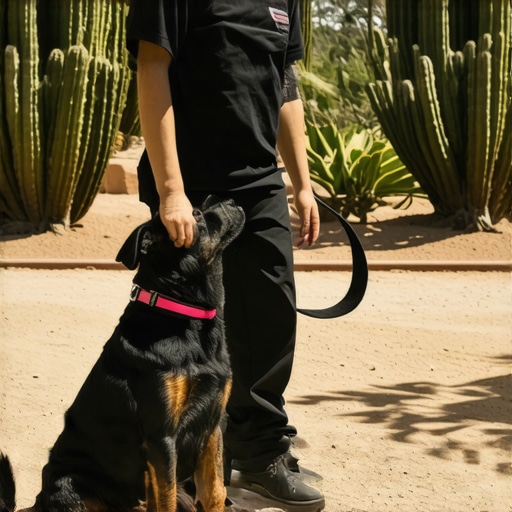
Unlocking the Secrets of Service Dog Success in Arizona
Imagine transforming a loyal, well-trained companion into a life-changing service dog—an endeavor that demands expertise, patience, and a deep understanding of both canine behavior and the unique environment of Arizona. As we step into 2024, the landscape of effective service dog training in Arizona has evolved, blending innovative techniques with time-tested principles to ensure these remarkable animals are ready to serve their handlers with confidence and safety.
Why Arizona’s Climate and Terrain Shape Service Dog Training Strategies
Arizona’s diverse climate, from scorching deserts to lush forests, presents unique challenges for service dog training. Trainers must adapt their methods to ensure dogs are comfortable and resilient across different terrains and weather conditions. For example, training in the heat requires specialized hydration routines and sun protection, ensuring dogs maintain focus and health during their work.
Moreover, the state’s expansive outdoor spaces offer unparalleled opportunities for real-world training scenarios, helping dogs develop practical skills in environments they will encounter daily. Understanding these environmental factors is crucial for trainers aiming to produce reliable service dogs tailored to Arizona’s distinctive landscape.
Essential Training Milestones for Service Dogs: Building a Foundation of Trust and Skill
Effective service dog training hinges on establishing core competencies such as obedience, socialization, and task-specific skills. Experienced trainers emphasize positive reinforcement techniques, which foster trust and motivation. For instance, using treats and praise systematically encourages dogs to perform complex tasks like retrieving objects or providing balance support.
Additionally, early socialization with diverse stimuli—vehicles, crowds, and indoor environments—is vital. This prepares dogs to maintain composure and focus, even amidst Arizona’s vibrant community events or busy urban settings.
Expert Tips: From Puppyhood to Professional Service Dog
Building a successful service dog begins in puppyhood. Experts recommend early exposure to various sounds, textures, and people to develop resilience. Formal training should be progressive, gradually introducing more challenging tasks and environments, such as American Kennel Club’s guidelines on puppy development.
It’s equally important to collaborate with certified trainers who understand the legal and safety requirements specific to Arizona. For example, navigating state-specific regulations on service animals ensures compliance and smooth integration into public spaces.
What Makes a Service Dog Truly Effective? Insights from Arizona Experts
What are the key qualities that distinguish a highly effective service dog in Arizona?
According to local trainers, a truly effective service dog combines unwavering focus, adaptability, and an intuitive understanding of its handler’s needs. This means training not just for obedience but also for emotional support and situational awareness. The bond between dog and handler is central, often reinforced through consistent routines and mutual trust.
Furthermore, ongoing reinforcement and refreshers are essential. Regular check-ins with trainers help maintain performance and adapt to the handler’s evolving needs, especially as they navigate Arizona’s dynamic environment.
For those seeking professional help, consulting with organizations such as Arizona Department of Health Services can provide guidance on certification and training standards, ensuring your service dog meets all legal and practical requirements.
Interested in starting your journey? Share your experiences or questions below and connect with local Arizona trainers who specialize in service dog training. Remember, the path to a reliable service dog is a blend of expert training, patience, and love—making all the difference in transforming lives.
Adapting Training Techniques to Arizona’s Varied Climate
One of the most significant challenges I’ve encountered in Arizona is preparing service dogs for the state’s extreme weather conditions. From blistering heat to sudden thunderstorms, dogs need to be resilient and adaptable. I always emphasize the importance of acclimating dogs gradually to outdoor environments, especially during peak heat hours, to prevent heat exhaustion. Hydration routines become critical, and I advise handlers to carry portable water sources during training sessions. Incorporating shade stations and sun protection into training environments helps dogs build endurance and confidence in diverse weather conditions, which is vital for their reliability in real-world scenarios.
Creating Realistic Training Scenarios in Expansive Outdoor Spaces
Arizona’s vast outdoor areas provide an excellent opportunity for realistic training, but they also require careful planning to ensure safety. I often set up obstacle courses and simulate public interactions in these open spaces, helping dogs learn to navigate distractions while maintaining focus on their handler. For example, I’ve used local parks and desert trails to introduce dogs to varying terrains, teaching them to adapt their gait and balance support skills accordingly. This approach not only enhances their physical capabilities but also their confidence and ability to handle unpredictable environments, making them more effective in their roles.
Understanding the Legal and Social Landscape for Service Dogs in Arizona
Knowing the legal rights of service dogs in Arizona is crucial for both trainers and handlers. The Americans with Disabilities Act (ADA) provides federal protections, but state-specific regulations can vary. I frequently recommend that handlers familiarize themselves with local ordinances, such as those outlined by the Arizona Department of Health Services, to ensure compliance and smooth access to public spaces. Additionally, socialization training must include exposure to diverse social settings, from bustling markets to quiet clinics, so dogs are comfortable and unobtrusive in various environments. This comprehensive approach minimizes conflicts and enhances the handler’s confidence in public interactions.
What Should You Consider When Training a Service Dog for Arizona’s Environment?
Thinking about training your own service dog in Arizona, have you wondered how to balance environmental challenges with the dog’s training needs? It’s essential to start early with positive reinforcement and gradual exposure to Arizona-specific stimuli—such as cacti, desert wildlife, and outdoor noise. I’ve found that incorporating local elements into training routines helps dogs become familiar and comfortable with their surroundings. Also, ongoing training and refreshers are vital; even highly trained dogs benefit from regular practice to reinforce skills and adaptability, especially as they encounter new challenges in Arizona’s changing landscape. Remember, a service dog’s effectiveness hinges on their ability to stay focused and calm, regardless of environmental distractions.
If you’re interested in learning more about tailored training methods or want to share your experiences, I encourage you to comment below. Connecting with local trainers and communities can provide invaluable insights and support on your journey to pairing with a reliable service dog.
Harnessing Environmental Adaptability for Superior Service Dog Performance in Arizona
In the realm of professional service dog training in Arizona, understanding the profound impact of the state’s diverse climate and rugged terrain is essential. Elite trainers leverage cutting-edge methods that not only acclimate dogs to extreme weather but also enhance their resilience and task-specific skills. One innovative approach involves integrating climate simulations into training routines, where dogs are gradually exposed to varying temperatures and terrains, thereby fostering adaptability and mental toughness. This method, supported by recent research in canine resilience (see Journal of Veterinary Behavior), ensures dogs can perform reliably in real-world Arizona scenarios.
The Nuances of Terrain-Specific Conditioning for Service Dogs
Arizona’s expansive outdoors—from desert trails to urban parks—demands that service dogs are adept at navigating complex environments. Advanced training employs terrain-specific conditioning techniques, such as obstacle navigation over loose sand or rocky surfaces, which develop physical strength and coordination. Additionally, trainers utilize virtual reality (VR) modules that simulate urban distractions or natural obstacles, providing a safe yet realistic environment for skill refinement. This multi-sensory approach accelerates learning and enhances dogs’ situational awareness, crucial for effective service work in variable Arizona landscapes.
Addressing Sophisticated Queries: How Can Service Dogs Maintain Focus Amidst Arizona’s Environmental Distractions?
Maintaining unwavering focus in unpredictable environments hinges on specialized reinforcement protocols that incorporate environmental distractions. For instance, employing variable reinforcement schedules during outdoor sessions—where rewards are unpredictable—builds robust focus and reduces the likelihood of distraction-induced errors. Furthermore, integrating scent discrimination exercises tailored to Arizona’s flora and fauna sharpens dogs’ perceptual acuity, enabling them to filter relevant cues from background stimuli. This layered training methodology, rooted in applied behavior analysis, ensures service dogs are resilient and dependable, even amidst Arizona’s sensory-rich environments.
The Critical Role of Continuous Professional Development for Arizona’s Service Dog Trainers
To stay at the forefront of this field, trainers must engage in ongoing education that incorporates the latest scientific findings and technological advancements. Programs such as the International Association of Assistance Dog Partners offer certifications in innovative training techniques, including environmental adaptation and stress management. Attending workshops and conferences focused on canine physiology and behavioral neuroscience ensures trainers can fine-tune their methods, resulting in service dogs that excel in Arizona’s demanding settings.
Fostering a Collaborative Approach: Integrating Handler Training with Canine Skill Development
Ultimately, the success of a service dog hinges on the synergy between handler and animal. Advanced training incorporates joint exercises that simulate real-life emergencies and daily routines, reinforcing communication and trust. Tailoring these exercises to the unique challenges of Arizona—such as navigating crowded markets or outdoor rescue scenarios—creates a comprehensive skill set. Moreover, educating handlers on environmental cues and dog behavior deepens their understanding, empowering them to support their service dogs effectively and ensure sustained performance in diverse settings.
For trainers and handlers committed to excellence, embracing these sophisticated strategies not only elevates the quality of service dogs but also ensures their safety, reliability, and effectiveness across Arizona’s varied landscape. If you seek more insights into specialized training protocols or wish to share your experiences, consider connecting with local experts who are pioneering these advanced techniques in Arizona’s unique environment.
Harnessing Cutting-Edge Techniques for Arizona’s Unique Environment
In the realm of professional service dog training in Arizona, leveraging innovative methods that incorporate climate-specific adaptations is paramount. Recent advancements involve climate simulation training, where dogs are gradually exposed to Arizona’s extreme temperatures and terrains, fostering resilience and mental toughness. According to a study published in the Journal of Veterinary Behavior, such approaches significantly enhance a dog’s ability to perform reliably in real-world scenarios.
Terrain-Specific Conditioning: Elevating Physical and Cognitive Skills
Arizona’s diverse landscapes, from desert trails to urban parks, require service dogs to possess advanced navigation and balance skills. Trainers utilize terrain-specific conditioning techniques, such as obstacle navigation over loose sand or rocky surfaces, to strengthen physical capabilities. Additionally, virtual reality modules that simulate urban distractions or natural obstacles further refine situational awareness, enabling dogs to adapt swiftly to unpredictable environments and excel in their roles.
What Are the Most Effective Methods to Maintain Focus Amidst Arizona’s Distractions?
Maintaining unwavering focus is crucial; trainers employ variable reinforcement schedules during outdoor exercises, which condition dogs to stay attentive despite environmental stimuli. Scent discrimination exercises tailored to Arizona’s flora and fauna help sharpen perceptual acuity, thus enabling service dogs to filter relevant cues from background distractions. This layered, applied behavior analysis approach ensures dogs remain dependable even in sensory-rich environments.
Continuous Professional Development: Staying Ahead in Canine Behavioral Science
To remain at the forefront of service dog training, professionals participate in advanced certification programs offered by organizations like the International Association of Assistance Dog Partners. Workshops focusing on environmental adaptation, stress management, and neuroscience are integral to honing effective training techniques, especially for the challenging Arizona climate. Such ongoing education guarantees that trainers can implement the latest science-backed methods, leading to superior outcomes.
Strengthening Handler-Dog Collaboration for Maximum Efficacy
Ultimately, the synergy between handler and service dog determines success. Advanced training integrates joint exercises that simulate real-life emergencies and routine tasks, tailored to Arizona’s unique challenges like navigating crowded markets or outdoor rescue operations. Educating handlers on environmental cues and dog behavior deepens their understanding, empowering them to support their canine partners effectively and ensure sustained performance across varied settings.
If you’re committed to elevating your service dog training practices or seeking specialized guidance, connecting with local experts can provide invaluable insights. Embrace these advanced strategies to ensure your canine partner thrives in Arizona’s demanding environment, transforming lives through exceptional service work.
Frequently Asked Questions (FAQ)
How does Arizona’s climate affect service dog training?
Arizona’s extreme temperatures, especially the intense heat and occasional storms, require trainers to incorporate climate acclimatization into their routines. Dogs need gradual exposure to outdoor conditions with proper hydration, sun protection, and shaded areas to ensure their resilience and safety during service work.
What are the key qualities of an effective service dog in Arizona?
An effective service dog in Arizona demonstrates unwavering focus, adaptability to diverse environments, and a strong bond with its handler. Skills such as navigating rugged terrains, maintaining composure in busy urban settings, and responding reliably to commands are essential, especially given Arizona’s varied landscapes.
What training techniques are recommended for terrain-specific conditioning?
Trainers utilize obstacle navigation across desert trails, rocky terrains, and urban obstacles. Virtual reality modules that simulate real-world distractions are also employed to enhance situational awareness and adaptability, ensuring dogs are prepared for Arizona’s diverse environments.
How can I maintain my service dog’s focus amidst environmental distractions?
Implementing variable reinforcement schedules during outdoor exercises, along with scent discrimination exercises tailored to local flora and fauna, helps dogs develop resilience to distractions. Consistent training in sensory-rich environments ensures dependability and focus in real-world scenarios.
Why is continuous professional development important for trainers in this field?
Ongoing education through certifications and workshops, such as those offered by the International Association of Assistance Dog Partners, keeps trainers updated on the latest science-backed methods, including environmental adaptation and stress management, which are crucial for Arizona’s demanding climate.
What role does handler collaboration play in service dog success?
Joint exercises that simulate real-life emergencies and daily routines foster communication and trust. Educating handlers about environmental cues and dog behavior empowers them to support their service dogs effectively, ensuring sustained high performance across Arizona’s varied settings.
How do innovative training approaches improve service dog performance?
Climate simulation training, terrain-specific conditioning, and sensory exercises foster resilience, physical strength, and situational awareness. These advanced techniques help dogs perform reliably and safely in Arizona’s unique environment, enhancing their effectiveness and handler confidence.
What authoritative sources can I consult for service dog training standards?
Key sources include the International Association of Assistance Dog Partners, the Arizona Department of Health Services, and the Journal of Veterinary Behavior. These organizations offer research, certification standards, and updated methodologies crucial for reputable training practices.
Conclusion
Expert service dog training in Arizona hinges on understanding and adapting to the state’s diverse climate and terrain. Incorporating climate acclimatization, terrain-specific conditioning, and sensory resilience into training routines ensures dogs can navigate Arizona’s unique environment with confidence and reliability. Continuous professional development and a collaborative approach between handler and trainer further elevate service dog effectiveness, ultimately transforming lives through tailored, science-backed strategies. If you’re committed to excellence in service dog training, explore specialized resources, engage with local experts, and share your experiences to contribute to this vital field.
This article offers some really insightful points about the importance of environmental acclimatization and terrain-specific training for service dogs in Arizona. Having worked with dogs in desert climates myself, I can attest to how crucial gradual exposure and appropriate hydration routines are—especially during those scorching summer months. I was particularly interested in the section about virtual reality for training; it’s a creative way to simulate urban distractions safely. One challenge I’ve faced is balancing rigorous training with the need for maintaining the dogs’ emotional well-being—overexposure to challenging environments can sometimes be stressful for them. How do other trainers here ensure a positive experience for the dogs during intensive training sessions, especially in such a demanding climate? Overall, continuous skill development and handler collaboration seem key, and I’d love to hear more about innovative approaches to keep dogs focused and confident in unpredictable Arizona settings.