
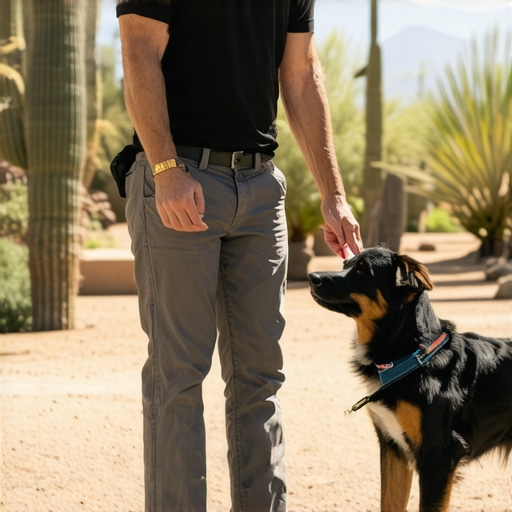
Unlocking the Secrets: Expert Strategies for Service Dog Training Success in Arizona 2024
Training a service dog in the arid landscapes of Arizona requires more than basic obedience; it demands a nuanced understanding of local climate, terrain, and the unique needs of individuals relying on these incredible companions. As an experienced trainer with years of working in diverse environments across Arizona, I’ve distilled essential tips that can elevate your training approach and ensure your service dog is prepared for real-world challenges. Whether you’re a novice or a seasoned trainer, these insights will help you foster reliability, confidence, and independence in your service dog.
Creating a Tailored Training Framework Rooted in Local Realities
Why Arizona’s Unique Environment Demands Customized Training Plans
Arizona’s extreme heat, rugged terrain, and diverse urban settings make it imperative to adapt training routines accordingly. For example, during scorching summers, training sessions should be scheduled during cooler parts of the day, focusing on obedience and socialization in shaded areas or indoors. Incorporating environmental desensitization to busy urban centers like Phoenix or Tucson also prepares your dog for real-world distractions.
Key Elements of Effective Service Dog Training in Arizona
Building a dependable service dog involves several core components. First, foundational obedience must be solid, emphasizing commands like sit, stay, and heel. Next, specialized skills such as retrieving objects or alerting to medical conditions should be integrated gradually, ensuring the dog’s confidence and reliability. Equally important is socialization, exposing your dog to Arizona’s unique sounds, sights, and smells—think rattlesnakes, desert wildlife, and bustling markets.
Enhancing Training Outcomes with Local Resources and Expertise
Leveraging Arizona-specific resources can significantly improve your training results. For instance, local organizations like Arizona Dog Training offer tailored programs that consider regional challenges. Visiting outdoor spaces such as White Tank Mountain Regional Park can provide safe environments for desensitization and socialization exercises.
Addressing the Heat: Practical Tips for Training in Hot Climates
Arizona’s high temperatures necessitate specific strategies. Use cooling vests, frequent hydration, and shaded areas to prevent heat exhaustion. Incorporate short, frequent training sessions rather than prolonged efforts, and always watch for signs of stress or fatigue. Remember, a comfortable dog is a focused dog, which translates into more effective training.
What Are the Best Techniques to Maintain a Service Dog’s Focus During Hot Weather?
Maintaining focus in the heat can be challenging. Techniques such as using high-value treats, engaging in scent work, or playing interactive games in shaded zones help keep your dog motivated. Additionally, training in familiar, cool environments initially can build confidence before moving into outdoor settings.
If you’re interested in comprehensive training programs that address regional challenges, consider consulting experts like Robinson Dog Training. They offer specialized services for service dog candidates in Arizona, ensuring your dog’s training is both effective and tailored to your needs.
Share your experiences or ask questions in the comments below—let’s build a community of well-trained, confident service dogs in Arizona!
Adapting Training Techniques to Arizona’s Climate and Terrain
When training service dogs in Arizona, understanding the state’s diverse environments is crucial. From the scorching summer heat to rugged desert landscapes, each element influences how we approach training routines. For example, in extreme temperatures, trainers often schedule sessions early in the morning or late in the evening to prevent heat exhaustion. Incorporating shaded areas and water breaks helps keep the dog comfortable and focused. Additionally, exposing your dog gradually to Arizona’s unique sights and sounds—such as rattlesnakes or bustling markets—builds resilience and confidence, ensuring they’re prepared for real-world situations.
Practical Strategies for Maintaining Focus During Challenging Conditions
Keeping a service dog attentive amidst Arizona’s distractions requires creativity and patience. High-value treats, like freeze-dried liver or specially designed training treats, motivate your dog to stay engaged. Using scent work or interactive games in shaded zones can also boost focus and mental stimulation. For instance, hiding treats in natural features like rocks or shrubs encourages problem-solving skills while reinforcing obedience. Remember, consistency is key—training in familiar environments initially builds a strong foundation before transitioning to more challenging outdoor settings.
How Do You Balance Training Intensity with a Dog’s Wellbeing in Hot Climates?
Balancing training rigor with a dog’s health is vital in Arizona’s heat. Short, frequent sessions prevent overheating, while ample hydration and cooling accessories like vests or bandanas help regulate body temperature. Monitoring signs of fatigue—such as excessive panting or lagging behind—is essential to avoid stress. I’ve found that integrating water play into training not only cools the dog but also makes learning enjoyable. This approach helps maintain motivation and reduces the risk of burnout, ensuring your service dog remains reliable and happy.
What Are Some Unexpected Challenges You’ve Faced While Training in Arizona, and How Did You Overcome Them?
Every trainer encounters surprises, especially in the unpredictable Arizona environment. One time, a dog was startled by a sudden dust storm during a walk, causing a temporary loss of focus. To address this, I slowly desensitized the dog to environmental changes through controlled exposure—starting with simulated dust in a safe space and gradually introducing real conditions. This method, supported by resources from organizations like Arizona Dog Training, helps dogs adapt without overwhelming them. Overcoming these obstacles reinforces the importance of patience and tailored strategies.
If you’re interested in more personalized advice or regional training programs, consider reaching out to local experts who understand Arizona’s unique challenges. Sharing your experiences or questions in the comments fosters a supportive community dedicated to raising confident, well-trained service dogs in this beautiful yet demanding landscape.
Mastering the Nuances of Service Dog Training in Arizona’s Diverse Terrains
Training a service dog in Arizona transcends conventional methods, demanding an in-depth understanding of the state’s environmental intricacies. From scorching desert heat to rugged mountain terrains, each element presents unique challenges that require specialized approaches. For instance, acclimating dogs to extreme temperature fluctuations involves integrating heat acclimatization protocols, ensuring they remain composed and focused during hot summers or chilly winters. This process includes gradual exposure to high-temperature environments, employing cooling vests, and optimizing training times to cooler parts of the day.
How Can Trainers Effectively Desensitize Service Dogs to Arizona’s Unpredictable Weather Patterns?
Desensitization to weather variability involves staged exposure, starting with simulated conditions in controlled environments. Utilizing tools like Arizona Dog Training‘s specialized programs, trainers can create scenarios that mimic dust storms, monsoon rains, or intense sun exposure. Incorporating scent work that mimics environmental stimuli enhances resilience, while reinforcing commands like ‘leave it’ or ‘seek shade’ ensures dogs adapt to real-world challenges without losing focus.
Integrating Advanced Environmental Adaptation Techniques for Enhanced Reliability
Beyond basic obedience, service dogs must demonstrate adaptability to Arizona’s multifaceted environments. This involves sophisticated training modules such as dynamic obstacle navigation in rugged terrains, auditory desensitization to urban noise, and scent discrimination amidst desert flora. Utilizing high-fidelity simulation tools or outdoor obstacle courses designed to replicate local landscapes accelerates learning and boosts confidence. Moreover, understanding regional wildlife and incorporating counter-conditioning techniques prevents fear responses to native animals like rattlesnakes or coyotes.
What Are Cutting-Edge Technologies That Elevate Service Dog Training in Challenging Climates?
Emerging technologies such as GPS tracking collars that monitor stress levels and environmental sensors provide real-time data, allowing trainers to tailor interventions precisely. Virtual reality (VR) environments are also being explored for exposure therapy, enabling dogs to experience varied Arizona settings safely. Additionally, apps that track progress and suggest personalized training routines based on environmental feedback are revolutionizing how trainers approach complex scenarios.
For those seeking to deepen their expertise, collaborating with regional research institutions or attending specialized workshops can provide insights into the latest methodologies. The key is continuous adaptation—merging traditional training principles with innovative solutions to meet Arizona’s demanding landscape.
Fostering Long-Term Resilience Through Expert-Led Continuous Education
Maintaining a service dog’s effectiveness over time involves ongoing education. Regular refresher courses, participation in community workshops, and staying updated with research from organizations like Association of Professional Dog Trainers ensure your training techniques remain cutting-edge. Building a network of local experts fosters knowledge exchange, helping you anticipate and address environmental challenges proactively.
If you’re committed to elevating your service dog training in Arizona, consider consulting with specialists who combine environmental science with canine behavior expertise. Sharing your experiences and challenges within professional communities not only advances your skills but also contributes to the broader goal of creating resilient, dependable service dogs capable of thriving amidst Arizona’s diverse and demanding climate.
Harnessing Cutting-Edge Techniques for Service Dog Training in Arizona’s Diverse Ecosystems
In the evolving landscape of service dog training, leveraging the latest scientific insights and innovative tools can dramatically enhance the reliability and adaptability of these canine companions. Arizona’s sprawling deserts, rugged mountains, and urban environments demand a nuanced approach that combines environmental science, behavioral psychology, and technology. As an expert in the field, I advocate for integrating multisensory desensitization protocols and state-of-the-art monitoring systems to prepare dogs for the unpredictable challenges they will face.
How Can Multisensory Desensitization Elevate Service Dog Performance in Harsh Conditions?
Multisensory desensitization involves exposing dogs gradually to a spectrum of stimuli—visual, auditory, tactile, and olfactory—that mirror Arizona’s diverse environments. This comprehensive approach minimizes stress responses and builds resilience. For instance, simulating rattlesnake sightings or the intense sun using controlled environments can prepare dogs for real encounters. Incorporating tools like regional training programs that specialize in multisensory exposure ensures your dog remains calm and focused in high-stakes situations.
What Role Do Real-Time Monitoring Technologies Play in Optimizing Training Outcomes?
Modern training harnesses technologies such as GPS collars with biometric sensors and environmental data collection to provide real-time feedback on a dog’s physiological state. Devices like stress level monitors or wearable health trackers enable trainers and handlers to adjust training intensity dynamically, preventing burnout or heat exhaustion. These tools empower trainers to tailor protocols precisely, ensuring long-term health and mission readiness.
Can Virtual Reality Revolutionize Desert and Mountain Terrain Familiarization?
Virtual reality (VR) and augmented reality (AR) platforms are emerging as transformative tools in canine training. By creating immersive simulations of Arizona’s rugged landscapes or urban hazards, trainers can expose dogs to complex scenarios in a controlled, repeatable manner. This technology accelerates learning curves and enhances confidence, especially when physical access to certain environments is limited or risky. Collaborations with research institutions are pioneering applications of VR in canine behavioral studies, promising to redefine training paradigms.
What are the most promising technological innovations for service dog training in challenging environments?
Emerging innovations include AI-powered training assistants that analyze behavioral data and suggest personalized training modifications, and scent discrimination modules that simulate natural odor landscapes. These advancements, detailed in recent publications such as the Journal of Canine Behavior, exemplify the future of high-tech training solutions. Engaging with these tools offers trainers a strategic advantage in cultivating resilient, adaptable service dogs capable of thriving amid Arizona’s complexities.
To stay at the forefront of this dynamic field, it’s vital to participate in professional development workshops and collaborate with interdisciplinary research teams. By integrating science-driven methods with practical experience, trainers can elevate service dog training to new heights, ensuring these remarkable animals meet the demands of their roles with unwavering confidence and competence.
Frequently Asked Questions (FAQ)
How does Arizona’s climate influence service dog training techniques?
Arizona’s extreme heat, rugged terrain, and diverse urban environments necessitate tailored training strategies that emphasize environmental acclimation, heat management, and exposure to local stimuli. Training sessions are scheduled during cooler times, with a focus on desensitization to desert wildlife, city noises, and weather variations to ensure reliability and safety.
What are the most effective methods for desensitizing service dogs to Arizona’s environmental challenges?
Gradual exposure through staged desensitization, utilizing controlled simulations of dust storms, intense sun, or wildlife encounters, helps dogs adapt without stress. Incorporating multisensory stimuli—visual, auditory, olfactory—mirrors real conditions, fostering resilience and focus in unpredictable environments.
Which technological tools are transforming service dog training in challenging climates like Arizona?
Innovations such as GPS stress monitors, biometric sensors, and virtual reality simulations are revolutionizing training. These tools provide real-time feedback, enable personalized protocols, and facilitate safe exposure to complex terrains, enhancing reliability and safety in demanding conditions.
How can trainers address sudden environmental disruptions, like dust storms or monsoons?
Proactive desensitization using simulated scenarios helps dogs maintain composure during unexpected weather events. Training includes commands like “seek shade” or “leave it,” reinforced through controlled exposure, ensuring dogs remain calm and focused despite environmental surprises.
What are some recommended resources for advanced service dog training in Arizona?
Highly reputable sources include Arizona Dog Training for regional expertise, Association of Professional Dog Trainers for ongoing education, and Journal of Canine Behavior for scientific insights into training methodologies.
Trusted External Sources
- Arizona Dog Training: Offers localized training programs tailored to Arizona’s environment, emphasizing multisensory desensitization and climate adaptation techniques.
- Association of Professional Dog Trainers (APDT): Provides comprehensive resources, certification standards, and continuing education opportunities for canine training professionals aiming to excel in specialized environments.
- Journal of Canine Behavior: Publishes peer-reviewed research on canine training innovations, environmental adaptation, and behavioral science, guiding trainers with evidence-based practices.
Conclusion
Successfully training service dogs in Arizona hinges on understanding and adapting to the state’s diverse and challenging environments. From climate considerations to leveraging cutting-edge technology, expert strategies focus on building resilient, reliable, and adaptable canine companions. Continuous education and utilization of reputable resources are vital for trainers committed to excellence. By integrating these advanced techniques and insights, trainers can ensure their service dogs are prepared to serve confidently and safely across Arizona’s unique landscapes. Share this knowledge, engage with your community, and explore further specialized training to elevate your service dog program to new heights.
,
This post really highlights the importance of tailored training approaches for Arizona’s unique environment. Having worked with service dogs in the desert myself, I can attest that using cooling vests and scheduling training during cooler parts of the day are game changers. I’ve found that gradually exposing dogs to Arizona’s wildlife, like rattlesnakes, with controlled desensitization exercises greatly boosts their confidence and resilience. One challenge I encountered was a sudden dust storm, which initially threw my dog off balance. However, with slow, staged exposure and reinforcing commands like ‘seek shade,’ we managed to build her confidence in unpredictable weather. Have others used virtual reality to simulate Arizona’s rugged landscapes? I’ve heard it’s promising for building confidence without the inherent risks, but I’d love to hear actual experiences from trainers integrating tech into their routines.
This post offers a really comprehensive look at the nuances involved in training service dogs specifically for Arizona’s environment. As someone who’s worked with dogs in both urban and desert settings, I appreciate the emphasis on environmental desensitization and the use of technology. I’ve personally found that incorporating adaptive breathing techniques alongside environmental exposure can significantly help dogs handle sudden weather changes, like dust storms or monsoons. It’s also interesting how virtual reality is beginning to play a role in safe, controlled exposure to challenging terrains—I’ve seen some promising results with this approach helping dogs gain confidence without exposure to actual dangers. My question is, for those who’ve tried VR in training, what kind of scenarios have you found most beneficial, and how do your dogs respond to these simulated environments? It seems like a scalable way to prepare dogs for the unpredictability of Arizona’s landscape, especially in areas that are difficult or risky to access regularly.