
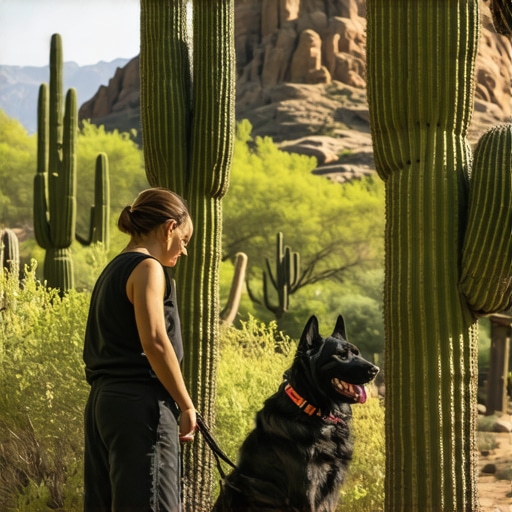
The Reality of Service Dog Training in Arizona
If you’re considering adding a service dog into your life in Arizona, you’re facing a journey that requires commitment, knowledge, and a clear strategy. Service dogs aren’t just pets; they’re vital partners for individuals with disabilities, helping them navigate daily challenges and enhance their independence. But training one effectively is anything but casual — it demands understanding local regulations, environment, and expert techniques. This guide dives into what it truly takes to prepare your service dog for success in the Arizona terrain and climate.
Understanding the Basics of Service Dog Training
Service dog training encompasses a range of skills that enable your canine companion to perform specific tasks related to your disability. This begins with foundational obedience behaviors like sit, stay, and heel, which are crucial for safety and control. From there, trainers often focus on task-specific training, such as alerting to medical conditions or retrieving objects. In Arizona, where outdoor adventures are a way of life, it’s equally important that your dog learns to behave reliably in outdoor settings, whether hiking in the desert or navigating city streets.
What Makes Arizona’s Environment Unique for Training?
Arizona’s diverse landscapes, ranging from arid deserts to lush forests, pose unique challenges for training service dogs. The intense heat, especially during summer months, necessitates careful acclimation and hydration protocols. Hot pavement can burn paws or cause discomfort, emphasizing the importance of training your dog to walk on grass or shaded paths. Additionally, navigating crowded places like markets or parks requires that your dog remains calm amidst noise and movement. Successfully training in this environment demands a strategic approach that mimics real-world situations your dog will encounter daily.
Why Expert Guidance Matters in Your Training Journey
Attempting to train a service dog without proper experience can lead to issues down the line, from behavioral problems to safety risks. Collaborating with trained professionals ensures you’re following proven techniques that align with legal standards and best practices. When selecting a trainer in Arizona, look for certifications and positive reviews. An experienced trainer knows how to tailor training to local conditions and your specific needs. Furthermore, they can educate you on your rights under the Americans with Disabilities Act (ADA) and help prepare your dog for public access situations.
Deepening Your Understanding of Service Dog Training in Arizona
Once you’ve grasped the fundamentals, it’s essential to tailor your training approach to Arizona’s unique climate and terrain. For instance, acclimating your dog to the intense summer heat involves gradual exposure to outdoor environments during cooler parts of the day, ensuring they build resilience without risking overheating. Portable hydration packs become invaluable during long walks or outdoor activities, helping maintain your dog’s hydration and overall well-being. These practices not only promote health but also reinforce positive associations with outdoor training experiences.
The Importance of Socialization in Diverse Environments
In Arizona, public settings range from bustling farmer’s markets to serene hiking trails. Therefore, comprehensive socialization is critical to ensure your service dog remains calm and focused amidst varied stimuli. Introducing your dog to different sights, sounds, and smells in controlled environments forms the bedrock of reliable public behavior. For example, participating in community events or visiting busy parks can desensitize your dog to rapid movements and loud noises, reducing the risk of reactive behaviors during actual outings.
Utilizing Local Resources and Expert Support
Arizona boasts a wealth of specialized training centers and professional trainers with experience in desert and urban environments. Engaging with local organizations like Arizona Certified Training can provide tailored programs that address region-specific challenges. These trainers often incorporate environmental hazards into their curriculum, teaching your dog to navigate hot pavement, prickly plants, and uneven terrains effectively. Moreover, ongoing support from professionals helps troubleshoot behavioral issues as they arise, ensuring consistent progress.
Advanced Techniques and Common Misconceptions in Service Dog Training
Understanding the nuances of service dog training goes beyond basic obedience. Many beginners underestimate the importance of incorporating environmental stimuli and advanced task training early in the process. For example, desensitization to loud noises and crowded environments is crucial for reliable public access. Additionally, misconceptions such as the belief that a well-trained dog is sufficient for independence can be misleading; ongoing training and reinforcement are essential for maintaining behavior standards. Proper socialization, exposure to diverse settings, and patience are the cornerstones of advanced training.
Implementing Role-Relevant Training
Transition from foundational obedience to role-specific skills requires deliberate practice. Use real-life scenarios to simulate situations your dog will encounter, such as navigating crowded streets during festivals or outdoor markets. Incorporate distraction training, where treats or toys are introduced amidst environmental stimuli, to reinforce focus and impulse control. For example, teaching your dog to perform task-specific responses like medical alert signals or retrieving items in complex environments enhances their reliability.
Common Misconception: Overtraining and Its Pitfalls
Many trainers believe that more training always equates to better behavior. However, overtraining can lead to boredom, fatigue, or anxiety in your dog. Balance intensive sessions with sufficient rest and positive reinforcement. Use short, frequent training periods instead of lengthy sessions. Additionally, ensure that training remains fun and engaging to prevent resistance or stress. Remember, consistency and quality of training outperform quantity.
Step-by-Step: Advanced Training for Arizona’s Environment
- Assess Your Dog’s Current Skills: Identify areas needing refinement, such as distraction levels or task-specific responses.
- Simulate Real-World Scenarios: Conduct training in outdoor settings with varying stimuli—crowds, sounds, and terrain.
- Gradual Exposure to Environment Hazards: Introduce known hazards like heat, prickly plants, or uneven terrains slowly, rewarding calm behavior.
- Integrate Public Access Practice: Visit different public venues regularly to solidify behaviors and reduce reactivity.
- Ongoing Socialization: Maintain exposure to diverse environments, ensuring your dog remains adaptable and focused.
For tailored advice, consider consulting with local Arizona-based experts like Arizona Certified Training. Their specialized programs can expedite your dog’s readiness and ensure compliance with local regulations.
Advanced Techniques and Future Trends in Service Dog Training in Arizona
As you deepen your expertise, embracing cutting-edge training methodologies becomes essential. Technologies like wearable devices with GPS and activity monitors are revolutionizing how trainers and handlers track and reinforce behaviors in real-time, especially useful for outdoor adventures in Arizona’s vast terrains. These tools assist in ensuring your service dog’s safety during hikes or city outings, providing immediate feedback and promoting independence.
Incorporating Smart Technology in Training
Smart collars and apps enable handlers to monitor their dog’s location, activity levels, and stress indicators, facilitating more precise training adjustments. For example, in the harsh Arizona summer, alerts from such devices can prompt handlers to provide water, shade, or rest, helping prevent heat exhaustion. Moreover, virtual reality simulations are emerging as innovative training aids, exposing dogs to various scenarios without leaving home, which is particularly advantageous during extreme weather conditions.
Emphasizing Ongoing Education and Certification
Future trends point towards increased professional development for handlers. Certification programs focusing on the latest training technologies and regional challenges ensure handlers stay ahead. Engaging with online platforms offering courses on desert-specific hazards or urban crowd management enhances your skills. Universities and organizations are developing specialized modules, preparing handlers for evolving environments and legal standards.
What Does This Mean for Your Training Journey?
Staying informed about advancements allows for a proactive approach. Regularly attending workshops or webinars dedicated to service dog training in desert climates can improve your techniques. Additionally, collaborating with local trainers who adopt innovative tools ensures your dog benefits from state-of-the-art practices tailored to Arizona’s unique landscape. This continuous learning cultivates a resilient, well-adjusted companion capable of navigating future challenges confidently.
Expert Support and Resources in Arizona
Institutions like Arizona Certified Training lead the way in integrating new technologies with traditional training. They offer programs that incorporate environmental hazard recognition, technological aides, and behavioral reinforcement strategies, preparing your dog for all facets of public access and daily life. As these innovations become mainstream, your commitment to ongoing education will ensure your service dog remains adaptable and effective.
Frequently Asked Questions
What certifications should I look for in a professional service dog trainer in Arizona?
Seek trainers with certifications from reputable organizations such as the International Association of Canine Professionals (IACP) or Certification Council for Professional Dog Trainers (CCPDT). Experience with service dog training and familiarity with Arizona’s environment are also crucial.
How can I adapt my training to Arizona’s extreme heat?
Gradually acclimate your dog to outdoor conditions during cooler periods, ensure frequent hydration, and provide shaded areas to prevent heat exhaustion. Using cooling vests and training in shaded or indoor environments during peak heat can also be beneficial.
What are some common misconceptions about service dog training?
One misconception is that a dog trained with basic obedience is ready for all tasks; in reality, role-specific and environmental training are essential. Additionally, many believe once trained, a dog doesn’t require ongoing reinforcement, but continuous socialization and training help maintain reliability.
Can technology aid in service dog training and management?
Yes, devices like GPS collars, activity monitors, and virtual training platforms can enhance training precision, safety, and adaptability, especially when navigating Arizona’s vast and varied terrains.
How important is socialization in diverse Arizona environments?
Extremely important—exposure to crowded markets, outdoor trails, and urban settings ensures your service dog remains calm, focused, and reliable across all situations they may encounter daily.
The Bottom Line
Mastering service dog training in Arizona demands a blend of expert guidance, tailored environmental practices, and embracing technological advances. This combination not only optimizes your dog’s performance but also empowers you to navigate the state’s unique challenges confidently, fostering a resilient and dependable partnership that enhances independence.
Take Action Today
Enhance your service dog journey by connecting with local professionals who can customize training to Arizona’s landscape. Share your experiences or questions with our community, and start building a partnership rooted in expertise and mutual understanding. Your companion’s success begins with informed, dedicated training.
Reading through this comprehensive guide on service dog training in Arizona, I truly appreciate how it emphasizes the importance of environmental acclimation and ongoing socialization. Having trained my own service dog in the desert climate, I can attest to the necessity of gradually exposing them to the intense heat and rugged terrains. It’s amazing how using simple tools like shaded paths and hydration packs can make a huge difference in keeping your dog alert and comfortable during outdoor activities. I also agree that collaborating with local trainers who understand the unique challenges of Arizona’s landscapes is crucial. They bring invaluable expertise in navigating both urban and rural environments effectively. One thing I’d love to hear more about is how virtual reality simulations might help in desensitization training, especially in extreme weather conditions. Has anyone here experimented with such technology? Overall, this post offers fantastic insight into building a resilient and well-trained service dog tailored to Arizona’s varied terrain and climate.
This post really highlights the importance of environmental-specific training, which I think is often overlooked in general service dog guides. In my experience, acclimating a dog to Arizona’s extreme temperatures takes patience and creative routines, especially during the hottest months. Using early morning sessions and shaded outdoor areas helped my dog stay comfortable without risking overheating. I’m particularly interested in the advanced tech options mentioned, like GPS collars and activity monitors. Has anyone integrated virtual reality or augmented reality tools into their training? I wonder if those could simulate crowded or noisy environments for desensitization when outdoor training isn’t feasible due to weather. Also, I’ve found that local support groups or trainers deeply familiar with Arizona’s terrain can make a huge difference in troubleshooting specific challenges, especially with desert hazards like prickly plants. What strategies have others found most effective when balancing outdoor adventures with consistent training? It seems like ongoing education and adapting to environment-specific hazards are key for developing truly reliable service dogs here.
This comprehensive guide truly highlights the importance of customized training for service dogs in Arizona’s unique environment. I’ve personally dealt with the challenges of heat exhaustion in my training sessions, especially during summer hikes, so I completely agree with incorporating gradual exposure during cooler parts of the day and using hydration packs. It’s not only about training behaviors but also about ensuring the health and safety of our furry partners. I’m curious about others’ experiences with using technology like GPS collars or virtual reality simulations for acclimating dogs to noisy or crowded environments. Have you found these tools effective, or are traditional methods still the best? I believe ongoing education and regional support are key, and I’m grateful to see organizations in Arizona leading this effort. Would love to hear some success stories or tips from handlers working in the desert or urban settings here.