
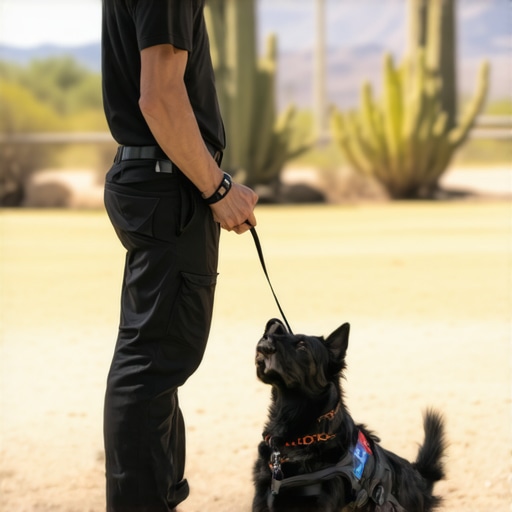
The Truth About Managing Pulling in Service Dogs
Understanding Why Dogs Pull
Many service dog handlers face the challenge of a dog that pulls on the leash. While it might seem like a simple behavior to correct, pulling can significantly hinder a dog’s ability to serve and a handler’s safety. The root of pulling often stems from a dog’s natural curiosity or excitement, making it crucial to address this behavior early and effectively. Proper training transforms a pulling dog into a focused, obedient partner, ensuring safety and efficiency.
Core Techniques for Effective Training
Training methods like positive reinforcement and consistency form the backbone of stopping pull in service dogs. Using treats and praise when your dog walks calmly helps reinforce desired behavior. Equally important is establishing clear boundaries and routine commands, which build trust and understanding between handler and dog. Regular practice in different settings accelerates progress, preparing your service dog for real-world scenarios.
Are There Regional Tips for Service Dog Training in Arizona?
Regional climates and environments influence training approaches. In Arizona’s hot and dry weather, training sessions should be scheduled during cooler parts of the day to prevent overheating. Incorporate shade and hydration into your routine, and utilize local resources such as training centers and experienced trainers who understand these regional specifics. For instance, Robinson Dog Training offers tailored programs suited for Arizona’s unique environment.
Effective Strategies for Managing Pulling in Service Dogs Amid Regional Challenges
Advanced Training Techniques to Curb Pulling
While basic training sets the foundation, implementing advanced methods can yield significant improvements. Consider incorporating the ‘check-in’ command, where your dog maintains eye contact with you during walks. This technique not only reduces pulling but also enhances focus, essential for complex environments. Utilize tools like front-clip harnesses to give you better control and prevent strain on the dog’s neck. Combining these with consistent cues reinforces desired behavior, making walks more manageable.
Case Studies: Success Stories from Regional Environments
For example, Sarah, a handler in Phoenix, faced challenges due to the city’s intense heat. By scheduling early morning training sessions and using cooling vests, she observed remarkable progress in her service dog’s walking behavior. Similarly, John in Queen Creek incorporated shaded routes and frequent hydration breaks, leading to a calmer, more responsive dog during outings. These case studies highlight the importance of tailoring strategies to regional conditions for optimal results.
Pro Tips for Handling Pulling in Varied Settings
When venturing into unfamiliar environments like busy shopping centers or parks, prepare your dog with familiarity and positive associations. Gradually introduce distractions and reward calm behavior to encourage focus. For outdoor training in sunny regions, always carry sufficient water and ensure shaded resting spots. Utilizing local resources such as Arizona-based trainers can provide insights specific to your area’s climate and terrain. For instance, exploring [Arizona Service Dog Training](https://www.azservicedogtraining.com) can connect you with experts familiar with environmental factors unique to the region.
Advanced Training Techniques to Curb Pulling
Implement the ‘Check-In’ Command
Encourage your dog to maintain eye contact during walks by teaching the ‘check-in’ command. When your dog looks at you, reward immediately to reinforce focus. This reduces the tendency to pull towards distractions and enhances responsiveness in bustling environments.
Use Control Tools Effectively
Front-clip harnesses distribute pressure evenly and give you greater control, minimizing strain on your dog’s neck. Pair this with consistent cues, such as ‘walk’ or ‘let’s go,’ to reinforce desired behavior. Transition gradually from collar to harness to ensure comfort and acceptance.
Maintain Consistency and Practice
Regularly practice in different settings, gradually increasing complexity. Use positive reinforcement consistently to reinforce calm walking and focus, which helps your dog adapt to varied environments, from urban streets to parks.
Case Studies: Success Stories from Regional Environments
Sarah in Phoenix adjusted training schedules to early mornings, using cooling vests to manage heat. Her dog responded well, walking calmly in high temperatures. John in Queen Creek prioritized shaded routes and hydration, resulting in a more compliant and relaxed dog during outings. These tailored approaches demonstrate that regional adaptations are key to successful training.
Tailor Your Strategies to Your Environment
In regions with extreme weather, always plan for environmental factors. Carry water, seek shaded areas, and schedule training during cooler times. Connecting with local trainers, such as Arizona Service Dog Training, provides insights specific to your area’s climate and terrain. This localized support accelerates progress and ensures your training methods are suitable for regional challenges.
Innovative Approaches to Curb Pulling in Service Dogs
Incorporating Technology in Training
Emerging technologies such as smart leashes and training apps are revolutionizing how handlers address pulling behavior. Devices equipped with feedback mechanisms can alert handlers when their dog starts to pull, allowing for immediate correction and reinforcing proper walking manners. These tools provide real-time data and consistency, which are critical for effective training.
Designing Situational Training Scenarios
Creating specific training environments that mimic real-world challenges helps dogs learn to stay focused despite distractions. For example, setting up simulated city streets or busy parks during training sessions prepares your service dog for various settings. Such exposure fosters resilience and adaptability, ensuring your dog maintains composure and remains on task even amidst regional environmental factors like traffic noise or crowded spaces.
Future Trends in Service Dog Training
Advancements in neuroscience and behavior analysis suggest that personalized training programs tailored to your dog’s genetic makeup and temperament will become more prevalent. Machine learning algorithms might soon analyze a dog’s responses and customize training plans dynamically, leading to faster progress and more reliable obedience. Additionally, virtual reality environments are being explored as safe, controlled settings for desensitization and behavior modification. Keeping abreast of these innovations ensures handlers can leverage state-of-the-art methods for optimal results.
Enhancing Support Networks for Handlers
Building Local Community Resources
Connecting with regional support groups and training communities fosters shared knowledge and encouragement. Training with others facing similar challenges in areas like Arizona can provide feedback, motivation, and practical tips tailored to regional climates. Online forums and local clubs facilitate this exchange, empowering handlers to stay informed about the latest techniques and resources.
Leveraging Professional Consultation
Periodically consulting with professional trainers who specialize in service dog behavior can accelerate progress. They can conduct customized assessments and suggest advanced strategies such as targeted exercises to strengthen focus and impulse control. This personalized guidance complements self-led efforts, ensuring a comprehensive approach to managing pulling behaviors effectively.
Final Thoughts on Managing Pulling in Service Dogs
Controlling pulling behavior in service dogs requires a combination of consistent training, tailored techniques, and understanding regional factors that influence behavior. Implementing advanced methods like the ‘check-in’ command, utilizing effective tools such as front-clip harnesses, and adapting strategies to your environment can significantly enhance your dog’s focus and obedience. Remember, patience and professionalism are key to fostering a reliable and focused service partner.
Frequently Asked Questions
1. How long does it typically take to see improvements in my dog’s pulling behavior?
The timeline varies depending on the dog and training consistency. Most handlers notice significant progress within a few weeks of dedicated daily practice, but ongoing reinforcement ensures lasting results.
2. Can regional climate affect the effectiveness of training methods?
Absolutely. Factors like extreme heat or cold can influence training schedules and methods. Adapting routines to accommodate weather conditions, such as training during cooler parts of the day, is crucial for success.
3. Are there specific tools recommended for managing pulling behavior?
Yes. Front-clip harnesses, head halters, and specialized training leashes are effective tools. They provide better control and promote proper walking manners, especially when combined with positive reinforcement techniques.
4. How can I find professional trainers familiar with regional challenges?
Research local service dog trainers and organizations, such as Arizona Service Dog Training, which offer expertise tailored to regional environments and weather conditions.
5. What innovative technologies can assist in training?
Emerging tools like smart leashes and training apps provide real-time feedback, helping handlers correct pulling immediately and reinforce desired behaviors more effectively.
Empower Your Service Dog Journey Today
Mastering pulling behaviors is a pivotal step toward nurturing a focused, dependable service partner. Embrace the techniques, utilize the right tools, and leverage regional resources to optimize your training. Your dedication paves the way for a safer, more effective partnership—start implementing these insights today and witness transformative results.