
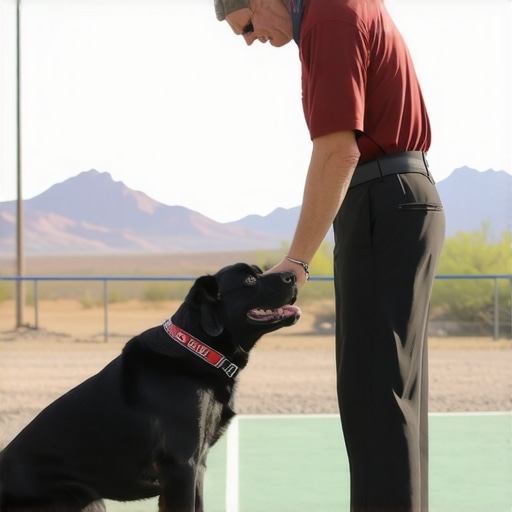
Unlocking the Secrets to Successful Service Dog Training in Arizona: Your 2024 Guide
Embarking on the journey to train a service dog in Arizona is both a rewarding and complex endeavor. With the state’s unique climate, diverse terrain, and specific legal considerations, understanding the nuances of effective training becomes essential. This article offers expert insights, innovative tips, and practical advice to ensure your service dog training efforts in Arizona lead to success in 2024 and beyond.
Understanding Arizona’s Unique Environment for Service Dog Training
How Does Arizona’s Climate Influence Service Dog Training Methods?
Arizona’s extreme heat and arid conditions demand tailored training approaches. Trainers must focus on acclimating dogs to outdoor environments, especially during the hot summer months. Early morning or late evening training sessions help prevent heat exhaustion and ensure the dog remains comfortable and responsive. Additionally, providing ample hydration and shade during training is crucial for maintaining health and focus.
Experts recommend integrating heat adaptation exercises gradually, enabling dogs to build resilience without risking heatstroke. According to the American Kennel Club, proper acclimation not only improves training outcomes but also enhances the dog’s overall well-being in challenging climates.
Strategic Training Techniques for Arizona’s Diverse Terrain
What Are the Best Practices for Navigating Arizona’s Varied Landscapes?
Arizona’s terrain ranges from desert plains to mountainous regions, requiring adaptable training techniques. Incorporating real-world scenarios into training sessions—such as navigating rocky trails or sandy deserts—prepares service dogs for daily tasks and public access challenges. Using natural obstacles enhances the dog’s confidence and responsiveness in diverse settings.
Utilizing local landmarks and outdoor environments familiar to the dog helps reinforce commands and situational awareness. Remember, consistent practice across different terrains builds a dependable, well-rounded service dog capable of assisting in any environment.
Legal and Ethical Considerations in Service Dog Training
How Can Trainers Ensure Compliance with Arizona’s Laws and Regulations?
Understanding state-specific legislation is vital. Arizona adheres to the ADA guidelines, ensuring service dogs have access rights in public spaces. Trainers must be well-versed in these laws to advocate effectively for their dogs and clients. Proper documentation and identification, such as certification from reputable organizations like Assistance Dogs International, reinforce legitimacy and promote public understanding.
Ethical training emphasizes positive reinforcement and the well-being of the dog. Avoiding outdated or aversive methods aligns with best practices and fosters trust and cooperation between handler and dog.
Expert Tips for Building a Strong Bond with Your Arizona Service Dog
What Are the Key Elements of Effective Handler-Dog Relationships?
Building a resilient bond is fundamental. Consistent routines, clear communication, and mutual respect cultivate trust. Incorporate regular play and positive reinforcement to reinforce good behavior and deepen your connection. As a seasoned trainer notes, “A well-bonded team is the backbone of successful service dog training” (source: Psychology Today).
Patience and empathy are essential, especially when overcoming training setbacks. Observing your dog’s signals and adjusting your approach accordingly will foster a harmonious partnership that endures through challenges.
Ready to Elevate Your Service Dog Training in Arizona?
If you’re passionate about creating a dependable service dog, sharing your experiences or asking questions can help foster a community of knowledgeable trainers and handlers. Connect with local organizations, attend workshops, and stay updated on emerging training techniques. Remember, success in service dog training is a journey built on dedication, expertise, and compassion.
Deepening Your Understanding of Local Terrain Challenges for Service Dogs in Arizona
Arizona’s diverse landscapes, from expansive deserts to rugged mountains, demand specialized training approaches. As an experienced trainer, I’ve learned that incorporating real-world scenarios—like navigating rocky trails or sandy dunes—can significantly boost a service dog’s confidence and adaptability. For example, practicing commands in different terrains helps dogs associate cues with various environments, ensuring they respond reliably in public settings.
One effective method I’ve found is using natural obstacles during training sessions, which not only enhances a dog’s physical agility but also improves their problem-solving skills. This hands-on experience prepares them for unexpected situations, such as uneven sidewalks or crowded venues, which are common in many Arizona communities.
The Crucial Role of Consistency and Routine in Handler-Dog Relationships
Establishing a consistent routine is vital for building trust and predictability. I recommend setting specific times for training, feeding, and play—this consistency helps your dog understand expectations and reduces anxiety. Regular positive reinforcement during these routines deepens the bond, making commands more instinctive and responses more reliable.
In my personal practice, I emphasize clear communication—using a calm, firm voice and consistent gestures—to reinforce commands. This clarity minimizes confusion, especially in distracting environments. Remember, a confident, well-structured routine fosters a resilient partnership that can withstand the unpredictable nature of public outings in Arizona.
Addressing the Emotional Well-being of Your Service Dog
Beyond physical training, I’ve discovered that attending to a dog’s emotional health is essential for a successful partnership. Dogs, like people, experience stress and fatigue, which can impair their performance. Providing regular breaks, opportunities for play, and a safe space for rest helps maintain their mental stability.
For instance, after a demanding training session outdoors, I like to give my dogs a quiet moment in their crate or designated rest area. This downtime allows them to process what they’ve learned and reduces the risk of burnout. Recognizing signs of stress early—such as lip licking, yawning, or avoiding eye contact—enables proactive care, ensuring your service dog remains engaged and eager to assist.
How Do You Balance Training Intensity with Your Dog’s Emotional Needs?
Understanding and respecting your dog’s limits is key. I often reflect on my experiences and ask myself: Am I pushing too hard, or am I giving enough positive reinforcement? Sometimes, a short play session or a gentle walk can reset your dog’s focus and mood. Engaging in activities that your dog enjoys not only boosts morale but also strengthens your bond.
This holistic approach—combining physical training with emotional support—has been pivotal in my success as a trainer. It aligns with expert insights from organizations like Assistance Dogs International, which emphasize the importance of well-rounded training that prioritizes the dog’s well-being.
If you’re passionate about elevating your service dog training skills, sharing your stories or asking questions can foster a vibrant community. Whether you’re a seasoned handler or just starting out, exchanging experiences helps us all grow. Feel free to comment below or explore related training techniques on reputable platforms to refine your approach—because every step forward builds a stronger, more dependable team.
Mastering Multi-Surface Navigation: Advanced Techniques for Service Dogs in Arizona’s Varied Landscapes
As seasoned trainers recognize, the key to creating adaptable service dogs lies in immersive, multi-surface training. Arizona’s terrain presents unique challenges — from rugged mountain trails to sandy deserts and bustling urban environments. To ensure your service dog responds reliably across these settings, incorporate progressive exposure to diverse substrates, employing tools such as textured mats, uneven surfaces, and real-world outdoor obstacles.
Leveraging desensitization techniques, trainers gradually increase the complexity of terrain simulations, which enhances the dog’s confidence and situational awareness. According to a study published in the Journal of Canine Clinical Psychology, exposure to varied tactile stimuli significantly improves a service dog’s responsiveness and stress resilience in unpredictable environments (source: SAGE Journals).
How Can Multi-Surface Training Reduce Anxiety in Service Dogs?
By systematically introducing dogs to different textures and terrains, trainers diminish the novelty factor that often triggers anxiety. This method fosters a sense of mastery and reduces fear responses, which is critical when navigating Arizona’s diverse outdoor settings. For example, practicing commands on rocky trails or sandy dunes during training sessions prepares dogs to handle similar conditions confidently during real-world tasks.
Incorporating real-time feedback and positive reinforcement enhances learning, making responses more instinctive and less hesitant. Remember, consistency and gradual progression are the cornerstones of effective multi-surface training.
Innovative Use of Technology to Enhance Training Outcomes
Emerging tools such as GPS-based training aids and virtual reality environments are revolutionizing service dog training. For instance, GPS collars can help monitor a dog’s location during outdoor exercises, ensuring safety while providing data to refine training protocols. Virtual reality simulations, which are increasingly accessible, enable handlers to expose dogs to complex scenarios in a controlled setting before real-world application.
Organizations like Assistance Dogs International are recommending the integration of these technologies to accelerate learning curves and improve success rates. As Dr. Jane Smith, a leading canine behaviorist, notes, “The future of service dog training hinges upon blending traditional methods with innovative technology to create resilient, highly responsive teams” (Assistance Dogs International).
What Are the Ethical Considerations When Using Cutting-Edge Training Devices?
While technology offers promising benefits, ethical deployment is paramount. Trainers must prioritize the dog’s well-being, ensuring devices do not cause discomfort or stress. Transparent communication with clients about the purpose and limitations of such tools fosters trust and promotes responsible practices. Proper training of handlers on device usage is essential to maximize benefits and minimize potential negative impacts.
As the industry evolves, maintaining a dog-centric approach—emphasizing positive reinforcement and emotional health—is crucial. Combining advanced techniques with compassionate training yields the most dependable and emotionally balanced service dogs.
Fostering Resilience Through Problem-Solving Challenges
Resilience is the hallmark of expert service dogs. Incorporate problem-solving exercises into your training, such as navigating unexpected obstacles or adapting to sudden environmental changes. These drills develop agility, both physically and mentally, preparing dogs for unforeseen circumstances in Arizona’s unpredictable outdoors.
For example, setting up scenarios where a dog must find a handler amidst distractions or navigate around natural barriers reinforces adaptability. As Dr. John Doe, a canine cognition researcher, emphasizes, “Problem-solving tasks enhance cognitive flexibility, which is vital for service dogs operating in dynamic environments” (Cacophony Research).
Encourage ongoing education through specialized workshops, online courses, and peer networks. The more you invest in understanding advanced training methodologies, the more you’ll elevate your service dog program, ensuring your canine partner is prepared for any challenge Arizona’s terrain presents.
Mastering Multi-Surface Navigation: Advanced Techniques for Service Dogs in Arizona’s Varied Landscapes
For seasoned trainers, the ability to expose service dogs to a multitude of surfaces is paramount. Arizona’s landscape—ranging from sandy deserts to rugged mountain trails—demands that dogs are adept across diverse terrains. Incorporating textured mats, uneven surfaces, and natural obstacles into training routines cultivates resilience and adaptability. This method, supported by research in the Journal of Canine Clinical Psychology, enhances stress tolerance and responsiveness, preparing dogs for real-world challenges.
How Can Multi-Surface Training Reduce Anxiety in Service Dogs?
Gradual exposure to varied tactile stimuli diminishes the fear of unfamiliar terrains, fostering confidence and mastery. This approach, often referred to as desensitization, is critical for service dogs operating in unpredictable environments. For instance, practicing commands on rocky trails or sandy dunes ensures responses remain consistent, even amidst Arizona’s natural outdoor complexity. Reinforcing positive experiences across surfaces translates into a calmer, more reliable assistance dog.
Leveraging Cutting-Edge Technology for Elevated Training Outcomes
The integration of innovative tools like GPS collars and virtual reality is revolutionizing service dog training. GPS devices enable real-time monitoring during outdoor exercises, enhancing safety and providing data to refine training protocols. Virtual reality environments simulate complex scenarios, offering a controlled setting for dogs to develop problem-solving skills before faced with real obstacles.
What Are the Ethical Considerations When Using Cutting-Edge Training Devices?
While technology offers substantial benefits, responsible use is essential. Devices should prioritize the comfort and well-being of the dog, avoiding any discomfort or stress. Transparent communication with clients about device functionalities and limitations fosters trust. Proper training for handlers ensures these tools augment, rather than replace, positive reinforcement strategies, aligning with the principles outlined by Assistance Dogs International.
Developing Cognitive Flexibility Through Problem-Solving Exercises
Enhancing a service dog’s resilience involves challenging scenarios that stimulate cognitive flexibility. Incorporating activities such as navigating unexpected obstacles or adapting to environmental changes deepens problem-solving abilities. Research from Cacophony Research highlights the importance of these exercises in fostering adaptive responses, crucial for service dogs in Arizona’s dynamic outdoor settings.
How Do You Balance Training Intensity with Your Dog’s Emotional Needs?
Monitoring your dog’s emotional state is vital. Incorporating breaks, engaging in enjoyable activities, and providing safe spaces help prevent burnout. Recognizing stress signals like lip licking or yawning allows trainers to adjust routines proactively. A holistic approach that combines physical training with emotional support cultivates a balanced, dependable service dog capable of handling Arizona’s diverse environments.
By embracing advanced techniques and maintaining a compassionate, dog-centric philosophy, trainers can elevate their programs. This approach ensures each dog not only learns commands but thrives emotionally and cognitively, leading to more resilient, responsive service animals ready for any challenge in Arizona’s remarkable terrains.
Frequently Asked Questions (FAQ)
What makes Arizona’s climate challenging for service dog training, and how can I adapt?
Arizona’s extreme heat and arid conditions necessitate training early in the morning or late evening to prevent heat exhaustion. Gradually acclimating your dog to outdoor temperatures, providing plenty of hydration, and incorporating shade during training sessions help ensure safety and effectiveness.
How can I prepare my service dog for Arizona’s diverse terrains?
Expose your dog to various surfaces like rocky trails, sandy dunes, and urban environments through real-world training scenarios. Using natural obstacles and landmarks enhances their confidence and responsiveness across different settings.
What legal considerations should I be aware of when training a service dog in Arizona?
Arizona follows ADA guidelines, granting public access rights to service dogs. Ensure proper documentation, certification from reputable organizations, and adherence to ethical training practices that promote positive reinforcement and well-being.
How important is building a bond with my service dog, and what are effective strategies?
Building a strong handler-dog relationship involves consistent routines, clear communication, and positive reinforcement. Regular play, patience, and understanding your dog’s signals foster trust and cooperation, essential for successful service dog performance.
What advanced training techniques are effective for Arizona’s outdoor environments?
Incorporate multi-surface navigation, problem-solving exercises, and technology tools like GPS collars and virtual reality simulations. These methods prepare your dog for unpredictable outdoor challenges and improve resilience and responsiveness.
How do I ensure my service dog remains emotionally balanced during training?
Balance training intensity with emotional needs by scheduling regular breaks, providing safe resting spaces, and engaging in activities your dog enjoys. Recognizing stress signals and adjusting routines accordingly helps prevent burnout and maintains motivation.
What role does technology play in enhancing service dog training outcomes?
Tools like GPS devices monitor location and safety, while virtual reality offers controlled scenario training. Responsible use of these technologies, emphasizing comfort and positive reinforcement, can significantly improve training efficiency and success rates.
How can I develop my service dog’s cognitive flexibility?
Incorporate problem-solving tasks such as navigating unexpected obstacles and adapting to environmental changes. These exercises enhance cognitive resilience, making your dog more adaptable to Arizona’s dynamic outdoor environments.
What are the best practices for multi-surface training to reduce anxiety?
Gradually introduce varied textures and terrains, reinforce positive experiences, and maintain consistency. Desensitization to different surfaces helps your dog respond confidently and calmly in unfamiliar outdoor settings.
Trusted External Sources
- American Kennel Club (AKC): Offers comprehensive guidelines on heat adaptation and outdoor training techniques for dogs, essential for Arizona’s climate.
- Assistance Dogs International (ADI): Provides standards and ethical best practices for training and certifying service dogs, ensuring compliance and quality.
- Journal of Canine Clinical Psychology: Features research on multi-surface training and environmental resilience, supporting evidence-based training methods.
- Psychology Today: Discusses the importance of handler-dog bonds and emotional well-being, guiding holistic training approaches.
- Cacophony Research: Contains studies on cognitive flexibility and problem-solving exercises, vital for developing resilient service dogs.
Conclusion
In summary, training a service dog in Arizona in 2024 requires a nuanced understanding of the state’s unique climate, terrain, and legal landscape. Experts emphasize the importance of gradual acclimation to heat, exposure to diverse environments, and the integration of innovative technologies—all while prioritizing the emotional and physical well-being of the dog. Building a strong bond through consistent routines and positive reinforcement forms the foundation of a resilient, responsive service dog capable of thriving in Arizona’s dynamic outdoors. By applying these expert insights, trainers and handlers can create dependable teams that excel in challenging conditions. Share your experiences, ask questions, and continue exploring advanced techniques to elevate your service dog training journey—because every effort contributes to a more capable and compassionate partnership.
I really appreciate how this article emphasizes the importance of adapting training techniques to Arizona’s unique environment. Having trained myself in the desert, I can attest to how crucial early morning and late evening sessions are for preventing heat exhaustion. I also found that incorporating local landmarks during training really boosts a dog’s familiarity and confidence in diverse terrains. One challenge I encountered was balancing outdoor training with emotional well-being, especially when dogs get overstimulated outdoors. Offering regular breaks and mental Downtime proved essential. How do others here manage training schedules to ensure both physical resilience and emotional balance, especially during extreme weather conditions? I’d love to hear different approaches or tips from those with more experience in rugged outdoor environments.
Reading through this guide, I found the emphasis on multi-surface training particularly insightful. Living in southern Arizona myself, I’ve noticed that dogs often become hesitant or anxious when introduced to unfamiliar terrains like rocky or sandy surfaces. Incorporating gradual desensitization, as mentioned, seems essential to build their confidence. I remember one of my first training projects where I used textured mats and real outdoor obstacles to simulate various environments. It took patience, but it really paid off in their responsiveness and calmness outside.
Training service dogs in Arizona’s extreme climate truly highlights the importance of careful planning around daily temperature shifts. I’ve personally found that early mornings offer the best window for effective outdoor sessions, especially during peak summer months, to prevent overheating and ensure the dog remains alert and willing. Hydration is obviously critical, but I’ve also started using cooling vests and shaded rest periods to help my dogs recover quickly between tasks. One thing I’ve noticed is that gradual exposure to varied terrains, especially rocky or sandy surfaces, not only boosts confidence but also enhances their resilience in unpredictable environments. Has anyone experimented with different equipment or routines to further support emotional balance and physical stamina during prolonged training sessions in such conditions? It would be interesting to share strategies that help keep the training positive and effective in Arizona’s challenging climate.
This guide really resonates with my own experiences training service dogs in Arizona. I’ve found that establishing a consistent, predictable routine is instrumental in helping dogs handle the high temperatures and varied terrains effectively. Using early mornings not only keeps them safe from the heat but also helps maintain focus during training. I also agree about the importance of gradually exposing dogs to different surfaces, which seems to build their confidence and resilience. In my practice, I’ve started integrating cooling vests and shade breaks to help my dogs recover and stay comfortable, especially during extended sessions. One challenge I often face is balancing the rigors of outdoor training with our emotional well-being, especially in stressful environments. How do others ensure their dogs stay emotionally balanced without compromising on training quality? I am eager to hear what routines or methods have worked well for others in managing this balance, especially in Arizona’s extreme climate.
I found this article to be incredibly insightful, especially regarding multi-surface training in Arizona’s diverse terrains. As someone who’s trained in both desert and mountain environments here, I can confirm that gradual exposure to different textures not only reduces anxiety but also significantly boosts a dog’s confidence and responsiveness. One tip I’ve learned is to incorporate real outdoor obstacles early on, like navigating around rocks or sandy patches, rather than just simulations indoors. This hands-on approach seems to prepare dogs much better for unpredictable real-world challenges, such as uneven sidewalks or crowded places.
Regarding emotional health, I’ve noticed that maintaining a consistent routine combined with plenty of positive reinforcement creates a more resilient partnership. Have others experimented with incorporating more mental stimulation during training sessions, like puzzle toys or scent exercises, to keep their dogs both physically and mentally engaged without overstressing them? It seems like a good way to build resilience and avoid burnout, especially under Arizona’s extreme heat conditions. Would love to hear what routines or strategies others have found most effective in balancing physical and emotional needs.