The Truth About Service Dog Training in Arizona
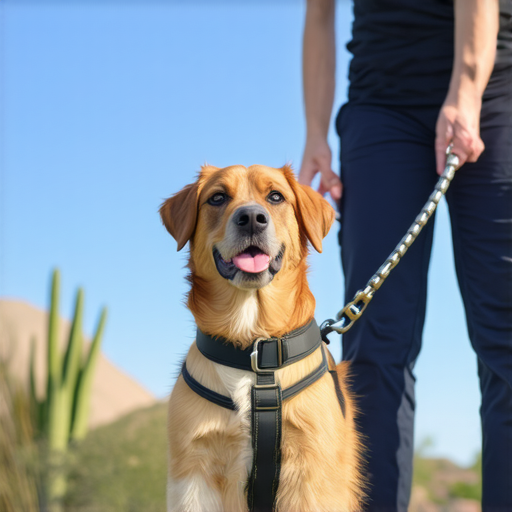
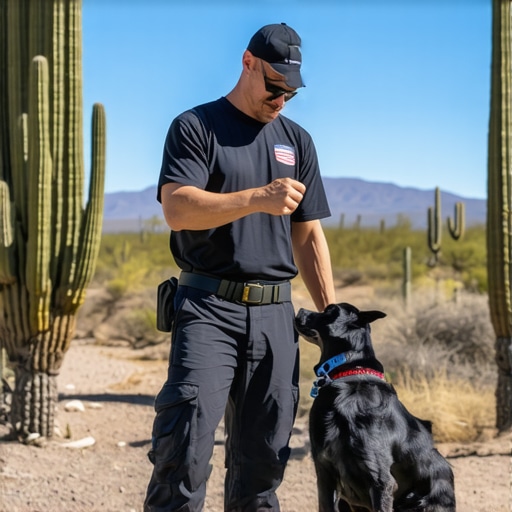
Training a service dog in Arizona isn’t just about obedience. It’s about creating a reliable partner that confidently assists its handler in daily life. With Arizona’s unique climate and urban environment, training strategies must adapt to ensure success.
Understanding the Basics of Service Dog Training
Efficient training begins with clear foundational commands and socialization. These dogs need to be calm, focused, and responsive, especially amidst Arizona’s bustling cities or sprawling deserts. Proper early socialization helps ensure the dog remains composed regardless of surroundings.
Key Challenges Unique to Arizona
Arizona’s hot temperatures demand specific training considerations. For example, teaching dogs to navigate hot pavement and recognize stress signs from heat exposure is vital. Additionally, outdoor environments like hiking trails or desert landscapes pose unique stimuli that can distract or overwhelm a dog if not trained properly.
Why Partnering with Local Professionals Matters
Working with experienced trainers familiar with Arizona’s terrain and climate can significantly boost success rates. Local trainers know how to introduce your dog to desert wildlife, city noise, and other challenges specific to the region. For more insights, explore service dog training options in Phoenix or Tucson.
Mastering Service Dog Training in Arizona: Overcoming Unique Challenges
Arizona’s diverse environment presents both opportunities and hurdles for aspiring service dog handlers. From rugged desert terrains to the lively urban centers, the state’s climate and geography demand specialized training techniques. Successfully training a service dog here requires not only patience but also a deep understanding of regional specifics that influence canine behavior and responsiveness.
Adapting Training to Arizona’s Climate
One of the foremost considerations in Arizona is managing heat. Dogs can experience heat exhaustion or stress signs like excessive panting and limping on hot pavement. Trainers recommend early morning or late evening walks during peak summer months and incorporating cooling accessories into daily routines. Introducing the dog gradually to sun-exposed environments helps build resilience, ensuring they stay calm and responsive regardless of outdoor conditions.
Training for Desert and Urban Environments
The contrasting environments — from sprawling deserts to crowded city streets — require the dog to adapt swiftly. Desert landscapes introduce stimuli like wildlife and uneven terrains, while urban settings expose dogs to constant noise, movement, and unfamiliar sights. Precise socialization sessions, where the dog is exposed to these various stimuli in controlled settings, are vital. Such exposure helps prevent fearfulness and encourages focus amidst distractions.
Recognizing Stress and Heat Exhaustion Signs
Teaching handlers to spot early signs of heat stress—such as unsteady gait, excessive drooling, or anxious behavior—is essential. Incorporating commands like “rest” or “cool down” into training ensures dogs can communicate discomfort. Equipping dogs with cooling vests and ensuring access to shade and water during outdoor activities enhances their well-being and maintains performance.
Utilizing Local Resources and Expertise
Partnering with trainers familiar with the region’s unique challenges can make a significant difference. For instance, local trainers know which terrains are safest and how to gradually introduce your dog to desert wildlife or city noise. They can also tailor training modules that consider seasonal variations, ensuring your service dog remains adept throughout the year. Check out regional options like Arizona Service Dog Training for specialized programs that address these regional challenges.
Implementing Clicker Training for Precision
Using clicker training enhances communication clarity between handler and dog. The clicker marks precise behaviors, reinforcing positive actions instantly. In Arizona, where distractions are plentiful, this method helps dogs focus on commands amidst environmental stimuli.
Step-by-Step Guide to Clicker Training
- Introduce the clicker along with treats; associate the sound with rewards.
- Practice basic commands, clicking and rewarding when achieved correctly.
- Gradually increase difficulty, adding distractions to solidify learning.
Addressing Common Misconceptions
Many believe service dog training is solely about obedience; in reality, it involves socialization, stress management, and environmental adaptability. Another myth is that training is quick—effective training requires consistent effort over months.
Misconception Busting
- Myth: Dogs naturally understand complex commands.
- Fact: Commands must be taught systematically with repetition and positive reinforcement.
- Myth: Service dogs should be trained only indoors.
- Fact: Exposing dogs to various outdoor environments prepares them for real-world challenges.
Integrating Regional Challenges into Training
To ensure success in Arizona, incorporate training modules that simulate hot pavement walks, desert wildlife encounters, and urban noise levels. Utilizing local parks, city streets, and desert trails during training sessions prepares the dog for actual scenarios.
Leveraging Local Resources and Expertise
Working with trainers experienced in regional challenges accelerates progress. For instance, trainers in Tucson or Phoenix can provide tailored exercises that focus on heat management, desert adaptations, and city socialization.
Innovative Approaches to Service Dog Training in Arizona
As awareness about the importance of service dogs grows, so does the adoption of cutting-edge training techniques tailored to Arizona’s distinctive landscape. Virtual reality simulations, for instance, are emerging as tools for acclimating dogs to urban noise and crowded scenarios without immediate outdoor exposure, offering a safe environment for initial socialization.
The Role of Technology in Training
Wearable devices equipped with GPS and environmental sensors enable trainers and handlers to monitor a dog’s location, vital signs, and stress indicators in real-time. This data-driven approach enhances training effectiveness, especially when managing heat exposure or navigating complex terrains. Such innovations promise to refine patience and responsiveness in service dogs, ensuring reliability regardless of external challenges.
Climate-Resilient Training Strategies
Future training modules will increasingly focus on building resilience against extreme weather events, like monsoon storms or heatwaves. Incorporating simulated weather conditions and outdoor exposures during training prepares dogs to remain calm and focused. Additionally, integrating hydration and cooling routines into daily practice helps maintain their health and performance amid rising temperatures due to climate change.
Regional Collaboration and Knowledge Sharing
Establishing local networks among trainers, veterinary experts, and regional authorities fosters the exchange of best practices and innovative solutions. Workshops on desert-specific behavioral management or urban agility training are becoming more prevalent, equipping handlers with comprehensive skills to meet future challenges effectively. This collaborative approach ensures that service dogs in Arizona are well-prepared for changing environmental conditions.
Understanding the Impact of Urban Expansion
As Arizona cities expand, new urban challenges will arise. Policymakers and trainers anticipate greater exposure of service dogs to construction zones, new traffic patterns, and increased pedestrian activity. Proactive training to address these elements will be essential, including urban obstacle courses and noise desensitization sessions, preparing service dogs to seamlessly integrate into evolving city environments.
Conclusion
Advancements in training methods, combined with technological innovations and regional collaboration, are set to elevate the effectiveness of service dog training in Arizona. Emphasizing resilience, health, and adaptability ensures service dogs remain dependable partners amid climate and urban development changes, fulfilling their vital roles in assisting those who rely on them.
Frequently Asked Questions
How long does it typically take to train a service dog in Arizona?
The training duration varies based on the dog’s starting point and specific needs, but it generally ranges from 6 to 12 months of dedicated training and socialization.
Can I train my service dog myself in Arizona?
While basic training can be initiated at home, specialized training for service dogs usually benefits from experienced professionals familiar with regional challenges and regulations.
What resources are available in Arizona for service dog training?
Arizona offers numerous trainers and organizations, such as Arizona Service Dog Training, that specialize in training service dogs tailored to regional climate and urban environments.
Are there legal considerations for service dogs in Arizona?
Yes, Arizona adheres to the Americans with Disabilities Act (ADA), which allows service dogs to accompany their handlers in public spaces. It’s essential to have proper documentation and training compliance.
Final Thoughts
Training a service dog in Arizona demands a nuanced approach that considers the state’s unique climate, terrain, and urban landscape. Leveraging local expertise, integrating innovative methods, and understanding regional challenges are key to cultivating a dependable, resilient partner. As training techniques continue to evolve, so does the potential for service dogs to better serve and empower their handlers in the Grand Canyon State.
Take the Next Step
Whether you’re beginning your journey or seeking advanced training options, connecting with regional specialists ensures your service dog is prepared for Arizona’s diverse environments. Reach out today to explore tailored training programs and resources that will help you and your canine partner thrive together.
This post really highlights how regional factors like climate and terrain significantly influence service dog training in Arizona. I appreciate the emphasis on early socialization and specialized techniques to handle desert wildlife and urban noise. From my experience volunteering with local trainers, I’ve seen how incorporating elements like heat management and urban desensitization makes a huge difference in a dog’s readiness. What I find particularly interesting is the growing use of technology—such as GPS-enabled wearables and virtual reality—to enhance training effectiveness. It seems like these innovations could be game-changers, especially for remote or high-stress environments. I wonder, how accessible are these high-tech tools for smaller training organizations or individual handlers in Arizona? Additionally, what are some common challenges trainers face when trying to balance outdoor resilience with indoor obedience? Overall, this combination of regional awareness and cutting-edge technology definitely seems like the future of service dog training.