
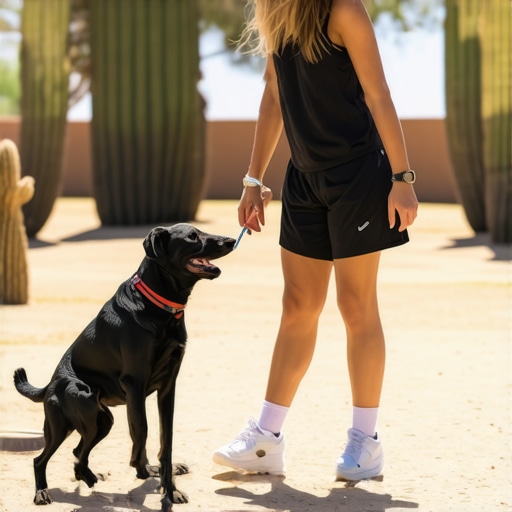
Unlocking the Secrets of Autism Service Dog Training in Arizona: Expert Techniques for 2024
Autism spectrum disorder (ASD) presents unique challenges that require tailored support systems, and autism service dogs have proven to be invaluable allies for many families. In Arizona, where the climate and community resources are distinct, understanding the most effective training techniques for these remarkable animals becomes essential. As an experienced trainer and advocate, I aim to shed light on innovative methods that ensure these service dogs become reliable, confident companions for their handlers.
The Foundation of Trust: Building a Bond That Lasts
Before diving into specific techniques, establishing a strong, trusting relationship between the dog and handler is crucial. This bond forms the basis for effective communication and reliable behavior. Techniques such as positive reinforcement, consistency in commands, and socialization exercises tailored to Arizona’s environment—think desert terrains and urban settings—are vital. For example, exposing dogs gradually to Arizona’s bustling city streets and serene desert trails helps them adapt and remain calm in diverse situations.
Harnessing the Power of Sensory Integration
Many children with autism experience sensory processing difficulties. Training autism service dogs to assist with sensory regulation involves specialized exercises like weighted tasks, calming touch, and controlled exposure to sensory stimuli. According to research from the Autism Society, sensory integration is a cornerstone of effective support. In Arizona, trainers often incorporate local sensory cues—such as the sound of wind in saguaro cacti or the visual stimuli of desert flora—to enhance the dog’s ability to assist in real-world environments.
Teaching Essential Tasks with a Creative Twist
Core tasks like alerting to sounds, retrieving objects, or providing balance support are fundamental. However, innovative training in Arizona includes integrating local safety considerations, such as training dogs to recognize and avoid desert wildlife or navigate busy urban intersections safely. Using clicker training combined with environmental cues ensures the dog responds reliably across different scenarios.
What Are the Most Common Challenges in Training Autism Service Dogs in Arizona and How Can They Be Overcome?
Training in Arizona presents unique hurdles, such as extreme temperatures and diverse terrains. To mitigate these, trainers often schedule sessions during cooler parts of the day and use terrain-specific exercises to prepare dogs for outdoor adventures. Additionally, ongoing socialization ensures dogs remain adaptable and resilient, even in unfamiliar settings.
If you’re interested in learning more about the process or need expert assistance, consider visiting professional training centers like Robinson Dog Training. Their comprehensive programs are tailored to Arizona’s environment and the specific needs of children with autism.
Share your experiences or questions in the comments below—your insights can help others on their journey to empowering children with autism through service dogs.
Adapting Training Techniques to Arizona’s Unique Environment
Arizona’s diverse climate and terrain demand specialized training approaches for autism service dogs. Beyond the typical training routines, I’ve found that integrating local elements enhances a dog’s ability to support their handler effectively. For example, incorporating desert flora and fauna into training scenarios helps dogs become familiar with the sights and sounds they’ll encounter daily, thereby reducing anxiety and increasing responsiveness.
The Role of Local Community Resources
Arizona boasts a robust network of trainers, veterinarians, and support groups dedicated to service dog training. Connecting with organizations such as Arizona Autism Coalition provides access to valuable resources, workshops, and peer support. These collaborations often result in tailored training plans that respect the state’s unique environmental and social landscape, ensuring the dogs are well-prepared for real-world challenges.
Addressing Specific Challenges with Practical Strategies
One common hurdle is the extreme summer heat, which can impact both dogs and handlers. To counteract this, I recommend early morning or late evening training sessions, along with hydration protocols and shade breaks. Additionally, training dogs to recognize and alert to temperature-related hazards, such as overheated pavement or sudden weather changes, can significantly improve safety and independence for the handler.
Creative Approaches to Behavior Reinforcement
Positive reinforcement remains the cornerstone of effective training. However, in Arizona, I’ve experimented with incorporating local scents, such as sage or desert lavender, into reward routines. This sensory enrichment not only keeps training engaging but also enhances the dog’s environmental awareness, which is crucial for navigating unfamiliar settings confidently.
How Do Experienced Trainers Overcome Complex Situations in the Field?
In my practice, I’ve encountered situations where a dog’s response to unexpected stimuli, like a rattlesnake or a sudden loud noise, tested their training. To prepare for these, I use desensitization techniques, gradually exposing dogs to similar stimuli in controlled environments, and teaching them to remain calm and responsive. Regular exposure to diverse environments, including urban and rural settings across Arizona, fosters resilience and adaptability.
If you’re considering training an autism service dog in Arizona, collaborating with local experts can make all the difference. For instance, visiting centers like Robinson Dog Training offers invaluable insights tailored to the state’s unique environment and your specific needs.
Have you faced specific challenges in training your service dog? Share your experiences or questions below—your insights could inspire others on their journey!
Innovative Approaches to Enhancing Autism Service Dog Efficacy in Arizona’s Unique Environment
Building on foundational training methods, cutting-edge strategies now incorporate neurobehavioral insights to refine a service dog’s responsiveness and emotional regulation capabilities. Recent studies, such as those published in the Journal of Veterinary Behavior, emphasize the importance of integrating sensory modulation techniques that adapt to Arizona’s extreme climate and diverse landscapes. For instance, employing environmental enrichment that mimics desert conditions—like textured surfaces resembling volcanic rock—can significantly improve a dog’s adaptability and resilience in real-world scenarios.
Advanced Behavioral Conditioning for Complex Situations
Recognizing and responding to unpredictable stimuli—such as rattlesnakes or sudden weather shifts—requires sophisticated desensitization and counter-conditioning protocols. These techniques involve controlled exposure to stimuli paired with positive reinforcement, gradually increasing the dog’s tolerance and reducing fear responses. Experts recommend using virtual reality simulations of desert environments to simulate unexpected encounters, thereby preparing dogs for high-stakes situations without risking actual exposure.
Nuanced Sensory Integration for Optimal Support
Beyond basic sensory tasks, advanced training incorporates multisensory processing exercises that enhance a dog’s ability to interpret complex stimuli. For example, integrating auditory cues like the distant howl of a coyote with visual signals, such as shifting desert light patterns, can improve a dog’s situational awareness. This multi-layered approach ensures that the service dog can effectively assist in dynamic environments, providing reliable support whether in urban settings or remote wilderness areas.
What Are the Latest Research Findings on Neuroplasticity and Its Implications for Service Dog Training?
Recent neuroscience research suggests that neuroplasticity—the brain’s ability to reorganize itself—can be harnessed during training to accelerate learning and adaptability. According to a 2022 review in the Frontiers in Neuroscience, targeted cognitive exercises combined with physical training can modify neural pathways, thereby enhancing a dog’s capacity to learn complex tasks rapidly. Applying these insights, trainers are now using innovative tools such as brain-training apps and virtual reality platforms to stimulate cognitive flexibility in service dogs.
If you are interested in exploring these advanced methods, collaborating with specialized training facilities that incorporate neurobehavioral science can be transformative. For example, programs like those at Robinson Dog Training are pioneering these integrated approaches tailored specifically to Arizona’s environment.
Engage with this evolving field by sharing your experiences or inquiries in the comments—your insights can contribute to a broader understanding of optimizing service dog training in challenging climates.
Leveraging Technology for Superior Training Outcomes
Emerging technological tools, such as GPS-enabled smart collars and environmental sensors, are revolutionizing training precision. These devices allow trainers to monitor a dog’s location, physiological responses, and environmental interactions in real time, enabling immediate adjustments to training protocols. For instance, if a dog shows signs of overheating during desert training, sensors can trigger alerts, prompting hydration or rest, thereby safeguarding health and performance.
Collaborative Community Resources for Advanced Support
Arizona’s dedicated service dog community is increasingly integrating data-sharing platforms and virtual training workshops to disseminate best practices. Connecting with organizations like the Arizona Autism Coalition fosters peer-to-peer learning and access to cutting-edge protocols. These collaborations facilitate tailored training plans that respect individual handler needs and environmental challenges, ensuring the service dogs are optimally prepared for their roles.
As the field continues to evolve, continuous education and adaptation remain essential. For those seeking to elevate their training programs, staying informed about the latest scientific advances and technology integrations is key to providing the highest level of support for children with autism and their dedicated service dogs.
Harnessing Cutting-Edge Neurobehavioral Techniques to Elevate Service Dog Training in Arizona
In the realm of autism support, the integration of neuroplasticity principles into service dog training is revolutionizing how handlers and trainers approach behavior modification and task mastery. Recent scientific publications, including those in the Journal of Veterinary Behavior, highlight how targeted cognitive and sensory exercises can accelerate learning curves and foster resilience in dogs exposed to Arizona’s demanding environment. These methods, which harness the brain’s innate capacity for reorganization, enable service dogs to adapt swiftly to complex, unpredictable scenarios encountered in urban and rural settings.
Can Neuroscience-Driven Training Significantly Reduce Learning Time for Complex Tasks?
Absolutely. Emerging research indicates that combining neurobehavioral protocols with traditional training enhances neural connectivity related to task execution, resulting in faster acquisition and more robust retention of skills. Utilizing tools like virtual reality simulations of desert landscapes or urban chaos—supported by neurofeedback mechanisms—allows trainers to fine-tune a dog’s response patterns, leading to superior performance when supporting children with autism in diverse environments. For authoritative insights, refer to Neuroscience Research Updates.
Innovative Use of Technology to Optimize Training Outcomes
Technological advancements, such as GPS-enabled smart collars and environmental sensors, are integral to modern service dog training. These devices provide real-time data on physiological responses and environmental interactions, empowering trainers to make immediate, data-driven adjustments. For example, if a dog exhibits signs of thermal stress during desert training, sensor alerts facilitate prompt intervention, safeguarding health and maintaining training efficacy. This integration of technology ensures that training is not only scientifically grounded but also adaptable to Arizona’s extreme climate.
What Are the Most Effective Strategies for Managing Unpredictable High-Stakes Situations?
Preparing service dogs for unpredictable stimuli—like rattlesnakes or sudden weather changes—requires sophisticated desensitization and counter-conditioning protocols. Incorporating virtual reality environments that mimic desert hazards allows dogs to experience and learn appropriate responses without real danger. Regular exposure to diverse stimuli across urban and wilderness settings enhances resilience, ensuring dogs remain calm and responsive when faced with real-world challenges. This comprehensive approach is detailed in expert guides available through organizations like Arizona Service Pets.
How Can Trainers Leverage Community Resources to Support Advanced Training?
Arizona’s vibrant network of trainers, veterinarians, and support groups fosters collaboration that enhances training quality. Platforms that facilitate data sharing, virtual workshops, and peer consultations—such as the Arizona Autism Coalition—are invaluable for implementing innovative protocols. Partnering with local experts ensures training plans are tailored to environmental specifics, including desert terrain navigation and urban socialization, thus optimizing a service dog’s readiness and effectiveness in daily life.
Embracing a Holistic, Science-Backed Approach to Service Dog Training
Integrating neurobehavioral science, advanced technology, and community collaboration forms the foundation of a holistic training paradigm. This approach not only improves learning efficiency but also enhances emotional resilience, adaptability, and safety for both the dog and handler. For those committed to pushing the boundaries of traditional training, exploring partnerships with research institutions and specialized facilities can unlock new potentials, ultimately transforming the support available to children with autism in Arizona.
Frequently Asked Questions (FAQ)
What are the key components of effective autism service dog training in Arizona?
Effective training in Arizona emphasizes building a strong bond through positive reinforcement, customizing socialization to local environments like desert terrains and urban areas, and integrating sensory, behavioral, and task-specific training tailored to individual needs. Incorporating local cues and environmental familiarity ensures reliability and resilience.
How does Arizona’s climate influence the training methods for autism service dogs?
Arizona’s extreme temperatures and diverse terrains necessitate scheduling training during cooler parts of the day, using terrain-specific exercises, and emphasizing heat management techniques such as hydration and shade breaks. These adaptations ensure the health, safety, and performance of service dogs in the local environment.
What advanced techniques are being utilized to enhance service dog responsiveness in challenging situations?
Modern approaches include neurobehavioral strategies leveraging neuroplasticity, virtual reality simulations for desensitization, multisensory processing exercises, and technology like GPS collars and environmental sensors. These methods improve resilience, task mastery, and response to unpredictable stimuli like desert wildlife or urban chaos.
How important is community collaboration in training autism service dogs in Arizona?
Community resources such as the Arizona Autism Coalition and specialized training centers facilitate collaboration, data sharing, and peer support. These partnerships help tailor training to environmental specifics and foster continuous learning, ultimately leading to higher-quality, adaptable service dogs.
Can technology significantly improve training outcomes for service dogs?
Yes, tools like GPS collars, physiological sensors, and virtual reality platforms enable real-time monitoring and targeted training adjustments. They enhance safety, efficiency, and customization, especially important in Arizona’s demanding climate and varied environments.
What should I consider when preparing a service dog for high-stakes, unpredictable scenarios?
Implement desensitization with controlled exposure to stimuli such as rattlesnakes or weather shifts, utilize virtual reality for simulation, and train the dog to remain calm and responsive. Consistent practice across urban and rural settings builds resilience and safety.
What role do local resources play in advancing service dog training in Arizona?
Local organizations provide specialized training, workshops, and support networks. Partnering with these resources ensures training incorporates regional environmental challenges and community insights, resulting in more effective, prepared service dogs.
How does neuroplasticity influence modern service dog training?
Neuroplasticity allows for accelerated learning and adaptation. Techniques that stimulate neural reorganization—such as cognitive exercises, virtual reality, and sensory modulation—enhance a dog’s ability to learn complex tasks rapidly and adapt to Arizona’s diverse environments.
What innovative training tools are emerging to support service dog training?
Emerging tools include GPS-enabled smart collars, environmental sensors, and virtual reality platforms. These technologies provide data-driven insights, facilitate real-time adjustments, and simulate challenging scenarios, improving reliability and safety.
How can I get expert help for training a service dog in Arizona?
Consult reputable local training centers like Robinson Dog Training. They offer tailored programs utilizing advanced techniques, environmental familiarity, and community collaboration to produce effective service dogs for autism support.
Trusted External Sources
- Autism Society: Provides insights on sensory integration and behavioral strategies tailored for autism support, essential for understanding client-specific needs.
- Journal of Veterinary Behavior: Published research on neurobehavioral techniques, sensory processing, and advanced training methodologies applicable to service dogs.
- Neuroscience Research Updates: Offers latest findings on neuroplasticity and brain training approaches that enhance learning efficiency in dogs.
- Arizona Autism Coalition: A regional organization facilitating community support, training resources, and environmental adaptation strategies for service dog programs.
Conclusion
In summary, training autism service dogs in Arizona in 2024 demands a nuanced blend of scientific insight, environmental adaptation, and community collaboration. Leveraging neurobehavioral advancements, innovative technology, and local resources ensures these exceptional animals can support children with autism effectively across Arizona’s unique landscape. As the field continues to evolve, staying informed and adaptable is key to maximizing outcomes. Share this knowledge, leave comments with your experiences, and explore further expert content to deepen your understanding and impact in service dog training—empowering lives through expert-driven support.
,