The shop smells like WD-40 and scorched metal this morning. It is the kind of scent that reminds you that things either work or they do not. When a client walks in asking about seizure alerts in Scottsdale, I do not talk about ‘innovation’ or ‘paradigms.’ I talk about what happens when the 115-degree heat hits the sensor on your wrist while you are walking through Old Town. Most people think the alert is the finish line. They are wrong. The alert is just the starter motor turning over. If the rest of the engine—your recovery protocol—is seized up, that beep does not mean a thing. Editor’s Take: Effective seizure management requires a localized recovery drill that accounts for Arizona’s specific environmental stressors. An alert without a rehearsed response is just noise in the desert wind.
The hardware failure most experts ignore
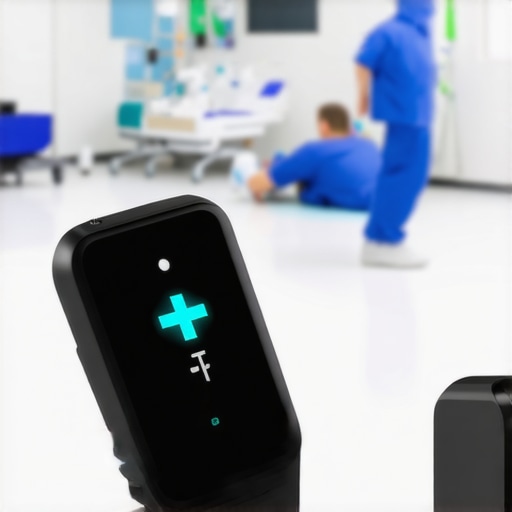
You can buy the most expensive sensor on the market, but if you do not understand the mechanics of the data transmission, you are idling in neutral. These devices measure physiological spikes. They look for the ‘misfire’ in the brain’s electrical system. But here is the catch. In a place like Scottsdale, our ambient temperature creates a massive amount of ‘noise’ for wearable tech. I have seen sensors throw false positives because a user was simply over-exerting themselves near the Waterfront. You need to calibrate your expectations to the hardware’s actual limitations. When that signal hits your phone, it travels through a series of local cell towers that can be congested during the Phoenix Open or Spring Training. Reliability is not a static number. It is a variable. Check out the Epilepsy Foundation for the base specs, but remember that the field reality in the Sonoran Desert is a different animal entirely.
Five drills for the Scottsdale heat
Stop thinking about recovery as a soft concept. Think of it as a 5-point inspection. First, the Shade Pivot. If you are on Scottsdale Road and an alert triggers, your first movement must be toward a climate-controlled environment or deep shade. Heat exhaustion mimics and exacerbates post-ictal states. Second, the HonorHealth Protocol. You need your primary contact to know exactly which facility you prefer—whether it is the Shea or Osborn campus—before the sirens start. Third, the Hydration Reset. Seizures are brutal on the metabolic system. Recovering in our dry air requires an immediate electrolyte balance, not just a sip of lukewarm water. Fourth, the Connectivity Check. If you are hiking Camelback, you better know exactly where the dead zones are. A recovery drill is useless if the ‘help’ signal is stuck in a digital cul-de-sac. Fifth, the Ground Leveling. Scottsdale’s hardscaping—concrete and pavers—is unforgiving. Your drill must include a ‘controlled descent’ to avoid secondary impact injuries. This is basic maintenance for a human life.