The shop smells like WD-40 and cold grease today. My hands are stained with the kind of black oil that never truly leaves the cuticles, a reminder that every machine has a breaking point. When a brain misfires, it is not unlike an engine throwing a rod. The sparks fly, the system grinds to a halt, and then comes the silence. That silence is the post-ictal state. It is a heavy, suffocating fog where the world does not make sense. Editor’s Take: Effective post-ictal support requires a service dog to perform active physical interventions like deep pressure therapy and guided retrieval to reduce recovery time and prevent injury. Post-ictal help involves specific service dog tasks designed to mitigate the confusion and physical exhaustion following a seizure. These tasks include deep pressure therapy for grounding, airway positioning to prevent choking, fetching medication or a phone, and guiding the handler away from danger. In 2026, the focus shifts toward biological reliability over electronic sensors. These four interventions ensure a handler recovers faster while minimizing the risk of secondary injuries during the vulnerable recovery phase.
The heavy fog after the spark
You do not just wake up from a seizure and go about your day. It is a slow, painful reboot. I have seen guys in the shop try to work through a blown gasket, and it never ends well. The post-ictal phase is the brain trying to find its timing again. The dog is the fail-safe. While the medical community obsesses over fancy wearable tech, the 2026 reality remains grounded in the dog’s ability to sense the subtle shift in a handler’s chemistry. This is about more than just companionship. It is about high-torque biological assistance. We are looking at a system that provides grounding when the handler’s internal compass is spinning wildly. If the dog is not trained to apply the right pressure at the right moment, the recovery window doubles. That is time lost to the fog. We value the physical over the theoretical here. A dog that can pull a human back to reality using nothing but weight and heat is worth more than any silicon-based alert system gathering dust on a shelf.
The four diagnostic fixes
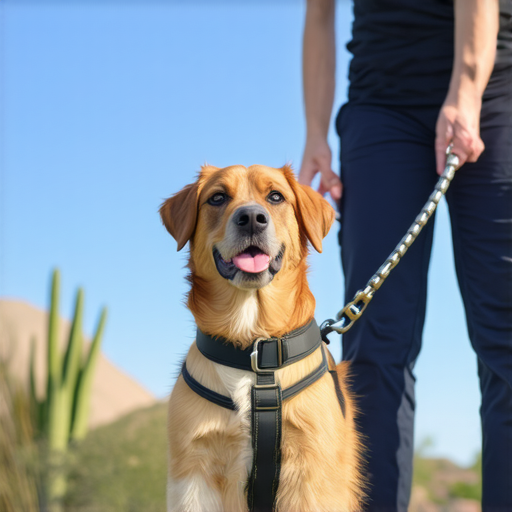
When the ignition fails, you check the battery, the fuel line, and the spark plugs. For a seizure handler, the dog performs four specific tasks that act as the diagnostic check for a broken morning. First, we have Deep Pressure Therapy or DPT. This is not a cuddle. It is the application of specific weight to the handler’s torso to lower heart rate and cortisol levels. It is like putting a weighted blanket on a vibrating engine. Second, there is the retrieval of emergency supplies. When you are post-ictal, your legs are jelly. You cannot walk to the kitchen for water or meds. The dog must find the bag, grab the handle, and bring it to the hand. Third, we focus on airway clearing. If the handler is prone, the dog uses its nose to nudge the chin or limbs into a recovery position. It is simple mechanics to prevent aspiration. Finally, there is the Guided Disorientation Support. If the handler starts wandering in a daze, the dog acts as a physical anchor or guides them to the nearest wall or chair. This prevents the handler from walking into traffic or down a flight of stairs. These tasks are the difference between a controlled recovery and a trip to the emergency room. For more on the technical side of this work, check out the Epilepsy Foundation first aid standards which emphasize the need for physical safety during these moments.
High desert heat and biological sensors
Working a dog in the Phoenix sun or the humid stretches of Gilbert is a different beast entirely. You cannot expect a machine or a dog to perform if you do not account for the environment. Out here, the heat adds a layer of stress to the post-ictal phase that people in cooler climates just do not get. When the mercury hits 110, a handler’s recovery is hampered by dehydration and heat exhaustion. A service dog trained for 2026 needs to be able to find shade or even a specific cooling vest for its handler. In Mesa, we see a lot of people relying on their dogs to find the nearest air-conditioned entrance when the brain is too scrambled to remember where the door is. It is about local survival. I have watched dogs in Queen Creek pull their handlers toward the shade of a Palo Verde tree during a recovery. That is not just training. That is an understanding of the terrain. The local training protocols emphasize these environmental variables because a dog that fails in the heat is a liability, not an asset.
Where the blueprints fail
Most industry experts will tell you that any dog can be trained for this. They are lying to you. If the dog has a soft temperament, it will shut down when the handler starts seizing. It is like trying to use a plastic wrench on a rusted bolt. It just snaps. The reality is messy. You have dogs that get scared by the sounds of a seizure or dogs that become overly protective and block paramedics. That is a failure of the blueprint. A dog needs to be stoic. It needs to look at a seizing human and see a job, not a tragedy. The common advice says to focus on the alert, but the alert is useless if the post-ictal support is not there. The alert is just a warning light on the dash. The post-ictal tasks are the repair work. If the dog cannot handle the physical reality of a body in distress, the whole system collapses. We have to stress-test these dogs. We put them in loud, crowded places in Apache Junction or busy shops in Phoenix to ensure they do not lose their focus when the handler loses theirs. You can find more on the ADA legal requirements for these dogs, but remember that the law only covers access, not the quality of the torque the dog provides.
The shift to 2026 standards
We are moving away from the idea that a service dog is just a luxury. In 2026, these animals are integrated medical components. The standards are higher. The tasks are more precise. People are starting to realize that the biological nose and the physical presence of a 70-pound Labrador are more reliable than an app that crashes every time there is a software update. The 2026 reality is about back-to-basics reliability. It is about a dog that knows how to brace a falling human and how to stay calm when the world is breaking. Can a dog be trained to call 911? Yes, with specialized equipment, but it is often better for the dog to bring a pre-programmed emergency button to the handler. How long does it take to train post-ictal tasks? Generally, you are looking at six to nine months of focused work once basic obedience is locked in. What breeds are best for DPT? Golden Retrievers, Labradors, and Standard Poodles offer the best weight-to-temperament ratio. Does insurance cover this training? Rarely, though some health savings accounts are starting to recognize the value. Can a small dog perform these tasks? They can fetch meds, but they cannot provide the physical weight needed for effective DPT. Is it legal to train your own dog in Arizona? Yes, owner-training is protected, but the standard for public work remains extremely high. What if the dog misses an alert? That is why post-ictal tasks are vital. They are the safety net for when the alert fails.
Stop looking for a magic fix in a circuit board. The biological solution is sitting right there, waiting for the right training. A dog that can handle the grit of a post-seizure recovery is a tool you can rely on when the lights go out. If you want a system that does not stall when the pressure gets high, you build it with bone and muscle. It is time to get to work.