
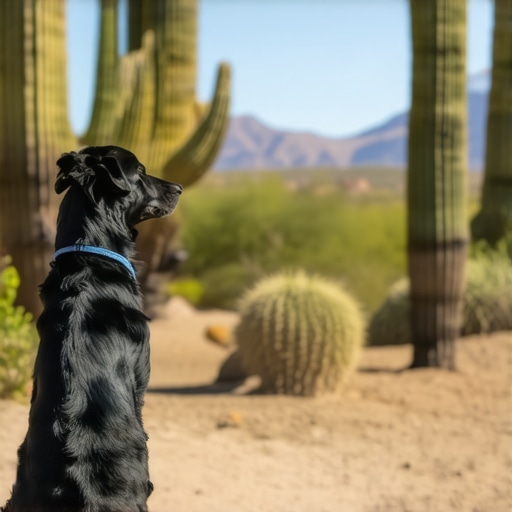
Unlocking the Secrets to Owner-Trained Service Dogs in Arizona: Your 2024 Guide
In the vibrant landscape of Arizona, where the desert meets lush greenery, training a service dog is both a rewarding journey and a strategic task. As an owner, your role in shaping a well-behaved, dependable service dog is crucial. With the right approach, training your furry partner to excel in public spaces and provide vital assistance becomes an achievable goal. This article offers expert insights and innovative tips to ensure your owner-trained service dog’s success in 2024 and beyond.
Mastering the Art of Building Trust and Communication
How Can I Develop a Strong Bond with My Service Dog?
Building trust is the foundation of effective training. Spend quality time engaging in positive reinforcement activities, such as treats, praise, and play. Consistency in commands and routines helps your dog learn expectations, fostering a sense of security. Remember, Arizona’s diverse environments—from bustling city streets to serene parks—demand a dog that trusts its owner implicitly. According to expert canine behaviorists, establishing a reliable, communicative bond accelerates training and enhances the dog’s responsiveness in critical moments.
Incorporating Local Environment into Training
Arizona’s unique terrain and climate necessitate tailored training strategies. Practice public outings in busy areas like Scottsdale or Phoenix, gradually exposing your dog to distractions. Use distraction-proof commands such as “focus” or “leave it” to maintain control. Additionally, consider environmental factors like heat and altitude, which can affect your dog’s stamina and comfort. Ensuring your dog adapts to these conditions is vital, and consulting with local trainers or veterinary experts can provide personalized guidance. For instance, American Kennel Club’s training resources offer insights on adapting training techniques to specific climates.
Ensuring Legal Compliance and Public Accessibility
Success in 2024 also hinges on understanding Arizona’s legal landscape regarding service animals. Familiarize yourself with the Americans with Disabilities Act (ADA) requirements, including proper identification and behavior standards. Proper training ensures your service dog can navigate public spaces without issues, fostering acceptance and compliance. Remember, the goal is for your dog to behave confidently and politely in environments like shopping centers, restaurants, and public transportation. A well-trained service dog not only enhances your independence but also exemplifies best practices in service animal etiquette.
What Are the Common Challenges and How Can I Overcome Them?
Many owner-trainers face obstacles like distractions, anxiety, or inconsistent responses. The key to overcoming these challenges lies in patience, persistence, and ongoing training. Use real-world scenarios to reinforce commands, and don’t hesitate to seek professional help when needed. Regularly updating training routines and staying committed ensures your service dog remains reliable and confident. Remember, each dog is unique; personalized training plans are often most effective.
Sharing your journey and learning from others can be incredibly helpful. Engage with local Arizona service dog communities or online forums to exchange tips and experiences. As you progress, celebrate small victories—they build the foundation for long-term success.
Ready to take your service dog training to the next level? Explore expert-led courses or connect with local trainers such as Robinson Dog Training for personalized support. Your dedication today shapes a dependable partner for tomorrow.
Share your progress or ask questions in the comments below—your insights could inspire fellow owner-trainers in Arizona!
Deepening Your Connection: From Basic Trust to Advanced Communication
Once you’ve established a solid foundation of trust with your service dog, the next step is elevating your communication skills. As someone who has personally navigated this journey, I can attest that clear, consistent signals are key to ensuring your dog understands your expectations in diverse situations. Use a combination of verbal cues and body language, and always reinforce positive behaviors. For example, during training, I found that rewarding my dog immediately after he responded correctly helped solidify the command. This approach aligns with research from the American Psychological Association, emphasizing positive reinforcement as a powerful tool for behavioral change.
Adapting Training to Arizona’s Unique Climate and Terrain
Arizona’s environment can pose specific challenges, from the scorching heat to rugged outdoor terrains. Personally, I learned that early morning or late evening training sessions help prevent heat exhaustion. Incorporating terrain-specific exercises, like navigating rocky paths or uneven surfaces, prepares your dog for real-world scenarios. Remember to hydrate your dog frequently and provide shaded rest breaks. Local resources like the Arizona Humane Society offer tailored advice on managing outdoor training in extreme temperatures. Additionally, training in various environments ensures your dog remains adaptable and confident regardless of changing conditions.
Legal Knowledge and Advocacy for Service Dogs
Understanding the legal landscape in Arizona is crucial, especially regarding public access rights under the ADA. I’ve found that carrying proper identification and documentation, such as a trainer’s letter or certification, can smooth interactions with authorities or business owners. Educating others about service dog etiquette also fosters a more accepting environment. For instance, I make it a point to politely inform staff about my dog’s role when entering a restaurant. This proactive approach not only ensures compliance but also helps normalize service animals in public spaces. For more detailed information, visiting the ADA official website provides comprehensive guidelines and resources.
What surprises do many owner-trainers encounter, and how can they navigate them?
Unexpected challenges often arise, such as sudden distractions or anxiety during outings. In my experience, staying calm and patient is vital. When my dog was startled by loud noises, I used calming commands and offered comfort to reassure him. Consistent exposure to various stimuli, paired with positive reinforcement, gradually reduces sensitivity. Connecting with local Arizona service dog communities or online forums offers invaluable peer support and practical tips. Remember, every setback is an opportunity to reinforce training and deepen your bond. Would you like to share a challenge you’ve faced or a breakthrough moment in your training journey? Engaging with others can inspire and motivate you to persevere.
If you’re eager to enhance your training techniques, consider consulting experts like Robinson Dog Training, who specialize in service dog preparation. Your commitment today will lay the groundwork for a dependable, confident partner tomorrow. Feel free to comment below with your questions or experiences—your story might help someone else succeed!
Enhancing Your Service Dog’s Performance with Advanced Training Techniques in Arizona’s Diverse Environment
Building upon foundational trust and communication, seasoned trainers recognize that complex environments demand a nuanced approach to service dog training. In Arizona, where extreme temperatures and rugged terrains are common, integrating specialized methods can significantly elevate your dog’s responsiveness and resilience. For example, incorporating **environmental enrichment**—such as simulated distractions during training—prepares your dog for unpredictable real-world scenarios. Techniques like scent work combined with obedience drills can improve focus and adaptability, ensuring your service dog remains calm and effective amidst Arizona’s unique challenges.
How Do You Customize Training Regimens for Variable Climates and Terrain?
Customizing training to Arizona’s climate involves strategic timing and location selection. Early morning or late evening sessions mitigate heat stress, while shaded outdoor areas provide cooler environments for active work. Terrain-specific exercises, like navigating rocky paths or uneven desert landscapes, enhance your dog’s confidence and physical agility. Using tools such as **terrain mats** or natural obstacles can simulate real-world conditions, reinforcing practical skills. Moreover, hydration protocols and cooling vests are essential to maintain your dog’s health during strenuous outdoor activities. According to recent studies published in the PLOS ONE journal, environmental conditioning is critical for service dogs operating in extreme climates.
Can Advanced Behavioral Modification Techniques Help Overcome Persistent Distractions?
Absolutely. Techniques such as **counter-conditioning** and **desensitization** are invaluable for managing persistent distractions like loud noises, unfamiliar animals, or sudden movements. For instance, gradually exposing your dog to controlled versions of these stimuli, paired with positive reinforcement, can significantly reduce sensitivity over time. Implementing **targeted impulse control exercises**—like ‘wait’ or ‘stay’—during high-distraction scenarios can also improve impulse management. Professional behaviorists often recommend integrating these techniques within daily routines, ensuring your dog remains calm and focused regardless of environmental stimuli. For in-depth strategies, consult resources like the K9 Training Institute which specializes in advanced behavioral modification.
What Are the Latest Legal Considerations for Service Dogs in Arizona’s Public Spaces?
Staying ahead of legal developments is crucial. Arizona adheres to the ADA, but recent legal cases emphasize the importance of **proper documentation** and **behavioral standards**. Carrying updated certification and identification can streamline access to public venues. Additionally, understanding the nuances of **local ordinances**—such as leash laws and access rights—can prevent misunderstandings. Training your dog to exhibit **calm, non-aggressive behavior** in bustling environments is not only a safety measure but also a legal safeguard. Engaging with local advocacy groups like the Arizona Disability Law Center can provide ongoing updates and legal support.
How Can You Integrate Technology to Elevate Your Service Dog’s Training?
Emerging technologies, such as **remote training devices**, GPS trackers, and **behavior monitoring apps**, are transforming the training landscape. These tools enable real-time feedback and behavioral analysis, making it easier to identify areas for improvement. For example, GPS devices help ensure your dog’s safety during outdoor activities, while training apps can log progress and schedule reinforcement exercises. Incorporating these technologies into your routine accelerates skill acquisition and enhances accountability. As the field continues to evolve, staying informed through platforms like the Canine Journal ensures you leverage the latest innovations effectively.
Remember, every service dog and owner-team presents unique challenges and opportunities. Investing in advanced training methods and staying adaptable will result in a more dependable and confident partner. For personalized guidance tailored to Arizona’s environment, connecting with expert trainers such as Robinson Dog Training can make a significant difference. Your commitment to ongoing education and refinement is the key to success in 2024 and beyond.
Innovative Techniques to Elevate Your Service Dog Training in Arizona’s Unique Climate
Building upon foundational skills, advanced training involves integrating environmental conditioning and behavioral reinforcement tailored to Arizona’s diverse terrains. By employing **multimodal sensory exercises**, you can enhance your dog’s adaptability, ensuring resilience against the state’s extreme heat and rugged landscapes. Techniques such as *targeted scent work* combined with obstacle navigation prepare your service dog for unpredictable real-world challenges, fostering unwavering focus and confidence in dynamic environments.
How Can Technology Revolutionize Your Service Dog Training in the Desert State?
Emerging tools, including **wearable GPS devices** and **behavior tracking apps**, offer unprecedented insights into your dog’s progress. These innovations enable real-time monitoring, allowing you to adjust training protocols swiftly and effectively. For example, integrating **remote correction collars** with positive reinforcement strategies ensures your dog remains attentive amidst distractions, especially during outdoor activities in Arizona’s expansive terrains. Staying informed through trusted sources like the Canine Training Institute can keep you at the forefront of technological advancements.
Can Advanced Behavioral Techniques Help Overcome Persistent Outdoor Distractions?
Absolutely. Techniques like **systematic desensitization** and **counter-conditioning** are vital for managing high-stimulation scenarios, such as encountering other animals or loud noises. By gradually exposing your dog to these stimuli in controlled settings, paired with rewarding calm behavior, you reinforce resilience. Implementing **impulse control exercises**—like ‘wait’ and ‘leave it’—during outdoor outings cultivates emotional regulation. Consulting with professional behaviorists, such as those at the K9 Behavior Academy, can personalize these methods to your dog’s needs, ensuring consistent performance under pressure.
What Are the Latest Legal Considerations for Service Dogs in Arizona’s Public Spaces?
Staying compliant with evolving legal standards is crucial. Besides adhering to the ADA regulations, understanding **local ordinances**—such as leash requirements and access restrictions—is essential. Proper documentation, including updated certification and identification, facilitates smooth interactions with authorities and businesses. Training your dog to exhibit **calm, non-aggressive behavior** and maintaining a visible, professional identification promotes acceptance and legal compliance. For ongoing updates, the Arizona Disability Law Center provides comprehensive resources and support.
How Can You Integrate Cutting-Edge Technology to Optimize Your Service Dog’s Performance?
Innovative technologies, such as **smart collars** and **training apps**, are transforming service dog training. These tools enable detailed behavioral analysis, helping identify areas needing improvement. For instance, **noise-canceling devices** paired with training protocols can reduce anxiety caused by Arizona’s frequent loud sounds, like fireworks or construction. Leveraging these tools enhances training precision, accelerates skill mastery, and sustains your dog’s focus in complex environments. Staying connected with platforms like Dog Tech ensures you remain current with the latest innovations.
Why Is Ongoing Education and Community Engagement Vital for Owner-Trainers?
Continuous learning and peer support are cornerstones of successful service dog training. Participating in local Arizona service dog groups or online forums fosters knowledge exchange and emotional encouragement. Sharing experiences about navigating the state’s outdoor challenges can provide practical insights and moral support. Moreover, attending specialized workshops or advanced training courses—like those offered by Robinson Dog Training—can refine your skills and deepen your understanding of complex training techniques. Remember, mastery is an ongoing journey that benefits from collaboration and lifelong learning.
Embrace these expert strategies and technological tools to elevate your service dog training in Arizona. Your dedication to advanced methods today will forge a resilient, dependable partner capable of thriving in the most demanding environments. For personalized support tailored to your training needs, don’t hesitate to connect with professionals specializing in service dog preparation—your journey to excellence continues.
Frequently Asked Questions (FAQ)
How do I start training my own service dog in Arizona?
Begin by establishing a strong bond through positive reinforcement, consistent routines, and basic obedience training. Gradually introduce public environments while reinforcing calm and controlled behavior. Consulting local trainers or organizations specializing in service dog training can provide tailored guidance suited to Arizona’s climate and terrain.
What legal requirements do I need to meet for my service dog in Arizona?
Ensure your service dog complies with the ADA guidelines, including proper identification and behavior standards. Carry documentation such as a trainer’s letter or certification, and familiarize yourself with local ordinances regarding public access and leash laws. Education about service dog etiquette fosters smoother interactions with the public and authorities.
How can I adapt training for Arizona’s hot climate?
Schedule training sessions during early mornings or late evenings to avoid heat exhaustion. Use shaded outdoor areas, hydrate your dog frequently, and incorporate cooling gear like vests. Gradually acclimate your dog to outdoor conditions and terrains to ensure resilience and safety in desert environments.
What are effective techniques to manage distractions during outdoor training?
Employ desensitization and counter-conditioning strategies by gradually exposing your dog to distractions, paired with positive reinforcement. Use impulse control exercises such as “wait” and “leave it” to enhance focus. Professional behaviorists can help tailor these techniques to your dog’s specific needs, especially in Arizona’s diverse outdoor settings.
What technological tools can enhance my service dog training?
Utilize GPS trackers, behavior monitoring apps, and remote training devices to gain real-time insights and reinforce training. These tools help monitor your dog’s location, behavior, and responsiveness, making training more efficient and adaptable to Arizona’s challenging environments.
How important is ongoing education and community support?
Continuous learning through workshops, online forums, and local Arizona service dog groups is vital. Sharing experiences and strategies helps overcome unique outdoor challenges. Engaging with professionals like Robinson Dog Training ensures your skills remain sharp and your service dog’s performance optimal.
Trusted External Sources
- American Kennel Club (AKC) Training Resources: Offers comprehensive guides on adapting training techniques to various climates, including Arizona’s heat and terrain.
- Arizona Humane Society: Provides tailored advice on outdoor training, hydration, and health management specific to Arizona’s environment.
- ADA Official Website: The authoritative source for legal requirements and rights related to service animals nationwide, including Arizona-specific considerations.
- Canine Training Institute: Specializes in advanced behavioral modification and environmental conditioning techniques suitable for diverse climates.
- Arizona Disability Law Center: Offers legal support and updates on regulations affecting service dog access and rights within the state.
Conclusion
Mastering the art of owner-trained service dogs in Arizona requires a blend of expert knowledge, tailored environmental adaptations, and ongoing community engagement. Building a trustworthy bond, adhering to legal standards, and utilizing innovative training techniques and technology are the pillars of success. As the landscape of service dog training evolves, staying informed through reputable sources and continuous education ensures your partnership remains resilient and effective. Your dedication today not only empowers your independence but also contributes to a broader understanding and acceptance of service dogs in Arizona’s diverse environments. Share your experiences, seek expert advice, and keep pushing the boundaries of what your service dog can achieve—your journey to excellence begins now.
I found this guide to training owner-trained service dogs in Arizona incredibly insightful, especially the emphasis on environmental conditioning. Living in Tucson, I’ve personally noticed how essential it is to train my dog during cooler parts of the day and incorporate terrain-specific exercises, like navigating rocky trails. The suggestion to use tools like cooling vests has been a game-changer for us to keep my dog comfortable during hotter months. I agree that community involvement and continuous learning are vital—I’ve joined local Arizona dog training groups, which provide great practical tips and moral support. Has anyone here found particular training techniques especially effective for managing outdoor distractions in the desert landscape? I’d love to hear success stories or recommendations to share with my fellow owner-trainers.