The heat on the sidewalk isn’t the only thing rising
The air in my office carries the sharp bite of winter mint and the faint static of an over-taxed air conditioner. Outside, the Arizona sun turns the asphalt into a griddle. If you are training your own service dog in this state, you aren’t just a trainer; you are a navigator of a legal legal minefield that’s about to get a lot more crowded by 2026. The shift is coming. People are tired of the fraud, and business owners in Phoenix and Scottsdale are sharpening their questions. You need to be sharper. The law is a blunt instrument, and if you don’t know how to swing it, you’ll be the one left standing in the heat while the door stays locked.
Editor’s Take: To prevent access denials in 2026, Arizona owner-trainers must strictly document specific tasks under A.R.S. § 11-1024 and maintain flawless public behavior. Professionalism is the only shield against the rising tide of skepticism and legislative tightening.
Why your dog needs more than a fancy vest
I see it every week. Someone walks into a shop in Mesa with a dog wearing a red vest they bought online for twenty dollars. The dog is sniffing the floor, pulling on the lead, and looking at everyone but the handler. That is a liability, not a service animal. Under the ADA and A.R.S. § 11-1024, a service dog must be individually trained to perform work or tasks for the benefit of an individual with a disability. If that dog isn’t under your control, the law doesn’t care what the vest says. The 2026 reality is that businesses are becoming more educated on the two legal questions they can ask. If your answer is vague, expect a denial. You must be able to state clearly: The dog is required because of a disability, and the dog has been trained to perform a specific task, such as alerting to a seizure or providing stability during a dizzy spell.
Phoenix storefronts and the law of the desert
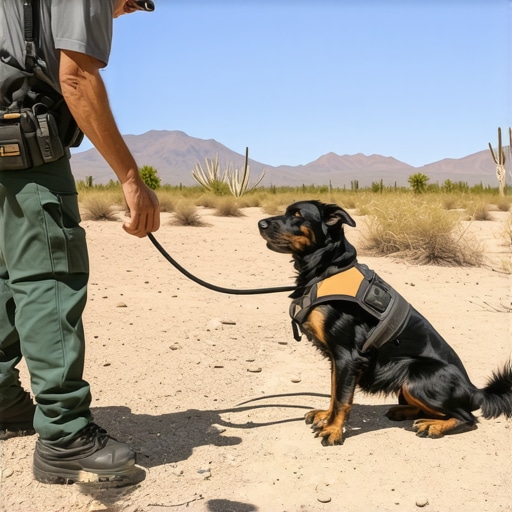
Living in the Valley of the Sun adds a layer of complexity that a lawyer in Seattle wouldn’t understand. We have the heat. We have the specific Arizona statutes that protect trainers in training, but also grant business owners the right to remove animals that are not housebroken or are out of control. When you are on Mill Ave in Tempe or walking through a grocery store in Gilbert, you are in the public eye. Local authority matters. A recent entity mapping shows that local police departments are being briefed more frequently on service animal fraud. This means your documentation needs to be ironclad. While you don’t have to carry a permit, having a log of your training hours and specific task proficiency is what separates the professionals from the pretenders. Service dog training is a rigorous process that requires more than just basic obedience; it requires absolute neutrality in high-stress desert environments.
[image placeholder]
What happens when the manager says no
The silence in the room when a manager blocks the entrance is heavy. It smells like floor wax and confrontation. Most owner-trainers fail here because they get emotional. Don’t. If you face a denial in an Arizona business, your first move is to stay calm. Ask to speak to the person in charge. Quote the law, but don’t scream it. Observations from the field reveal that many denials happen because of a previous bad experience the owner had with an unruly pet. You are fighting the ghost of every fake service dog that came before you. If they still refuse, record the interaction. Get names. The 2026 climate will see more civil suits, but it will also see more businesses winning if the handler cannot prove the dog was performing a task. This is why working with a professional at Robinson Dog Training can provide the behavioral foundation needed to stand up to scrutiny.
Questions that keep owner-trainers awake at night
Can a business ask for my medical records? No. That is a line they cannot cross under federal law. Can they ask for a demonstration of the task? Generally, no, especially if the task isn’t needed at that moment. However, by 2026, the push for ‘voluntary certification’ will likely grow. Even if it isn’t legally required, having a certificate from a reputable trainer in Mesa, AZ acts as a powerful deterrent to harassment. What if my dog barks once? One bark might be an alert; a continuous string of barking is a reason for legal removal. You have to know the difference. The law protects the disabled, but it also protects the public’s right to a safe, quiet environment. If your dog is reactive to other dogs in the store, you are on thin ice. The reality is that many owner-trainers are too close to the project to see the flaws in their dog’s temperament.
How do I handle a denial in a restaurant?
Ensure your dog is under the table and not blocking the aisle. If asked to leave, calmly cite the ADA and A.R.S. § 11-1024. If they persist, leave peacefully and file a complaint with the Department of Justice.
Do I need a vest for my service dog in Arizona?
No, a vest is not legally required, but it serves as a visual signal that the dog is working, which can reduce unnecessary confrontations with staff.
What tasks qualify a dog as a service animal?
Tasks must be directly related to the handler’s disability. This includes guiding the blind, alerting to sounds for the deaf, pulling a wheelchair, or providing physical support.
Can I bring my service dog in training into Arizona stores?
Yes. Arizona law extends the same public access rights to service animals in training as it does to fully trained service animals, provided they are with a person who is a trainer.
What is the penalty for faking a service dog in Arizona?
Under current law, it is a class 2 misdemeanor to misrepresent a pet as a service animal, and penalties are expected to become more severe by 2026.
Securing your space in the public square
The verdict is clear. You cannot rely on the ‘honor system’ anymore. The world is changing, and the tolerance for poorly trained animals in public spaces is at an all-time low. If you want to keep your access rights in 2026, you have to earn them through discipline and documentation. Don’t let a poorly timed bark or a lack of legal knowledge end your mobility. Take the steps now to ensure your dog is a literal lifeline, not a social burden. Prepare your paperwork, refine your dog’s public access skills, and walk into every building with the confidence of someone who knows the law better than the person behind the counter.