
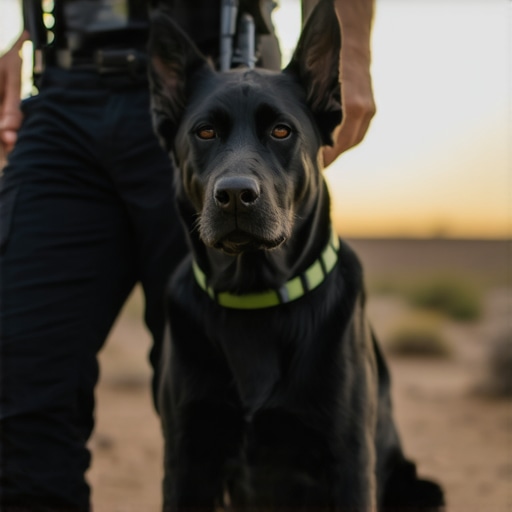
Unlocking the Secrets of Exceptional Service Dogs in Arizona
Arizona’s diverse landscapes offer an ideal environment for training and deploying service dogs, making it a hub for top-tier canine assistance. Whether you’re considering a service dog for mobility, medical alert, or emotional support, understanding the nuances of owner-trained service dogs is vital. This guide delves into expert insights for 2024, helping you navigate the path to a well-trained, dependable service animal.
Why Arizona is a Premier Destination for Service Dog Training
The state’s favorable climate, expansive outdoor spaces, and vibrant community resources foster an optimal setting for training service dogs. Local organizations like America’s VetDogs and private trainers leverage these conditions to develop highly skilled dogs. Moreover, Arizona’s progressive legal framework supports owner-training initiatives, empowering individuals to customize their service dogs’ training to meet specific needs.
Expert Tips for Selecting and Training Your Service Dog in the Desert State
Choosing the right breed is crucial; popular options include Labrador Retrievers, Golden Retrievers, and German Shepherds, known for their intelligence, temperament, and adaptability. When training your service dog, consistency, patience, and positive reinforcement are key. Local trainers often recommend incorporating environmental exposure early on, such as navigating crowded urban settings or outdoor terrains unique to Arizona, to ensure your dog’s readiness for real-world scenarios.
What Are the Critical Factors for Owner-Training Success in Arizona’s Climate?
Arizona’s hot and dry climate presents unique challenges, like heat exhaustion risk. Experts advise training during cooler parts of the day and ensuring your dog has access to hydration and shaded areas. Additionally, acclimating your dog to various local environments—urban areas, national parks, and desert trails—ensures resilience and versatility. For detailed guidance, consult reputable resources such as the ADA website for legal and training standards.
Remember, successful owner-trained service dogs are not just about obedience—they embody a partnership built on trust, understanding, and tailored training that respects both the handler’s needs and the desert state’s unique environment. For a comprehensive training roadmap, explore local Arizona programs or certified trainers specializing in service dog preparation.
Ready to embark on your service dog journey? Share your experiences or ask questions below, and stay connected for more expert insights into training the perfect service dog in Arizona!
Building Resilience and Trust: Owner-Training in Arizona’s Unique Climate
One of the most compelling aspects of owner-training a service dog in Arizona is understanding how to adapt to its extreme weather conditions. The intense summer heat can pose serious risks, including heatstroke and dehydration, which makes early acclimatization and ongoing care essential. I remember working with a client who initially struggled with her Labrador Retriever during those scorching months, but by gradually increasing outdoor exposure during early mornings and late evenings, she successfully built her dog’s resilience and confidence in desert environments.
In my experience, integrating regular hydration breaks, using cooling vests, and ensuring ample shade are vital components of a safe training regimen. Interestingly, the American Heart Association emphasizes that heat exhaustion can escalate quickly, especially for active dogs. This awareness prompted me to develop tailored training schedules that prioritize safety without compromising progress.
Practical Tips for Mastering Arizona’s Diverse Terrains
Arizona’s landscape isn’t just about deserts; it includes mountains, forests, and urban settings. Each environment demands specific training considerations. For instance, navigating rocky trails in Sedona requires different skills than bustling city streets in Phoenix. I often advise owners to take their dogs on varied terrains early in training to foster adaptability and confidence.
During these excursions, I focus on sensory exposure—teaching dogs to ignore distractions like wildlife or unfamiliar sounds—while reinforcing commands like ‘leave it’ and ‘stay.’ This prepares the dog for unpredictable scenarios, which are common in Arizona’s natural parks and urban parks alike. Remember, consistency and patience are key, and working with a local trainer experienced in desert environments can make a significant difference.
How do you personally prepare your service dog for Arizona’s extreme weather and diverse environments?
This question often prompts meaningful reflections among owners. Sharing experiences, such as how you’ve adapted your training schedule or used specific gear, can inspire others and foster a supportive community. For additional guidance, consulting resources like the ADA standards ensures your training aligns with legal requirements and best practices.
If you’re navigating the challenges and rewards of owner-training in Arizona, I’d love to hear your stories or questions. Feel free to share your journey below or explore more about local training programs that can help you develop a strong, reliable partnership with your service dog.
Mastering Environmental Challenges: Adaptive Techniques for Service Dog Owner-Training in Arizona
Arizona’s unique climate and geography demand a sophisticated approach to owner-training service dogs. Beyond basic obedience, trainers must embed resilience and adaptability into their dogs’ skill set, ensuring they perform reliably across scorching summers, chilly winters, and varied terrains—from deserts to mountain forests.
One advanced method involves gradual acclimatization. This technique starts with short exposures during the coolest parts of the day, progressively increasing duration and intensity. For instance, a handler might begin by walking on shaded trails early in the morning, then extend sessions to include urban environments and sun-exposed areas as the dog builds tolerance. This layered exposure enhances the dog’s confidence and reduces stress responses in unpredictable situations.
How can handler training incorporate environmental cues to improve dog resilience?
Incorporating context-specific cues—such as scent markers, visual signals, or tactile feedback—can significantly boost a service dog’s situational awareness. For example, training a dog to recognize the scent of a cooling vest or water source can prompt proactive hydration during outdoor activities. Similarly, associating specific visual cues with safe zones or shade areas helps the dog navigate complex environments efficiently. This multi-sensory training approach leverages Arizona’s diverse stimuli to foster a highly adaptable service animal.
Moreover, integrating advanced desensitization protocols trains dogs to ignore distractions prevalent in Arizona’s landscapes. This includes exposure to wildlife sounds, desert winds, or urban noise, coupled with reinforcement of commands like ‘leave it’ and ‘focus.’ Such training minimizes overreactions and enhances obedience even amid chaos.
Specialized Equipment and Technological Aids for Extreme Conditions
Using high-tech gear can extend training and operational longevity for service dogs facing Arizona’s extreme weather. Cooling vests, hydration packs, and UV-protective dog clothing are essential. Additionally, GPS trackers and environmental sensors can alert handlers to temperature spikes or unsafe zones, allowing real-time adjustments. For example, advanced cooling gear helps prevent heatstroke during long outdoor sessions.
Training with these tools not only improves safety but also enhances the dog’s confidence in navigating challenging environments. Handlers should regularly review the latest innovations in canine outdoor gear and incorporate them into their routines, ensuring their service dog is prepared for anything Arizona’s landscape might throw at them.
Legal and Ethical Considerations in Owner-Training: Navigating Arizona’s Regulations
Understanding the legal landscape is crucial for responsible owner-training. Arizona adheres to federal laws like the Americans with Disabilities Act (ADA), which mandates access rights for service animals and stipulates standards for training and certification. Ensuring compliance involves meticulous documentation of training protocols and adherence to ethical standards that prioritize the dog’s well-being.
Consulting authoritative resources such as the ADA website and working with certified trainers can prevent legal pitfalls and ensure your service dog’s training meets national standards. Ethical training also emphasizes positive reinforcement, avoiding aversive tactics that could compromise the dog’s health or trust.
If you’re committed to mastering owner-training in Arizona’s demanding environment, continuous learning and community engagement are vital. Sharing experiences and strategies within local support networks can foster innovation and collective resilience.
Interested in exploring cutting-edge training techniques or connecting with local experts? Dive deeper into specialized courses or forums dedicated to service dog owner-trainers in desert climates. Your dedication not only benefits your partnership but also advances the standard of service dog training across diverse environments.
Harnessing Cutting-Edge Techniques for Desert-Resilient Service Dogs in Arizona
As the demand for highly adaptable service dogs grows, especially within Arizona’s unique environment, trainers and owners must employ innovative methods that transcend basic obedience. Incorporating elements like multi-sensory desensitization and environment-specific cueing enhances a service dog’s ability to perform reliably across diverse terrains and weather conditions. These techniques involve systematically exposing dogs to a spectrum of stimuli—ranging from desert winds to urban noise—while reinforcing core commands, thereby cultivating a resilient, focused partnership.
Integrating Advanced Technological Aids for Extreme Climate Challenges
Technology offers transformative potential for service dog training, especially in Arizona’s extreme heat and varied landscapes. Devices such as GPS-enabled collars and environmental sensors provide real-time data on weather conditions, enabling handlers to adapt training schedules dynamically. Cooling vests and hydration packs further safeguard dogs during prolonged outdoor activities, reducing the risk of heat-related issues. These tools, combined with meticulous training protocols, foster safety and confidence for both handler and dog.
What Are the Best Practices for Ethical and Legal Compliance in Arizona’s Owner-Training Paradigm?
Adhering to federal and state regulations, including the ADA standards, is paramount. Documentation, transparency, and ethical reinforcement underpin responsible training. Consulting authoritative sources such as the ADA website ensures compliance and best practices. Emphasizing positive reinforcement and stress-free training methods not only aligns with legal standards but also promotes a trusting, effective partnership.
How Can Advanced Training Techniques Elevate a Service Dog’s Performance in Varied Arizona Landscapes?
Layered exposure to the state’s diverse environments—from mountain trails to urban centers—builds exceptional adaptability. Techniques like contextual cue association, where dogs learn to link specific scents or visual signals with designated actions, significantly enhance their responsiveness. For instance, training a dog to recognize a cooling vest scent as a cue for hydration can prevent overheating during summer outings. These sophisticated approaches are instrumental in preparing service dogs for Arizona’s dynamic conditions.
Engage with Expert Resources to Elevate Your Service Dog Training Journey
Continuous learning from reputable sources and engaging with local communities are vital for mastery. Consider participating in specialized workshops or consulting with certified trainers who possess extensive experience in desert environments. Sharing insights and strategies fosters innovation and collective resilience among owner-trainers. To explore the latest advancements, visit professional organizations dedicated to service dog training or subscribe to expert forums dedicated to canine resilience in extreme climates.
Frequently Asked Questions (FAQ)
What are the key benefits of owner-training a service dog in Arizona?
Owner-training allows for personalized development of the service dog tailored to specific needs, fosters a strong bond between handler and dog, and can be more flexible and cost-effective compared to professional training options. Arizona’s environment offers diverse terrains that enhance a dog’s adaptability, which is crucial for effective service work.
How does Arizona’s climate influence service dog training strategies?
The hot and dry climate necessitates training during cooler parts of the day, acclimatizing dogs gradually to high temperatures, and using cooling gear. Exposure to Arizona’s varied environments, such as urban areas and deserts, should be carefully managed to ensure safety and resilience.
What breeds are most suitable for owner-training in Arizona?
Popular breeds include Labrador Retrievers, Golden Retrievers, and German Shepherds due to their intelligence, temperament, and adaptability to different environments. Selecting a breed that matches your lifestyle and training capacity is essential.
What legal considerations should I be aware of when owner-training a service dog in Arizona?
Compliance with the Americans with Disabilities Act (ADA) is mandatory, ensuring your training meets federal standards. Proper documentation and adherence to ethical training practices are vital. Consulting resources like the ADA website and working with certified trainers help ensure legal compliance.
What advanced techniques can improve a service dog’s performance in Arizona’s diverse landscapes?
Techniques such as layered environmental exposure, context-specific cueing, and multi-sensory desensitization enhance resilience. Using technology like GPS trackers and cooling equipment further supports performance and safety in extreme conditions.
How can I incorporate technological aids into my service dog training?
Utilize GPS collars, environmental sensors, and cooling gear to monitor conditions and ensure safety. These tools help adapt training schedules dynamically and build confidence in dogs facing Arizona’s extreme weather and terrains.
What resources can I consult for expert guidance on owner-training in Arizona?
Reputable sources include the ADA official website, the American Kennel Club, and specialized service dog training organizations such as Service Dog Training Institute. These offer comprehensive guidelines, research, and community support for owners.
What is the final expert advice for mastering owner-trained service dogs in Arizona?
Successful owner-training combines personalized, consistent training with strategic exposure to Arizona’s diverse environments. Prioritize safety, ethical practices, and legal compliance while leveraging advanced techniques and technology. Continuous learning and community engagement elevate your partnership and ensure your service dog performs reliably across all terrains and conditions.
Trusted External Sources
- ADA (Americans with Disabilities Act) Website: The primary legal framework ensuring access rights and training standards for service animals in the U.S., including Arizona. It provides detailed guidelines and compliance information.
- American Kennel Club (AKC): Offers breed-specific information, training resources, and certification standards that help inform owner-training practices.
- Service Dog Training Institute: Specialized organization focusing on advanced training techniques, ethical practices, and legal standards for owner-trainers, especially in challenging environments like Arizona.
- Arizona Department of Agriculture: Provides state-specific regulations, resources, and support for animal training and welfare, ensuring compliance with local laws.
Conclusion
Mastering the art of owner-trained service dogs in Arizona requires a blend of expert knowledge, strategic training, and adaptation to the state’s unique climate and terrains. Emphasizing safety, legal compliance, and innovative techniques ensures that your partnership is resilient, reliable, and tailored to your needs. By leveraging reputable resources and continuous community learning, you can elevate your training journey and foster a dependable, well-prepared service dog. Share your experiences, ask questions, and explore related expert content to further refine your skills and deepen your understanding—your dedication makes a difference in the lives of those relying on these extraordinary animals.
,
I really appreciate this comprehensive guide—training in Arizona’s climate definitely requires special attention, especially regarding heat exposure. I’ve personally found that early morning or late evening training sessions make a huge difference in preventing heat exhaustion, and using cooling gear like vests really helps keep my service dog comfortable during outdoor activities. I’m curious, how do others handle sudden weather changes, like unexpected thunderstorms or windstorms, especially in the more mountainous regions of Arizona? Incorporating environmental awareness seems key, and I’d love to hear any effective techniques from others who’ve navigated these challenges. Additionally, I wonder if there are specific local resources or community groups in Arizona that focus on training for extreme weather conditions beyond the mainstream organizations mentioned. Sharing practical tips and personal experiences can really help build a stronger, more prepared community of owner-trainers. Looking forward to hearing everyone’s insights on managing Arizona’s diverse and sometimes unpredictable environment for service dog resilience.