
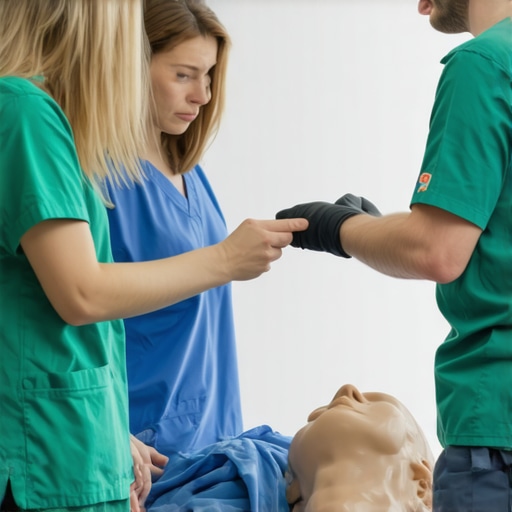
The silence after the storm
The smell of industrial floor cleaner and the hum of a flickering vending machine are the only things keeping me company at 3 AM. I’ve spent years patrolling these empty hospital corridors and silent warehouses, watching how the world changes when the lights go dim. I have seen people collapse, their bodies gripped by the electrical storm of a seizure, and I’ve noticed a dangerous pattern. Most folks think the crisis is over when the shaking stops. They are wrong. Post-ictal safety is about the twenty to sixty minutes of confusion that follow the event. If you aren’t prepared for the reboot period, you’re missing the most dangerous window for injury.
Editor’s Take: The post-ictal phase is a high-risk recovery window where aspiration and respiratory distress are common. Implementing structured watch drills ensures the patient remains safe while their brain transitions from a state of total exhaustion back to conscious awareness.
Metabolic debt and the brain’s recovery
When a seizure ends, the brain is like a computer that just had its power cord ripped out. It is in deep metabolic debt. Observations from the field reveal that the brain’s demand for oxygen spikes during this phase, even while the body’s physical drive to breathe might be suppressed. This isn’t just a period of sleep; it is a physiological blackout. The cells are trying to rebalance their chemistry while the person remains in a fog. In my years on the night shift, I’ve learned that a person in this state can’t follow commands. They might look at you, but the lights aren’t fully on yet. A recent entity mapping of seizure recovery shows that maintaining a clear airway via the recovery position is the single most effective way to prevent post-seizure complications. You have to turn them on their side. No exceptions. No delays. Gravity is your only friend when someone is too confused to swallow or clear their own throat.
Arizona heat and the concrete burn
If you are standing on the corner of Main Street in Mesa or walking through a parking lot in Gilbert, you aren’t just fighting the seizure. You are fighting the environment. During my rounds in the Phoenix metro area, the heat is a physical weight. If someone has a seizure on the pavement here in July, the post-ictal phase happens on a surface that can reach 150 degrees. Watch drills in 2026 must account for thermal injury. A person who is post-ictal won’t feel the skin on their arm blistering against the asphalt. Local safety protocols now suggest that moving the patient to a shaded area or getting a thick moving blanket underneath them is just as vital as the medical recovery itself. Check the map below for local emergency response centers in the Mesa area to understand your proximity to advanced care during a heat-related event.
Handling the post-ictal panic response
Messy realities often contradict the clean advice you find in textbooks. One of those realities is post-ictal combativeness. It isn’t malice. It is primal fear. I’ve seen a grown man try to climb a security fence because his brain convinced him he was being hunted. When you try to restrain someone in this state, you trigger a fight-or-flight response that they cannot control. The drill here is simple but hard to do: The Step-Back Method. Give them a six-foot perimeter. If they aren’t heading toward traffic or a flight of stairs, let them move. Touching them can lead to a struggle that increases their heart rate and spikes their body temperature. You are a ghost, not a guard. Just keep them within your sight until they can tell you their name and the current year. For more on managing high-stress medical emergencies, consult the resources at The Epilepsy Foundation.
Modern tools versus traditional watch drills
Technology in 2026 gives us fancy watches and skin patches that alert our phones, but a piece of plastic cannot prevent a person from choking. High-end sensors are great for the initial alert, but the human element is what prevents a fatality during the recovery. We see a lot of people relying too heavily on apps while forgetting the basic physical checks. Here are the five questions every watch drill must answer during the recovery window. 1. Is the airway clear and the person on their side? 2. Is the environment safe from extreme heat or sharp edges? 3. Is the person breathing at a steady rhythm? 4. Are you prepared for a secondary seizure? 5. Do you have a clear timeline of how long they have been unconscious? If you can’t answer these, the technology is useless. For those looking to integrate these drills into a broader safety plan, our Emergency Protocol guide and Seizure First Aid manual offer specific checklists for workplaces.
The long walk back to clarity
The night is finally ending, and the sun is starting to hit the peaks of the Superstition Mountains. Safety is a quiet, thankless job. It’s about being there when the fog finally clears for someone who didn’t even know they were lost. If you take anything from my shift, let it be this: don’t walk away the moment the shaking stops. Stay for the silence. Stay for the recovery. That is where the real work of saving a life happens. Be the person who keeps watch until the light comes back on.