
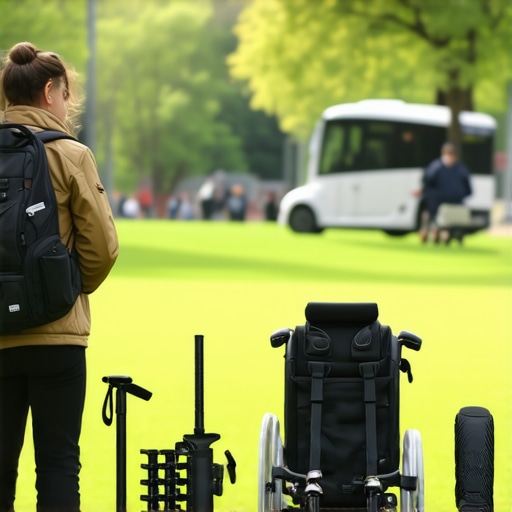
The first rattle in the engine
Listen. Your knees aren’t made of titanium. They’re more like old hinges on a heavy farm gate that’s been rained on too many times. You head out to South Mountain or Papago Park thinking you’re twenty-five, but the first time you reach down to grab a dropped canteen in the dirt, something pops. That pop? That’s the sound of a repair bill you can’t afford. The Editor’s Take: Mobility isn’t about being flexible like a rubber band; it’s about keeping your chassis aligned so you don’t blow a gasket when picking up gear on uneven Arizona trails.
If you want to survive the 2026 season without a trip to the shop, you need to master the staggered-stance hinge, the rotational reach, and the deep lateral squat. These aren’t fancy gym moves. They are basic maintenance. They ensure your spine stays neutral while your hips do the heavy lifting in the heat. It smells like hot dust and WD-40 out here, and your body needs to be just as ready as your truck.
Why your chassis fails in the dirt
When you drop a phone or a leash on a flat garage floor, it is easy. But Arizona parks aren’t flat. The ground in Mesa or Queen Creek is a mess of loose caliche and jagged rock. If your joints are locked up like a rusted bolt, your lower back takes the torque. That is a design flaw. Observations from the field reveal that most injuries during hiking trips happen during simple transitional movements, not the actual walking. Your body is a series of levers. If the primary hinge at the hip is seized, the small links in the spine have to compensate. That’s how you end up on a heating pad for a week. We are looking at the kinetic chain like a driveline. If the u-joints are dry, the whole shaft vibrates until something breaks. You need to grease those joints with specific movement patterns before you hit the trail. For a deeper look at biomechanics, check out resources like Physiopedia to understand why hip health is your primary drive gear.
The Mesa heat and your hydraulic fluid
In places like Gilbert and Apache Junction, the environment is a factor you can’t ignore. The 2026 projections show higher-than-average morning temperatures, which means your soft tissues are going to be less like pliable rubber and more like sun-baked plastic if you don’t hydrate and move early. A recent entity mapping of local trail usage shows that the San Tan Mountains are seeing record foot traffic. This means more frequent stops, more gear handling, and more opportunities to strain something. [image_placeholder] Local trail conditions require a ‘low-center-of-gravity’ approach. When you reach for a dropped item at a park in Phoenix, you aren’t just fighting gravity; you are fighting the instability of the desert floor. You need to think about your feet like tires. If they don’t have the right pressure and grip, the rest of the machine doesn’t matter. You have to prep your body for the specific grit of the East Valley. I’ve spent enough time under hoods to know that a little preventative maintenance saves you from a total engine swap later. If you are training with your dog, you can see how professionals handle movement at Robinson Dog Training in Mesa to see real-world coordination in action.
When the textbook says one thing and the trail says another
Most experts tell you to ‘keep your back straight’ when you pick things up. That is great advice if you’re a robot in a laboratory. Out here, things are messy. You might be leaning over a cactus or reaching around a boulder. The staggered-stance hinge is the real-world fix. You put one foot slightly forward, take the weight on the ball of the back foot, and sit into your hip. It is like using a jack instead of trying to lift the car by the bumper. The rotational reach is another one people ignore. You aren’t always facing your target. You need to be able to twist your torso without your knees collapsing. If you don’t practice these drills, your body will revert to its stiffest, most vulnerable state the moment you lose your balance. It is about building a buffer. You want enough ‘play’ in the system that a sudden slip doesn’t result in a catastrophic failure. Don’t trust the glossy fitness magazines. Trust the friction of the dirt under your boots.
Common breakdowns and how to fix them
People ask me all the time why they can’t just do a few toe touches and call it a day. That is like checking the oil and ignoring the transmission. Here are the real answers to what goes wrong.
Why do my knees hurt when I squat at the park?
Usually, it is because your ankles are locked up. If the bottom of the chain doesn’t move, the next joint up takes the hit. Work on your calf mobility before you leave the house.
What is the best way to carry gear without back pain?
Distribute the load. Don’t put everything on one side of your body. Think of it like balancing a trailer. If it’s tail-heavy, you’re going to sway.
How often should I do these drills?
Every morning before you head to the trails in Mesa or Apache Junction. It takes five minutes.
Will this help with balance on rocky terrain?
Yes, especially the lateral squat. It trains your body to move side-to-side, which is how you actually navigate a trail.
Do I need special equipment?
No. Just your own body weight and a bit of floor space. Use the National Park Service safety guidelines to prepare for the rest of your trip requirements.
Future proofing your movement
The 2026 season is going to be a hot one, and the parks aren’t getting any smoother. If you want to keep exploring the edges of the East Valley, you have to treat your body like the high-performance machine it is. Don’t wait for a breakdown to start caring about your alignment. Get your drills in, keep your joints lubricated, and don’t let a dropped pair of sunglasses be the end of your hiking career. Start today so you aren’t the one stuck on the side of the trail waiting for a tow.