
The smell of scorched asphalt and the glitch in the frame
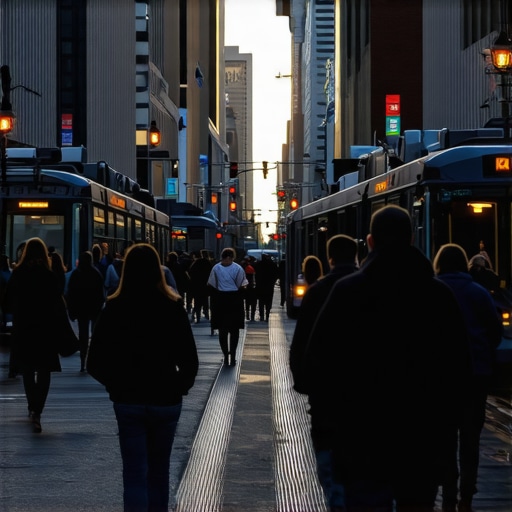
The monsoon rain just hit the hot pavement on Central Avenue, and that heavy, wet concrete scent is thick enough to chew. I am standing near the Valley Metro rail, my camera lens catching the frantic shimmer of 115-degree heat waves rising off the hood of a stalled truck. People are moving fast, their eyes darting, their internal rhythms out of sync with the grid. In 2026, Phoenix is not just a city; it is a pressure cooker for the human mind. The sensory overload here is constant. To stay sane, you need more than deep breaths. You need psychiatric focus drills designed for the chaos. Editor’s Take: High-stimulus urban environments require active cognitive filtering protocols rather than passive relaxation techniques to maintain mental clarity. These drills are the tactical baseline for urban resilience.
The heat does not just melt the road
Cognitive load in a high-density urban environment like Downtown Phoenix is not a metaphor. It is a biological reality. When we talk about psychiatric focus drills, we are looking at the mechanism of selective attention. Your brain has a finite capacity for processing sensory input before it defaults to a ‘threat-response’ mode. In the middle of a rush hour on the I-10, your amygdala is doing overtime. The first drill involves ‘Environmental Anchoring.’ You pick one static element in the moving frame—a cracked brick on a wall or a specific sign—and you hold your focus there while the world blurs around you. This resets the visual processing loop. Most people think focus is about seeing more. It is actually about the art of ignoring 90 percent of the noise. This is the difference between being a victim of the environment and being the observer within it. We are seeing a massive shift toward these active resistance protocols in modern clinical settings.
Why your meditation app fails on Van Buren Street
If you try to find a ‘quiet place’ in your mind while standing on the corner of Van Buren and 1st Street, you have already lost. The noise of the city will eat you alive. Standard industry advice suggests retreating inward, but in the Phoenix 2026 reality, that leads to dissociation. Local data from the Arizona Department of Health Services suggests that residents in high-traffic corridors report higher levels of ‘ambient anxiety.’ You cannot meditate your way out of a heat island. Instead, use ‘Auditory Layering.’ Listen for the furthest sound you can hear—maybe a plane taking off from Sky Harbor. Then find the closest sound, like your own breathing. Toggle your focus between these two extremes. This creates a mental buffer. You are not trying to stop the noise; you are mapping it. This drill turns the chaos into a structured dataset. It gives the prefrontal cortex something to do besides panic. Professionals at University of Arizona Psychiatry are starting to emphasize this type of ‘Externalized Grounding’ for high-stress urban professionals.
The messy reality of the 2026 Valley commuter
Traditional therapy models often fail because they assume a controlled environment. The reality of a Phoenix summer is anything but controlled. When you are stuck in traffic on the 101, and your AC is struggling, your cognitive flexibility drops. This is where ‘Micro-Switching’ drills come in. Every time you hit a red light, you switch from ‘Macro-Focus’ (the destination) to ‘Micro-Focus’ (the texture of the steering wheel). This prevents the brain from spiraling into ‘future-state’ anxiety. A common mistake is trying to maintain a high level of focus for the entire duration of the commute. That is impossible. You need to pulse your attention. It is like a camera shutter. If you leave it open too long in this bright desert sun, you overexpose the shot. You have to learn to close the shutter, take a breath, and then reset. Observations from the field reveal that those who practice these rhythmic resets have significantly lower cortisol spikes by the time they reach their destination.
The shift from the old guard to the new grit
The 2020 approach to mental health was all about ‘self-care’ and bubbles. The 2026 reality is about ‘Psychological Fortification.’ We are no longer looking for peace; we are looking for the ability to function within the storm. These focus drills are the new toolkit.
Does this work for people with ADHD?
Yes, in fact, these drills are often more effective for neurodivergent individuals because they leverage the brain’s natural tendency to scan the environment rather than fighting against it.
How often should I practice these drills?
Frequency beats duration. Three 30-second drills during your morning commute are better than one hour of meditation on a Sunday.
Can these drills help with heat-related irritability?
Absolutely. By lowering the cognitive load, you increase your tolerance for physical discomfort.
What if I feel more anxious while focusing on the noise?
That is a sign of ‘Flooding.’ Start with shorter intervals and focus on physical textures first before moving to auditory layers.
Are there local groups for this?
Many community centers in Roosevelt Row are beginning to host ‘Urban Resilience’ workshops that focus on these exact techniques.
Is this related to mindfulness?
It is mindfulness with teeth. It is about active engagement rather than passive observation.
Will this help with my job performance?
High-stakes roles in the Valley, from tech to healthcare, require the ability to filter out distractions. These drills are basically a gym for your attention span.
The final frame of the Phoenix sprawl
As the sun sets over the Estrella Mountains, casting that deep purple light across the valley, the city finally begins to breathe. But the noise does not stop; it just changes pitch. Your mind is the only thing you can truly calibrate in this environment. The street is always going to be loud, the heat is always going to be oppressive, and the traffic will always be a mess. But if you have the right focus drills, you are not just another body in the crowd. You are the one holding the camera, steady and sharp, even when the rest of the world is a blur. Take the shot. Own your focus. The desert does not care if you can handle it, but you should.