
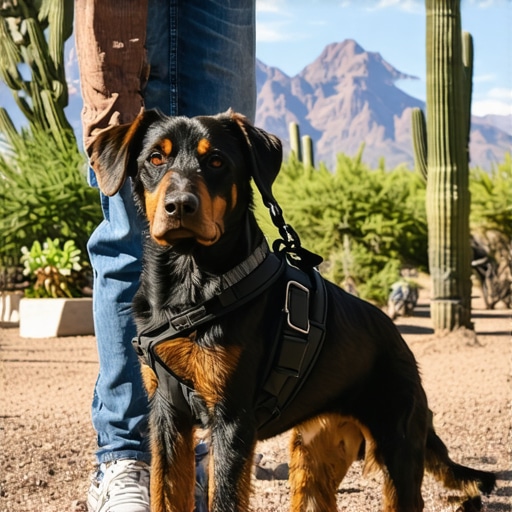
Unlocking the Secrets of Owner-Trained Service Dogs in Arizona: A 2024 Perspective
In the vibrant landscapes of Arizona, the journey of training a service dog owned by its handler is both a rewarding and complex endeavor. As we step into 2024, understanding the latest proven strategies for owner-trained service dogs can make a significant difference in their effectiveness and the quality of life they provide. This article explores expert insights, innovative techniques, and practical tips tailored for Arizona’s unique environment and legal landscape.
Why Owner-Trained Service Dogs Are Gaining Momentum in Arizona
Owner training offers a personalized approach, enabling individuals with disabilities to forge a deep bond with their service dogs. In Arizona, where outdoor activities and diverse terrains are part of daily life, customizing training to suit local conditions is crucial. According to the American Kennel Club, owner-trained service dogs can be just as effective as professionally trained ones when guided by proper techniques and consistent practice.
Core Strategies for Effective Owner-Training in 2024
Harnessing Positive Reinforcement for Lasting Behavior
At the heart of successful owner training lies positive reinforcement. Reward-based methods encourage desirable behaviors, making training sessions engaging and productive. For example, using treats, praise, or play as rewards helps the dog associate commands with positive outcomes, which is especially vital in Arizona’s varied climate where outdoor training is common.
Adapting to Arizona’s Unique Environment
Arizona’s climate poses specific challenges, such as intense heat and rugged terrains. Training in these conditions requires acclimating the dog gradually and ensuring they are comfortable in different settings. Incorporating outdoor exercises during cooler times of the day and using local landmarks for training can enhance the dog’s adaptability and reliability.
How to Ensure Legal Compliance and Ethical Training
Incorporating legal knowledge is vital. Arizona recognizes the rights of service animals under the Americans with Disabilities Act (ADA), but owners must ensure their training methods are ethical and within legal boundaries. Proper documentation, ongoing education, and adherence to federal and state laws are essential for owner-trained service dogs to be recognized and accepted in public spaces.
What Are the Common Challenges and How to Overcome Them?
Challenges such as distraction in busy environments or difficulty in generalizing commands are typical. Expert trainers recommend consistent training routines, exposure to different environments, and patience. Engaging with local training communities or organizations like Service Animal Resources can provide additional support and guidance.
For those interested in exploring Arizona’s top dog training centers, Arizona Dog Training offers specialized programs tailored to owner trainers, emphasizing practical skills and legal compliance.
Ready to deepen your understanding of owner-trained service dogs? Share your experiences or ask questions in the comments below, and join a community dedicated to empowering individuals through well-trained service animals.
Deepening Your Connection: Building Trust in Owner-Trained Service Dogs
One of the most rewarding aspects of owner training is fostering a bond rooted in trust and mutual understanding. As an owner, your consistent presence and calm demeanor significantly influence your dog’s behavior and confidence. I recall a client who, through patience and gentle guidance, transformed their anxious pup into a steady service companion. This process underscores the importance of emotional connection—when a dog feels safe with their handler, training becomes a natural extension of your relationship.
Integrating Advanced Commands for Real-World Readiness
Beyond basic obedience, teaching your dog complex commands tailored to your daily needs enhances their independence and effectiveness. For example, incorporating tasks like retrieving specific items or navigating crowded spaces can be invaluable. I suggest practicing these commands in diverse environments to ensure your dog generalizes their skills. This approach aligns with findings from the American Psychological Association, which emphasize the importance of varied stimuli in training for real-world adaptability.
What Are the Ethical Considerations When Training a Service Dog?
Ethical training is paramount, especially when owner training. Respecting your dog’s physical and emotional limits, avoiding punishment-based methods, and prioritizing their well-being are essential. The ADA clarifies that training should be humane and positive. I recommend consulting reputable resources, such as the International Association of Assistance Dog Partners, to stay informed about ethical standards and best practices.
How Can You Overcome Specific Training Obstacles?
Many owner-trainers face hurdles like inconsistent progress or environmental distractions. Patience, consistency, and a structured routine are your best tools. For instance, if your dog struggles with public places, gradually increase exposure while maintaining positive reinforcement. Engaging with local support groups or experienced trainers can provide personalized strategies. Additionally, using embedded training tools like ” can help simulate real environments during training sessions.
Are You Curious About How to Tailor Training to Your Lifestyle?
Every handler’s needs are unique, and customizing your training plan can make all the difference. Whether you’re navigating urban settings or remote terrains, understanding your specific challenges allows you to adapt techniques effectively. Remember, the key is patience and persistence—progress might be gradual, but each step forward is a victory. If you’re eager to share your experiences or ask questions, I encourage you to comment below and become part of a community dedicated to empowering individuals through well-trained service animals.
Mastering Complex Commands for Enhanced Independence in Owner-Trained Service Dogs
In the quest for creating truly reliable service animals, mastering complex commands is a pivotal step. These commands go beyond basic obedience, enabling your dog to perform nuanced tasks tailored to your specific needs. For example, teaching a dog to retrieve a designated medication from a specific location or to navigate through crowded environments requires a deep understanding of both canine cognition and environmental management. Incorporating these advanced commands necessitates a phased training approach, starting with simple tasks and progressively increasing complexity while maintaining a consistent reinforcement schedule. Research indicates that dogs trained with a focus on task-specific skills show greater independence and confidence, especially in unpredictable settings (Source: Journal of Assistance Dog Training).
Neuroplasticity and Its Role in Owner-Training: Unlocking Your Dog’s Learning Potential
Understanding neuroplasticity—the brain’s ability to reorganize itself—can dramatically enhance your training effectiveness. By designing training routines that challenge your dog’s cognitive flexibility, you can facilitate faster learning and better retention of complex tasks. Techniques such as varied training environments, novel stimuli, and problem-solving exercises stimulate neural pathways, reinforcing your dog’s adaptability. For example, introducing unexpected changes in command cues or environment cues helps your dog generalize commands across different contexts, which is crucial for real-world application. Scientific studies, such as those published in Applied Animal Behaviour Science, demonstrate that engaging a dog’s cognitive faculties promotes resilience and reduces behavioral issues stemming from environmental stressors.
Addressing Nuanced Legal and Ethical Considerations in Advanced Owner Training
As you escalate the complexity of training, it becomes imperative to stay vigilant about legal and ethical standards. Arizona’s regulations under the ADA emphasize humane training methods, prohibiting any form of punishment or aversive techniques. Moreover, documentation of your training process, including progress logs and certification from reputable organizations like the International Association of Assistance Dog Partners, can safeguard your rights in public spaces. Ethically, prioritizing your dog’s well-being involves recognizing signs of stress or fatigue and adjusting training accordingly. This balanced approach ensures your service dog remains healthy, motivated, and compliant with legal standards.
Can You Integrate Cognitive Enrichment Strategies Into Daily Training?
Absolutely. Cognitive enrichment activities—such as puzzle toys, scent games, and problem-solving tasks—stimulate your dog’s mental faculties, making training sessions more engaging and effective. These activities not only reinforce learned behaviors but also promote emotional well-being, reducing anxiety and behavioral issues. For instance, integrating scent-based tasks during outdoor training leverages your dog’s natural instincts, fostering confidence and independence. Research from the Journal of Animal Behavior highlights that dogs engaged in enrichment activities exhibit higher levels of focus and reduced stress, which translates into more successful training outcomes.
If you’re eager to deepen your expertise, consider exploring specialized workshops or consulting with certified canine behaviorists. Sharing insights and techniques with a community of dedicated handlers can accelerate your progress and help tailor training strategies to your unique lifestyle needs. Remember, advanced training is not just about commands but about building a resilient, adaptable partnership that empowers your independence and enhances your quality of life.
Harnessing Cutting-Edge Techniques for Owner-Training Success in Arizona’s Unique Terrain
In 2024, the landscape of owner-trained service dogs in Arizona continues to evolve, driven by advances in canine cognition and environmental adaptation. Leveraging innovative methods like scent training, environmental enrichment, and neuroplasticity-focused routines can significantly enhance your dog’s ability to perform complex tasks reliably. Incorporating these techniques ensures your service dog not only meets legal standards but excels in real-world scenarios, whether navigating urban environments or rugged outdoor terrains.
How Can Advanced Cognitive Training Elevate Your Service Dog’s Performance?
Engaging your dog’s cognitive faculties through problem-solving exercises and varied stimuli fosters resilience and independence. Techniques such as scent discrimination puzzles and obstacle navigation harness the natural instincts of your dog, deepening their understanding of commands and environmental cues. Scientific research, including findings published in Applied Animal Behaviour Science, confirms that cognitively enriched training accelerates learning and retention, essential for high-stakes service roles.
What Are the Benefits of Neuroplasticity-Driven Training Approaches?
Neuroplasticity—the brain’s capacity to reorganize itself—can be harnessed through deliberate, varied training routines. By systematically challenging your dog with new environments, stimuli, and tasks, you promote neural growth and adaptability. This approach is particularly beneficial in Arizona’s diverse climate, helping your dog generalize skills across different settings and reduce environmental stress. Implementing these strategies can make your service dog more adaptable, confident, and effective in performing nuanced tasks.
Legal and Ethical Considerations for Advanced Owner Training in Arizona
As your training progresses, maintaining adherence to legal standards set by the ADA and local regulations is paramount. Documenting your training process, utilizing reputable certification programs like those from the International Association of Assistance Dog Partners, and ensuring humane, reward-based methods safeguard your rights and your dog’s welfare. Ethical training practices not only comply with regulations but foster a trusting, positive relationship, essential for high-level service work.
Can Incorporating Enrichment Activities Transform Your Training Outcomes?
Absolutely. Cognitive enrichment activities such as scent games, puzzle toys, and environmental challenges stimulate your dog’s mental agility, reducing stress and increasing focus. Integrating these into daily training enhances your dog’s problem-solving skills and emotional resilience, resulting in more reliable performance in unpredictable settings. According to the Journal of Animal Behavior, mentally stimulated dogs demonstrate higher motivation and better task generalization, which are critical for service roles.
To elevate your training, consider consulting with certified canine behaviorists or participating in specialized workshops. Sharing insights with a community of experienced handlers can provide tailored strategies that address your specific environment and needs, ensuring your service dog remains a trustworthy and effective companion in all facets of daily life.
Frequently Asked Questions (FAQ)
What are the key legal considerations for owner-trained service dogs in Arizona?
In Arizona, owner-trained service dogs must comply with the Americans with Disabilities Act (ADA), which mandates humane training methods and public access rights. Proper documentation and adherence to federal and state laws are crucial to ensure your dog is recognized as a legitimate service animal and can accompany you in public spaces without issues.
How can I effectively train my service dog to handle Arizona’s outdoor environments?
Effective training involves gradual exposure to various terrains and weather conditions, training during cooler parts of the day to avoid heat stress, and using local landmarks for navigation. Positive reinforcement and environmental acclimation are essential to build your dog’s confidence and reliability in outdoor settings.
What advanced commands should I teach my service dog for daily independence?
Beyond basic obedience, commands like retrieving specific items, opening doors, or navigating crowded areas are invaluable. Incorporate task-specific training with real-world scenarios to ensure your dog can perform these commands reliably in diverse situations.
How does cognitive enrichment improve my service dog’s performance?
Cognitive enrichment activities such as scent puzzles and problem-solving exercises stimulate neural development, enhance focus, and foster resilience. These mental challenges help your dog adapt to unpredictable environments and perform complex tasks more effectively.
What ethical practices should I follow when owner-training my service dog?
Always prioritize your dog’s well-being by avoiding punishment-based methods, respecting their physical and emotional limits, and ensuring positive, reward-based training. Consulting reputable organizations like the International Association of Assistance Dog Partners can provide guidance on ethical standards.
How can neuroplasticity principles be integrated into training routines?
Incorporate varied environments, novel stimuli, and problem-solving tasks to promote neural growth and adaptability. These practices accelerate learning and help your service dog generalize skills across multiple settings, making them more dependable in real-world situations.
What resources are available for owner-trained service dog training in Arizona?
Local training centers such as Arizona Dog Training offer specialized programs, and support groups or organizations like Service Animal Resources provide guidance. Connecting with certified trainers and community groups can enhance your training journey.
Trusted External Sources
- American Kennel Club (AKC): Offers comprehensive guidelines on service dog training techniques and legal rights, ensuring best practices aligned with current standards.
- Arizona Department of Health Services: Provides state-specific regulations and health guidelines pertinent to service animals and owner training programs.
- International Association of Assistance Dog Partners (IAADP): Supplies ethical standards, certification resources, and advanced training strategies for service dog handlers.
- Journal of Assistance Dog Training: An academic publication featuring research on effective training methods, neuroplasticity, and behavioral science related to assistance dogs.
- U.S. Department of Justice – ADA Guidelines: The authoritative source for federal regulations ensuring legal compliance and rights of service dog handlers in public spaces.
Conclusion
Mastering the art of owner training for service dogs in Arizona in 2024 combines legal knowledge, advanced training techniques, and ethical practices. By leveraging positive reinforcement, cognitive enrichment, and environment-specific strategies, handlers can develop highly reliable service animals capable of performing complex tasks and adapting to diverse settings. Staying informed through reputable sources and community engagement enhances your training effectiveness and ensures compliance with legal standards. Ultimately, a well-trained, ethically guided service dog can significantly improve your independence and quality of life. Share your experiences, ask questions, and continue exploring expert content to deepen your understanding and foster a strong, trusting partnership with your service dog.
This article really highlights the importance of tailored training approaches in Arizona’s unique climate and terrain. I’ve been working with my service dog in the Phoenix area, and I found that training during early mornings or late evenings makes a huge difference during the hot months. The emphasis on positive reinforcement and gradual environmental exposure resonates with my experience — consistency and patience are key. I particularly appreciate the mention of neuroplasticity, which I’ve read about in recent studies. It’s fascinating to see how cognitive exercises can accelerate learning and improve a dog’s adaptability. I do wonder, for those who’ve successfully incorporated scent training or puzzle activities into daily routines, what challenges did you face and how did you overcome them? Also, are there specific local resources or workshops in Arizona that focus on these advanced techniques? Looking forward to hearing more from this community on balancing practical training with emotional bonding.
This post really emphasizes the critical balance between environmental adaptation and ethical training, especially in a challenging climate like Arizona. I’ve found in my own experience that acclimating a dog to outdoor conditions gradually not only builds their confidence but also ensures safety—especially during peak summer heat when outdoor training can be risky. I’ve incorporated scheduled sessions during cooler parts of the day and used cooling vests to help my service dog stay comfortable. From your perspective, how do you recommend handling situations where a dog temporarily shows stress or fatigue during complex training routines? Also, I’m curious—does anyone have experience with local Arizona-based trainers or workshops that specialize in neuroplasticity-focused training or scent work? It would be great to connect with community resources that tailor advanced techniques specifically for our environment. I believe that a personalized, patient approach really pays off in building a dependable partnership, especially when combined with continuous mental stimulation.