
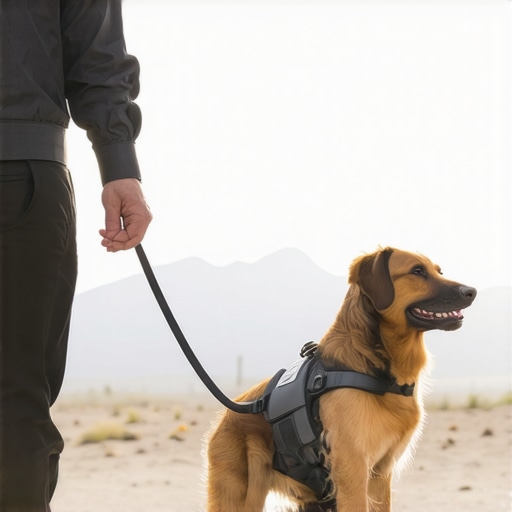
Why Owner-Trained Service Dogs Matter in Arizona’s Changing Landscape
Arizona has become a hotspot for individuals seeking highly trained service dogs tailored to their specific needs. Unlike traditional programs, owner-trained service dogs offer personalized training that often results in stronger bonds and better understanding between handler and dog. As more people turn to this approach, understanding the fundamentals becomes essential for success in 2024.
Understanding the Basics of Owner-Trained Service Dogs
An owner-trained service dog is a canine that receives its training primarily from its handler rather than through a professional organization. This method requires dedication, consistency, and a clear understanding of both canine behavior and legal requirements. Many owners find that personalized training helps address unique challenges and creates a deeper trust with their dogs.
What Are the Main Benefits of Training Your Own Service Dog?
Training your own service dog fosters a level of control and customization that off-the-shelf programs cannot match. Owners can focus on specific tasks, tailor behavior modifications, and ensure that the training aligns perfectly with their daily routines. Moreover, this approach often costs less and promotes a sense of achievement, strengthening the bond between handler and animal.
What Do You Need to Know to Start Training a Service Dog in Arizona?
First, understanding state and federal laws governing service dogs is critical. Arizona follows the Americans with Disabilities Act (ADA) guidelines, allowing trained service animals in most public spaces. Additionally, you’ll need access to quality training resources, local expert support, and a well-selected dog suited for service work, considering age, temperament, and health.
Training spaces should be accessible and safe, preferably with opportunities for real-world practice. You might also explore local training programs or online platforms catering to owner-trainers, like those providing step-by-step guidance on obedience, task training, and socialization.
Deep Dive: Advanced Training Techniques and Common Pitfalls
For those already familiar with basic owner training, exploring advanced methods can significantly enhance your service dog’s performance. One key aspect is behavior shaping, which involves reinforcing desired behaviors through selective praise and consistency. This technique demands patience but results in more reliable task execution.
Implementing Distraction Training
To ensure your service dog performs reliably in busy environments, it’s essential to incorporate distraction training. Gradually introduce stimuli such as loud noises, different scents, or nearby crowds, and practice maintaining focus. Use a structured proofing process to simulate real-world challenges, reinforcing your dog’s resilience.
Misconceptions in Owner-Based Training
- Myth: Only professional trainers can produce effective service dogs.
- Reality: With proper knowledge, dedication, and resources, owner-trained dogs can perform at a professional level tailored to individual needs.
- Myth: Training must be intensive and lengthy.
- Reality: Well-structured, consistent sessions, even if shorter, can yield excellent results.
Step-by-Step Guide to Advanced Task Training
For handlers looking to teach complex tasks, follow these steps:
- Identify Specific Needs: Clarify which tasks are essential, such as medical alert or mobility assistance.
- Break Down Tasks: Decompose each task into smaller, manageable behaviors.
- Use Heavy Reinforcement: Reward each successful component to build the complete behavior.
- Practice in Varied Settings: Generalize skills across environments for consistency.
Consistency and patience are critical when teaching complex behaviors. Log progress and adjust training plans as needed.
Legal Considerations and Documentation
Ensure your training aligns with ADA regulations by maintaining accurate documentation of your dog’s tasks, training sessions, and certifications if applicable. This not only affirms your dog’s status but also demonstrates compliance during inspections or disputes.
Be aware of Arizona-specific laws regarding service animals, especially when traveling or licensing your dog. Regular updates through local advocacy groups or legal resources can help prevent inadvertent violations.
Resources and Community Support
Joining online forums, local support groups, and training communities can provide ongoing guidance and encouragement. Platforms like Service Dog Training Community offer peer support, expert advice, and shared resources. Additionally, visiting organizations such as Arizona Dog Training can offer tailored workshops to refine your skills.
Exploring the Latest Trends in Owner-Trained Service Dog Programs
As the landscape of service dog training continues to evolve, innovative approaches such as positive reinforcement-based methods and technology-assisted training are gaining popularity among Arizona owners. Utilizing smartphone apps for tracking progress or online tutorials ensures consistency and helps owners stay engaged throughout the training journey.
Embracing Technology in Dog Training
Modern training tools like clicker devices, remote collars, and specialized apps enable precise communication and reinforce desired behaviors effectively. These technologies allow owners to monitor training at different times and reinforce learning during daily routines, making owner training more flexible and efficient.
Future Trends: Canine Socialization Innovations
Upcoming trends focus on enhanced socialization techniques, including virtual reality scenarios that simulate public environments. These innovations provide safe and controlled settings for dogs to learn appropriate social responses, preparing them more thoroughly for real-world interactions.
Why Community Support Is Vital in Advanced Owner Training
Joining local and online communities offers invaluable peer support, resource sharing, and motivation. Participating in workshops, webinars, or forums dedicated to owner-trained service dogs helps handlers stay updated on best practices and emerging tools, ensuring continuous improvement and success in their training endeavors.
Frequently Asked Questions
How long does it typically take to train an owner-trained service dog?
The training duration varies based on the dog’s age, temperament, and the specific tasks needed, but generally ranges from several months to a year with consistent effort.
Are there legal requirements I must meet to have an owner-trained service dog in Arizona?
Yes, understanding and complying with ADA regulations is essential. Proper documentation of training and tasks can also support your dog’s recognition as a service animal.
Can I train multiple tasks for my service dog?
Absolutely. Many owner-trainers teach their dogs a range of tasks tailored to their unique needs, enhancing the dog’s usefulness and the handler’s independence.
What resources are recommended for owner-trained service dog training in Arizona?
Reputable sources include online platforms like Service Dog Training Community and local organizations such as Arizona Dog Training.
The Bottom Line
Owner-trained service dogs offer a personalized, cost-effective, and emotionally rewarding alternative to traditional training programs. With dedication, the right resources, and an understanding of legal obligations, handlers in Arizona can forge strong bonds and develop highly effective assistance animals tailored to their lifestyle.
Get Started Today
Embark on your journey to empower yourself and your canine companion. Share your experiences, ask questions, and join a community committed to successful owner training by reaching out to organizations like Arizona Dog Training.

This article really highlights how personalized training can deepen the bond between handler and dog, which is something I truly believe in based on my own experience. I started training my service dog last year, focusing on mobility assistance, and I found that consistency and understanding canine psychology made a huge difference. The fact that owner-trained dogs can perform as well as professionally trained ones is inspiring and shows that with dedication, anyone can develop a truly effective assistance animal.
I do wonder, for those working alone without access to local trainers, what are your go-to online resources or community groups for support? Sharing strategies could really help others who are just starting out or facing challenges. Also, has anyone had success with using technology like apps or remote training tools to enhance their training efforts? It seems like these advancements could make owner training even more accessible and efficient, especially in more remote areas of Arizona.