
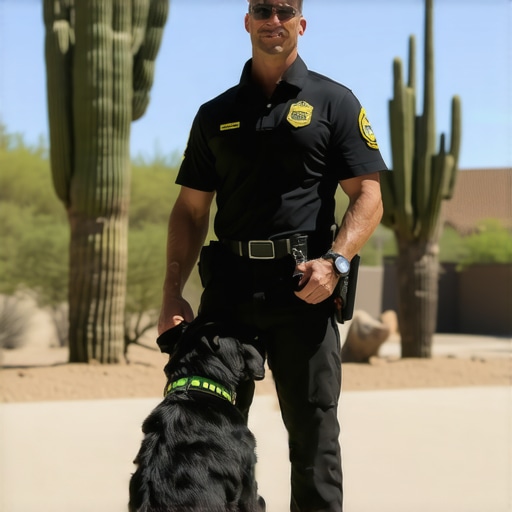
The Truth About Owner-Trained Service Dogs in Arizona
In recent years, Arizona has become a hotspot for individuals seeking highly trained service dogs. These dogs don’t just provide companionship; they offer essential support for medical conditions, mobility challenges, and emotional well-being. But what exactly sets owner-trained service dogs apart, and why are more Arizona residents turning to this option?
Understanding the Basics of Service Dog Training
Service dogs are not ordinary pets; they are specially trained to perform tasks that mitigate their handler’s disabilities. Typically, professional training programs handle this process, but increasingly, owners are taking matters into their own hands. Owner training involves a deep commitment to learning specific behaviors, socialization, and obedience techniques necessary for a service dog’s role. It’s a hands-on approach that demands time, patience, and expertise.
Legal Standards and Certification in Arizona
Arizona follows federal guidelines under the Americans with Disabilities Act (ADA), which recognizes owner-trained service dogs as legitimate when they meet certain standards. Training must emphasize behavior, socialization, and task performance. While certification isn’t legally required, many owners pursue formal assessments to demonstrate their dog’s suitability. Understanding local regulations ensures that your service dog maintains compliance and remains protected under the law.
Why Consider Owner-Trained Dogs for 2024?
Owning and training your service dog can offer advantages, including a deeper bond and tailored training specific to your needs. Moreover, partnering with local Arizona trainers or utilizing community resources can streamline the process. As the demand for highly personalized service animals grows, so does access to supportive networks and expert advice. For those interested in exploring this path, connecting with experienced trainers—like [Arizona’s top trainers](https://www.arizonadogtraining.com)—can make all the difference.
Legal Standards and Certification in Arizona
Understanding the legal landscape is crucial when training an owner-trained service dog. While the ADA offers broad protections, the nuances in Arizona law can influence your training journey. Although certification isn’t a legal requirement under federal law, obtaining a formal assessment can serve as valuable documentation of your dog’s capabilities and behavior. Local organizations, such as the Arizona Assistance Dogs Association, offer evaluations that validate your dog’s readiness to perform specific tasks and adhere to behavioral standards, helping to prevent misunderstandings in public settings.
Local Resources and Support Networks
Arizona boasts a thriving community of trainers and organizations dedicated to supporting owner training. Connecting with groups like the Arizona Service Dog Alliance can provide valuable guidance, training tips, and peer support. Workshops, seminars, and peer mentoring programs are often available, making it easier to navigate the complexities of training a service dog independently. These resources can help you develop a training plan tailored to your unique needs, ensuring your dog is both competent and well-adjusted in diverse environments.
Real-Life Success Stories
Many Arizona residents have successfully trained their own service dogs, illustrating the potential of owner training. Take, for example, Maria, who trained her Labrador to assist with her mobility challenges and emotional support after attending a local workshop. Her story highlights how committed owners can achieve remarkable results with the right resources and dedication. These personal accounts can offer motivation and practical insights, making the process less daunting. Sometimes, collaborating with local trainers can accelerate progress, especially when tackling complex tasks or behavioral hurdles.
Common Misconceptions and Advanced Training Techniques
Many aspiring owner-trainers believe that basic obedience suffices for a service dog, but to truly prepare your dog for public access and task performance, advanced skills are essential. Misjudging this can lead to misunderstandings with the public and legal challenges.
Nuances in Training Behavioral Reliability
Consistency is key. Use clicker training combined with real-world scenarios to reinforce reliability. For example, simulate distractions like loud noises or crowded environments during training sessions to ensure your dog maintains composure.
Refining Task Performance
Don’t just teach a command; teach the context. For instance, a mobility aid might require your dog to adapt to different terrains or unexpected obstacles. Tailor training to your specific environment; this is often overlooked and can cause issues during public outings.
Common Mistakes to Avoid
- Overtraining: Pushing your dog too hard can cause stress and setbacks. Keep training sessions short and focused.
- Lack of Socialization: Failing to expose your dog to diverse environments hampers their ability to behave appropriately everywhere.
- Ignoring Local Laws and Regulations: Always stay updated on Arizona-specific ADA amendments and local ordinance changes to ensure compliance.
How-to Steps for Advanced Owner Training
- Assess Your Dog’s Current Skill Level: Identify strengths and gaps in their training.
- Develop a Custom Training Plan: Incorporate specific tasks and environmental exposure tailored to your needs.
- Utilize Professional Resources: Engage with experienced trainers or attend advanced workshops to refine skills.
- Document Progress and Seek Validation: Keep detailed logs and pursue evaluations from organizations like the Arizona Assistance Dogs Association for formal recognition.
Emerging Technologies and Owner Training
Advancements in technology are revolutionizing how Arizona residents train their service dogs. Wearable gadgets equipped with GPS and activity tracking enable owners to monitor their dogs’ behavior and progress remotely, ensuring consistent training reinforcement. Virtual training platforms and apps offer step-by-step guidance, making owner-led training more accessible and efficient.
Integration of Smart Devices in Training
Smart collars and clicker devices facilitate precise timing and feedback during training sessions, enhancing learning outcomes. These tools help owners manage behavioral cues more effectively and adapt training methods based on real-time data, leading to better task performance and reliability in public settings.
Legal Developments and Certification Trends
The legal landscape in Arizona is evolving to accommodate owner-trained service dogs, with recent updates aiming to simplify certification processes and improve public understanding. New state guidelines emphasize the importance of documentation and training consistency, encouraging owners to seek formal evaluations from recognized organizations, which can bolster their dog’s accessibility rights.
The Role of Digital Certification and Portability
Digital certificates and electronic identification tags are gaining popularity, offering quick access to training credentials and behavioral standards during inspections or in public venues. This trend promotes transparency and confidence among both owners and the public, fostering a more inclusive environment for service dog users.
Community and Support Network Expansion
Arizona’s community of trainer organizations and advocacy groups is expanding its offerings, including online workshops, peer support forums, and mentorship programs designed specifically for owner-trainers. These developments provide vital resources, reduce training isolation, and promote best practices across the state.
Building a Collaborative Training Ecosystem
Collaborations between professional trainers, healthcare providers, and owner-trainers are becoming more common, creating a comprehensive support ecosystem. Such networks facilitate knowledge exchange, resource sharing, and joint training initiatives, which improve service dog quality and owner confidence in diverse environments.
Future Trends and Personalization in Service Dog Training
Personalized training programs leveraging artificial intelligence and machine learning are on the horizon, allowing owners to tailor training modules to their dog’s unique temperament and handler’s specific needs. This customization can accelerate training efficiency and enhance task mastery, ultimately improving safety and independence for individuals relying on service dogs.
The Impact of Cultural and Environmental Factors
Recognizing Arizona’s unique climate and cultural landscape influences training approaches. Emerging methods focus on acclimating dogs to extreme temperatures and diverse social settings, ensuring optimal performance and comfort in the local environment.
Enhancing Public Awareness and Education
Public education campaigns and legislation are progressing to dispel myths surrounding owner-trained service dogs. Increased awareness promotes respect, understanding, and legal compliance, empowering owners to confidently navigate public spaces with their custom-trained companions.
Why does increased awareness matter?
Enhanced public knowledge reduces misunderstandings and enhances accessibility, helping owners and their service dogs enjoy more inclusivity in Arizona’s bustling communities.
Frequently Asked Questions
Can I legally train my own service dog in Arizona?
Yes, under federal law and Arizona regulations, individuals can train their own service dogs as long as they meet behavioral and task performance standards. While formal certification isn’t mandatory, obtaining evaluations from recognized organizations can bolster your rights.
What resources are available to support owner-trained service dog programs in Arizona?
Arizona offers a variety of supportive resources, including organizations like the Arizona Service Dog Alliance and the Arizona Assistance Dogs Association, which provide training workshops, peer support, and professional guidance to owner-trainers.
How can I ensure my owner-trained service dog complies with legal standards?
Focus on thorough training emphasizing behavioral reliability, socialization, and task-specific skills. Document your training progress and seek assessments to validate your dog’s capabilities, ensuring legal protection and public acceptance.
What are emerging technologies that can aid in owner training?
Recent advancements include wearable GPS and activity trackers, smart collars, and training apps that offer real-time feedback and progress monitoring, making owner-led training more effective and accessible.
Is certification necessary for my service dog in public settings?
While not legally required, formal assessments and certifications from accredited organizations can facilitate smoother public interactions and help in legal protections, especially in complex or contested situations.
Building a Lasting Bond Through Masterful Training
Empowering yourself to train a service dog fosters a deep, trusting relationship that benefits both handler and animal. Tailoring training to your unique environment and needs, while leveraging available resources and innovative technologies, can lead to exceptional outcomes. This personalized approach not only enhances your independence but also enriches your connection with your canine partner, creating a foundation of mutual respect and reliability.
Take Action Today
Embark on your journey with confidence—connect with local Arizona trainers and support networks, stay informed about the latest legal developments, and utilize emerging technologies to optimize your training. Your dedication can transform lives and empower you to navigate the world with greater freedom and assurance.