
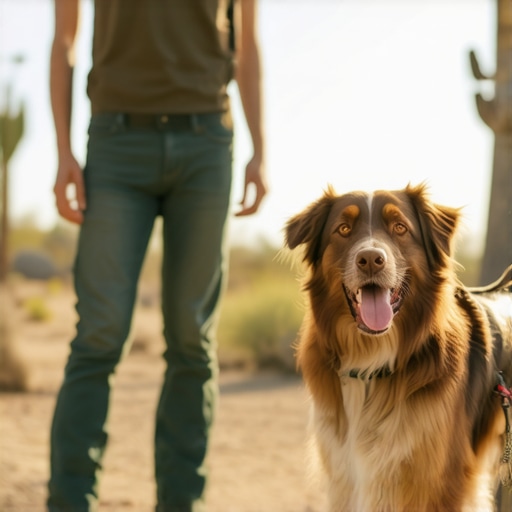
The Truth About Owner Trained Service Dogs in Arizona
Understanding the Role of Owner Trained Service Dogs
In recent years, the demand for owner trained service dogs in Arizona has surged. Individuals with disabilities increasingly seek personalized, reliable companions that can assist with daily challenges. Unlike professionally trained service dogs, owner trained animals are typically socialized and trained directly by their handlers, often leading to a unique bond and tailored behavior. This approach offers advantages such as cost savings and customized training but also demands a deeper understanding of the responsibilities involved.
What Makes a Service Dog Truly Effective?
A service dog’s effectiveness hinges on consistent training, socialization, and a clear understanding of its tasks. In Arizona, where the terrain varies from urban settings to rugged outdoor environments, training must adapt accordingly. Proper obedience, temperament, and specialized skills like med detection or mobility assistance are vital. For those considering owner training, access to expert resources and a structured plan can make the difference between success and failure.
Why Is Proper Training Essential for Success?
Proper training ensures that service dogs can accurately perform their tasks in any environment, from busy city streets to remote outdoor trails. In Arizona, where outdoor activities are common, dogs must be resilient and well-behaved in diverse settings. Handler-led training fosters a high level of trust and responsiveness, which is crucial for safety and reliability. Investing time in comprehensive, consistent training builds a foundation that benefits both handler and dog in the long run.
The Truth About Owner Trained Service Dogs in Arizona
Understanding the Role of Owner Trained Service Dogs
In recent years, the demand for owner trained service dogs in Arizona has surged. Individuals with disabilities increasingly seek personalized, reliable companions that can assist with daily challenges. Unlike professionally trained service dogs, owner trained animals are typically socialized and trained directly by their handlers, often leading to a unique bond and tailored behavior. This approach offers advantages such as cost savings and customized training but also demands a deeper understanding of the responsibilities involved.
What Makes a Service Dog Truly Effective?
A service dog’s effectiveness hinges on consistent training, socialization, and a clear understanding of its tasks. In Arizona, where the terrain varies from urban settings to rugged outdoor environments, training must adapt accordingly. Proper obedience, temperament, and specialized skills like med detection or mobility assistance are vital. For those considering owner training, access to expert resources and a structured plan can make the difference between success and failure.
Why Is Proper Training Essential for Success?
Proper training ensures that service dogs can accurately perform their tasks in any environment, from busy city streets to remote outdoor trails. In Arizona, where outdoor activities are common, dogs must be resilient and well-behaved in diverse settings. Handler-led training fosters a high level of trust and responsiveness, which is crucial for safety and reliability. Investing time in comprehensive, consistent training builds a foundation that benefits both handler and dog in the long run.
Case Studies Show Success Stories
Take the example of Sarah, a visually impaired resident in Tucson, who successfully trained her Labrador to assist with navigation. Through persistent practice and attending local workshops, she developed a tailored command set that addressed her specific needs. Her story highlights that with dedication and resources, owner-trained service dogs can be just as effective as their professionally trained counterparts, provided the handler invests the necessary effort and seeks expert guidance where needed.
Another notable example involves a mobility assistance dog trained by a veteran handler in Phoenix. Recognizing the importance of socialization in busy urban environments, this team frequented public spaces regularly, reinforcing commands and ensuring the dog remained calm amidst distractions. Such real-world experience is vital for building a dependable partnership that withstands day-to-day challenges.
Building Trust and Responsiveness
The foundation of any successful owner-trained service dog lies in fostering mutual trust. Responsive training techniques, such as positive reinforcement and gradual exposure, help establish a bond where the dog confidently responds to commands regardless of surroundings. This is especially crucial in Arizona’s varied landscapes, where unpredictable stimuli can test a dog’s focus and temperament. Handler commitment to ongoing training and socialization keeps the partnership strong and adaptable.
Advanced Training Techniques for Owner Trained Service Dogs
Implementing Evidence-Based Methods
Utilize positive reinforcement strategies rooted in behavioral science to enhance training outcomes. Consistency and clarity are key; establish clear cues and rewards to solidify desired behaviors.
Progressive Exposure and Desensitization
Gradually introduce your dog to diverse environments, stimuli, and distractions. This builds resilience and ensures the dog remains focused and calm during real-world applications, especially in Arizona’s varied terrains.
Personalized Training Plans
Design tailored programs that target your specific needs and your dog’s temperament. Regular assessment and adjustments promote continued progress and address challenges specific to outdoor or urban settings in Arizona.
Common Misconceptions About Owner Trained Service Dogs
Misconception 1: Less Effective Than Professional Training
Many believe owner trainers can’t achieve the same level of competence. With proper education, resources, and dedication, owner-trained service dogs can perform equally well.
Misconception 2: Training Is One-Time
Effective training is an ongoing process. Reinforcement, socialization, and retraining are vital for maintaining skills and adapting to changing environments.
Misconception 3: Only Formal Classes Count
Informal training, practice, and real-world experiences are equally valuable. Engage in community workshops, online courses, and social activities to supplement your efforts.
How-To Steps for Mastering Advanced Training
- Assess Your Dog’s Baseline: Understand current behavior and skills to tailor training accordingly.
- Set Clear, Achievable Goals: Define specific tasks and results expected from your dog.
- Select Appropriate Rewards: Use treats, praise, or play suitable for your dog to motivate learning.
- Incorporate Real-World Practice: Regularly train in busy, outdoor Arizona settings to build adaptability.
- Document Progress and Challenges: Keep records to identify patterns and areas needing improvement.
Emerging Trends and Innovations in Owner-Trained Service Dogs in Arizona
As the demand for personalized assistance animals continues to grow, the landscape of owner-trained service dogs in Arizona is rapidly evolving. One notable trend is the integration of technology into training methods, which enhances communication and responsiveness between handler and dog. For instance, smartphone apps now allow handlers to track training progress, set reminders for reinforcement sessions, and access instructional resources, making owner training more accessible and structured.
The Rise of Virtual Training Resources
The advent of online courses, webinars, and virtual coaching services has democratized access to expert guidance. Handlers in Arizona can now participate in comprehensive training programs remotely, overcoming geographical barriers. These resources often include video demonstrations, troubleshooting tips, and community forums where handlers can share experiences and advice, fostering a collaborative environment for owner trainers.
Wearable Tech and Smart Devices
Innovations such as smart collars and wearable sensors are beginning to play a role in service dog training. These devices can monitor a dog’s vital signs, alert handlers to stress or fatigue, and provide real-time data on behavior and activity levels. Such tools help owners customize training regimens, ensure their dogs remain healthy, and address issues proactively, leading to more effective and humane training practices.
Specialized Training for Unique Needs
Future trends also indicate a move toward highly specialized training programs tailored to individual disabilities and lifestyles. For example, dogs trained for urban navigation, outdoor resilience, or specific medical alert tasks are becoming more prevalent. Arizona’s diverse environments—urban areas, deserts, mountains—necessitate adaptable training techniques that equip dogs to handle varied stimuli and challenges.
The Role of Community and Support Networks
Community-based programs and support groups are vital in advancing owner training. Local workshops, mentorship programs, and peer networks provide invaluable hands-on experience and reassurance. These groups can also help owners navigate legal considerations, such as certification and public access rights, ensuring compliance and confidence in managing their service dogs.
Legal and Ethical Considerations
As owner training techniques advance, so too does the importance of understanding legal standards and ethical practices. Future trends emphasize transparency, proper documentation, and humane training methods. Staying informed about Americans with Disabilities Act (ADA) regulations and other local laws in Arizona ensures that owner-trained service dogs are recognized and respected in public spaces.
Impact of Recent Legislation and Policy Changes
State and federal policies are increasingly supporting owner-led training initiatives. Recent legislation promotes standardized certifications and encourages community integration. For owners, staying updated on these legal developments is crucial for safeguarding access rights and advocating for their service dogs.
Innovation in Certification and Recognition
Emerging certification programs aim to validate owner-trained service dogs’ skills, enhancing credibility and acceptance across establishments. Digital badges, credentialing apps, and official registries are streamlining recognition and proof of training, making compliance more straightforward for owner handlers.
Conclusion
The future of owner-trained service dogs in Arizona is bright, fueled by technological advancements, community engagement, and evolving legal frameworks. Harnessing these trends enables handlers to provide tailored, effective support to individuals with disabilities, fostering independence and quality of life. Staying informed and embracing innovation are key to navigating this dynamic and impactful field.
Frequently Asked Questions
Can I train my own service dog legally in Arizona?
Yes, individuals can train their own service dogs in Arizona, provided the dog meets the necessary behavioral and training standards outlined by the ADA and local laws. However, it’s important to familiarize yourself with legal requirements and ensure proper training to guarantee acceptance in public spaces.
What skills are essential for owner-trained service dogs?
Essential skills include obedience, socialization, specialized task training relevant to your disability, and resilience in diverse environments. Consistent training and social exposure are key to developing a reliable service dog.
Where can I access resources and support for owner training in Arizona?
Resources include local workshops, online training programs, veteran organizations, and community support groups. Connecting with experienced trainers and fellow handler communities can provide valuable guidance and encouragement.
How long does it typically take to train a service dog?
The training duration varies based on the dog’s temperament, complexity of tasks, and training consistency, but generally ranges from several months to over a year to achieve reliable performance.
Are there legal requirements for certifying an owner-trained service dog in Arizona?
While there is no formal certification mandated by law, having documentation of training, behavioral assessments, and adherence to ADA standards can assist in establishing the dog as a service animal and protect your rights in public settings.
The Bottom Line
Owner-trained service dogs in Arizona can be highly effective partners when trained properly, offering customized support that enhances independence and quality of life. Embracing current resources, innovative techniques, and community support paves the way for success in this rewarding journey. Staying informed about legal standards and continuously investing in training ensures your service dog remains a dependable and trusted companion.
Get Started Today
If you’re considering training a service dog in Arizona, explore local resources, connect with support networks, and begin your journey towards building a lifelong partnership. Your dedication and effort can make a profound difference in your daily life and beyond.
This article really highlights how critical tailored training and the right resources are for successful owner-trained service dogs, especially in a state as diverse as Arizona. I’ve seen firsthand how consistent socialization and real-world practice in outdoor environments can dramatically improve a service dog’s performance and resilience. The emphasis on using technology, like training apps and wearable devices, is especially promising—these tools can really empower handlers to monitor and improve their dog’s skills proactively. I also wonder how many owners are aware of legal and ethical considerations when it comes to certification and public access, and how best to navigate those. Has anyone here gone through the certification process or dealt with legal challenges while training their own service dog? I’d love to hear tips on managing those aspects while focusing on the training itself. Overall, continuous education and engagement seem vital—what are some good local Arizona resources or groups that support owner trainers effectively?
I really appreciate how this article emphasizes the importance of ongoing training and socialization in diverse Arizona environments. From my experience, training in different settings—urban, desert, mountain—really helps build a dog’s resilience and adaptability. I’ve found that consistent exposure to real-world stimuli, along with positive reinforcement, makes a huge difference in a service dog’s reliability. Managing the legal side can be challenging, especially understanding what’s needed for certification or public access rights, but tapping into local support groups or online Arizona-based communities can provide valuable guidance. I’m curious, for handlers balancing outdoor activities with training, what are some effective ways to integrate training routines without overwhelming the dog or handler? It seems like having a tailored plan and community resources are key in making owner training successful here. Would love to hear others’ tips and experiences on staying compliant and keeping training engaging in this beautiful, varied state.