
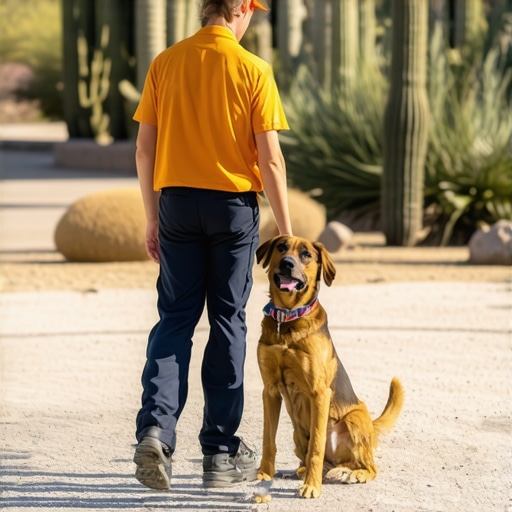
The Truth About Service Dog Training in Arizona
Building a well-trained service dog isn’t just about basic obedience. It’s a strategic process that requires understanding local environment challenges, specialized training techniques, and consistency. With Arizona’s unique climatic conditions and diverse terrain, training methods need to be tailored for success. Whether you’re a new handler or experienced trainer, knowing what works best in the Grand Canyon State can make all the difference.
Understanding the Core Principles of Service Dog Training
At its core, service dog training combines foundational obedience with specific task training. These dogs must reliably perform tasks that mitigate their handler’s disabilities, whether it’s guiding through traffic or alerting to medical emergencies. Experts agree that early socialization and consistent command reinforcement are essential steps that lay the groundwork for a dependable service animal.
Why Arizona’s Climate Shapes Dog Training Strategies
Arizona’s hot desert climate poses unique challenges for training schedules and dog health. Training sessions are often conducted in early morning or late evening to avoid heat exhaustion. Additionally, trainers must incorporate hydration strategies and protective gear, like cooling vests, into daily routines. Proper acclimatization is vital to ensure the dog remains comfortable and performs optimally in all conditions.
People Also Ask: How Do I Start Training My Service Dog in Arizona?
Starting your service dog training involves selecting the right breed and assessing your dog’s temperament. It’s advisable to work with certified trainers experienced in Arizona’s environment to develop a customized plan. Local resources, such as veteran training centers or dog training schools, offer specialized programs that can accelerate your progress and ensure compliance with legal standards.
Adapting Service Dog Training to Arizona’s Unique Environment
Beyond climate considerations, Arizona’s diverse terrains—ranging from desert landscapes to mountainous regions—demand specialized training protocols. Handling a service dog in Phoenix’s urban bustle requires different skills than in Flagstaff’s forested areas. Trainers often emphasize varied socialization routines to prepare dogs for these environments, ensuring they can navigate both crowded city streets and rugged trails confidently.
Case Study: Training for Urban Navigation
Consider Sarah and her guide dog, Max, in downtown Phoenix. To prepare Max for the city’s hustle, trainers incorporated obstacle avoidance exercises, exposure to loud noises, and crowds. These sessions often took place during busy times, helping Max become accustomed to the sensory overload typical of urban settings. Such practical training ensures that service dogs remain effective regardless of the environment.
Pro Tips for Harnessing Arizona’s Outdoors for Training
One effective approach involves utilizing local parks and open spaces early in training. Training in natural settings helps dogs adapt to unpredictable stimuli. Additionally, using terrain-specific commands—like alerting on uneven ground or near water bodies—enhances their readiness for real-world scenarios. Trainers also recommend carrying hydration supplies and cooling gear during outdoor sessions to safeguard the dogs’ health.
Moreover, trainers should consider the seasonal variations that affect outdoor training schedules. In summer months, early mornings are preferable to avoid extreme heat, while winter mornings offer cooler conditions, especially in higher elevations. Incorporating these weather-aware strategies can significantly improve training outcomes and safeguard the dogs’ well-being.
Local Resources Supporting Effective Training
Arizona hosts numerous organizations dedicated to service dog training, many of which specialize in environment-specific programs. For example, programs that focus on desert-adapted training techniques help dogs become resilient in high-heat conditions. Connecting with these organizations can provide handlers with valuable insights, up-to-date training techniques, and community support, all tailored to the Phoenix, Tucson, or Flagstaff areas.
Refining Training Methods for Optimal Results
To elevate your service dog training, focus on behavioral consistency. Reinforce commands through varied environments and distractions, ensuring your dog maintains focus and reliability. Incorporate positive reinforcement techniques like treats and praise, which foster trust and motivation during complex exercises.
Implementing Targeted Task Training
- Identify core tasks: Customize tasks based on handler needs, such as mobility assistance or medical alerts.
- Break down tasks: Divide complex behaviors into manageable steps to facilitate learning.
- Simulate real scenarios: Use environmental variables like noise, crowds, or terrain to prepare your dog for unpredictable situations.
Common Misconceptions in Service Dog Training
Many handlers believe that more training always yields better results. In reality, overtraining can cause fatigue and diminish performance. Focus on quality over quantity. Additionally, some assume that you must train your dog yourself, but working with certified professionals can accelerate progress and ensure adherence to legal standards.
Addressing Training Challenges
- Variability in dog temperament: Adapt training intensity and methods to suit individual dog’s personality and learning pace.
- Environmental factors: Regularly expose your dog to different settings to build resilience and adaptability.
- Maintaining motivation: Keep sessions engaging with rewards and short durations to prevent burnout.
Embracing Technological Innovations in Service Dog Training
As technology evolves, innovative tools like virtual reality simulations and mobile training apps are transforming how handlers and trainers approach service dog education. These advancements enable remote monitoring, real-time feedback, and exposure to diverse environments without leaving your home or training facility, making training more efficient and accessible, especially in Arizona’s vast and varied landscapes.
The Rise of Smart Collars and Wearable Tech
Smart collars equipped with GPS tracking, activity monitoring, and behavioral analytics are becoming essential in tailoring training programs. They help trainers identify stress signs, track progress, and ensure the dog’s health and safety during outdoor adventures in places like Sedona or the desert trails near Phoenix.
Future Trends: AI-Driven Behavioral Assessment
Artificial Intelligence (AI) is poised to revolutionize service dog training by providing detailed behavioral assessments, predicting training outcomes, and customizing exercises based on individual dog profiles. This personalized approach accelerates learning and improves success rates, helping dogs adapt to Arizona’s unique climates and terrains more effectively.
Understanding Eco-Friendly and Sustainable Training Practices
With increasing environmental awareness, sustainable training practices are gaining momentum. Implementing eco-friendly gear, biodegradable cleaning products, and energy-efficient facilities not only reduce ecological impact but also align with community values in Arizona communities committed to conservation.
Eco-Conscious Training Equipment
Transitioning to eco-friendly training tools, such as biodegradable treats or sustainably sourced collars, supports environmental preservation while maintaining high training standards. Local organizations are adopting these practices to showcase responsible training methods.
Outdoor Training in Natural Settings
Maximizing outdoor spaces like state parks and preserved natural areas allows trainers to conduct sessions in authentic environments, fostering adaptability in real-world scenarios. This approach also promotes mental stimulation for dogs, beneficial for emotional well-being and resilience, especially during Arizona’s extreme temperature fluctuations.
Legal and Policy Developments Impacting Service Dog Training in Arizona
Staying updated on evolving laws, such as ADA regulations and state-specific policies, is crucial. Future legislative trends aim to enhance protections for handlers and improve standards for training quality. Awareness of these changes ensures compliance and promotes professionalism within the Arizona service dog community.
Advocacy and Community Engagement
Engaging with local advocacy groups, like the Arizona Coalition for Service Animals, helps trainers and handlers stay informed about legal rights, certification processes, and accreditation programs. Active participation fosters a supportive network that encourages continuous improvement and innovation in training techniques.
Frequently Asked Questions
How long does it typically take to train a service dog in Arizona?
The training duration varies based on the dog’s breed, temperament, and the specific tasks required. Generally, comprehensive training can take anywhere from 6 months to over a year, with consistent reinforcement and socialization being key components.
Are there specific legal requirements for service dog training in Arizona?
Yes, Arizona follows federal regulations under the ADA, but local organizations may have additional certifications or assessments. Working with certified trainers familiar with state and federal laws ensures compliance and proper training standards.
What outdoor environments in Arizona are suitable for service dog training?
Natural parks, urban settings, and desert trails are excellent for varied training scenarios. Organizations often utilize locations like local state parks or designated urban areas to expose dogs to diverse stimuli and terrains.
Can I train my service dog on my own?
While foundational training can be initiated by handlers, working with certified professionals ensures the dog meets all behavioral and legal standards, especially for complex tasks and environmental challenges specific to Arizona.
What are the latest technological tools that can assist in training?
Modern devices like GPS-enabled smart collars and AI-driven behavioral assessment apps are transforming service dog training, providing real-time feedback and tailored training plans to adapt to Arizona’s unique climate and terrains.
I appreciate how this post highlights the importance of tailoring training methods to Arizona’s diverse environments. Having trained service dogs in both desert and mountainous terrains, I can attest that specific terrain commands really do make a difference during real-life scenarios. For example, teaching a dog to navigate uneven ground or water bodies early on enhances their adaptability and confidence. I also found that using outdoor natural settings, like local parks, in training routines helps dogs become more resilient and reduces stress when they encounter unpredictable stimuli in the field. I’m curious, how do trainers in Arizona balance the heat during outdoor training, especially in summer? Do they incorporate more indoor simulations or cool-down techniques to prevent exhaustion? Overall, embracing these environment-specific approaches seems essential for effective service dog training in such a varied climate.
This post provides a comprehensive overview of how Arizona’s unique environment influences service dog training. I’ve personally trained dogs in the desert southwest, and I agree that early adaptation to terrain-specific challenges is crucial. I found that incorporating natural outdoor settings, like hiking trails or desert parks, not only prepares dogs for real-world scenarios but also helps build their confidence. One challenge I’ve encountered, similar to what Sophia mentioned, is managing heat during summer training. We often schedule sessions early in the morning or late evening to avoid extreme temperatures and use cooling vests to keep dogs comfortable. Do other trainers have additional strategies for safely training in such a hot climate? It’s interesting how technology, like smart collars and AI assessments, can complement traditional methods—these tools seem promising for monitoring stress levels and progress accurately. I’d love to hear more about how training routines are evolving with these innovations across Arizona’s diverse terrains and climates.
I found this post really insightful, especially the emphasis on adapting training methods to Arizona’s diverse environments. Having worked with service dogs in the desert southwest, I’ve seen firsthand how important terrain-specific commands are. Teaching dogs to navigate uneven ground or respond to water bodies early on truly boosts their confidence and ensures they’re ready for real-world challenges. One thing I’ve noticed is that managing heat during outdoor training remains a significant hurdle. Scheduling sessions during cooler parts of the day, like dawn or dusk, definitely helps, but I’m curious if others have tried using portable cooling vests or shaded training areas more extensively. Also, with the rise of tech tools like smart collars and AI assessments, I wonder how much they’re actually helping trainers tailor programs more effectively—has anyone experienced noticeable improvements with these innovations? It seems like integrating traditional techniques with new technology could really revolutionize service dog training here. I’d love to hear what methods others have found most successful in keeping dogs comfortable and focused despite Arizona’s extreme temperatures.
I really appreciate the emphasis this post places on understanding Arizona’s unique environmental factors for training service dogs. Having worked with many dogs in both urban and rural settings here, I’ve seen firsthand how crucial terrain-specific skills and temperature management are. The challenge of scheduling outdoor sessions early or late to avoid the peak heat is familiar, and I’ve also used cooling vests and carried plenty of water to keep the dogs comfortable and focused. What I find fascinating is how technology like GPS-enabled collars and behavioral apps could further optimize these training routines. Has anyone noticed a significant difference in training effectiveness when integrating these tools? It seems that combining traditional methods with innovative tech could really elevate our approach, especially given Arizona’s diverse landscapes. I’d be interested in hearing how others are balancing outdoor training with climate control to ensure both safety and progress.