
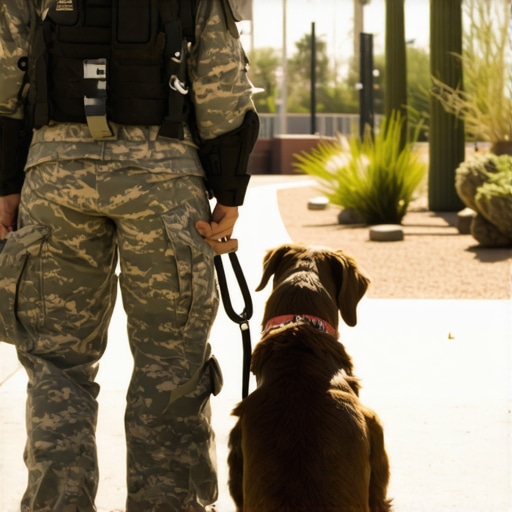
The Truth About PTSD Service Dogs and Public Access in Arizona
For veterans and civilians alike dealing with post-traumatic stress disorder (PTSD), service dogs can be a lifeline. These specially trained animals provide emotional support, assist with daily tasks, and help restore independence. However, as laws evolve, understanding how service dogs access public spaces—especially in states like Arizona—is essential. As we look toward 2026, certain key insights can make all the difference for handlers and trainers alike.
What Are PTSD Service Dogs, and Why Do They Matter?
PTSD service dogs are trained to recognize triggers, provide calming presence, and even perform specific tasks like grounding or retrieving medication. Their role extends beyond companionship; they become vital partners for people navigating the persistent hurdles of trauma. This importance elevates the need for clear access rights to public areas, ensuring handlers can rely on their dogs without fear of discrimination or legal obstacles.
Arizona’s Public Access Laws: The Basics
Arizona recognizes service animals under the Americans with Disabilities Act (ADA). This means service dogs must be allowed in public places, including restaurants, stores, and transportation. State-specific regulations align closely with federal standards, but local nuances can trip up even seasoned handlers. As new legislation or rulings approach in 2026, staying informed will be crucial for compliance and advocacy.
How Will the Landscape Shift by 2026?
In the coming years, expect tightening regulations and heightened awareness. Increased advocacy efforts are pushing for better enforcement and education on service animal rights. New policies might clarify ambiguous areas—like what qualifies as a service dog and how businesses should respond to handlers. This creates a landscape where knowledge directly correlates with ease of access and legal protection.
Understanding these legal frameworks is just the starting point. For example, knowing how to properly train your service dog for public access situations can prevent conflicts or disputes. Resources like the International Association of Assistance Dog Partners provide guidance for handlers. Additionally, being aware of common myths—such as the misconception that service dogs must be licensed—can help handlers assert their rights confidently.
Why Does Knowing These Secrets Matter?
Because awareness equates to empowerment. When you understand your legal rights and responsibilities, you can navigate Arizona’s public spaces smoothly. The evolving policies in 2026 may introduce new opportunities and challenges. Preparing now means being ready to advocate for yourself and your service dog effectively, ensuring that access remains a given, not a gamble.
Advancing Laws and Practical Tips for Service Dog Handlers
As the legal landscape in Arizona continues to evolve, handlers must stay vigilant about new regulations and best practices to ensure seamless access. One key aspect involves understanding how public spaces interpret service dog qualifications, especially as more businesses and entities become aware of their responsibilities. For example, recent case studies reveal that some establishments have improved their staff training to better recognize legitimate service animals, reducing unnecessary refusals and disputes.
Training Your Service Dog for Varied Public Environments
Proper training is crucial. Dogs trained to perform specific tasks in controlled settings might falter in busy urban environments. Practical tips include desensitization to loud noises, crowded spaces, and unfamiliar scents. Trainers like Therapy Dogs International offer modules designed to prepare dogs for public access challenges. Remember, consistent reinforcement of good behavior helps your service dog function confidently across diverse scenarios.
Legal Considerations and Your Rights
In 2026, new regulations may introduce clearer checkpoints for verifying service dog legitimacy. While there is no federal requirement for certification or special licensing, some handlers opt for identification vests or cards, which can expedite responses from staff. However, beware of superficial certifications that lack official recognition, as these might not hold up during disputes.
Understanding your rights under the ADA and state laws is paramount. The U.S. Department of Justice provides resources detailing what questions staff can ask: primarily, they may inquire if the animal is a service animal required because of a disability, and what tasks it performs. Educating staff proactively can prevent misunderstandings—consider carrying a concise explanation card or script derived from official guidelines.
Embedding maps such as this one can help handlers find nearby training facilities, accessible venues, or clinics dedicated to service animal support, fostering community and resource sharing.
Staying Informed and Advocating for Your Rights
Since the legal landscape might introduce new provisions or clarify existing ambiguities, continuous education is vital. Joining organizations like the Assistance Dogs International can provide updates, training tips, and advocacy opportunities. Sharing experiences and challenges within such communities reinforces collective awareness, encouraging policymakers to uphold and enhance rights for service dog handlers.
Final Tips for Success in 2026 and Beyond
Prepare documentation, familiarize yourself with your legal protections, and develop confident communication strategies. Remember, proactive engagement and diligent training serve as your best tools to navigate the complexities of public access—ensuring your service dog remains your reliable partner across all environments, regardless of changing laws or societal attitudes.
,
Enhancing Your Public Access Techniques and Understanding Subtle Legal Nuances
While fundamental laws protect service dog handlers, nuanced understanding of less obvious legal provisions can be a game-changer. For example, knowing how to document your dog’s training certification or understanding the limits of permissible verification requests can prevent unnecessary disputes. Advanced handlers also recognize the importance of educating business staff subtly and effectively, creating a cooperative environment without confrontation.
Implementing Effective Dispute Resolution Methods
- Stay Calm and Assertive: When encountering resistance, calmly reiterate your rights under ADA and Arizona law. Having a prepared explanation can defuse tension.
- Document Encounters: Keep records of interactions in case legal action becomes necessary.
- Utilize Mediation Resources: Organizations like the Arizona Human Rights Commission offer mediation programs between handlers and businesses.
Refining Training for Real-World Scenarios
Beyond basic obedience, train your service dog to remain composed during unexpected disruptions like alarms or sudden crowds. Engage professional trainers who specialize in urban environment readiness to equip your dog with resilience. Using real-life simulations during training enhances adaptability and reduces the risk of mishaps in public settings.
Understanding and Leveraging Legal Loopholes
While courts have clarified many protections, some nuances in state laws can be used strategically. For example, in Arizona, the distinction between emotional support animals and service animals is significant. Ensure your documentation emphasizes your dog’s trained tasks specific to PTSD, avoiding generalized claims that could be challenged. Recognizing when a business’s refusal is unwarranted enables strategic advocacy, protecting your access rights.
Building a Support Network and Staying Informed
Engage with local service dog community groups, both online and in person, to share experiences about legal developments and innovative training methods. Participating in advocacy initiatives can also influence positive legislative changes, especially as 2026 approaches with its anticipated policy shifts. Regularly consulting resources like the Arizona Department of Transportation’s guidance on accessible services ensures your knowledge stays current.
This map connects handlers to nearby training centers, advocacy groups, and legal consultation points, fostering a well-informed community prepared for the evolving legislative environment.
Key Takeaways for Advanced Handler Preparedness
- Regularly update your knowledge of both federal and state law nuances.
- Invest in specialized urban environment training for your service dog.
- Maintain thorough documentation of your dog’s training and tasks for quick verification if needed.
Emerging Trends Shaping Service Dog Access in Arizona
As Arizona solidifies its stance on service dog rights, innovative trends are emerging to empower handlers further. Technological advancements, such as digital certification platforms, are gaining traction, providing verifiable and tamper-proof credentials for service animals. This move not only streamlines verification processes but also fosters trust between handlers and business owners, reducing disputes. Furthermore, increasing community-led initiatives focusing on public education are paving the way for greater societal understanding, minimizing misunderstandings and enhancing cooperation in public spaces.
The Role of Technology in Enhancing Access Rights
Emerging digital tools are revolutionizing how handlers present proof of training and legitimacy. Mobile apps that store certification details or training records allow for quick, discreet sharing with staff when necessary, reducing delays and friction. In tandem, organizations are exploring RFID tags embedded in vests, which can be scanned to verify authenticity instantly. These innovations aim to create a seamless experience complying with legal standards while respecting the dignity of handlers and their service dogs.
Future Legislation and Advocacy in Arizona
Anticipated legislative efforts aim to clarify ambiguities surrounding emotional support animals versus certified service animals. By 2026, expect state policies to align closely with federal guidelines, emphasizing standardized training requirements and verification protocols. Advocacy groups are working diligently to push for mandatory training programs for business staff, ensuring they recognize and correctly respond to service dog handlers. Such policies will empower handlers while promoting accessibility and inclusion.
The Significance of Community and Peer Support
Building robust networks among handlers and trainers continues to be vital. Online forums, local meetups, and training workshops foster sharing of knowledge, challenges, and success stories. These communities serve as powerful platforms for collective advocacy, informing policymakers about real-world issues faced by handlers. Moreover, peer support offers emotional resilience, essential for navigating the complexities of public interactions and legal uncertainties that may arise as laws evolve.
Harnessing Community Resources for Training and Legal Support
Local organizations and specialized trainers focus on urban environment training, addressing challenges like crowded spaces, noise, and unpredictability. Access to up-to-date legal resources, such as quick reference guides derived from the ADA and state laws, can empower handlers to respond effectively during disputes. Additionally, connecting with legal advocates familiar with disability rights enhances preparedness, ensuring handlers are protected against discrimination.
Future Trends in Training and Legal Awareness
Looking ahead, comprehensive educational campaigns targeting both handlers and the public will become standard. These initiatives aim to dispel myths, like the misconception that service dogs are pets, and foster a culture of respect and understanding. Furthermore, regular updates through webinars, workshops, and informational materials will keep handlers abreast of legislative changes and best practices, ensuring confidence in navigating Arizona’s evolving legal landscape.
Why Does Staying Ahead Matter for Handlers?
Proactivity ensures handlers are not caught off-guard by policy shifts or societal misunderstandings. Being informed allows for strategic advocacy, proper training, and confident public interactions. As 2026 approaches, embracing these emerging trends guarantees that access rights are preserved and strengthened, making everyday public outings safer and more empowering for individuals with PTSD.
Frequently Asked Questions
1. How can I ensure my service dog is recognized legally in Arizona?
Stay informed about federal and state laws, carry appropriate training documentation, and educate yourself on your rights under the ADA and local regulations. Joining organizations like Assistance Dogs International can also provide valuable resources.
2. What training tips can help my PTSD service dog succeed in public spaces?
Focus on urban environment desensitization, noise acclimation, and distraction training. Consistent reinforcement and professional guidance from trainers experienced in public access are essential.
3. Are digital certifications for service dogs effective and legally recognized?
Digital tools and tamper-proof credentials are increasingly accepted and can streamline verification processes. However, always supplement them with proper training and documentation, as laws continue to evolve.
4. How can I handle disputes or refusals when accessing public places with my service dog?
Remain calm, assert your rights under ADA, document the encounter, and consider mediation if necessary. Educating staff politely about your rights can prevent many conflicts.
5. What future legal changes should I prepare for as an Arizona service dog handler?
Expect clearer guidelines, standardized training requirements, and technological verification methods by 2026. Staying engaged with advocacy groups and updating your knowledge will help you adapt seamlessly.
The Bottom Line
As laws and societal perceptions advance, proactive education, proper training, and community engagement remain your strongest tools. Empower yourself with knowledge and resources to navigate Arizona’s evolving landscape confidently, ensuring that your service dog can continue to provide vital support without legal or societal barriers.
Take Action Today
Share your experiences, join local advocacy groups, and stay informed about legislative updates. Your proactive approach not only benefits your journey but also paves the way for greater understanding and accessibility for all service dog handlers in Arizona.