
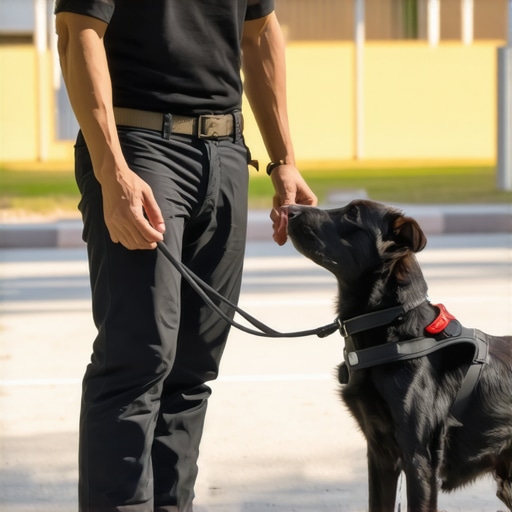
The Truth About Mobility Assistance Dogs in Arizona
Mobility assistance dogs offer life-changing support for individuals with disabilities. However, even experienced handlers can encounter mistakes that diminish their effectiveness or compromise safety. Understanding these pitfalls and how to correct them is crucial for both new and seasoned owners.
Understanding the Core Roles of Assistance Dogs
Assistance dogs are trained to perform specific tasks that help mitigate their handler’s disabilities. These tasks can range from retrieving objects to providing stability during movements. Yet, not every dog or handler pair achieves optimal performance without proper guidance. Many common errors stem from a lack of clear training or misaligned expectations.
Common Mistake #1: Inadequate Training and Reinforcement
One prevalent mistake is undertraining or inconsistent reinforcement. Assistance dogs require regular, precise training to perform their duties reliably. Without ongoing practice, they may forget commands or fail to respond appropriately in public settings. Investing in professional training and consistent daily exercises ensures your dog remains confident and competent.
Common Mistake #2: Misreading Your Dog’s Cues
Handlers often misinterpret their dog’s body language, leading to missed signals or improper responses. Recognizing signs of stress, distraction, or fatigue helps prevent accidents or frustration. Regularly observing your dog’s behavior and adjusting training accordingly creates a more harmonious partnership.
People Also Ask: How can I correct my mobility assistance dog’s mistakes effectively?
Addressing mistakes begins with patience and understanding. Reinforcing positive behaviors, setting clear boundaries, and seeking advice from certified trainers can turn errors into learning opportunities. Remember, consistency and clear communication are key to successful correction.
Emerging Technologies in Assistance Dog Training and Support
As the field of assistance dogs evolves, technological innovations are playing an increasingly vital role. Smart collars equipped with GPS and activity trackers can monitor a dog’s movement patterns, providing data to help handlers understand behavioral trends and identify potential stress signals. Furthermore, virtual reality (VR) training modules are being developed to simulate real-world scenarios, enabling handlers to practice commands and responses safely and effectively.
Wearable Devices and Data Analytics
Wearable technology for assistance dogs allows for continuous monitoring of vital signs, activity levels, and stress indicators. Analyzing these data points enables trainers to customize training protocols and promptly address issues such as anxiety or fatigue, which might impact task performance. This personalized approach enhances the safety and well-being of both the dog and the handler.
Virtual Reality for Handler Training
VR simulations provide handlers with immersive experiences of navigating diverse environments, helping them develop skills in managing their assistance dogs under various conditions. These virtual exercises supplement traditional training, especially valuable in regions like Arizona, where outdoor environments can be challenging.
The Future of Assistance Dog Certification and Policies in Arizona
With the growing demand for assistance dogs, there’s a push toward standardized certification processes. Future policies may include more rigorous assessments to ensure dogs possess consistent skills and handlers are adequately trained to interpret and respond to their dog’s cues effectively.
Standardization and Regulatory Developments
Legislative efforts are underway to establish clear guidelines for assistance dog training, certification, and public access rights. These regulations aim to protect both handlers and the public, ensuring dogs are well-trained and handlers are knowledgeable about their responsibilities.
Impact on Service Providers and Handlers
As policies evolve, assistance dog organizations in Arizona may adopt stricter screening processes, incorporating advanced training and evaluation tools. Handlers will benefit from increased resources and support systems designed to optimize the partnership and promote safety.
Emphasizing Continued Education for Assistance Dog Handlers
Ongoing education is crucial for maintaining effective assistance dog partnerships. Workshops, online courses, and community seminars are becoming more accessible, especially in tech-savvy regions like Arizona. These educational initiatives focus on advanced training techniques, body language interpretation, and problem-solving strategies.
The Role of Support Networks and Peer Learning
Connecting with peer groups and professional trainers fosters a community of learning and shared experiences. Online forums and local support groups allow handlers to exchange insights about new tools, training methods, and troubleshoot common issues collectively.
Pro Tip: Regularly attending refresher courses and staying updated with the latest research can ensure your assistance dog remains responsive, confident, and effective in fulfilling its vital role.
Frequently Asked Questions
How can I improve my assistance dog’s performance?
Consistent training, positive reinforcement, and close observation of your dog’s cues are essential. Engaging with professional trainers and utilizing advanced techniques can further enhance your dog’s reliability and safety.
What are signs that my assistance dog is stressed or distracted?
Look for body language signals such as lip licking, yawning, low tail, or avoiding eye contact. Recognizing these signs helps you intervene and prevent potential mistakes or accidents.
Are there technological tools that can assist in training assistance dogs?
Yes. Wearable devices like GPS collars and activity trackers, as well as VR training modules, are emerging tools that provide valuable data and simulated scenarios to support handler training and dog performance.
How does ongoing education benefit assistance dog handlers?
Continual learning through workshops, online courses, and peer support ensures handlers stay updated on best practices, new tools, and correction strategies, thereby maintaining an effective partnership with their assistance dog.
The Bottom Line
Ensuring your assistance dog operates at peak performance is a journey rooted in education, observation, and professional guidance. Embracing new technologies and understanding behavioral cues empower handlers to build safe, trusting, and productive relationships. Remember, expert support and continuous learning are the cornerstones of long-term success.
Take Action Today
Share your experiences, ask questions, or reach out to local professionals to improve your assistance dog’s effectiveness. Your dedication makes a profound difference in the quality of life for yourself and others relying on these vital partnerships.
This article really highlights the importance of understanding your assistance dog’s body language—something I learned the hard way during my first training sessions. Paying closer attention to subtle cues like tail wagging or lip licking can make a big difference in how we interpret our dog’s state of mind. I also appreciate the emphasis on professional support; engaging a trainer who specializes in assistance dogs in Arizona has been invaluable for us. I’ve found that consistent reinforcement and observing the dog’s responses daily help solidify good habits. For those just starting out or even seasoned handlers, what techniques have you found most effective for managing distractions during outdoor tasks? I’d be interested in hearing how others incorporate technology or advanced training tools into their routines, especially to handle Arizona’s unique environment.
This article provides a comprehensive overview that resonates well with my experience as an assistance dog handler in Phoenix. One aspect I found particularly useful was the emphasis on recognizing subtle body language cues—I’ve noticed that, especially in outdoor environments, signs like lip licking or low tail height often signal stress or distraction, which can easily be overlooked. Incorporating professional trainers has made a huge difference for us, especially when it comes to advanced correction techniques like differential reinforcement and video analysis. Interestingly, I’ve started using a GPS collar with activity tracking, and the data helps me tailor training sessions more effectively. I wonder how many handlers here are experimenting with similar wearable tech and VR training modules? In my opinion, the evolving technology combined with traditional training methods can significantly improve task reliability. How do others balance high-tech tools with hands-on training to manage Arizona’s outdoor challenges effectively? Would love to hear more shared strategies or experiences!