The Rise of Diabetic Alert Dogs: A New Hope for Patients
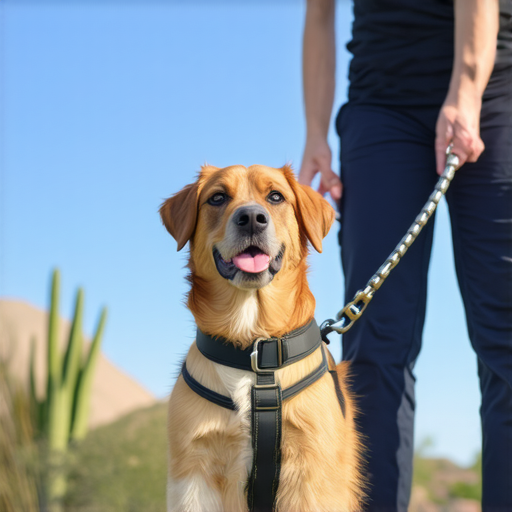
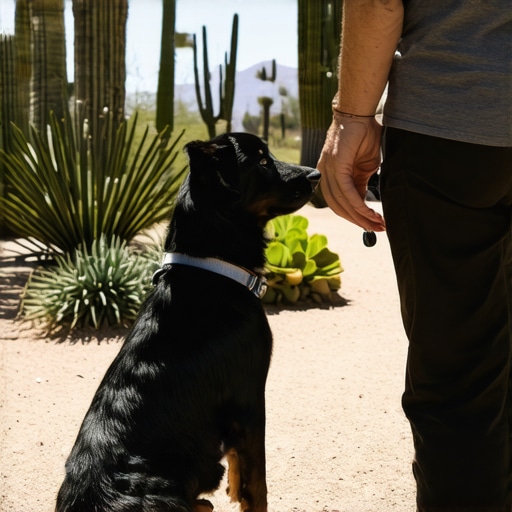
In recent years, the management of diabetes has undergone significant shifts. Traditional tools like Continuous Glucose Monitors (CGMs) have long been the go-to for many, providing real-time glucose readings and alerts. But as 2026 approaches, a new contender has emerged—Arizona’s diabetic alert dogs. These specially trained canines are proving to be more effective than ever before, sparking debate and interest across the medical community.
Understanding the Basics: How Do CGMs Work?
CGMs are electronic devices worn by diabetics, continuously tracking glucose levels through a tiny sensor inserted under the skin. They send data to a receiver or smartphone, alerting users to dangerous lows or highs. These devices are praised for their convenience and real-time updates, yet they are not infallible. Sensor inaccuracies, calibration issues, and technical glitches can still leave patients vulnerable.
What Makes Arizona’s Diabetic Alert Dogs Stand Out?
Arizona’s diabetic alert dogs are trained to detect fluctuations in blood glucose levels through scent. This olfactory detection allows them to sense changes before symptoms appear or devices register a problem. The dogs are highly responsive, adaptable, and capable of providing immediate alerts even in noisy or distracting environments. Their natural instincts and rigorous training enable them to outperform some electronic systems, especially when emergencies arise unexpectedly.
People Also Ask: Why Might Alert Dogs Be More Reliable Than CGMs?
Unlike electronic devices that can malfunction or give false readings, alert dogs rely on their heightened sense of smell, which remains unaffected by technical failures. Moreover, dogs offer emotional support and companionship, which benefits mental health alongside physical safety. As research advances, a growing number of clinics are integrating these animals into their diabetes management programs.
Unleashing Technology: Combining Canine Senses with Advanced Devices
As the world of diabetes management evolves, a promising trend is emerging—integrating diabetic alert dogs with wearable technology. This synergy aims to harness the intuitive scent detection of dogs alongside the precision of devices like smart glucose monitors, creating a comprehensive alert system. Emerging smart devices equipped with artificial intelligence can analyze patterns in blood glucose levels, while alert dogs provide an immediate, tactile warning—offering a safety net that covers potential blind spots of each method.
Next-Generation Training Techniques
Advancements in training methodologies are also shaping the future. Virtual reality (VR) simulations are being used to expose alert dogs to diverse environments without the logistical challenges of real-world training, enhancing their adaptability. Furthermore, genetic research is exploring traits linked to olfactory acuity, potentially leading to breed-specific selection for even more effective alert dogs.
Future Trends in Certification and Standardization
As demand grows, organizations are working towards standardized certification processes, ensuring consistency and reliability across rescue, service, and medical alert roles. Blockchain technology may soon be employed to maintain transparent records of a dog’s training history, health status, and certification, boosting owner confidence and regulatory oversight.
The Role of Telehealth and Remote Monitoring
Telehealth platforms are enabling remote consultations with trainers and veterinarians, facilitating ongoing care and training updates for alert dogs. Coupled with mobile apps, owners can monitor their dog’s alert performance, receive training tips, and update emergency plan protocols instantly, making integration into daily life seamless and data-driven.
Customization Through AI and Data Analytics
Deep learning algorithms are being developed to analyze individual blood glucose patterns, allowing for highly personalized training programs for alert dogs. This customization ensures that each dog-receiver pair is optimized for specific needs, improving prediction accuracy and response times. Such innovations promise to elevate diabetic alert dogs from supplementary tools to vital components of personalized diabetes care.
Ethical and Welfare Considerations
As technology advances, emphasis on animal welfare remains paramount. Future initiatives focus on ensuring that alert dogs have access to enrichment activities, proper healthcare, and humane training practices. AI-driven assessments may help identify signs of stress or fatigue in dogs, prompting timely interventions and promoting longevity in their service careers.
Frequently Asked Questions
How reliable are diabetic alert dogs compared to electronic devices?
Diabetic alert dogs rely on their sense of smell, which can detect blood glucose fluctuations with high sensitivity. They often serve as a supplementary tool alongside electronic devices, providing immediate alerts and emotional support. While they can be highly reliable, consistency depends on proper training and individual dog temperament.
What criteria should I consider when choosing a certified diabetic alert dog?
Look for programs affiliated with reputable organizations like Assistance Dogs International (ADI). Ensure the dog has undergone rigorous training in scent detection, obedience, and socialization. Certification and positive reviews from previous owners can also indicate effectiveness and safety.
Can diabetic alert dogs replace continuous glucose monitors?
While alert dogs are effective tools and can detect glucose changes promptly, they are best used as complements rather than replacements for medical devices. Combining both approaches provides a comprehensive safety net and enhances overall diabetes management.
What training is necessary for maintaining a diabetic alert dog’s performance?
Regular reinforcement training, socialization in different environments, and health monitoring are essential. Certified trainers can provide ongoing guidance to ensure the dog maintains high sensitivity and responsiveness.
How can I integrate an alert dog into my daily routine?
Establish consistent routines, communicate clearly using commands, and educate family and friends about the dog’s role. Regular training sessions and proper identification can facilitate smooth integration and maximize benefits.
The Bottom Line
Diabetic alert dogs represent an innovative and effective supplement to traditional diabetes management tools. Their unique scent detection capabilities, combined with advancements in training and technology, promise increased safety, independence, and quality of life for individuals with diabetes. Embracing this hybrid approach—leveraging the natural instincts of trained dogs alongside cutting-edge devices—can lead to more proactive and personalized care strategies that address the complexities of blood glucose variability.
Share Your Experience and Take the Next Step
If you’re interested in exploring how diabetic alert dogs can enhance your management plan, consult reputable training organizations and healthcare professionals. Sharing your journey or providing feedback can inspire others and drive further innovation in this promising field.