
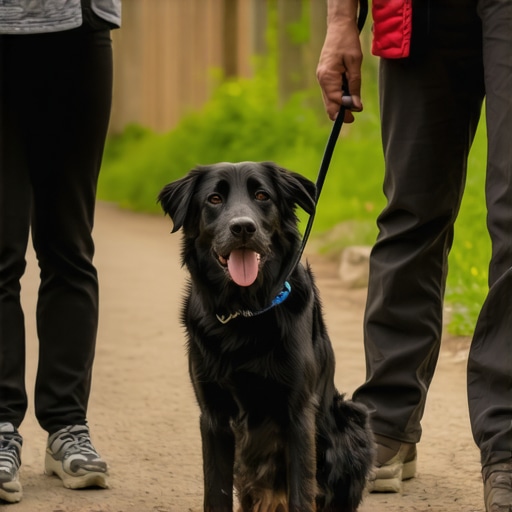
The Truth About Psychiatric Service Dogs in Arizona
As mental health challenges grow in complexity, the role of psychiatric service dogs becomes more vital. These specially trained companions offer more than just assistance—they become allies in managing daily life. But how does one ensure these dogs are prepared for their crucial duties? The answer lies in targeted training strategies tailored for Arizona’s unique environment and legal landscape.
Understanding the Role of Psychiatric Service Dogs
Psychiatric service dogs are trained to perform specific tasks that mitigate the symptoms of mental health conditions such as anxiety, depression, or post-traumatic stress disorder (PTSD). Unlike therapy dogs, they are legally recognized to assist their handlers across various settings, including public spaces and transportation. Proper training is essential to guarantee both the dog’s effectiveness and public safety.
Key Tasks in Service Dog Training for 2026
In 2026, trainers focus on five core tasks that enhance a service dog’s ability to support their handler. These tasks include alerting to panic attacks, interrupting harmful behaviors, providing deep pressure therapy, retrieving medication, and guiding the handler through crowded spaces. Mastering these skills requires a combination of patience, consistency, and expert knowledge, especially considering the evolving legal and social standards.
Why Is Task-Specific Training So Important?
Task-specific training ensures that a psychiatric service dog performs reliably when needed. It builds the handler’s confidence and reduces the risk of the dog misfiring or providing inadequate assistance. As Arizona implements new regulations around service animals, trainers must stay updated to maintain compliance and ensure that dogs are prepared for future demands.
Enhancing Task Performance in Psychiatric Service Dogs
Effective training goes beyond basic obedience; it involves sophisticated techniques tailored to each task the dog is expected to perform. For example, alerting to a handler’s panic attack requires the dog to recognize subtle behavioral cues, which trainers in Arizona are mastering using scent training and behavioral conditioning. These nuanced skills are crucial for ensuring the dog responds reliably during high-stress situations, empowering handlers to manage episodes with confidence.
Case Study: Deep Pressure Therapy Success
Consider a veteran in Mesa who benefited from deep pressure therapy provided by his service dog trained specifically for PTSD. Trainers employed a combination of positive reinforcement and pressure application techniques, teaching the dog to apply gentle pressure on command or when sensing heightened anxiety levels. This personalized approach led to significant improvements in the veteran’s daily functioning, illustrating the importance of customized training regimens. For additional insights into specialized training methods, visit Psychiatric Service Dog Training.
Refining Behavioral Conditioning Techniques
To elevate a psychiatric service dog’s performance, trainers in Arizona often implement advanced behavioral conditioning methods. These techniques involve shaping complex behaviors through consistent reinforcement, enabling dogs to respond promptly to subtle cues. For example, teaching a dog to tolerate crowded environments requires gradual exposure combined with positive reinforcement, which helps reduce anxiety and enhance focus during real-world scenarios.
Implementing Desensitization Protocols
Desensitization is crucial for dogs to handle unpredictable stimuli. Through controlled exposure to typical triggers like loud noises or busy streets in Arizona, dogs learn to maintain composure. Trainers utilize systematic desensitization sessions, incrementally increasing stimulus intensity while ensuring the dog’s comfort, thus fostering resilience and reliability in service tasks.
Common Misconceptions in Service Dog Training
- Misconception: All dogs can become service animals with basic obedience training.
- Fact: Service dogs require specialized training for specific tasks; obedience alone is insufficient.
- Misconception: Service dogs are only helpful for physical disabilities.
- Fact: They also assist individuals with mental health conditions, requiring nuanced behavioral skills.
Addressing These Errors
Understanding these misconceptions ensures handlers and trainers focus on targeted, task-specific training instead of general obedience. This precision improves the effectiveness of psychiatric service dogs, especially as Arizona’s legal definitions evolve to protect handler rights.
Utilizing Tech and Modern Tools
Modern training incorporates technology like scent detection devices and video feedback systems to monitor and refine dog behavior. For instance, trainers may analyze scent detection accuracy or response times via video recordings, enabling data-driven enhancements in training protocols. Such tools are particularly beneficial in Arizona’s diverse environments, where different stimuli require tailored training plans.
The Future of Psychiatric Service Dog Training in Arizona
As the landscape of mental health support evolves, so do the methods and technologies used in training psychiatric service dogs. The integration of innovative tools and understanding of human-animal interactions is paving the way for more effective, personalized training programs tailored to Arizona’s unique environment and legal framework.
The Impact of Artificial Intelligence in Training Protocols
Artificial intelligence (AI) is increasingly being utilized to analyze canine behavior, helping trainers identify subtle cues that indicate stress or readiness. AI-powered video analysis enables real-time feedback, allowing for immediate adjustments in training sessions. This technology enhances the precision of task-specific training, ensuring dogs perform reliably during high-stress situations common in Arizona’s diverse settings.
Wearable Technology for Behavior Monitoring
Wearable devices, such as sensors embedded in collars, monitor physiological data like heart rate and cortisol levels, providing insights into the dog’s stress responses. Trainers use this data to tailor desensitization and behavioral conditioning protocols, preparing dogs to handle Arizona’s bustling urban environments or tranquil outdoor settings with confidence.
Remote Training and Tele-Consultations
The rise of remote training via teleconsultations enables trainers across Arizona to oversee and guide handlers and dogs remotely. This method increases access to specialized training resources, especially in rural or underserved areas, ensuring standards are maintained nationwide. Virtual assessments also facilitate ongoing support, essential for refining skills as the dog gains experience.
Legal and Ethical Considerations for 2026 and Beyond
As technology advances, regulatory bodies are updating laws to address ethical concerns related to AI and wearable devices in service animal training. Ensuring data privacy and maintaining transparency are paramount. Arizona lawmakers are working with industry experts to establish guidelines that balance innovation with handler rights and animal welfare, fostering trust and safety in the future of service dog training.
Preparing Handlers for the Next Generation of Service Dogs
Future training trends emphasize empowering handlers with knowledge about new technologies and techniques. Educational programs are expanding to cover topics like AI data interpretation and ethical considerations of tech use. Equipping handlers in Arizona with these skills ensures they can maximize the potential of their psychiatric service dogs and adapt to evolving standards.
The Bottom Line
Advanced training techniques, leveraging modern technology, and tailored task-specific methods continue to elevate the effectiveness of psychiatric service dogs in Arizona. Staying informed about evolving standards and integrating innovative tools ensures handlers receive optimal support from their canine companions, fostering independence and safety.
Frequently Asked Questions
1. How long does it typically take to train a psychiatric service dog in Arizona?
The training duration varies based on the individual dog’s temperament and the complexity of tasks required, but it generally spans from 6 months to over a year.
2. Are all dogs suitable for service work?
No, only specific breeds and temperaments suitable for consistent task performance undergo specialized training to become effective psychiatric service dogs.
3. What legal protections do psychiatric service dogs have in Arizona?
Under federal and state laws, psychiatric service dogs are protected to accompany their handlers in public spaces, provided they are appropriately trained and certified.
4. How can I find certified trainers in Arizona?
Research reputable organizations specializing in service dog training in Arizona, and ensure they adhere to recognized standards and certifications.
5. What should I consider when choosing a service dog for mental health support?
Focus on temperament, obedience, and the ability to perform required tasks. Professional guidance can help match you with the right canine partner.
Empower Your Journey Today
To optimize your experience with psychiatric service dogs, stay informed on the latest training strategies and legal updates. Connect with expert trainers and advocacy groups to ensure your rights and your dog’s effectiveness are protected. The future of mental health support is adaptive, innovative, and empowering—be part of it now.
I found this article incredibly insightful, especially the emphasis on task-specific training and the use of emerging technologies. I’ve personally seen how scent training and behavioral conditioning can make a huge difference in real-world scenarios, particularly in Arizona’s diverse environments. The case study about the PTSD veteran in Mesa resonated with me; it highlights the profound impact a well-trained service dog can have on daily life. I wonder how accessible these advanced training methods are for average handlers, especially in rural parts of Arizona where resources might be limited. It seems that remote training and teleconsultations could bridge this gap effectively. Has anyone here had experience with integrating AI or wearable tech in their training routines? I’m curious about how these tools are adapted for different climates and environments, like the hot desert regions versus cooler areas. Overall, staying ahead with tech while focusing on personalized training seems to be the way forward for mental health support via service dogs.