
The Truth About Diabetic Alert Dogs vs. Future Tech in Diabetes Management
Understanding the Core Differences
As diabetes management evolves, many look to the latest technological innovations promising to revolutionize care. However, diabetic alert dogs—especially in Arizona—are proving they often outperform upcoming 2026 tech. These specially trained canines don’t rely solely on gadgets; they leverage a combination of sense and intuition built over years of training.
What Makes Diabetic Alert Dogs Stand Out?
Unlike automated devices, diabetic alert dogs can detect blood sugar fluctuations even before traditional sensors pick up on them. Their olfactory senses are incredibly sensitive, capable of identifying chemical changes associated with high or low blood glucose levels. This innate ability allows for faster responses, reducing the risk of dangerous health episodes.
In Arizona, a state known for its unique climate and outdoor lifestyle, these dogs offer reliable support regardless of environmental factors that might challenge tech devices. Moreover, their companionship promotes mental well-being, an often-overlooked aspect of chronic disease management.
Why Do Experts Favor Alert Dogs in Certain Scenarios?
Medical professionals recognize that no technology can completely replace the human-animal bond. In situations where tech signals might fail—like device malfunction or interference—alert dogs step in effectively. They are constantly attuned to their owners, providing immediate alerts that can be lifesaving. Additionally, these dogs can be trained to alert to specific behaviors or environmental cues, enhancing safety even further.
People Also Ask: Can Technology Really Match a Trained Dog’s Accuracy?
While advancements in medical devices are impressive, they often fall short of the rapid, intuitive responses of trained alert dogs. Machines depend on algorithms and sensors, which can sometimes be delayed or compromised. Dogs, on the other hand, use their highly tuned senses to detect subtle chemical and behavioral cues, often acting faster and with greater certainty in real-world situations.
Harnessing the Power of Trained Senses in Real-World Scenarios
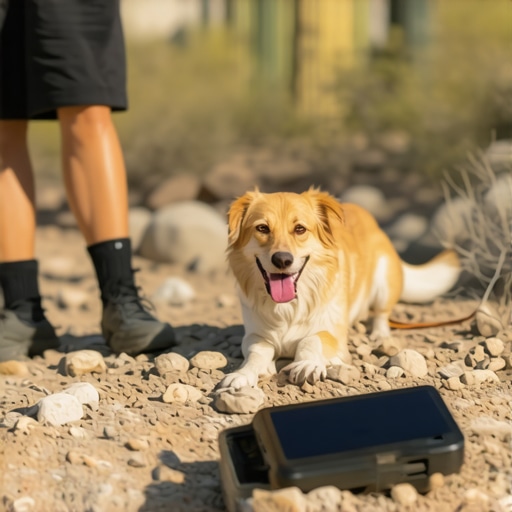
One illustrative example of a diabetic alert dog’s capabilities involved a young woman in Tucson, Arizona, who experienced an unexpected low blood sugar event during her outdoor hike. Her wearable tech failed due to interference from nearby power lines, a common challenge in remote areas. Fortunately, her alert dog, trained extensively in chemical detection, sensed the drop before the device registered anything. The dog’s early warning allowed her to prevent a dangerous situation, exemplifying the vital role these animals play in high-stakes environments.
While technological devices continue to advance rapidly, their performance often hinges on external factors—like signal interference, battery life, or environmental conditions. Diabetic alert dogs, however, operate independently of such variables, offering a reliable safety net especially in rugged outdoor settings unique to states like Arizona. Their ability to adapt to various climates and terrains enhances their utility, making them indispensable companions for active individuals managing diabetes.
Pro Tips for Maximizing Canine Assistance and Tech Integration
Experts recommend integrating trained alert dogs with modern technology to establish a robust safety system. For instance, having both an alert dog and a continuous glucose monitoring (CGM) device provides layered security—if one system falters, the other remains operational. Additionally, regular training sessions can refine a dog’s sensitivity to specific triggers, such as particular scents associated with blood sugar levels. Maintaining this synergy ensures prompt responses in diverse situations, from daily routines to emergency scenarios.
Furthermore, local Arizona dog training centers like Robinson Dog Training specialize in preparing canines for medical alert duties, emphasizing real-world adaptability. Collaborating with such experts guarantees the dog’s skills stay sharp and tailored to the owner’s unique health profile.
Beyond Basics: Nuances in Diabetic Alert Dog Training and Technology Integration
Understanding Sensor Interference and Environmental Factors
- Electromagnetic Interference (EMI): Tech devices like continuous glucose monitors (CGMs) can be susceptible to EMI from nearby electronic devices or power lines. Dogs, however, rely on olfactory cues unaffected by such interference, making them more reliable in certain environments.
- Climate and Terrain Challenges: Extreme temperatures, dust, or humidity in Arizona can impair electronic equipment while trained dogs adapt seamlessly. Proper acclimation training enhances canine performance in these conditions.
Enhancing Dog-Technology Collaboration
To maximize safety, experts recommend a layered approach:
- Dual Alerts: Use both trained alert dogs and smart tech devices to cover potential blind spots.
- Regular Calibration and Training: Maintain a schedule for refreshing a dog’s scent detection sensitivity, especially when environmental conditions change.
- Emergency Protocols: Establish clear procedures for instances where either system fails, ensuring quick response and minimizing risk.
Misconceptions About Trained Canines and Tech Reliability
Many believe that technology will fully replace dogs in diabetes management. In reality,:
- Complementarity, not substitute: Dogs excel in early detection and emotional support, areas where tech falls short.
- Training and consistency: The effectiveness relies on ongoing training and environmental familiarity, just like tech updates and calibration are essential for devices.
How to Customize Advanced Solutions for Your Needs
Personalize your diabetes management plan by:
- Assessing environmental risks: In remote or outdoor settings, heavily rely on trained dogs due to potential tech issues.
- Integrating smart devices: Use apps and alerts that sync with your wearables for real-time monitoring paired with canine alerts for critical moments.
- Collaborating with experts: Work with trainers and healthcare providers to develop a tailored, layered approach.
The Evolution of Diabetes Care: Merging Tradition with Innovation
As advancements in medical technology accelerate, many wonder how traditional methods like diabetic alert dogs will fit into the future landscape of diabetes management. While future tech promises seamless monitoring, trained alert dogs continue to offer unmatched reliability, especially in diverse environments like Arizona’s rugged outdoors and urban settings.
Emerging Technologies Shaping Diabetes Management
Innovations such as implantable sensors, AI-driven glucose prediction algorithms, and wireless monitoring systems are on the horizon. These tools aim to anticipate blood sugar fluctuations, providing real-time data directly to users. For instance, smart patches integrated with AI can analyze patterns and alert users proactively, potentially reducing hypoglycemic episodes.
Additionally, wearable devices are becoming more sophisticated, with some now capable of integrating data from multiple sources—including environmental sensors to monitor climate conditions that may affect glucose levels.
The Role of Canines Amidst Technological Progress
Despite the promising advancements, trained diabetic alert dogs retain unique advantages. Their olfactory abilities are unaffected by technical malfunctions or environmental interference. In Arizona, where outdoor activities and exposure to natural elements are common, these dogs offer a resilient support system. Remarkably, some innovative programs are now combining sensor technology with canine training, creating hybrid systems that leverage the strengths of both.
Future Trends: Integrating Technology and Canine Support
- Hybrid Monitoring Systems: Combining real-time sensor data with canine alerts ensures comprehensive coverage, minimizing the risk of device failure or missed signals.
- AI-Assisted Training: Using AI to enhance training protocols for alert dogs, ensuring they adapt quickly to new environmental challenges and scent markers, particularly relevant in diverse Arizona terrains.
- Remote Monitoring and Support: Developing apps that connect owners, trainers, and healthcare providers, enabling coordinated responses when either tech or canine alerts indicate potential issues.
Preparing for a Complementary Future in Diabetes Management
As technology evolves, the most effective approach will likely be a layered system where trained dogs and smart devices work in tandem. For individuals in Arizona, this means embracing both traditional and modern tools tailored to their active lifestyles and environmental conditions. Collaboration with local experts, such as Robinson Dog Training, can facilitate personalized training programs that ensure canine partners remain effective amidst changing technology landscapes.
People Also Ask: Will Smart Devices Replace Diabetic Alert Dogs in the Future?
While future innovations aim to enhance diabetes management, they are unlikely to fully replace trained alert dogs. The intuitive, chemical sensing abilities of dogs provide a level of immediacy and environmental adaptability that technology still can’t match, particularly in outdoor and unpredictable settings prevalent in Arizona.
Enhancing Safety Through Integration and Personalization
The future of diabetes management lies in personalized, integrated solutions. Combining the emotional support and immediate response capabilities of trained dogs with the precision and data analysis of emerging tech will empower individuals to manage their condition more confidently and safely—no matter where they are, whether in the city or out in nature.
Final Thoughts: Bridging Tradition and Innovation in Diabetes Care
In the evolving landscape of diabetes management, trained diabetic alert dogs—particularly in Arizona—continue to demonstrate unparalleled reliability and adaptability. Their innate olfactory senses and intuitive responses complement technological advancements, offering a layered approach that prioritizes safety and peace of mind. Embracing both the timeless bond between humans and canines alongside cutting-edge devices creates a comprehensive safety net tailored to diverse environments and lifestyles.
Frequently Asked Questions
1. Can diabetic alert dogs replace continuous glucose monitors (CGMs)?
While alert dogs excel in early detection and environmental adaptability, they are best used as a complement to, rather than a replacement for, technological tools like CGMs. Combining both ensures optimal safety and responsiveness.
2. How do alert dogs perform in outdoor or rugged settings?
Diabetic alert dogs in Arizona are trained to operate effectively amidst varying terrains and weather conditions. Their olfactory capabilities are unaffected by environmental factors that may compromise electronic devices, making them invaluable in outdoor scenarios.
3. Is training a diabetic alert dog a lengthy process?
Training duration varies depending on the individual dog and owner needs, but generally involves several months of dedicated, specialized training to ensure reliable performance in blood sugar detection and environmental cues.
4. How can I integrate technology and canine support effectively?
Experts recommend layered systems, such as pairing alert dogs with continuous monitoring devices and establishing emergency protocols. Regular training and communication with professionals like Robinson Dog Training optimize this synergy.
5. Are there local Arizona resources for training diabetic alert dogs?
Yes, centers like Robinson Dog Training specialize in preparing dogs for medical alert roles, ensuring they are adaptable to local environmental challenges.
The Bottom Line
While technological innovations promise exciting advances, the enduring value of trained diabetic alert dogs remains evident. Their ability to sense and respond swiftly, unaffected by external interferences, makes them an essential component of comprehensive diabetes care—especially in Arizona’s diverse environments. Integrating tradition with innovation offers the most resilient approach to safeguarding health and enhancing quality of life.
Get Started Today
Share your experiences, ask questions, or explore training options—empower yourself with knowledge and support in your diabetes management journey. Connect with local professionals and embrace a tailored, effective safety strategy designed for your unique environment and lifestyle.
Reading through this post truly highlights the crucial role that trained diabetic alert dogs play in managing blood sugar levels, especially in environments where tech can fall short. I’ve personally seen how a well-trained dog can detect subtle scent changes even when electronic devices malfunction, which is especially common during outdoor activities or in areas with electrical interference. It’s remarkable how sensitive their olfactory sense is, often acting faster than tech alarms, and their companionship adds emotional stability, which is so vital for mental health.
I wonder, in your experience or research, how do training programs for these dogs adapt to different climates and terrains like those found around Phoenix or Tucson? Are there specific techniques trainers use to ensure dogs remain effective despite extreme heat or dust? For those managing diabetes in remote or outdoor settings, what combination of tech and canine support has proven most reliable for you? I’d love to hear if anyone has integrated these methods successfully and what challenges they faced.
This post provides a compelling look into the vital role diabetic alert dogs play, especially here in Arizona where outdoor conditions can be quite extreme. From personal experience working with a rescue dog in Phoenix, I’ve seen how well-trained dogs can adapt to various climates, including intense heat and dusty environments, by using specialized training. It’s fascinating how their olfactory senses are unaffected by environmental factors that typically challenge electronic devices, such as signal interference or battery issues.
One challenge I’ve encountered is maintaining the dog’s alertness and sensitivity in long-term training, especially when environmental conditions change. Do trainers in Arizona often incorporate climate-specific training modules to ensure dogs remain effective outdoors? Also, combining canine alerts with tech—like continuous glucose monitors—seems like the safest approach. I’d be curious to know what other owners have found most effective in ensuring their safety in remote or outdoor settings, particularly during AZ’s hot summers. Has anyone faced unique challenges or found innovative solutions to optimize both dog and tech performance?
This post really highlights how crucial trained diabetic alert dogs are, especially in areas like Arizona where outdoor conditions can challenge tech devices. I’ve seen firsthand how these dogs can pick up on scent changes that electronics might miss, especially during intense heat or dust storms. Their ability to function reliably in adverse environments makes them an invaluable part of diabetes management, particularly for outdoor enthusiasts or those living in remote areas. I’ve always been curious about how these training programs adapt to extreme weather conditions; do they incorporate specific heat or dust exposure modules? Also, pairing these dogs with continuous glucose monitors seems like a smart layered approach, ensuring safety even if one system fails. Has anyone experienced challenges maintaining a dog’s sensitivity over time, or found innovative ways to keep their olfactory skills sharp through environmental changes? Would love to hear success stories or tips from others here.
This post really underscores the critical role that trained diabetic alert dogs continue to serve, especially in a state like Arizona where outdoor environments can pose unique challenges for traditional tech solutions. From personal experience volunteering with a local training center, I’ve noticed how these dogs are trained to handle extreme temperatures and unpredictable terrains. Their olfactory senses are remarkably unaffected by environmental factors like dust or heat, which makes them incredibly reliable when tech devices might falter due to interference or battery issues. I’ve seen some owners successfully integrate canine alerts with continuous glucose monitors, creating a layered safety system that offers peace of mind. Has anyone here faced difficulties maintaining a dog’s alertness over time, especially in changing weather conditions? Also, what are some innovative training techniques used to keep those olfactory skills sharp in harsh climates? It seems that combining the innate abilities of these dogs with advances in tech creates a very resilient approach to diabetes management.
I found this post particularly insightful, especially the emphasis on how diabetic alert dogs can outperform technology in certain outdoor conditions here in Arizona. I’ve seen similar cases where tech devices failed due to signal interference or extreme weather, but a trained dog’s olfactory skills persisted, offering a reliable safety net. What I find interesting is how some programs are now focusing on climate-specific training modules to keep the dogs’ effectiveness sharp in high temperatures and dusty environments. Maintaining a dog’s alertness over years of service, especially in climate-challenging areas, seems to be a key aspect of successful training. I wonder if others here have experience blending these traditional canine alerts with modern tech, and how that layered approach has worked in your daily routines. It seems combining both methods provides a great balance, but what are the biggest hurdles you’ve faced in integrating them effectively? I’d love to hear some innovative tips or personal stories on this topic.